


The North Face, a global leader in outdoor apparel and equipment, has officially released its Universal Collection, a specialized line of camping gear engineered through a collaborative process with adaptive athletes. This initiative represents a significant shift in the outdoor industry, moving away from traditional design models that often prioritize a "standard" body type and toward a philosophy of universal design. The collection features a suite of products—including a zipperless sleeping bag, a wheelchair-accessible tent, a self-standing daypack, and ambidextrous footwear—each designed to remove the physical barriers that have historically excluded individuals with limited mobility, dexterity, or limb differences from fully participating in outdoor activities.
The development of the Universal Collection was not a solitary effort by internal designers but rather the result of years of direct consultation with members of the adaptive community. By integrating the perspectives of professional climbers, skiers, and outdoor enthusiasts who navigate the world with disabilities, The North Face has addressed specific pain points that often go overlooked in mainstream product development. This approach acknowledges that features which improve accessibility for some often enhance the user experience for everyone, a phenomenon known in design circles as the "Curb-Cut Effect."
Technical Innovations in the Universal One Bag
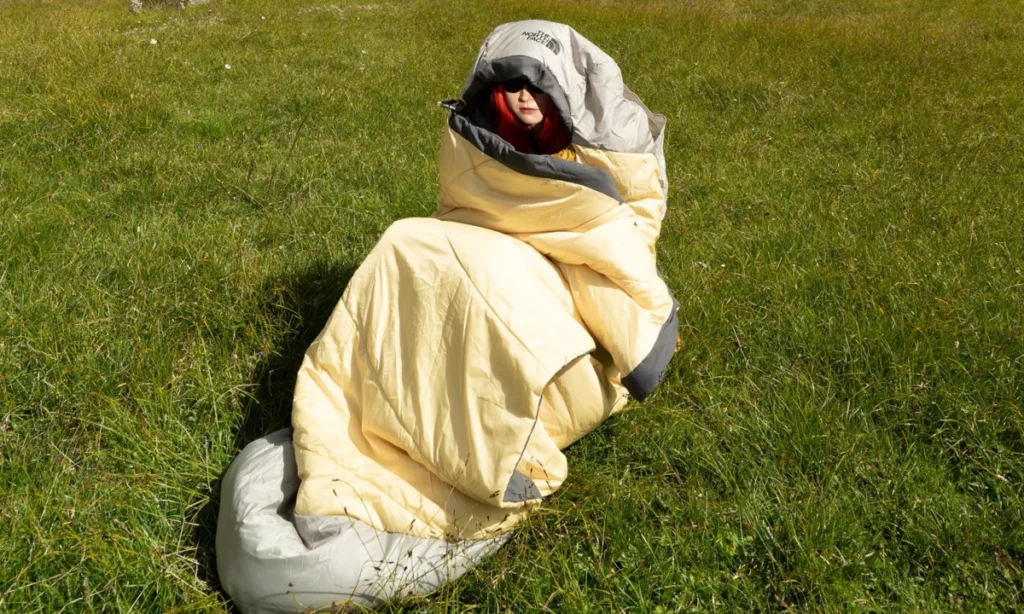
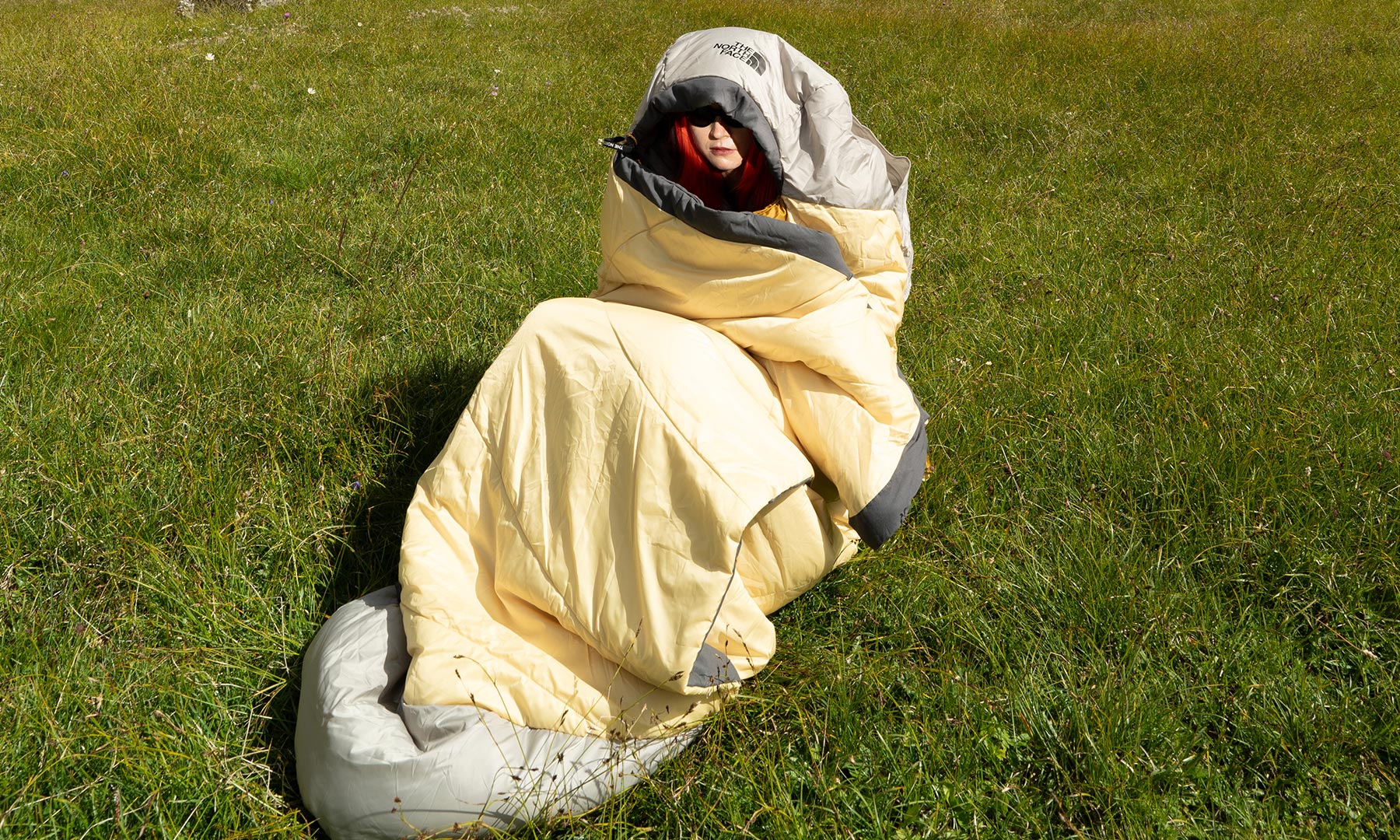
At the center of the collection is the Universal One Bag, a sleeping bag that fundamentally reimagines the entry and exit process. For decades, the heavy-duty zipper has been the standard for thermal retention in sleeping bags. However, zippers present a significant challenge for users with limited hand strength, those using prosthetics, or individuals who lack the core stability required for the "two-handed shimmy" often necessary to operate a snag-prone track.
To solve this, The North Face replaced the traditional full-length zipper with a magnetic closure system utilizing FIDLOCK technology. FIDLOCK closures are mechanical-magnetic fasteners that snap into place automatically when the two halves are brought into proximity. For the user, this means the bag can be "zipped" shut with a single hand or even just the movement of the arms. To exit the bag, a small, ergonomic lever releases the magnets with minimal force, preventing the common frustration of fabric getting caught in metal teeth.
Beyond accessibility, the Universal One Bag is engineered for versatility. Rated for temperatures as low as 20°F, the bag utilizes high-loft synthetic insulation, which maintains its thermal properties even when damp—a critical safety factor in backcountry environments. The bag also features two insulated "wings" or layers that can be adjusted based on the ambient temperature, allowing the product to function effectively across multiple seasons without requiring the user to own several different bags.
Architectural Redesign of the Universal Wawona 3 Tent
The Wawona 3 has long been a staple of The North Face’s car-camping lineup, praised for its interior height and durable construction. The Universal version of the Wawona 3 retains these qualities while introducing structural modifications specifically aimed at wheelchair users and those with mobility aids.
The most notable change is the redesign of the tent’s threshold. Standard tents typically feature a high "tub" floor or a raised fabric sill at the doorway to keep out water and debris. For a wheelchair user, this sill acts as a physical barrier. The Universal Wawona 3 utilizes a lower-profile threshold with integrated "give," allowing a wheel to roll over it without snagging the fabric or damaging the tent’s frame. Furthermore, the doorway has been widened significantly to accommodate the turning radius of a standard wheelchair.
Ease of assembly was another primary focus for the design team. Setting up a tent often requires sorting through various pole lengths and matching them to specific color-coded grommets—a task that is difficult in low light or for those with cognitive or dexterity challenges. The Universal Wawona 3 utilizes three poles of equal length, eliminating the need for sorting. The pole sleeves are highly visible, and the attachment points are designed for easy-catch mounting. The rain fly is integrated into the body of the tent to reduce the number of steps required for setup, and all zipper pulls have been replaced with oversized loops that can be operated with a closed fist.
Specialized Accessories: The U-Camp Daypack and Traction Mules
The Universal Collection extends its design philosophy to everyday outdoor accessories. The U-Camp Daypack, a 20-liter bag, addresses the logistical challenges of packing and retrieving gear from a seated position. Unlike traditional backpacks that often collapse when placed on the ground, the U-Camp Daypack features a reinforced base that allows it to stand upright independently. This stability is crucial for users who may be loading the bag from a wheelchair or a camp chair.
The pack’s opening mechanism also moves away from traditional buckles, which require precise finger manipulation. Instead, it uses a magnetic lid that snaps shut and can be opened with a simple pull tab. The harness system has been modified to sit comfortably over various body types and is specifically designed to ride well over the backrests of mobility devices without creating pressure points.
In terms of footwear, the Universal Design Traction Mules ($65) introduce a symmetric design. These shoes are built on a "universal last," meaning there is no designated left or right shoe; either shoe fits either foot. This is a significant advantage for individuals with limb differences or those who find traditional shoe orientation difficult to manage. The mules feature a foldable heel, allowing them to be worn as slip-ons or as full slippers, and include high-contrast pull loops on both the heel and the tongue to assist with donning and doffing.
Chronology and the Development Process
The timeline for the Universal Collection began several years ago as part of The North Face’s broader commitment to equity in the outdoors. The project gained momentum through the brand’s partnership with adaptive athletes like Vasu Sojitra, a professional skier and disability access strategist, and Maureen Beck, a world-class paraclimber.
Throughout 2023 and early 2024, prototypes were field-tested at events such as the Adaptive Climbers Fest and the Paradox Sports climbing clinics. These events provided a rigorous testing ground where designers could observe how the gear performed in real-world conditions. Feedback from these sessions led to several iterations of the FIDLOCK placement on the sleeping bag and adjustments to the tent’s pole tension to ensure it could be managed by someone with one-handed dexterity.
The official launch in 2025 marks a milestone in the outdoor industry, as it represents one of the first times a major heritage brand has released a comprehensive, technical collection designed from the ground up for the adaptive community rather than modifying existing products as an afterthought.
Statistical Context and Market Impact
The release of the Universal Collection comes at a time when the outdoor industry is facing increased pressure to be more inclusive. According to the Centers for Disease Control and Prevention (CDC), approximately 27% of adults in the United States live with some form of disability. Despite this, data from the Outdoor Industry Association (OIA) suggests that people with disabilities are underrepresented in outdoor recreation, often citing a lack of appropriate equipment and accessible infrastructure as primary barriers.
The economic potential of this demographic is substantial. The outdoor recreation economy accounts for approximately $1.1 trillion in gross economic output, according to the U.S. Bureau of Economic Analysis. By ignoring the needs of nearly one-fourth of the population, brands have historically left a significant market segment untapped. The North Face’s move into universal design is as much a business decision as it is a social one, positioning the brand to capture a loyal and growing segment of the outdoor market.
Perspectives from the Adaptive Community
Maureen Beck, a key contributor to the collection’s development, emphasized the importance of the design hierarchy in this project. "This is the first time we’re seeing accessibility innovations starting with the adaptive community and flowing up to everyone else, rather than the other way around," Beck stated during the collection’s unveiling. She noted that the goal was not to create "special" gear that looks different, but to create high-performance gear that happens to be accessible.
Vasu Sojitra echoed these sentiments, highlighting that the innovations found in the Universal Collection address "universal" frustrations. "A magnetic closure that helps someone with limited grip also helps someone wearing heavy mittens in the winter," Sojitra noted. "The tent threshold low enough for a wheelchair is also easier to step over for a parent carrying a child or someone with an armload of firewood."
Broader Implications for the Outdoor Industry
The launch of the Universal Collection is expected to have a ripple effect across the outdoor retail sector. As a market leader, The North Face often sets the tone for industry trends. If the Universal Collection proves commercially successful, it is likely that competitors will follow suit, leading to a broader standardization of accessible features in mainstream gear.
This shift toward universal design also aligns with global sustainability goals. By creating gear that is easier to use and less prone to mechanical failure (such as zipper snags), the lifespan of the products is extended. The use of high-quality synthetic materials and modular designs in the Universal One Bag suggests a move toward "buy-less, use-longer" consumer habits, which is a core tenet of modern environmental stewardship.
In conclusion, the Universal Collection represents more than just a new product line; it is a proof of concept for a more inclusive future in outdoor recreation. By prioritizing the constraints of the adaptive community, The North Face has produced a series of innovations that simplify the camping experience for all users, proving that good design is, by definition, accessible. As the outdoor industry continues to evolve, the success of this collection will likely serve as a benchmark for how brands can successfully integrate social equity with technical excellence.