




The act of sneezing, scientifically known as sternutation, is a semi-autonomous, convulsive expulsion of air from the lungs through the nose and mouth. While often dismissed as a minor respiratory irritation or a social inconvenience, the physiological mechanics behind a sneeze involve a complex coordination of the muscular, nervous, and respiratory systems. Recent medical research and expert testimony highlight a concerning trend: the voluntary suppression of this reflex. Although many individuals hold in sneezes to maintain social etiquette or prevent the spread of pathogens, clinical evidence suggests that blocking the exit of such high-velocity air pressure can lead to significant internal injuries, ranging from ruptured eardrums to life-threatening damage to the thoracic cavity.
The Biomechanics of the Sneeze Reflex
A sneeze is primarily an evolutionary defense mechanism designed to clear the upper airway of irritants, allergens, and foreign pathogens. The process begins when the sensory nerves in the nasal mucosa, specifically the trigeminal nerve, detect a stimulus. This signal is transmitted to the "sneeze center" located in the medulla oblongata of the brainstem. Once a threshold is reached, the brain initiates a complex motor program.
The physiological sequence involves a deep inspiration, followed by the closing of the glottis and a violent contraction of the diaphragm and intercostal muscles. This builds immense intrapulmonary pressure. Dr. Qin Liu, a prominent researcher at Washington University in St. Louis, describes the internal mechanics using a ballistics metaphor. According to Dr. Liu, the diaphragm and intercostal muscles function as a firing mechanism, while the compressed air serves as the projectile. In a standard, unimpeded sneeze, the glottis opens suddenly, allowing the pressurized air to escape at velocities that can reach up to 100 miles per hour (160 kilometers per hour).
When an individual intervenes in this process by pinching the nostrils and clamping the mouth shut, the "open pressure-release system" is transformed into a closed system. The energy generated by the muscular contractions does not dissipate into the environment; instead, it is redirected internally, exerting profound mechanical stress on the tissues of the head, neck, and chest.
The Pathophysiology of Internal Barotrauma
The human body is not structurally designed to absorb the localized pressure of a suppressed sneeze. When the primary exit points are obstructed, the air pressure seeks alternative pathways, often entering the nasopharynx and the Eustachian tubes, which connect the throat to the middle ear.
Auditory and Cranial Complications
The most common injuries associated with sneeze suppression involve the auditory system. The sudden influx of high-pressure air into the Eustachian tubes can cause middle-ear barotrauma. This can lead to the rupture of the tympanic membrane (eardrum) or damage to the delicate ossicles (small bones) of the middle ear. In some cases, the pressure can even affect the inner ear, leading to perilymphatic fistulas, which cause severe vertigo, hearing loss, and tinnitus.
Beyond the ears, the redirected pressure can force air into the sinuses or even the retro-orbital space behind the eyes. While the playground myth of "eyeballs popping out" is hyperbolic, medical literature has documented cases of orbital emphysema, where air becomes trapped in the tissues surrounding the eye, potentially compromising vision if not treated.
Pharyngeal and Thoracic Injuries
More severe, though rarer, are injuries to the throat and chest. The pharynx, the muscular tube leading from the mouth to the esophagus and larynx, can suffer mechanical failure under the stress of a suppressed sneeze. Dr. Liu notes that if the force exceeds the mechanical limits of the tissue, a pharyngeal rupture can occur. This is a medical emergency that allows air and potentially bacteria to leak into the surrounding tissues of the neck.
Furthermore, the pressure can cause "pneumomediastinum," a condition where air is forced into the mediastinum—the space in the chest between the lungs. This can lead to "cervical emphysema," characterized by air bubbles trapped under the skin of the neck and upper chest, often producing a crackling sensation known as crepitus upon palpation. In extreme cases, this air can put pressure on the heart or lead to a collapsed lung (pneumothorax).
Clinical Case Studies and Supporting Data
The risks of sneeze suppression are not merely theoretical; they are well-documented in clinical case reports. One of the most cited instances occurred in 2018, published in the British Medical Journal (BMJ) Case Reports. A 34-year-old male presented to an emergency department in the United Kingdom with a swollen neck and intense pain after attempting to stop a sneeze by pinching his nose and closing his mouth.
Upon examination, doctors heard popping and crackling sounds extending from his neck down to his ribcage. A CT scan revealed that the man had actually ruptured the back of his throat. The force of the trapped sneeze had torn through the soft tissue, allowing air to escape into the deep structures of his neck and chest. The patient required hospitalization for a week, during which he was administered a feeding tube and prophylactic antibiotics to prevent deep-tissue infection (mediastinitis), a condition with a high mortality rate.
Statistical data on the frequency of these injuries is difficult to aggregate because many minor injuries, such as small eardrum perforations or localized bruising, may go unreported. However, otolaryngologists (ear, nose, and throat specialists) frequently caution against the practice, noting that the intranasal pressure during a suppressed sneeze can be five to 24 times higher than that of an unimpeded sneeze.
The Neurological Window of Prevention
While suppressing a sneeze mid-expulsion is dangerous, there is a neurological window during the "premonitory" phase where the reflex can be safely interrupted. Dr. Liu explains that the sneeze motor program only becomes "autopilot" once the full activation threshold is reached in the brainstem.
Before the physical contraction of the diaphragm begins, individuals may successfully abort the reflex through various sensory interference techniques:
- Manual Stimulation: Pressing firmly on the philtrum (the area between the upper lip and the base of the nose) can provide inhibitory sensory input to the trigeminal nerve.
- Lingual Pressure: Pressing the tongue hard against the roof of the mouth or the back of the front teeth can sometimes disrupt the sensory processing of the sneeze.
- Breathing Alteration: Forcefully exhaling through the nose or taking deep, rapid breaths can occasionally reset the respiratory rhythm before the reflex triggers.
However, Dr. Liu emphasizes that once the "sneeze motor program" has been fully engaged, attempting to stop the air from leaving the body is the primary cause of injury. At that stage, the safest course of action is to allow the sneeze to proceed.
Public Health Etiquette and Infection Control
The conflict between physiological safety and public health etiquette became particularly sharp during the COVID-19 pandemic. A single sneeze can release up to 40,000 droplets, which can travel several meters and remain suspended in the air. This creates a social pressure to stifle the sneeze to protect others.
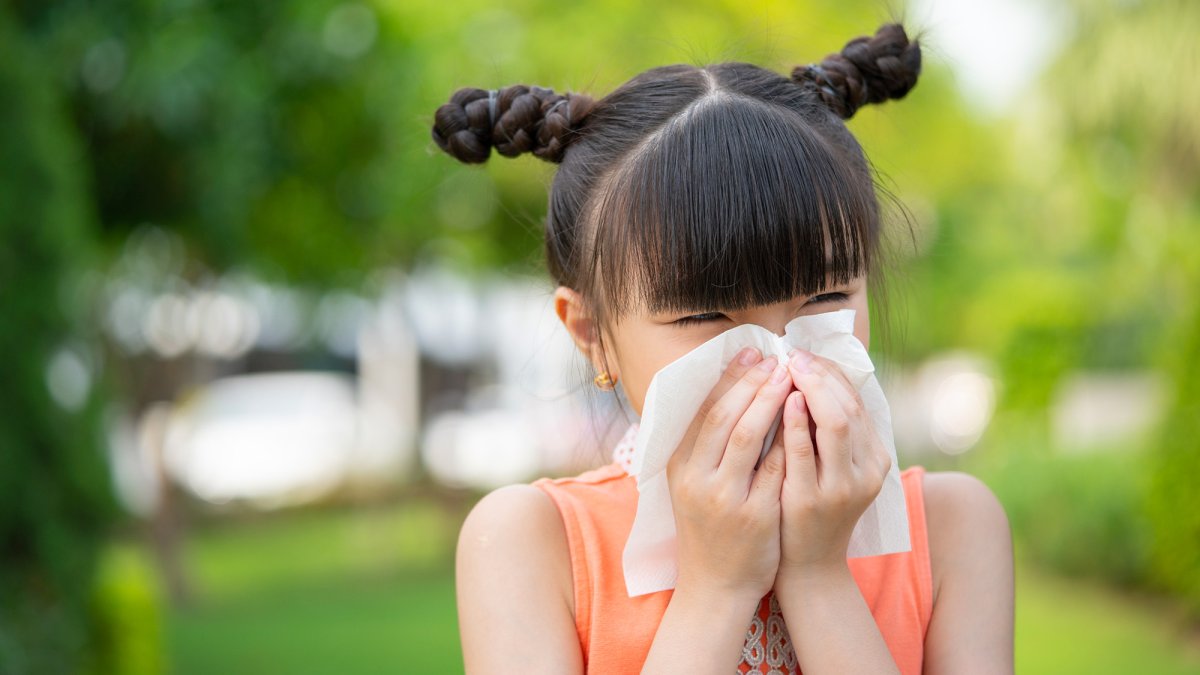
Medical professionals and public health agencies, such as the Centers for Disease Control and Prevention (CDC), advocate for a "controlled release" rather than suppression. The recommended "vampire sneeze"—sneezing into the crook of the elbow—provides a physical barrier to droplet spread without obstructing the airflow enough to create dangerous internal pressure. Alternatively, using a disposable tissue to cover both the nose and mouth allows the pressure to escape while containing the biological material.
Long-term Implications and Conclusion
The study of the sneeze reflex reveals the incredible power generated by the human respiratory system. The fact that a routine biological function can cause internal fractures or tissue ruptures serves as a reminder of the delicate balance between internal pressure and structural integrity.
From a journalistic and medical perspective, the data suggests that the "considerate" act of holding in a sneeze is a misguided practice. The potential for barotrauma, while statistically rare in its most severe forms, presents a preventable risk to the auditory, respiratory, and cardiovascular systems. As Dr. Liu and other researchers continue to investigate the mechanics of airway defense, the medical consensus remains clear: when the body initiates a sneeze, it is performing a vital protective function.
To mitigate the risks of injury while maintaining social responsibility, the public is encouraged to adopt hygienic expulsion techniques. By allowing the "bullet" of air to exit the "gun" of the diaphragm, individuals can protect their internal tissues while utilizing tissues or their elbows to protect the community. The physiological imperative of the sneeze is to clear the system; attempting to override this evolutionarily refined reflex is a gamble with one’s own physical health.