



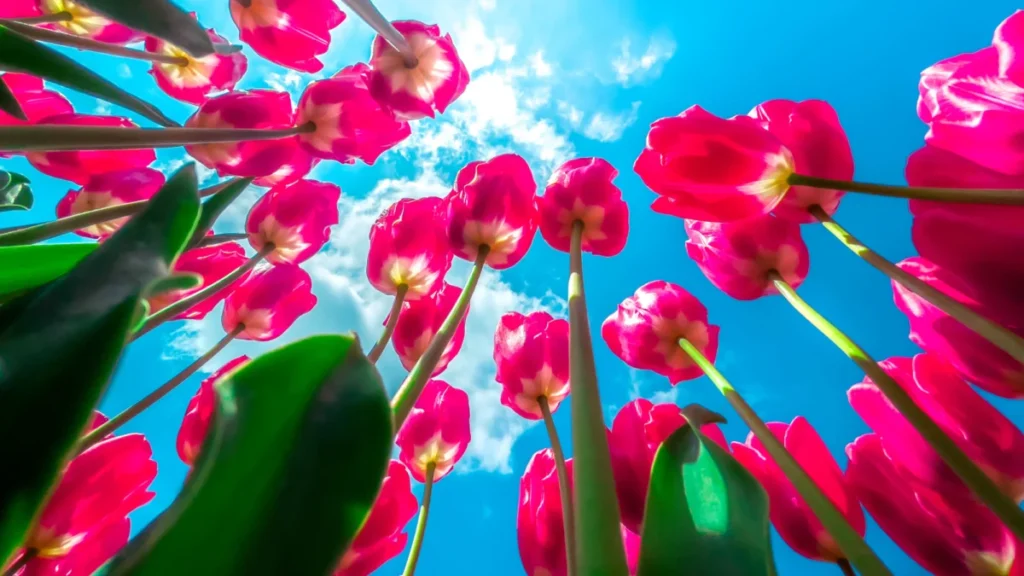
As the Northern Hemisphere transitions from the austerity of winter to the vitality of spring, a complex biological symphony begins to play out across forests, deserts, and urban gardens. While the visual transformation—the sudden eruption of cherry blossoms in Washington D.C. or the carpet of wildflowers in Death Valley—appears spontaneous to the casual observer, it is the result of a sophisticated, multi-sensory regulatory system within the plants themselves. This process, governed by internal circadian rhythms and external environmental triggers, allows plants to navigate the risks of seasonal transitions with remarkable precision. By integrating signals from sunlight and temperature, flora can determine the optimal moment to transition from vegetative growth to reproductive flowering, ensuring the survival of the next generation.
The Internal Timekeeper: Understanding the Plant Circadian Clock
At the heart of a plant’s ability to sense the changing seasons is the circadian clock, a self-sustaining biochemical oscillator that cycles approximately every 24 hours. This internal mechanism is not merely a passive responder to the environment but an active predictor of it. According to Takato Imaizumi, a chronobiologist at the University of Washington, these clocks allow plants to "anticipate" dawn and dusk, optimizing their metabolic processes accordingly.
The plant circadian clock is composed of a series of interlocking feedback loops of genes and proteins. In the morning, specific genes are activated that prepare the plant for photosynthesis; as the day progresses, these genes are repressed, and evening genes take over to manage growth and resource distribution. This internal rhythm is crucial for photoperiodism—the ability of an organism to detect the length of the day. For many "long-day" plants, the detection of days that exceed a certain threshold of light is the primary signal that spring has arrived.
Photoperiodism and the Role of Light Receptors
Plants perceive light through a variety of specialized receptors that function much like biological eyes. Phytochromes sense red and far-red light, while cryptochromes detect blue light. These receptors provide the plant with information not only about the presence of light but also about its quality and duration.
As the Northern Hemisphere moves toward the summer solstice, the duration of daylight increases. This change is detected by the leaves, which serve as the primary sensory organs for photoperiodism. When the light duration aligns with the plant’s internal circadian requirements, a signal is sent from the leaves to the shoot apical meristem—the part of the plant where new growth occurs. This signal is a protein known as FLOWERING LOCUS T (FT), often referred to by botanists as "florigen." The movement of florigen through the plant’s vascular system (the phloem) triggers the transformation of vegetative buds into flower buds.
The Necessity of Cold: Vernalization and Thermal Sensing
While light is a consistent indicator of the time of year, it is not the only factor plants must consider. Temperature serves as a critical secondary check to ensure that a plant does not bloom during a temporary winter thaw, which would be fatal to delicate reproductive organs. Many species, particularly those in temperate climates, require a process known as vernalization—a prolonged period of cold temperatures that "unlocks" the ability to flower in the spring.
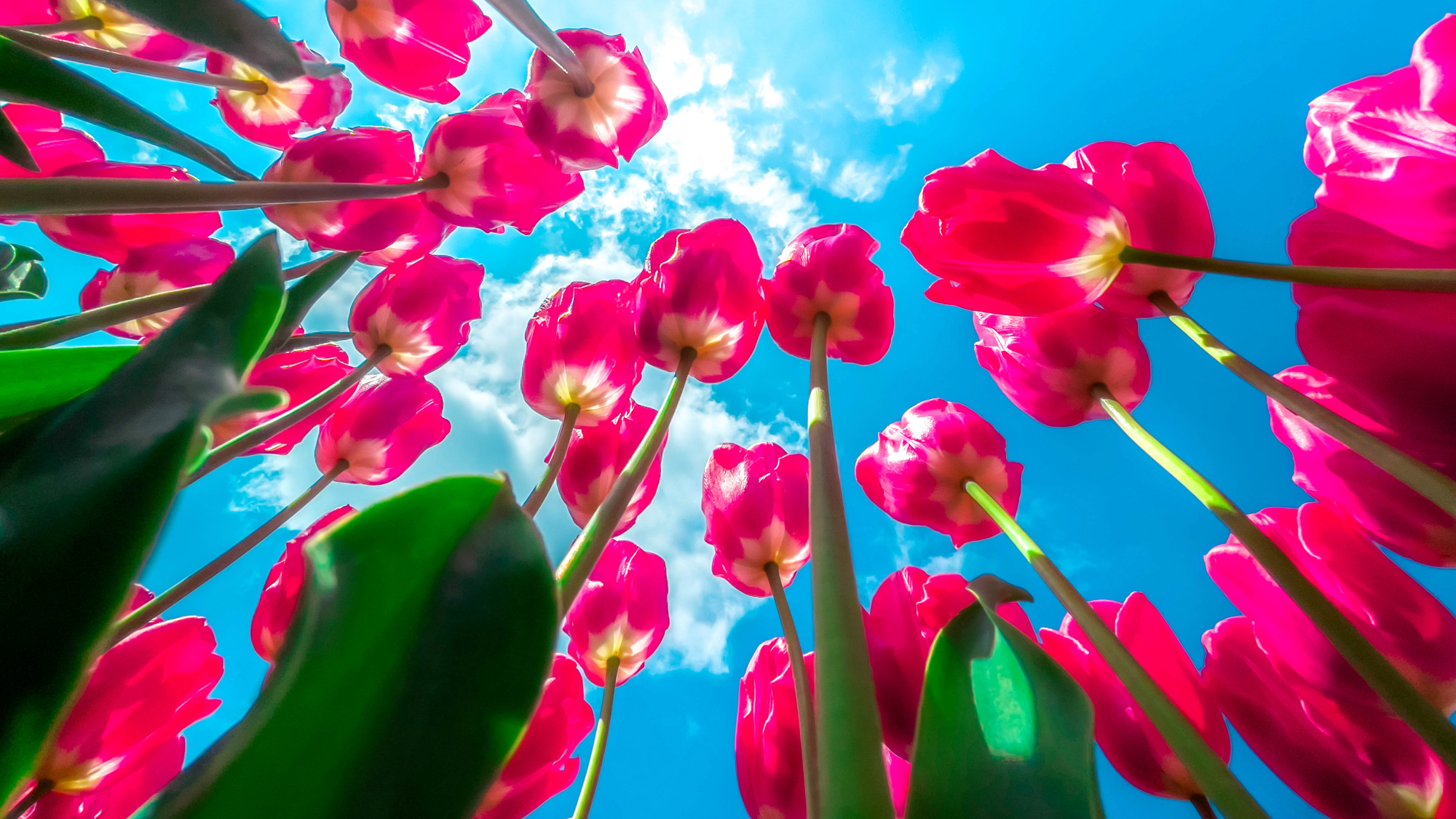
Vernalization acts as a form of epigenetic memory. During the winter, cold temperatures lead to the gradual silencing of a gene called FLOWERING LOCUS C (FLC), which normally acts as a brake on the flowering process. Only after several weeks of consistent cold is the FLC gene sufficiently repressed to allow the plant to respond to the warming temperatures and longer days of spring. This ensures that the plant remains dormant until the threat of deep frost has largely passed.
Case Study: The Death Valley Superbloom
The intersection of moisture and temperature is perhaps most dramatically illustrated in the "superblooms" of the American Southwest. In Death Valley National Park, one of the hottest and driest places on Earth, the vast majority of seeds remain dormant in the soil for years, protected by a thick, waxy coating.
A superbloom is a rare event that requires a specific sequence of environmental conditions. First, a significant rain event—typically at least one inch—must occur in the autumn to wash the chemical inhibitors off the seeds. Second, there must be consistent, well-spaced rainfall throughout the winter. Finally, the spring temperatures must be moderate; if it becomes too hot too quickly, the seedlings will wither before they can bloom.
In 2024, Death Valley experienced such a bloom following an unusually wet winter fueled by El Niño weather patterns. The National Park Service reported that while lower elevations saw peak color in February and March, the bloom moved up the mountain slopes as the season progressed, with higher elevations (above 5,000 feet) seeing activity well into June. This "elevation wave" demonstrates how plants at different altitudes respond to the specific microclimates and thermal gradients of their environment.
Case Study: The Washington D.C. Cherry Blossoms
In urban environments, the blooming of ornamental trees like the Yoshino cherry blossoms in Washington D.C. serves as a major cultural and economic milestone. Unlike desert wildflowers, which are heavily dependent on rain, cherry trees are primarily sensitive to "degree days"—a measure of cumulative warmth.
The National Park Service (NPS) monitors the cherry blossoms through five distinct stages: green bud, florets visible, extension of florets, peduncle elongation, and puffy white. The transition between these stages is dictated almost entirely by ambient air temperature. In 2024, the NPS projected peak bloom between March 29 and April 1. However, these dates are subject to rapid shifts. A "false spring"—a period of unseasonable warmth followed by a hard frost—can be devastating. If temperatures drop below 27 degrees Fahrenheit once the buds have reached the "puffy white" stage, up to 90% of the blossoms can be destroyed, halting the bloom entirely.
Chronology of the Spring Bloom: A Seasonal Timeline
The transition from winter dormancy to full floral display follows a predictable chronological sequence, though the specific timing varies by species and geography:

- Winter Solstice to Late January: Plants are in deep dormancy. Vernalization is occurring at the molecular level as cold temperatures silence flowering inhibitors.
- February: Early-season "harbingers of spring," such as snowdrops and crocuses, emerge. These plants have lower thermal thresholds and can often bloom even through thinning snow.
- March (Vernal Equinox): The rapid increase in day length triggers the production of florigen in long-day plants. Deciduous trees begin "bud burst" as sap begins to flow.
- April: Peak blooming for many temperate fruit trees (cherries, apples) and spring bulbs (tulips, daffodils). This period is the most sensitive to "late frost" events.
- May to June: Transition to summer flowering. The focus shifts from ephemeral spring blooms to the more robust growth of perennials and the leafing out of the forest canopy.
Broader Implications: Climate Change and Phenological Mismatch
The delicate timing of the spring bloom is increasingly under threat from global climate change. Phenology—the study of cyclic and seasonal natural phenomena—has shown that spring is arriving earlier in many parts of the world. While earlier flowers might seem like a benefit, they create a significant risk of "phenological mismatch."
Many plants rely on specific pollinators, such as bees or hummingbirds, which have their own internal clocks or migration schedules. If a plant blooms too early due to unseasonable warmth, it may do so before its pollinators have emerged or arrived. This mismatch can lead to poor reproductive success for the plant and food shortages for the pollinators. Furthermore, earlier blooms are more susceptible to the "false spring" phenomenon, where premature growth is killed by a subsequent return to normal winter temperatures, leading to massive agricultural losses in the fruit and timber industries.
Economic and Ecological Impact
The timing of the bloom carries significant weight beyond ecology. In the United States, the "bloom industry"—ranging from commercial nurseries to floral tourism—generates billions of dollars annually. The National Cherry Blossom Festival in Washington D.C. alone attracts more than 1.5 million visitors each year, providing a massive boost to the local hospitality and retail sectors.
Ecologically, the spring bloom represents the primary "green-up" of the planet, a massive carbon sequestration event. As billions of leaves unfurl, they begin to pull carbon dioxide from the atmosphere at an accelerated rate, marking the start of the annual dip in global CO2 levels.
As scientists like Takato Imaizumi continue to map the genetic and chemical pathways that govern these seasonal shifts, the goal remains to understand how we might help ecosystems adapt to a changing climate. Whether through the development of more resilient crop varieties or the preservation of migratory corridors for pollinators, the survival of the spring bloom is essential to the stability of the global food supply and the health of the natural world. The annual awakening of the Northern Hemisphere is not just a change in scenery; it is a vital, clockwork-precise operation that sustains life on Earth.