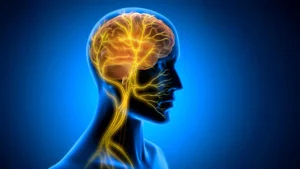




An unparalleled international research initiative, meticulously combining brain imaging data with memory testing results from thousands of adults, has unveiled a significantly clearer and more nuanced understanding of how age-related structural changes in the brain influence memory function. By masterfully integrating and analyzing data amassed from multiple long-running longitudinal studies across various countries, scientists have been able to scrutinize the intricate ways in which memory performance evolves in tandem with observable structural transformations within the brain over extended periods. This groundbreaking "mega-analysis" challenges long-held assumptions and offers profound insights into the multifaceted nature of cognitive aging.
The Genesis of a Mega-Analysis: Unprecedented Scale and Scope
The analytical backbone of this landmark study is an extraordinary dataset comprising more than 10,000 magnetic resonance imaging (MRI) scans and over 13,000 comprehensive memory assessments. These measurements were collected from a cohort of 3,700 cognitively healthy adults, meticulously tracked over time as part of 13 distinct and independent research initiatives. The sheer volume and diversity of this aggregated data, spanning a wide age range and originating from various geographical and demographic contexts, provided an unparalleled statistical power to detect subtle yet significant patterns that individual studies, even robust ones, might have missed. Prior to this, research into age-related brain changes and memory typically relied on smaller cohorts or cross-sectional designs, which, while valuable, could not fully capture the dynamic, longitudinal interplay between brain structure and cognitive function over decades. The collaborative spirit underpinning this effort allowed researchers to overcome the limitations inherent in single-site investigations, fostering a more holistic and generalizable understanding of brain aging. The integration process itself was a monumental task, requiring sophisticated data harmonization techniques to ensure comparability across different imaging protocols and cognitive assessment tools used in the contributing studies. This meticulous methodology ensures the robustness and reliability of the findings, setting a new benchmark for collaborative neuroscience research.
Unpacking the Non-Linear Trajectory of Decline
A pivotal revelation from this extensive analysis is that the relationship between brain shrinkage – scientifically termed atrophy – and memory decline is far from simple, linear, or uniform across the lifespan. Instead, the study published in Nature Communications under the title "Vulnerability to memory decline in aging revealed by a mega-analysis of structural brain change," definitively demonstrates that this association intensifies and becomes markedly stronger in later stages of life. This non-linear progression implies that while some structural changes may occur earlier with minimal cognitive impact, there appears to be a critical threshold or acceleration point beyond which brain volume loss begins to exert a more pronounced and rapid detrimental effect on memory capabilities.
Furthermore, the research unequivocally shows that this complex interplay cannot be solely attributed to well-known genetic risk factors traditionally linked to neurodegenerative conditions such as Alzheimer’s disease. Specifically, the study found that the presence of the APOE ε4 allele, a widely recognized genetic marker for increased Alzheimer’s risk, did not fully explain the observed patterns of brain shrinkage and memory decline. This finding is crucial because it suggests that while APOE ε4 certainly plays a role in some individuals, the broader phenomenon of age-related memory decline and associated brain changes involves a more diverse array of biological mechanisms and pathways. It points towards a broader "biological vulnerability" that accumulates over decades, rather than a single genetic predisposition or singular pathological event. This moves the scientific community away from a reductionist view, advocating instead for a comprehensive understanding of brain aging as a product of complex, widespread changes rather than damage driven by an isolated cause.
Beyond the Hippocampus: A Distributed Vulnerability
For decades, the hippocampus, a seahorse-shaped structure deep within the temporal lobe, has been recognized as a central player in memory formation and consolidation. Its vulnerability to age-related atrophy and its significant involvement in conditions like Alzheimer’s disease have made it a focal point of neuroscience research. While this study reaffirms the hippocampus’s critical role, showing the strongest statistical connection between its volume loss and declining memory performance, it significantly expands our understanding by revealing that memory-related brain changes are far more extensive, extending well beyond this single, isolated region.
The analysis unveiled meaningful relationships between structural decline and memory performance across numerous other brain regions, encompassing both cortical (the outer layer of the brain responsible for higher-level functions) and subcortical areas (structures beneath the cortex involved in various functions including movement, emotion, and learning). This distributed pattern of vulnerability suggests that memory decline during healthy aging is not merely a consequence of a localized failure in one brain structure, but rather a reflection of widespread, network-level structural changes impacting a broader neural architecture. Researchers observed a gradual pattern across these regions, with the hippocampus exhibiting the largest effects, yet smaller but still statistically significant associations were consistently identified across much of the cerebrum. This comprehensive involvement underscores the interconnected nature of brain function and the idea that memory is an emergent property of complex neural networks, rather than the exclusive domain of a single brain region. The implications for understanding cognitive reserve and brain resilience are substantial, suggesting that a holistic approach to brain health, targeting multiple interconnected systems, may be more effective than narrowly focusing on specific areas.
The Accelerating Effect: A Critical Threshold
One of the most compelling discoveries from this mega-analysis is the identification of a distinct nonlinear pattern in the relationship between brain atrophy and memory loss. The researchers found that this relationship varied considerably among individuals, suggesting personalized trajectories of aging. Critically, individuals who experienced faster-than-average structural brain loss demonstrated much steeper and more rapid declines in memory function. This finding is particularly salient as it indicates that once brain shrinkage progresses beyond a certain, as-yet-undefined threshold, its detrimental impact on memory does not merely continue at a steady pace but accelerates significantly.
This accelerating effect was not confined solely to the hippocampus but was observed consistently across multiple brain regions. The widespread nature of this pattern strongly supports the hypothesis that memory decline during healthy aging is a manifestation of large-scale, network-level structural changes occurring throughout the brain. While the hippocampus undeniably remains an especially sensitive structure, these findings underscore its function as an integral component within a broader, interconnected system, rather than an independent entity. This observation of an accelerating decline has profound implications for the timing and efficacy of potential interventions. It suggests that therapeutic strategies might be most effective if initiated before this acceleration phase, highlighting the importance of early detection and preventative measures to maintain cognitive health. Identifying biomarkers that predict this acceleration phase could become a crucial area for future research.
What the Findings Mean for Understanding Aging: A Paradigm Shift
"By integrating data across dozens of research cohorts, we now have the most detailed picture yet of how structural changes in the brain unfold with age and how they relate to memory," articulated Dr. Alvaro Pascual-Leone, MD, PhD, a senior scientist at the Hinda and Arthur Marcus Institute for Aging Research and medical director at the Deanna and Sidney Wolk Center for Memory Health. His statement underscores the unprecedented resolution achieved by this study, moving beyond piecemeal observations to a panoramic view of the aging brain.
Dr. Pascual-Leone further elaborated on the profound implications of these findings, stating, "Cognitive decline and memory loss are not simply the consequence of aging, but manifestations of individual predispositions and age-related processes enabling neurodegenerative processes and diseases. These results suggest that memory decline in aging is not just about one region or one gene — it reflects a broad biological vulnerability in brain structure that accumulates over decades. Understanding this can help researchers identify individuals at risk early, and develop more precise and personalized interventions that support cognitive health across the lifespan and prevent cognitive disability."
This perspective marks a significant paradigm shift. It moves away from the simplistic notion that memory loss is an inevitable, passive consequence of chronological aging, reframing it instead as an active process influenced by a confluence of individual biological susceptibilities and age-related physiological changes that create fertile ground for neurodegeneration. The identification of a "broad biological vulnerability" rather than a single culprit transforms the landscape of preventative and therapeutic research. It implies that interventions must be multi-faceted, targeting various aspects of brain health, from vascular integrity and metabolic regulation to inflammation and synaptic plasticity, rather than narrowly focusing on a single protein or pathway.
Implications for Early Detection and Personalized Interventions
The insights gleaned from this mega-analysis hold immense promise for the future of cognitive health. If researchers can develop methods to identify individuals who are on a trajectory of accelerated brain shrinkage and memory decline before the most significant impairments manifest, it opens a critical window for intervention. Such early identification could involve advanced neuroimaging techniques, sophisticated biomarker analysis (e.g., blood tests for specific proteins or genetic markers), or more sensitive cognitive assessments.
Personalized interventions, tailored to an individual’s specific pattern of brain vulnerability and risk factors, could then be developed. These might range from targeted pharmacological treatments to highly individualized lifestyle modifications. For instance, someone showing early signs of widespread cortical thinning might benefit from different strategies than someone primarily experiencing hippocampal volume loss, or an individual with a specific genetic predisposition. This could include personalized exercise regimens, dietary recommendations, cognitive training programs, stress reduction techniques, or even novel neurostimulation therapies. The aim would be to mitigate the rate of brain atrophy, bolster cognitive reserve, and ultimately delay or prevent the onset of significant cognitive disability. The economic and social burden of dementia and age-related cognitive impairment is staggering, making any progress toward prevention or delayed onset a massive public health victory. This study lays a foundational stone for such preventative strategies.
The Power of Global Scientific Collaboration
The success of this study is a testament to the immense power and necessity of international scientific collaboration in tackling complex global health challenges. The research team comprised an impressive roster of experts from leading institutions across Europe and the United States, including the Hinda and Arthur Marcus Institute for Aging Research, University of Oslo, Danish Research Centre for Magnetic Resonance, University of Barcelona, Max Planck Institute for Human Development, University of Milan, University of Geneva, University of Cambridge, Umeå University, and Oslo University Hospital.
The list of contributors is extensive and reflects a diverse range of expertise:
- Alvaro Pascual-Leone, MD, PhD, Hinda and Arthur Marcus Institute for Aging Research and Deanna and Sidney Wolk Center for Memory Health
- Didac Vidal-Piñeiro, PhD, University of Oslo
- Øystein Sørensen, PhD, University of Oslo
- Marie Strømstad, MSc, University of Oslo
- Inge K. Amlien, PhD, University of Oslo
- William F.C. Baaré, PhD, Danish Research Centre for Magnetic Resonance
- David Bartrés-Faz, PhD, University of Barcelona
- Andreas M. Brandmaier, PhD, Max Planck Institute for Human Development
- Gabriele Cattaneo, PhD, University of Milan
- Sandra Düzel, Dr. rer. nat. (PhD), Max Planck Institute for Human Development
- Paolo Ghisletta, PhD, University of Geneva
- Richard N. Henson, PhD, University of Cambridge
- Simone Kühn, PhD, Max Planck Institute for Human Development
- Ulman Lindenberger, PhD, Max Planck Institute for Human Development
- Athanasia M. Mowinckel, PhD, University of Oslo
- Lars Nyberg, PhD, Umeå University
- James M. Roe, PhD, University of Oslo
- Javier Solana-Sánchez, PhD, University of Oslo
- Cristina Solé-Padullés, PhD, University of Barcelona
- Leiv Otto Watne, MD, PhD, Oslo University Hospital
- Thomas Wolfers, PhD, University of Oslo
- Kristine B. Walhovd, PhD, University of Oslo
- Anders M. Fjell, PhD, University of Oslo
This formidable team, spanning various disciplines including psychology, neurology, neuroimaging, and biostatistics, exemplifies how pooling resources, data, and intellectual capital can lead to breakthroughs that would be unattainable by individual research groups working in isolation. This collaborative model is increasingly becoming the standard for addressing complex biomedical questions, fostering data sharing, methodological rigor, and broader impact.
Looking Ahead: Future Research and Public Health Strategy
The findings from this monumental study not only clarify the intricate mechanisms of brain aging but also chart a clear course for future research. One immediate direction involves identifying the specific molecular and cellular pathways that underlie the observed widespread brain changes and the accelerating effect on memory. This could involve integrating genetic, proteomic, and metabolomic data with neuroimaging. Further longitudinal studies are also essential to validate these findings across even more diverse populations and to track individuals for even longer durations, especially those entering the "acceleration phase" of cognitive decline.
From a public health perspective, the study underscores the importance of promoting holistic brain health across the lifespan. This includes advocating for lifestyle factors known to support cognitive function, such as regular physical exercise, a balanced diet, adequate sleep, social engagement, and lifelong learning. Understanding that cognitive decline is not solely an issue of old age but rather the culmination of processes that unfold over decades emphasizes the need for early intervention and preventative strategies that begin in middle age or even earlier. The ultimate goal is to translate these scientific insights into actionable clinical guidelines and public health initiatives that can genuinely improve the quality of life for an aging global population, allowing individuals to maintain cognitive vitality for as long as possible.