

Deep-sea explorers and maritime historians have reached a significant milestone in the documentation of polar history with the release of the first high-resolution images of the Quest, the final vessel commanded by the legendary Antarctic explorer Sir Ernest Shackleton. In a collaborative effort between the Royal Canadian Geographic Society (RCGS) and the Woods Hole Oceanographic Institution (WHOI), researchers have successfully navigated the frigid, dark depths of the Labrador Sea to capture the haunting remains of the ship that served as the stage for the end of the Heroic Age of Antarctic Exploration. Resting at a depth of approximately 390 meters (1,280 feet), the wreckage offers a poignant look at a vessel that survived decades of treacherous northern waters before finally succumbing to the ice in 1962.
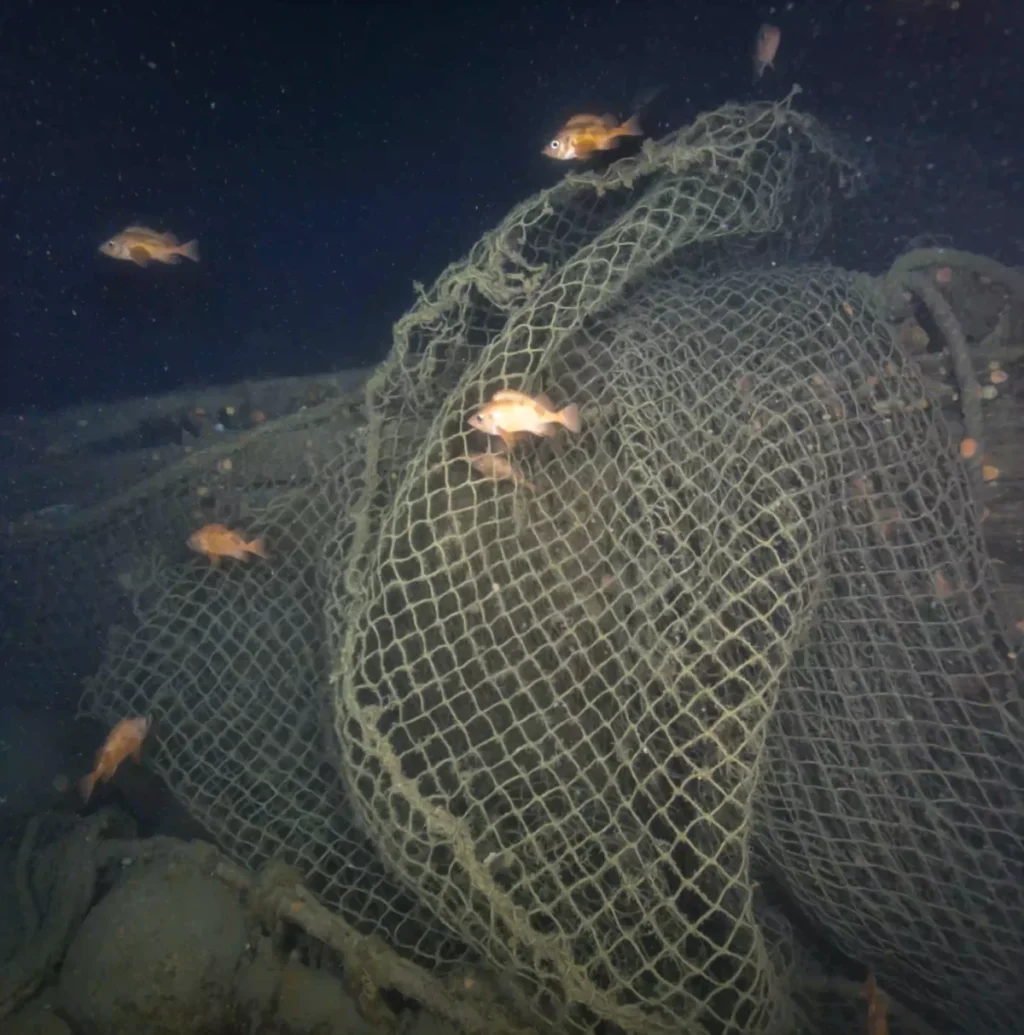
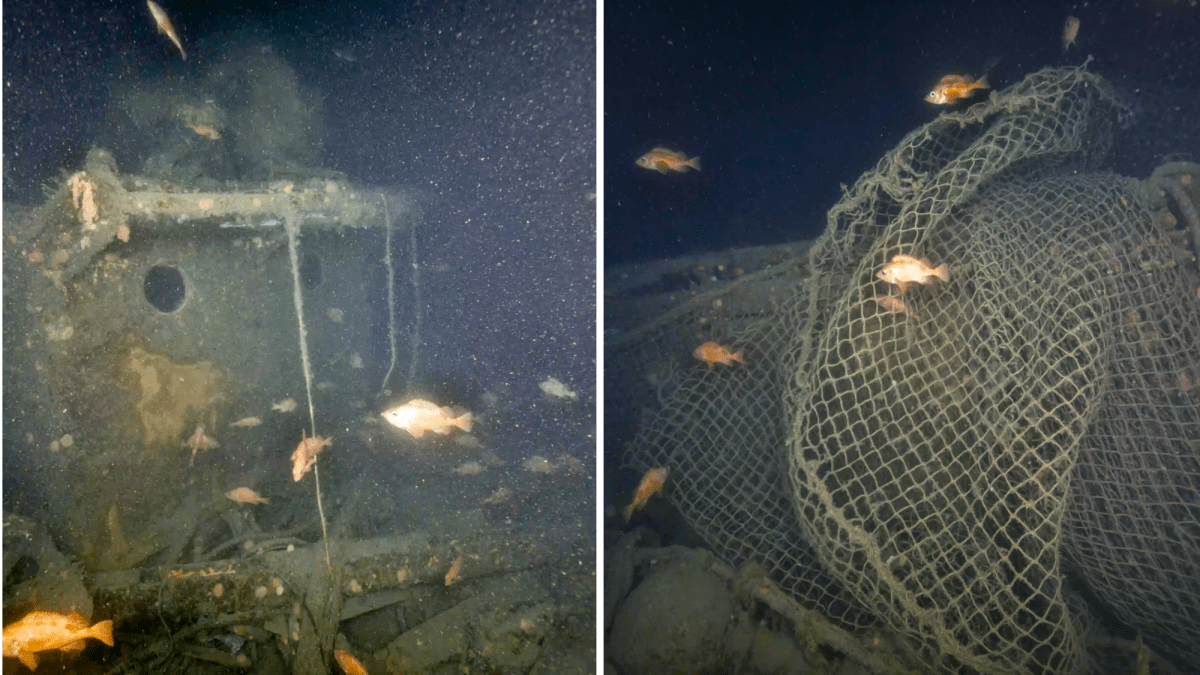
The images, captured by sophisticated remotely operated vehicles (ROVs), including the iconic Deep Submergence Vehicle (DSV) Alvin—the same submersible famous for its role in exploring the wreckage of the Titanic—reveal a ship transformed by time and nature. While the Quest’s main mast was severed during its descent to the seafloor, much of the hull, the bow, and several distinct portholes remain remarkably intact. However, the discovery has also highlighted a modern environmental crisis: the wreckage is heavily draped in "ghost gear," or abandoned fishing nets, which both obscure the historical site and pose a threat to the local marine ecosystem.
The Historical Significance of the Quest
To understand the weight of this discovery, one must look back to the early 20th century and the indomitable spirit of Sir Ernest Shackleton. After the miraculous survival of his crew following the crushing of the Endurance in 1915, Shackleton’s thirst for exploration remained unquenched. In 1921, he organized the Shackleton-Rowett Expedition, intended to circumnavigate the Antarctic continent and map several sub-Antarctic islands. For this mission, he acquired the Quest, a 125-ton, 111-foot-long sealer ship built in Norway in 1917.
The expedition, however, was struck by tragedy early on. On January 5, 1922, while the Quest was anchored at Grytviken, South Georgia, Shackleton suffered a fatal heart attack at the age of 47. His death marked the symbolic end of an era of exploration defined by wooden ships and human endurance against the elements. Following Shackleton’s death, the Quest continued its mission under the command of Frank Wild before eventually being sold back to a Norwegian family.
For the next 40 years, the Quest lived a second life as a working vessel. It was utilized for sealing expeditions, scientific research, and even served during World War II as a minesweeper and cargo carrier. Its long career finally ended on May 5, 1962, when it was nipped by ice floes in the Labrador Sea, north of St. Anthony, Newfoundland. The crew evacuated safely before the vessel disappeared beneath the waves, where it remained lost for 62 years.
Chronology of the Discovery and 2024 Expedition
The journey to relocate the Quest began in earnest in early 2024. The RCGS Shackleton Quest Expedition, led by John Geiger, utilized advanced sonar technology to scan the seabed in the area where the ship was last reported. On June 9, 2024, the team announced they had successfully located a "shadow" on the seafloor that matched the dimensions and profile of the Quest.
Following the initial discovery, a follow-up mission was organized to conduct a visual survey. This phase of the project involved a high-level partnership with the Woods Hole Oceanographic Institution and the use of the DSV Alvin and the Falcon ROV. The timeline of the 2024 mission highlights the precision required for such an undertaking:

- January–May 2024: Extensive archival research and data modeling to narrow the search grid in the Labrador Sea.
- June 2024: Initial sonar sweeps identify a high-probability target at a depth of 1,280 feet.
- July 2024: The arrival of the research vessel carrying the DSV Alvin and ROV teams.
- August 2024: Successful deployment of ROVs and the capture of the first high-definition images and photogrammetry data.
- Late August 2024: Public release of the images and the commencement of 3D digital reconstruction.
Technical Specifications and Visual Findings
The visual data returned from the depths has provided researchers with a wealth of information regarding the ship’s current state. John Geiger, CEO of the RCGS and the expedition leader, described the moment the ROV lights first hit the wreck as "incredible," noting that the bow emerged from the darkness with startling clarity.
Key observations from the imagery include:
- Structural Integrity: The hull remains largely upright on the seafloor. The stout construction required for sealing in ice-choked waters likely contributed to the ship’s ability to withstand the pressure of the deep.
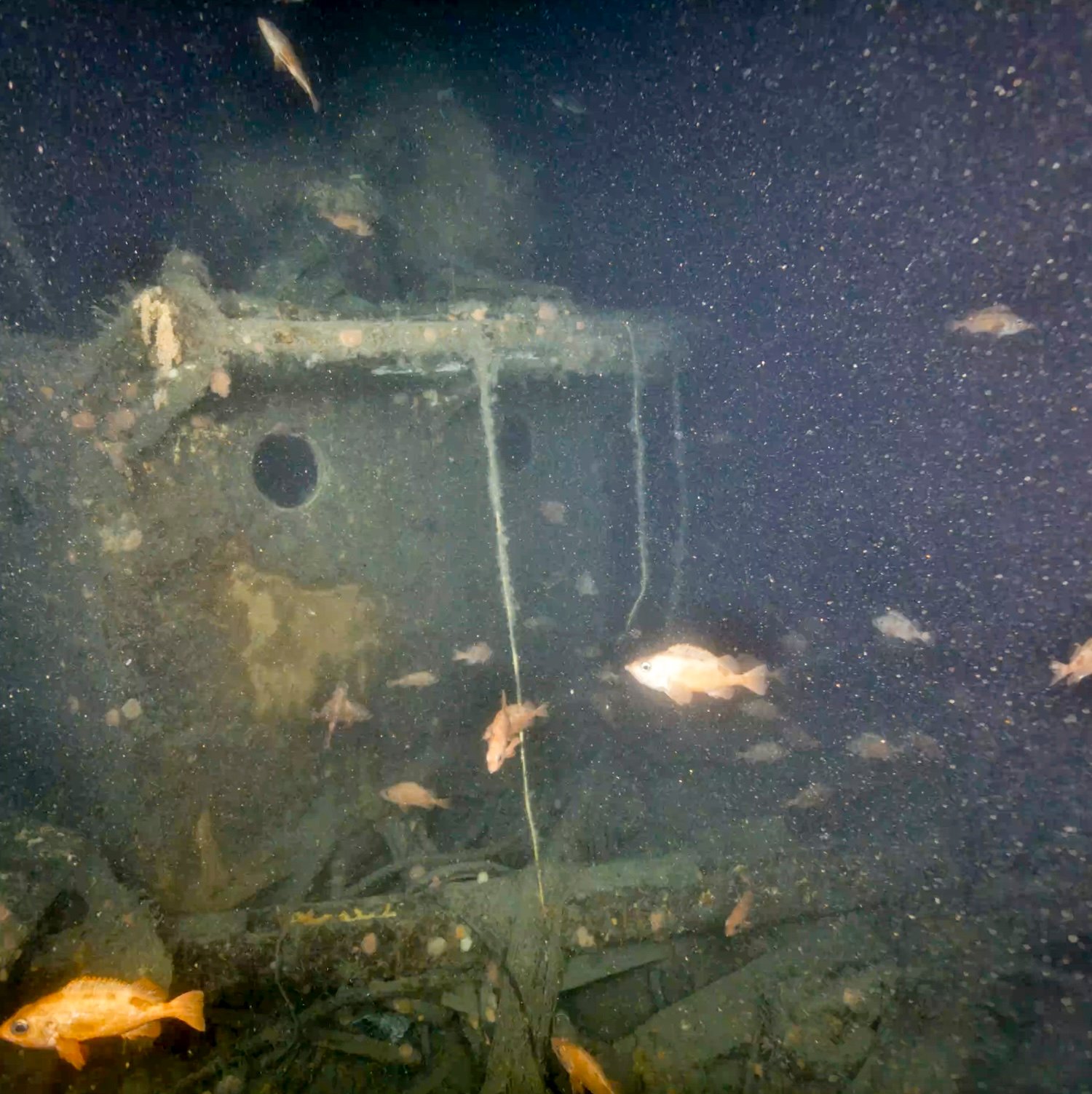
- Identification Markers: The portholes visible on the hull are identical in placement and design to those seen in historical photographs of the Quest from the 1920s and 1930s, providing definitive proof of the ship’s identity.
- Environmental Colonization: The wreck has become a thriving artificial reef. Pink corals have attached themselves to the wooden and metal structures, while species such as cod, wolf fish, and red fish have been observed darting in and out of the wreckage.
Despite the preservation of the hull, the damage caused by the sinking and subsequent decades underwater is evident. The most striking damage is the loss of the main mast, which likely snapped as the ship was pulled down by the weight of the water or upon impact with the seabed.
The Threat of Ghost Gear and Maritime Pollution
While the expedition was a triumph for archaeology, it also served as a somber reminder of the impact of human activity on the world’s most remote oceans. A significant portion of the Quest is currently entangled in abandoned fishing nets. These "ghost nets" are a major source of marine pollution, continuing to "fish" long after they have been lost or discarded by commercial vessels.
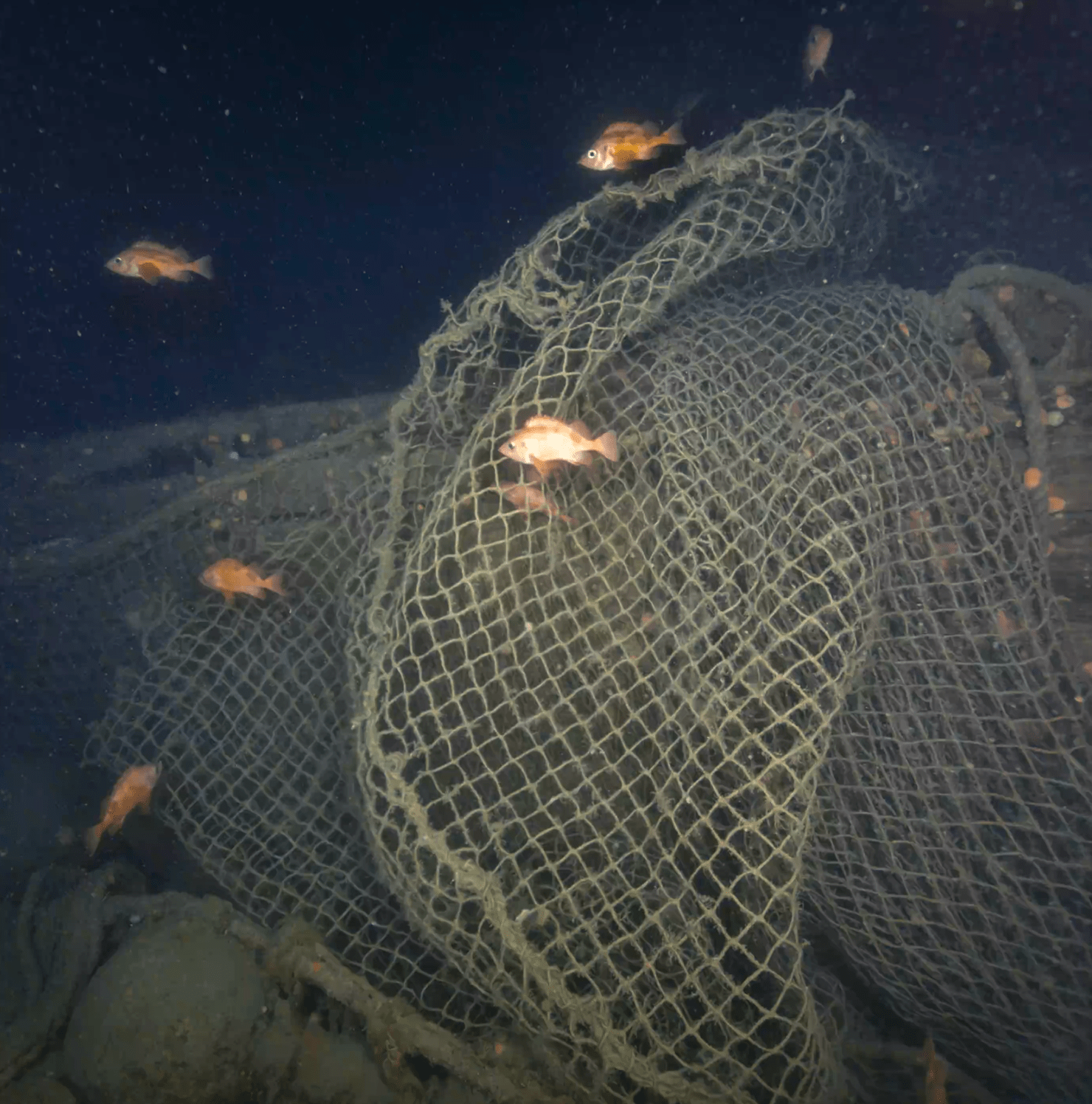
"The nets are a sad story," Geiger remarked during the unveiling of the images. He emphasized that the entanglement not only limits the ability of researchers to survey the entire wreck but also serves as a call to action regarding ocean stewardship. The presence of these nets on a site of such historical importance underscores the pervasive nature of plastic and nylon pollution in the North Atlantic.
Advancements in Deep-Sea Archaeology
The documentation of the Quest has utilized cutting-edge underwater photogrammetry. This process involves taking thousands of high-resolution overlapping photographs and stitching them together using specialized software to create a highly accurate 3D digital model.
Dwight Coleman, co-chief scientist from WHOI, noted that this technology has revolutionized the field of maritime history. "This type of 3D modeling has only existed in ocean science for the last couple of years," Coleman explained. By creating a "digital twin" of the Quest, historians and the public can explore the ship in a virtual environment without disturbing the physical site. This method is particularly valuable for wrecks like the Quest, where physical recovery is neither feasible nor ethically appropriate.
Official Responses and Future Objectives
The successful imaging of the Quest has garnered international attention, drawing praise from the scientific and historical communities. Representatives from the Royal Canadian Geographic Society have stated that the project is not just about finding a ship, but about honoring the legacy of those who dared to explore the unknown.
The data collected during this mission will be curated and shared with museums and educational institutions. There are currently no plans to salvage artifacts from the site, as the wreck is treated as a historical monument and a resting place that reflects the end of Shackleton’s career.
The expedition team has already turned its sights toward its next objective. The research vessel is currently moving northeast toward the coast of Greenland. Their goal is to locate and survey the Terra Nova, the ship used by Robert Falcon Scott during his ill-fated 1910–1913 expedition to the South Pole. The Terra Nova, like the Quest, eventually returned to commercial service and sank off the coast of Greenland in 1943.
By documenting these "bookends" of the Heroic Age, researchers hope to create a comprehensive digital archive of the vessels that defined a century of polar exploration. The discovery of the Quest serves as a bridge between the past and the present, reminding the world of the fragility of both our historical heritage and the marine environments that house them.