


The Community Eligibility Provision (CEP), a vital federal program enabling schools in high-poverty areas to offer free meals to all students, faces significant disruption due to potential legislative cuts to crucial safety net programs. A recent analysis by the Center for American Progress (CAP) warns that reductions in programs such as the Supplemental Nutrition Assistance Program (SNAP) and Medicaid could directly impact a school’s ability to qualify for and maintain CEP participation, thereby jeopardizing universal free school meal access for millions of vulnerable students.
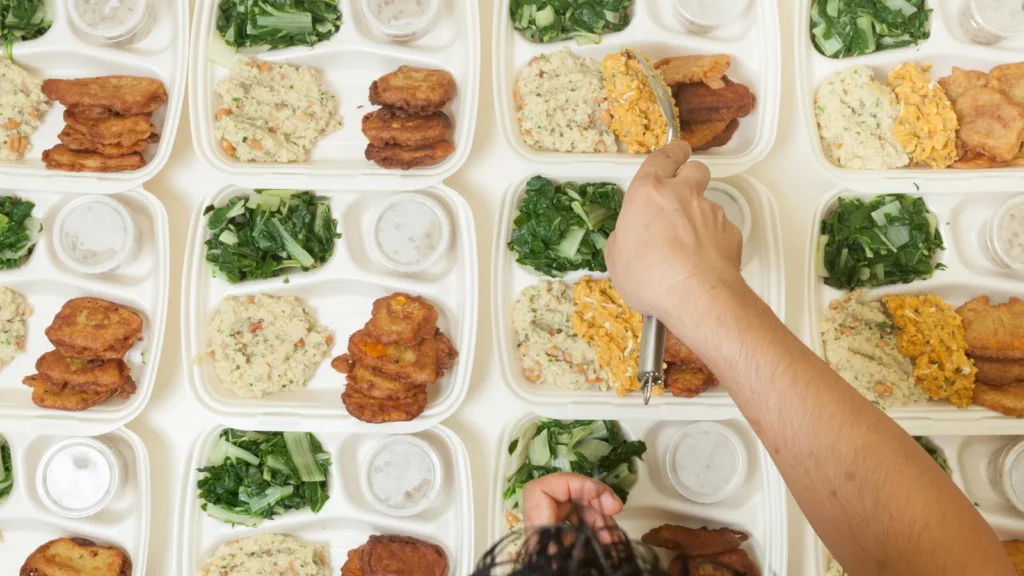
During the 2024-25 school year, the CEP program demonstrated its extensive reach, with over 49,000 public schools participating nationwide. This broad participation directly benefited approximately 25.1 million public school students, providing them with essential nutrition during the school day. On a larger scale, the CAP analysis revealed that a total of 33.9 million public school students, through either individual eligibility or their school’s CEP status, qualified for free or reduced-price meals during the same academic period. This figure underscores the critical role CEP plays in addressing food insecurity among students from low-income households.
The mechanics of CEP eligibility hinge on a school’s, group of schools’, or district’s ability to demonstrate a high level of poverty within its student population. Specifically, a school can qualify for CEP if at least 25% of its students are identified as directly certified. Direct certification is a streamlined process that identifies students eligible for free or reduced-price meals based on their family’s participation in other federal assistance programs. These programs include SNAP, the Food Distribution Program on Indian Reservations, Temporary Assistance for Needy Families (TANF), programs funded under the Runaway and Homeless Youth Act, Head Start, and Medicaid.
The interconnectedness of these programs is a key concern highlighted by the CAP report. In fiscal year 2023, the U.S. Department of Agriculture’s Economic Research Service reported that 28% of SNAP recipients were school-aged children. This statistic illustrates the significant overlap between families relying on SNAP for food security and those with children attending public schools. If legislative actions lead to a reduction in SNAP benefits or stricter eligibility requirements, families may lose access to this critical support system.
The direct consequence of families losing SNAP benefits, or becoming ineligible for Medicaid, is a potential loss of direct certification for their children. This loss directly affects a school’s ability to meet the 25% direct certification threshold required for CEP participation. If a school or district falls below this threshold, it forfeits its eligibility for the Community Eligibility Provision, meaning it can no longer provide free meals to all its students. This could force schools to revert to the traditional system of individual applications for free and reduced-price meals, a process that is often cumbersome, stigmatizing, and results in a significant number of eligible children not receiving the meals they need.
The implications of such a loss are substantial and far-reaching. The CAP analysis projects that families who lose access to universal free school meals could face significant financial burdens. For instance, a family with two children enrolled in public school could incur an additional annual expense of approximately $1,890 for school-provided breakfasts and lunches. This cost escalates to an estimated $2,214 per year if families are forced to pack lunches from home. These figures represent a substantial portion of household income for families already struggling to make ends meet, potentially forcing difficult choices between nutrition and other essential needs.
Mimla Wardak, a research associate for Economic Policy at the Center for American Progress and co-author of the report, emphasized the direct link between these policy decisions and student well-being. "When a family loses their SNAP benefits, it can also mean their kids lose access to free school meals," Wardak stated in a July 7 statement. "And when a student has to skip meals at school, they face steeper barriers to learning. These cuts directly threaten American children’s well-being and their futures." Her statement underscores the human impact of these legislative proposals, connecting food security directly to educational attainment and long-term life outcomes.

The concerns raised by the Center for American Progress are echoed by other organizations working on child nutrition and poverty alleviation. A report released in May by the Food Research & Action Center (FRAC) indicated that a staggering 74% of school districts expressed significant concerns about the potential impact of federal budget cuts to SNAP and Medicaid on their school meal programs. This widespread apprehension among school administrators highlights the systemic nature of the challenge and the shared understanding of the vital role these programs play in supporting student success.
The political and legislative landscape surrounding these safety net programs has been complex. The Trump administration, in a White House fact sheet published previously, asserted that the proposed changes would "protect and strengthen SNAP," framing the legislation as a means to preserve the federal food assistance program "for the truly needy." This perspective often emphasizes the temporary nature of SNAP and points to high fraud rates within the program. The administration also highlighted that a significant portion of able-bodied adults without dependents relying on SNAP did not have an income, suggesting a need for reform to ensure resources are directed towards those most in need. However, critics argue that such rhetoric overlooks the broader societal benefits of robust safety nets and the complex realities faced by many families struggling with poverty and unemployment.
The potential erosion of universal free school meals through the weakening of CEP eligibility has broader implications beyond immediate hunger. Studies consistently show a strong correlation between adequate nutrition and improved academic performance. Children who are well-nourished are more likely to concentrate in class, have better cognitive function, and experience fewer behavioral issues. Conversely, hunger and food insecurity can lead to chronic health problems, developmental delays, and a diminished capacity for learning, creating a cycle of disadvantage that can persist throughout life.
Furthermore, the administrative burden and potential stigma associated with a return to individual meal applications could deter many eligible families from participating. The complex application process, coupled with the fear of judgment or discrimination, often prevents children from receiving the free or reduced-price meals they are entitled to. CEP, by eliminating the need for individual applications and universalizing access, effectively removes these barriers and ensures that all students, regardless of their family’s economic circumstances, can access nutritious meals at school.

The timeline of these potential cuts is also a critical factor. Discussions and proposals regarding federal budget allocations and changes to social safety net programs are ongoing, with significant legislative decisions often made in response to economic conditions and political priorities. The 2024-25 school year, which saw widespread CEP participation, serves as a baseline against which the impact of any future cuts will be measured. Any legislative changes enacted in the coming months or years could have a profound and immediate effect on the 2025-26 school year and beyond, impacting millions of students and their families.
The analysis from the Center for American Progress serves as a critical alert, urging policymakers to consider the cascading effects of proposed legislative actions on one of the nation’s most effective tools for combating child hunger and supporting educational equity. The report underscores the need for a comprehensive approach that recognizes the interconnectedness of federal nutrition programs and their profound impact on the well-being and future prospects of America’s children. As budget negotiations and legislative debates continue, the future of universal free school meals hangs in the balance, with the potential for significant setbacks for millions of students across the country. The debate over fiscal responsibility must be balanced with a commitment to ensuring that the most vulnerable members of society, particularly children, are not left behind.