

Apple has officially announced the next generation of its virtual assistant, rebranded as Siri AI, marking the most significant overhaul of the service since its debut in 2011. Scheduled for a phased rollout beginning in late 2026, the updated assistant aims to close the functional gap between Apple’s ecosystem and rival generative AI platforms such as Google Gemini and OpenAI’s ChatGPT. The move signals a strategic shift for the Cupertino-based tech giant, which first introduced the "Apple Intelligence" framework in 2024 but has spent the subsequent two years refining the underlying architecture to support true multimodal and contextual processing.
The new Siri AI will be integrated into the upcoming public beta versions of iOS 27, iPadOS 27, and macOS 27, the latter of which is codenamed "Golden Gate." According to technical briefings, the system leverages a hybrid processing model that utilizes both on-device computation for privacy-sensitive tasks and cloud-based resources for more complex queries. Notably, Apple has reportedly sought assistance from Google to bolster its backend infrastructure and search integration, ensuring that Siri AI can provide real-time, accurate information across a broader spectrum of topics than its predecessor.
The Evolution of Siri: A Chronological Context
The journey to Siri AI began in earnest at the 2024 Worldwide Developers Conference (WWDC), where Apple introduced Apple Intelligence. While that initial launch provided basic writing tools and notification summaries, it was criticized by some industry analysts for lacking the conversational fluidity of its competitors. Over the 2025 calendar year, Apple focused on expanding its "App Intents" framework, allowing the assistant to perform more granular actions within third-party applications.
By early 2026, internal testing of Siri 2.0—now branded Siri AI—showed a marked improvement in linguistic nuance and cross-device synchronization. For the first time, Siri AI will exist as a standalone application in addition to its traditional overlay interface. This allows users to maintain persistent chat histories that sync across iPhones, iPads, and Macs, effectively turning the assistant into a comprehensive personal knowledge base.
Technical Specifications and Hardware Requirements
The leap in capabilities comes with a substantial increase in hardware demands. Apple has confirmed that the most advanced features of Siri AI—including custom "expressivity" settings and high-speed local processing—will be restricted to the latest generation of silicon.
The hardware compatibility list for the full Siri AI suite includes:
- Smartphones: iPhone 17 Pro, iPhone 17 Pro Max, and the newly announced iPhone Air.
- Tablets: iPad models equipped with the M4 chip or later, provided they have a minimum of 12GB of Unified Memory (RAM).
- Computers: Mac models featuring the M3 chip or later, also requiring a minimum of 12GB of RAM.
Industry experts note that the 12GB RAM requirement is a direct response to the memory-intensive nature of Large Language Models (LLMs). Older devices with 8GB of RAM may receive a "lite" version of the assistant, but they will lack the ability to handle the most complex on-device generative tasks.
Enhanced Intelligence and Contextual Awareness
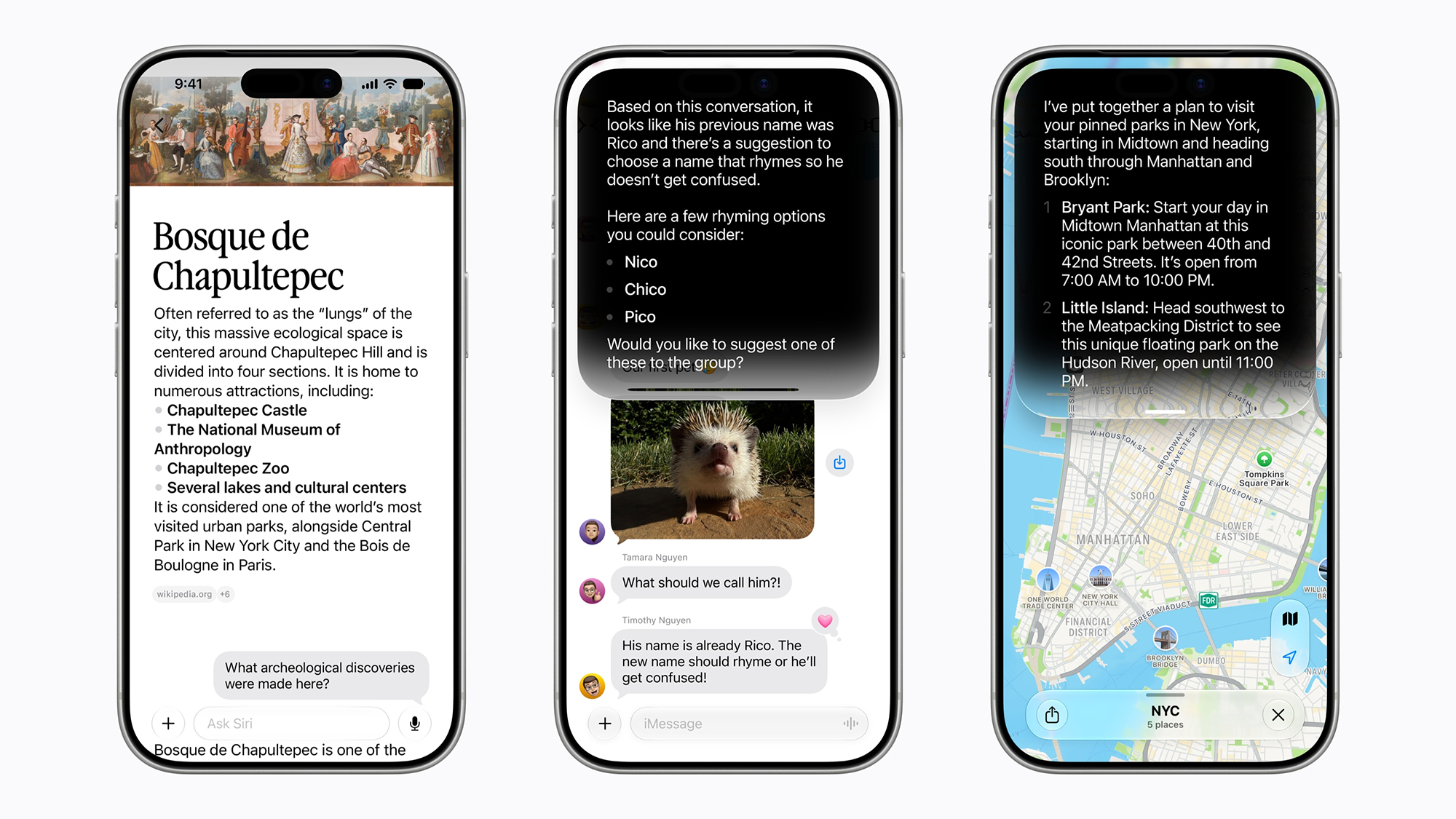
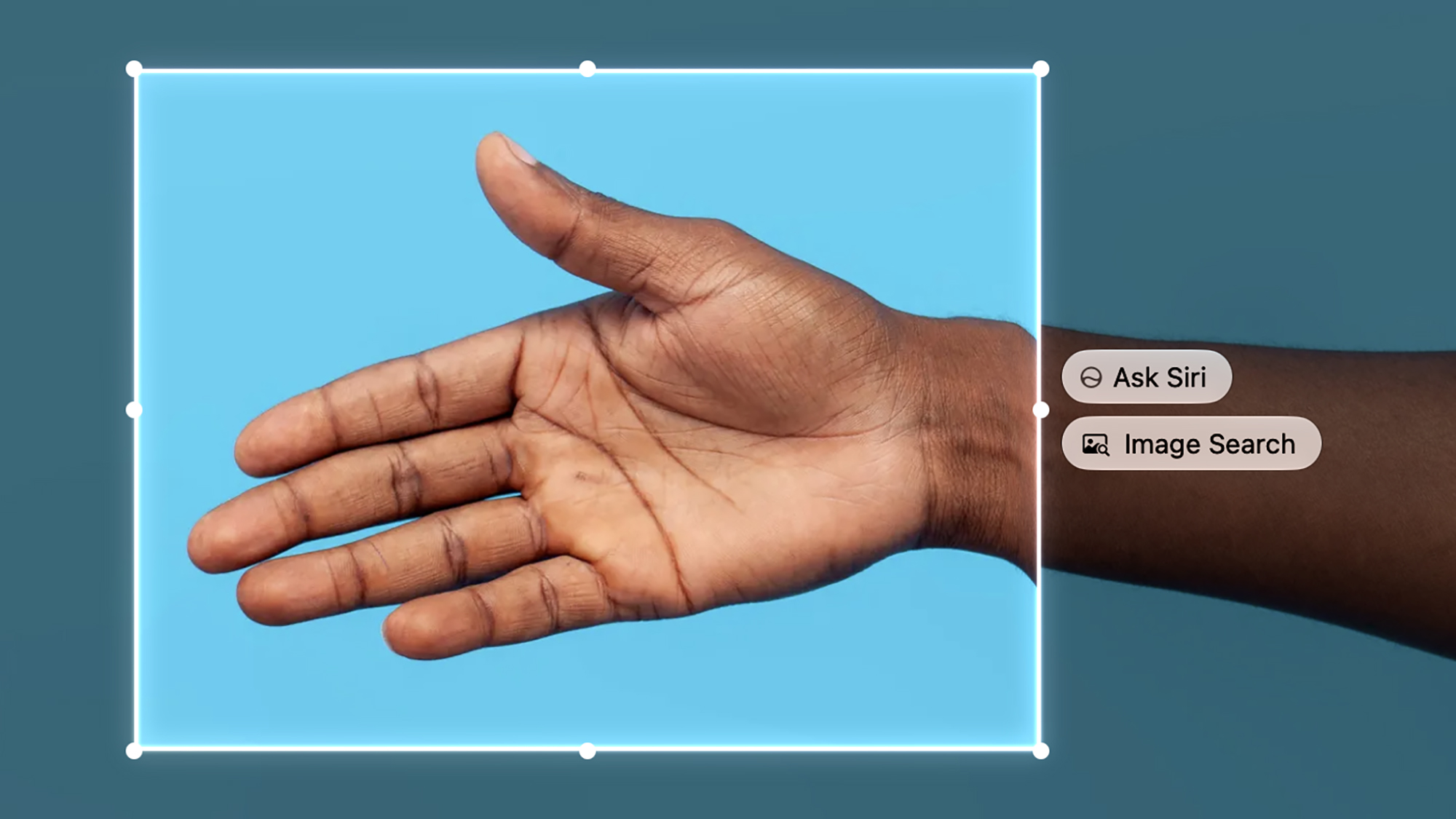
The primary differentiator for Siri AI is its "on-screen awareness" and "personal context" capabilities. Unlike previous iterations that functioned as isolated command-and-control interfaces, Siri AI can now perceive what a user is viewing in real-time.
For instance, if a user is viewing a photograph of a landmark, they can invoke Siri and ask, "Where was this taken?" without providing further details. The assistant uses computer vision to identify the location and can follow up with suggestions for nearby restaurants or historical facts. Similarly, the assistant can now navigate deep into personal data silos. If a user asks, "When does my flight land?" Siri AI can scan emails, calendar invites, and real-time flight tracking data to provide a synthesized answer.
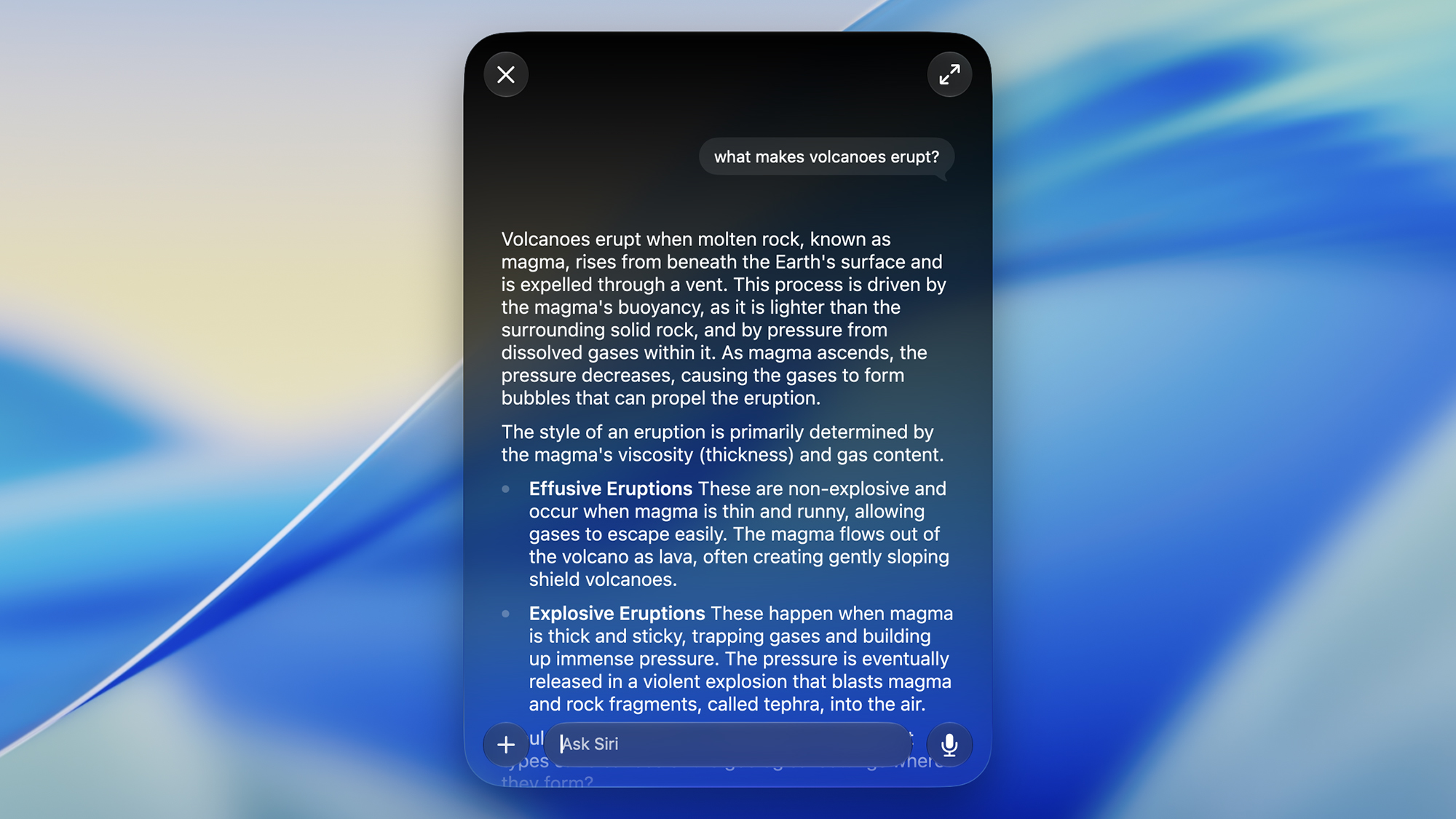
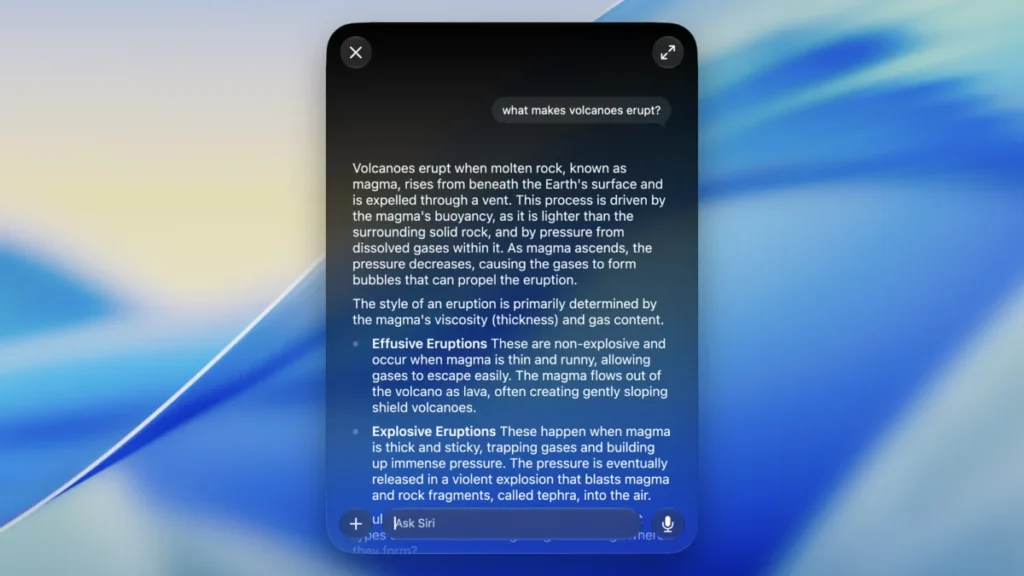
The assistant’s knowledge base has also been expanded. Users can query Siri AI for complex explanations—such as the mechanics of CRISPR gene editing—or request creative brainstorming for events. Apple has integrated a more robust reasoning engine that allows the assistant to handle multi-step instructions, such as "Find the email from the landlord, summarize the complaints, and draft a professional response."
Integration and User Interface Changes
Apple is diversifying how users interact with Siri AI. While the "Hey Siri" voice command remains a staple, the assistant is now more deeply embedded into the operating system’s visual elements:
- iPhone: Siri AI is now a core component of the Dynamic Island, providing visual feedback and status updates without obscuring the main screen.
- iPad and Mac: The assistant is integrated into Spotlight and the macOS menu bar, allowing for seamless transitions between typing and speaking.
- The Siri App: A dedicated application will store all interactions, allowing users to categorize conversations, delete history for privacy, or resume a task started on a different device.
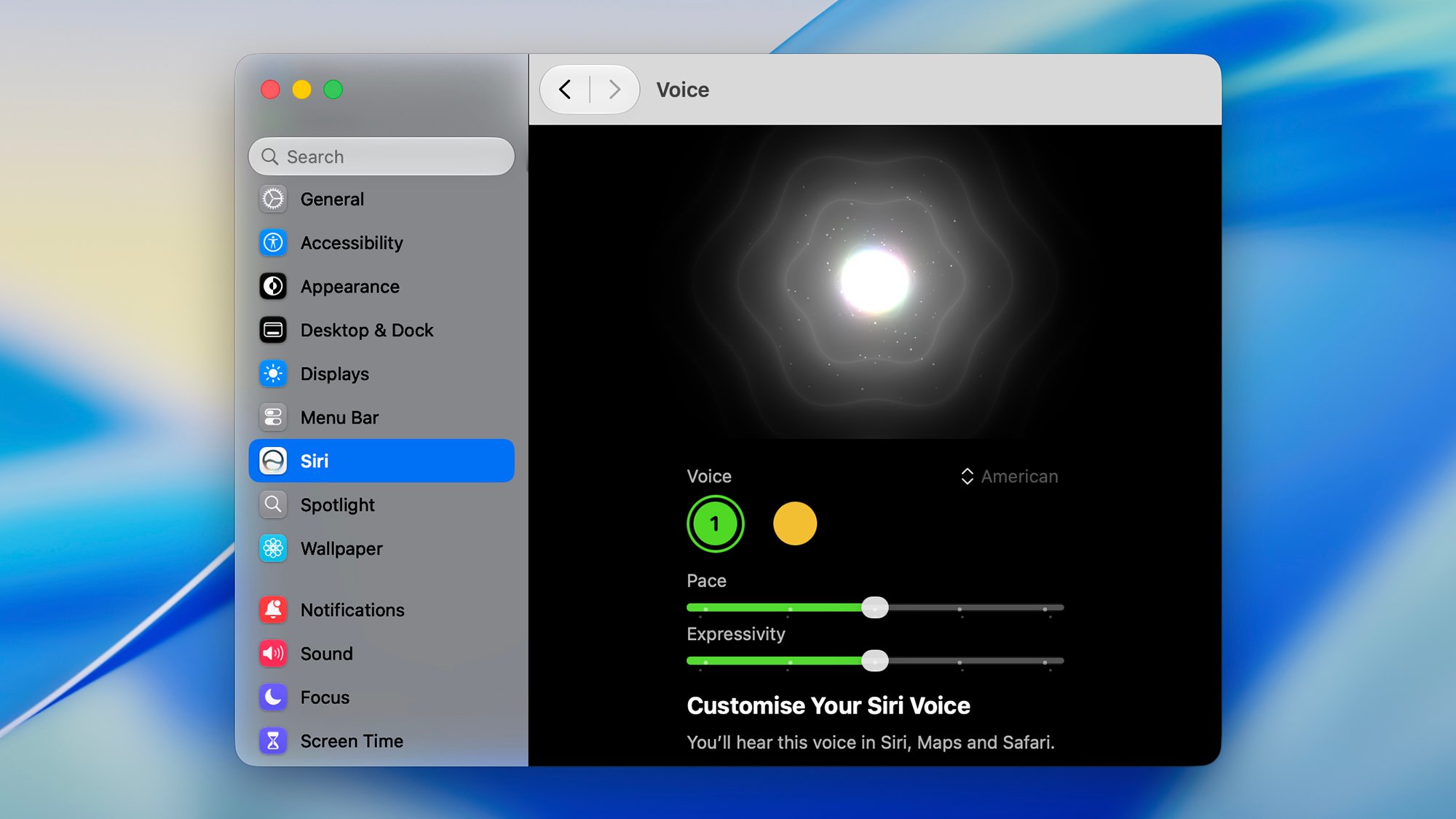
Customization is another focal point. Users on supported hardware can adjust the "expressivity" of the assistant, choosing between various vocal styles and adjusting the pace of speech. This is intended to make the interaction feel more natural and less robotic, a common complaint regarding earlier voice assistants.
Strategic Partnership with Google
The inclusion of Google’s technology in the Siri AI ecosystem marks a pivotal moment in the "AI arms race." While Apple has historically championed a closed ecosystem, the complexity of modern generative AI necessitates massive data sets and search capabilities that Google has spent decades perfecting.
Analysts suggest this partnership is mutually beneficial. Apple gains access to world-class search and information retrieval, while Google secures its position as the default search provider within the Apple ecosystem during the transition to AI-first interfaces. This collaboration reportedly focuses on "World Knowledge" queries—questions about facts, news, and external data—while Apple’s proprietary models handle personal context and on-device actions.
Privacy and Security Implications
Despite the increased reliance on cloud-based intelligence, Apple maintains that privacy remains the cornerstone of its AI strategy. Siri AI utilizes "Private Cloud Compute," a server side architecture that Apple claims ensures user data is never stored or accessible to the company.
When a query is too complex for on-device processing, it is sent to an Apple-silicon-powered server. The data is encrypted, processed, and then immediately discarded. Independent security researchers will reportedly be given access to verify the privacy claims of the Private Cloud Compute nodes, a move intended to build consumer trust as AI becomes more invasive in daily life.
Broader Impact and Market Analysis
The release of Siri AI is expected to trigger a significant hardware upgrade cycle. With the 12GB RAM requirement effectively "obsoleting" many devices sold as recently as 2024, Apple is positioning Siri AI as the primary incentive for consumers to move to the iPhone 17 and M4-based Macs.
Market analysts at firms like Wedbush Securities have noted that Apple’s delayed but methodical approach to AI could pay off. "Apple is not interested in being the first to market with a chatbot; they are interested in being the first to integrate AI into the fabric of a person’s digital life," a recent analyst note stated. "By waiting until 2026 to launch the full Siri AI, they are ensuring the hardware is capable of supporting a premium experience that doesn’t rely on the ‘hallucinations’ common in earlier AI models."
Furthermore, the improvements to the Image Playground app—now capable of photorealistic generation and granular editing—suggest that Apple is also targeting the creative professional market, competing directly with Adobe’s Firefly and Midjourney.
Conclusion and Future Outlook
As the public beta for iOS 27 approaches, the tech industry will be watching closely to see if Siri AI can live up to the high expectations set by Apple’s marketing. The transition from a simple voice-activated timer to a proactive, context-aware digital companion represents a fundamental change in how users will interact with technology.
With its enhanced intelligence, deep app integration, and a controversial but powerful partnership with Google, Siri AI is Apple’s definitive answer to the generative AI revolution. Whether this will be enough to reclaim the lead from Google and OpenAI remains to be seen, but for millions of Apple users, the assistant they have known for 15 years is about to become unrecognizable—and significantly more capable.