


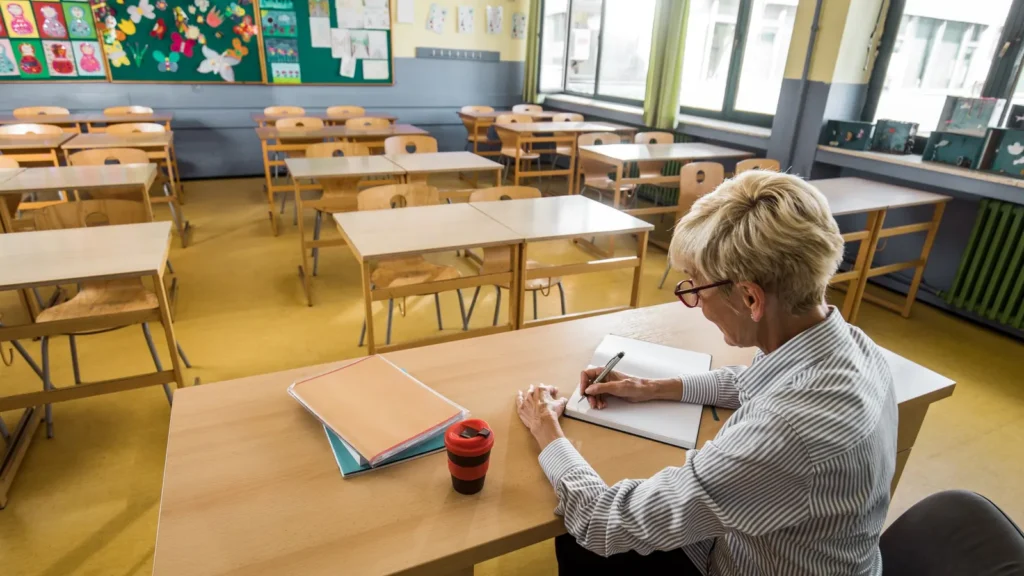
A significant shift is underway in American education, with an increasing number of students with disabilities spending a larger portion of their school day in general education classrooms. Data released by the U.S. Government Accountability Office (GAO) on July 2, 2026, reveals that between the 2012-13 and 2023-24 school years, 42 states and the District of Columbia saw an increase in students with disabilities learning in general education settings for the majority of their academic time. This trend, particularly the rise in students spending at least 80% of their day alongside peers without disabilities, signals a national movement towards more inclusive educational practices, but also raises critical questions about the adequacy of support structures and resource allocation to ensure these students truly thrive.
Shifting Landscape of Special Education
The report from the GAO, a non-partisan agency that provides auditing, evaluation, and investigative services for the United States Congress, highlights a decade-long trend toward greater integration of students with disabilities within the mainstream educational environment. This movement aligns with the core principles of the Individuals with Disabilities Education Act (IDEA), which mandates that students with disabilities be educated to the maximum extent appropriate with their non-disabled peers. The observed increase suggests a growing commitment to this principle across the nation.
The data indicates that the most substantial growth occurred in the category of students spending 80% or more of their instructional time in general education classrooms. This represents a deliberate effort by many school districts to move away from more restrictive settings, such as separate special education classrooms or schools, towards a more inclusive model. Proponents of this approach argue that it offers several benefits, including improved academic and social outcomes for students with disabilities, increased peer interaction, and the fostering of a more diverse and accepting school community.
However, the report also implicitly points to the challenges inherent in such a significant systemic change. While the placement of students in general education classrooms is increasing, the effectiveness of this placement is contingent on a multitude of factors, including teacher training, availability of support staff, curriculum accessibility, and appropriate accommodations. The GAO report, while detailing the "what," prompts further investigation into the "how" and "why" of this educational evolution.
Chronic Absenteeism: A Lingering Pandemic Impact
Beyond the inclusion trends, the article also sheds light on a persistent challenge in K-12 education: chronic absenteeism. A study conducted by the Everyone Graduates Center at Johns Hopkins University, which analyzed data from 8,586 school districts, revealed that by the 2024-25 school year, only 13% of schools had successfully returned to their pre-pandemic chronic absenteeism levels. This figure underscores the profound and lasting impact of the COVID-19 pandemic on student attendance.
Chronic absenteeism, defined as missing 10% or more of school days for any reason, was a growing concern even before the pandemic. However, the widespread school closures and disruptions of 2020 and beyond exacerbated the problem significantly. The study’s findings suggest that while some districts have made progress in re-engaging students and addressing the root causes of absenteeism, a substantial majority are still struggling to overcome the pandemic’s effects. This has critical implications for student learning, academic achievement, and long-term educational outcomes. The difficulty in returning to pre-pandemic levels indicates that the factors contributing to absenteeism are complex and may have become more entrenched in the post-pandemic educational landscape. These factors can include socioeconomic challenges, mental health issues, transportation barriers, and a disconnect between students and their school communities.
State-Level Policy Developments and Federal Challenges
The article’s structure, as presented in the provided text, indicates a broader scope encompassing education policy across various levels. While specific details on state AI laws, federal policies, and Supreme Court rulings are not elaborated upon in the excerpt, these areas represent crucial components of the current educational discourse.

State AI Laws: The emergence of artificial intelligence (AI) in education presents both opportunities and challenges. States are beginning to grapple with the ethical, pedagogical, and equity implications of AI tools. This includes developing guidelines for the responsible use of AI in classrooms, addressing data privacy concerns, and ensuring that AI does not exacerbate existing educational disparities. The development of state AI laws signifies a proactive approach to integrating new technologies while attempting to mitigate potential risks. These laws will likely address issues such as student data collection and usage by AI platforms, the role of AI in assessment and grading, and the training of educators on AI literacy.
Federal Policies: Federal education policies, often guided by legislation like the Every Student Succeeds Act (ESSA), play a significant role in shaping educational practices nationwide. Challenges at the federal level can arise from funding disparities, differing interpretations of federal mandates, and the complexities of national education initiatives. The mention of "Federal policies present challenges" suggests that the current federal landscape may be creating obstacles or complexities for states and districts in implementing effective educational strategies. This could relate to the implementation of federal grant programs, accountability measures, or national educational priorities that may not align perfectly with diverse local needs.
Supreme Court Rulings: The Supreme Court’s decisions can have a profound impact on education, particularly concerning issues of equity, student rights, and the separation of church and state in schools. Any recent rulings, even if not detailed in the provided excerpt, would be crucial context for understanding the current legal and policy environment within which schools operate. For example, past Supreme Court decisions have shaped policies on school desegregation, student speech, and the use of public funds for religious schools, all of which continue to influence contemporary educational debates.
Implications and Future Directions
The convergence of these trends – the increased inclusion of students with disabilities, the persistent challenge of chronic absenteeism, and the evolving landscape of state and federal policies – paints a complex picture of the K-12 education system in mid-2026.

The move towards greater inclusion of students with disabilities is a positive step toward equitable education, but its success hinges on robust support systems. This includes:
- Professional Development: Investing in comprehensive and ongoing training for general education teachers to equip them with the skills and strategies to effectively support students with diverse learning needs.
- Resource Allocation: Ensuring that schools have adequate funding for specialized support staff, such as special education teachers, paraprofessionals, school psychologists, and speech-language pathologists.
- Differentiated Instruction: Promoting pedagogical approaches that allow for flexible and individualized instruction to meet the unique needs of all learners within a general education setting.
- Collaboration: Fostering strong partnerships between general education teachers, special education teachers, parents, and support personnel to create a cohesive support network for each student.
Addressing chronic absenteeism requires a multi-faceted approach that moves beyond punitive measures. Strategies that have shown promise include:
- Early Warning Systems: Implementing systems to identify students at risk of chronic absenteeism and intervening proactively.
- Family and Community Engagement: Building strong relationships with families and community organizations to address barriers to attendance, such as transportation, healthcare, and housing insecurity.
- Mentoring and Support Programs: Providing students with academic and emotional support through mentoring, tutoring, and counseling services.
- Creating Engaging Learning Environments: Fostering a positive and welcoming school climate where students feel connected and motivated to attend.
The ongoing development of state AI laws and the navigation of federal policies indicate a dynamic regulatory environment. Schools and districts must remain adaptable, ensuring compliance with new regulations while leveraging emerging technologies and federal guidance to improve educational outcomes for all students. The Supreme Court’s influence, though not detailed here, serves as a constant reminder of the legal framework that underpins educational practices.
In conclusion, the educational landscape in mid-2026 is characterized by significant efforts towards greater inclusivity and a persistent struggle to overcome the lingering effects of the pandemic. The increasing integration of students with disabilities into general education classrooms is a testament to evolving educational philosophies, but it demands a commensurate investment in the resources and professional development necessary for its success. Simultaneously, the ongoing battle against chronic absenteeism highlights the deep-seated challenges that continue to impact student engagement and learning. As policymakers and educators navigate these complex issues, a commitment to data-driven decision-making, equitable resource distribution, and a focus on the holistic needs of every student will be paramount in shaping a more effective and inclusive future for K-12 education.