


The seasonal transition into the peak of the American summer has prompted Recreational Equipment, Inc. (REI) to launch one of its most aggressive pricing events of the fiscal year. The current 4th of July Outlet Sale, which is scheduled to conclude on July 2, features price reductions of up to 60 percent across a vast inventory of technical hardware and outdoor apparel. This event serves as a strategic clearing of seasonal stock and previous-year models, allowing the specialty retailer to manage inventory levels ahead of the autumn transition while providing significant value to a consumer base increasingly focused on cost-effective ways to access the outdoors.
Strategic Context of the Mid-Summer Sale Cycle
The timing of the REI Outlet sale is no coincidence. Traditionally, the weeks leading up to the Independence Day holiday represent the highest period of outdoor recreation participation in the United States. According to data from the Outdoor Industry Association (OIA), over 160 million Americans participate in outdoor activities annually, with a significant spike in camping, hiking, and water sports during the summer months. By positioning deep discounts during this window, retailers like REI capitalize on the "holiday rush" while simultaneously offloading inventory that might otherwise require storage through the winter months.
Retail analysts observe that the outdoor industry is currently navigating a period of stabilization following the unprecedented "pandemic boom" of 2020–2022. During that era, supply chain disruptions led to scarcity; today, the market faces a surplus of high-quality gear. The 4th of July Outlet Sale reflects this shift, as premium brands such as Osprey, Gregory, Smith, and Big Agnes see substantial markdowns. This pricing strategy is designed to attract "value-conscious enthusiasts"—consumers who require technical performance but are waiting for significant price drops before upgrading their kits.
Technical Analysis of Featured Hardware and Equipment
The sale encompasses several critical categories for outdoor enthusiasts, with technical packs and camping shelters receiving the most substantial price cuts.
Advanced Load-Carrying Systems
A standout in the current inventory is the Osprey Transporter Roll-Top Pack, which has seen a price reduction of 57 percent, dropping from $165.00 to $69.73. This specific model highlights a trend in the industry toward "hybridization"—gear that functions effectively in both urban and wilderness environments. Constructed from recycled fabrics with a weather-resistant TPU coating, the Transporter serves as a durable commuter bag and a light trail pack.
Similarly, the Gregory Arrio 18 Pack, discounted by 45 percent to $48.73, addresses the growing demand for ventilated daypacks. The use of suspended mesh back panels—once a premium feature reserved for expensive multi-day packs—has moved into the budget-friendly day-hike category. Market data suggests that entry-level hikers are increasingly prioritizing comfort and moisture management, making these discounted technical packs high-velocity items during sale events.
Sustainability and the "Endless Promise" Initiative
The sale also features items from NEMO’s "Endless Promise" line, specifically the Resolve 15 L Active Pack, priced at $94.73 (originally $159.95). This highlights a broader industry movement toward the circular economy. NEMO’s initiative ensures that products are designed for 100 percent recyclability or repairability. For consumers, the 40 percent discount on this technical fast-hiking pack represents an opportunity to invest in sustainable technology at a price point typically reserved for traditional, non-recyclable gear.
High-Capacity Camping Shelters
In the camping category, the Big Agnes Wyoming Trail 4 Tent represents one of the most significant monetary savings in the sale. Originally priced at $999.95, the tent is currently available for $398.73—a reduction of over $600. This four-person, freestanding shelter is engineered for car camping rather than backpacking, emphasizing headroom and storage space (vestibules) over weight savings. The steep markdown on such a high-ticket item suggests a strategic move by REI to clear large-format camping hardware that occupies significant warehouse volume.
Footwear and Apparel: Navigating the Challenges of Sizing
While hardware like tents and packs offers "one-size" accessibility, the footwear and apparel sections of the outlet sale present a different dynamic for consumers. Historical sales data indicates that footwear is often the first category to see "size thinning," where common sizes (Men’s 9–11, Women’s 7–9) sell out within the first 48 hours of a sale.
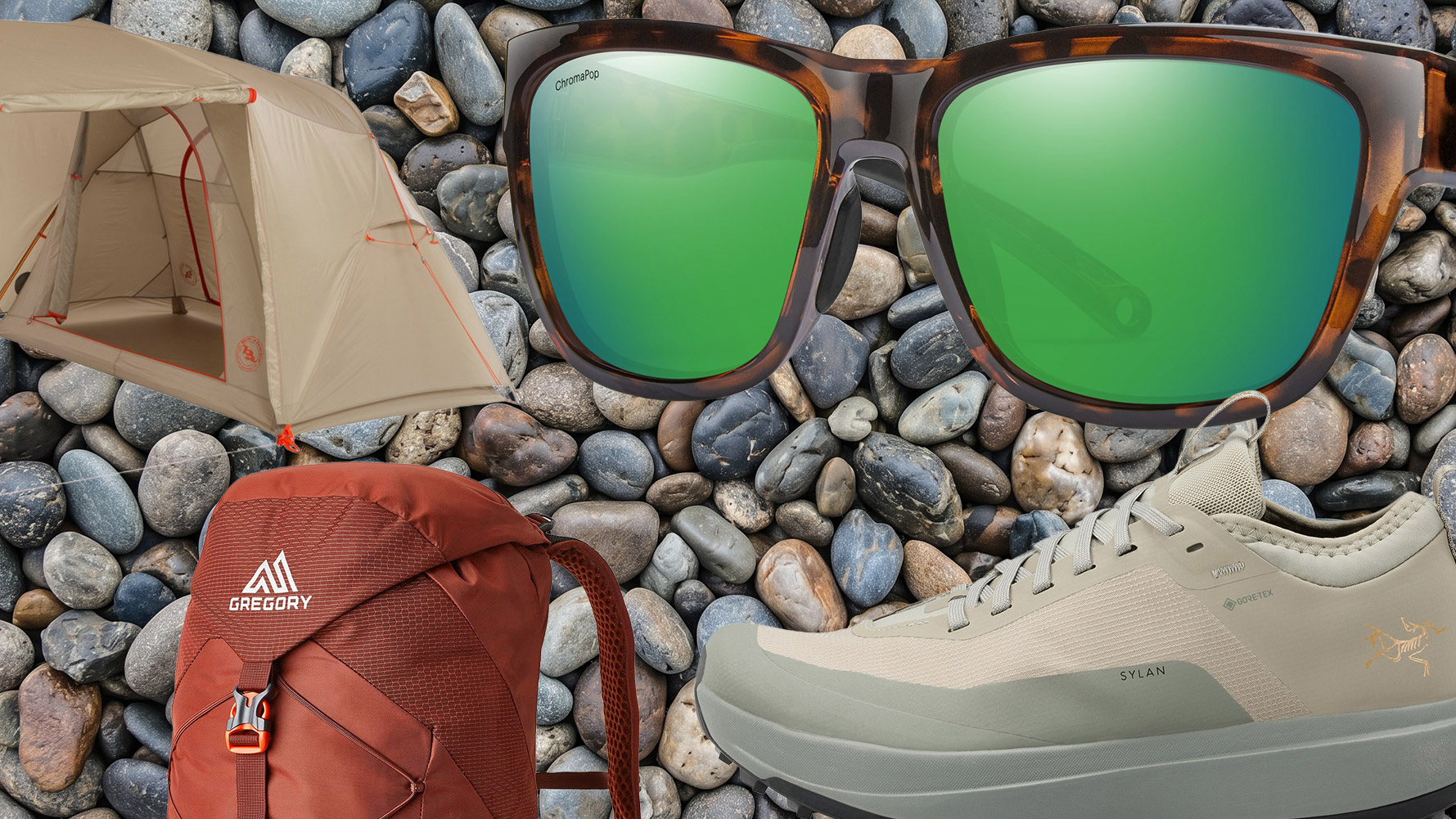
Despite these challenges, the current event includes high-performance options such as the Vasque St. Elias waterproof boots at a 67 percent discount and Arc’teryx Norvan trail runners. The presence of Arc’teryx in the outlet section is particularly notable, as the brand typically maintains high price floors and limited discount windows. The inclusion of premium trail runners at sub-$100 prices indicates a competitive push against other major retailers like Amazon and Backcountry during the summer holiday period.
Chronology of the Sale and Inventory Management
The 4th of July Outlet Sale follows a specific retail chronology designed to maximize consumer engagement:
- Early June: Internal inventory audits identify overstock from the spring season and "last-season" models from 2024–2025.
- Mid-June: Soft launch of outlet discounts to REI Co-op members, fostering brand loyalty.
- Late June: Full public launch of the "Handpicked Outlet Sale," coinciding with the lead-up to the 4th of July weekend.
- July 2: Conclusion of the sale event, followed by a transition to full-price late-summer and early-autumn collections.
This timeline allows REI to capture the maximum amount of holiday spending while ensuring that the physical and digital storefronts are refreshed before the "Back to School" and "Labor Day" shopping cycles begin in August.
Market Implications and Consumer Behavior
The broader implications of this sale extend beyond individual savings. Economic analysts point to several factors influencing the success of such events in the current fiscal climate:
The Experience Economy vs. Inflation
While inflation has impacted the cost of consumer goods, spending on "experiences"—including camping trips and outdoor adventures—remains resilient. By lowering the barrier to entry for high-quality gear, REI is positioning itself as an enabler of the experience economy. A consumer who saves $600 on a tent is more likely to spend those savings on National Park fees, fuel, and local hospitality, thereby stimulating the broader outdoor recreation economy.
Competitive Pressure from E-Commerce Giants
The timing of this sale also serves as a defensive maneuver against "Prime Day" events and other mid-summer blitzes from massive e-commerce platforms. By focusing on "handpicked" technical gear and expert-vetted brands, REI distinguishes itself from generalist retailers through a "curated value" proposition.
The Rise of "Gorpcore" and Lifestyle Integration
The presence of lifestyle-integrated items—such as the Smith Joya ChromaPop Polarized Sunglasses (discounted 67% to $90.73) and Patagonia Baggies ($44.73)—reflects the "Gorpcore" trend, where outdoor technical apparel is worn as everyday fashion. This trend has expanded the target demographic of REI’s sales from hardcore mountaineers to urban commuters and casual weekend travelers.
Official Stance and Industry Reactions
While REI has not issued a formal press release specifically for the July 2 deadline, the company’s broader corporate strategy emphasizes the "Co-op" mission. In recent financial reports, REI leadership has noted that the Outlet division is a critical component of their sustainability goals. By selling older models at a discount rather than disposing of them, the company reduces waste and ensures that high-quality gear stays in use longer.
Industry analysts from firms like NPD Group suggest that these aggressive mid-summer sales are becoming essential for specialty retailers to maintain market share. "The consumer is currently very sophisticated," notes one retail analyst. "They know the specs, they know the MSRP, and they are willing to wait for the outlet cycle. Retailers who can manage this cycle without devaluing their brand are the ones who will thrive in the post-pandemic market."
Conclusion: A Window of Opportunity for Enthusiasts
As the July 2 deadline approaches, the REI 4th of July Outlet Sale remains a significant event for anyone looking to bolster their outdoor kit. From $6 headlamps and $20 sun hats to $400 professional-grade tents, the breadth of the discounts reflects a retail landscape that is currently favorable to the buyer. However, with the sale ending just before the holiday weekend, inventory is expected to fluctuate rapidly. For the outdoor community, this event represents the final opportunity of the early summer season to acquire premium technical equipment at prices that align with a more cautious economic outlook.