



As the northern hemisphere moves through the height of summer, characterized by soaring temperatures and increased ultraviolet (UV) exposure, a perennial myth resurfaces in the beauty and wellness sectors: the idea that hair grows faster during the summer months. While the warmer season brings a variety of physiological changes—ranging from increased perspiration to higher levels of vitamin D synthesis—the scientific consensus regarding a "summer growth spurt" for human scalp hair remains nuanced. Recent dermatological insights and historical clinical studies suggest that while environmental factors do influence the body, the internal biological clock of the hair follicle is far more resistant to seasonal shifts than popular folklore suggests.
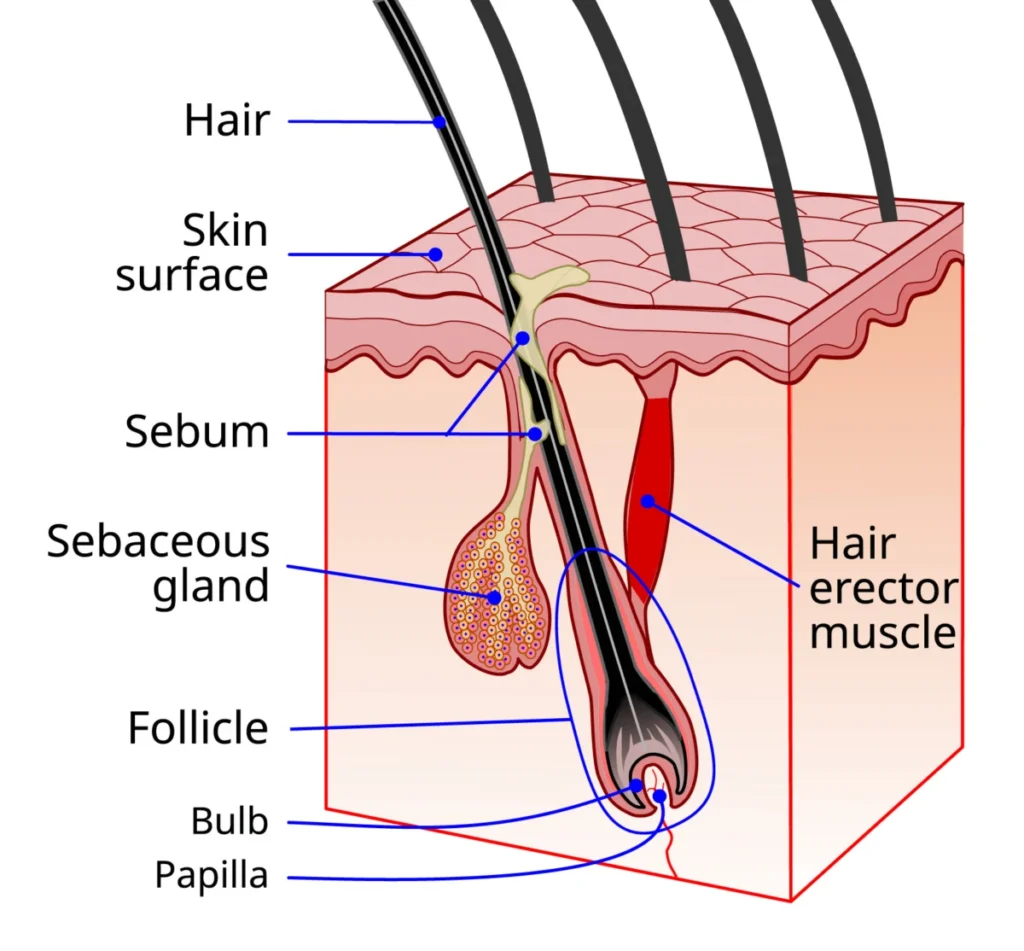
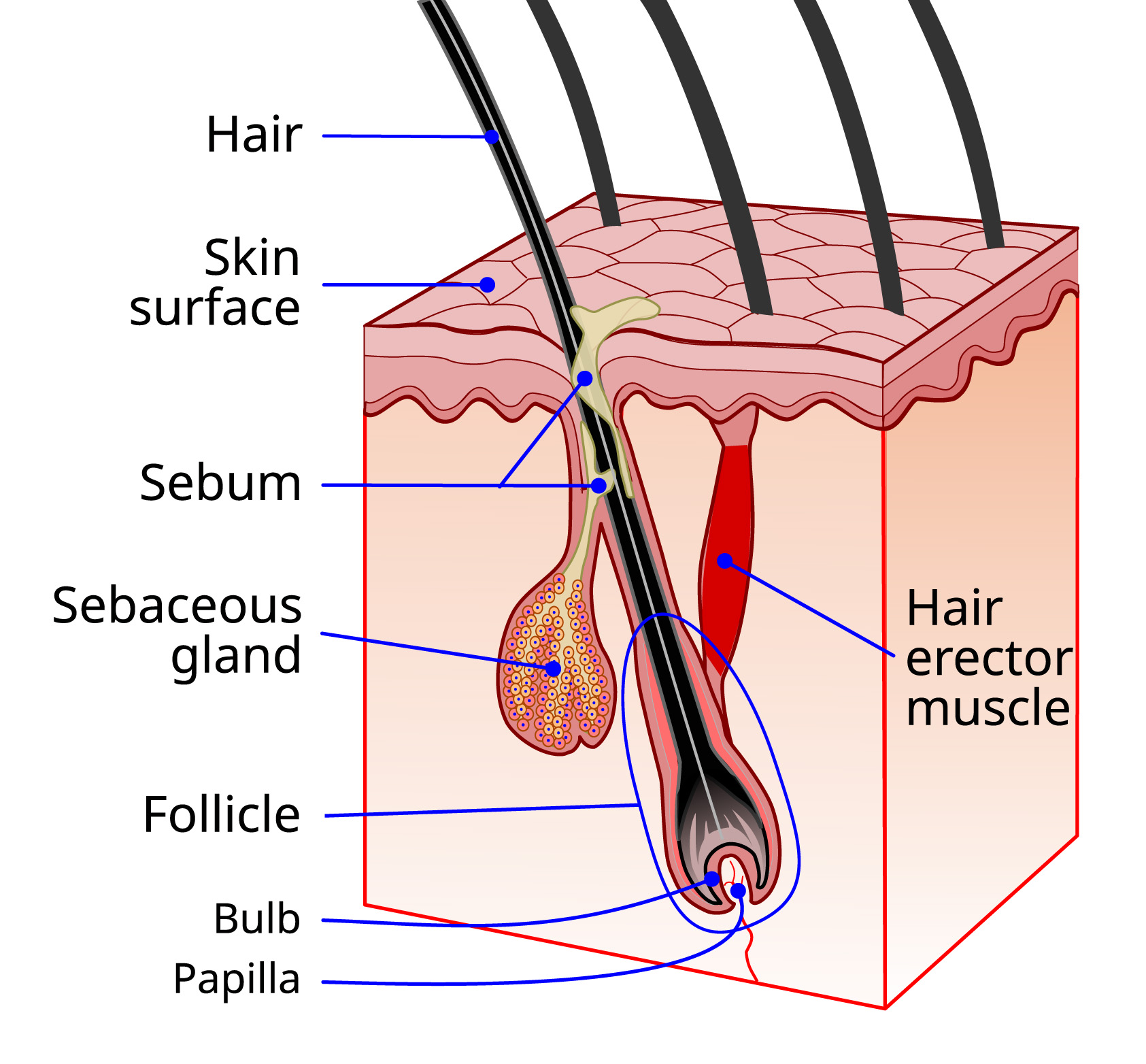
To understand whether the sun truly acts as a catalyst for a thicker mane, one must first examine the intricate biological machinery of the hair follicle. Human hair does not grow in a continuous, uninterrupted stream; rather, it operates on a strictly regulated cycle consisting of four distinct phases. The first is the anagen phase, or the active growth period, during which cells in the root of the hair divide rapidly. This stage can last anywhere from two to eight years and determines the ultimate length of the hair. Following this is the catagen phase, a short transitional stage lasting about two to three weeks where growth stops and the outer root sheath shrinks. The third stage is the telogen phase, a resting period of approximately three months. Finally, the exogen phase occurs, where the individual hair strand is shed from the follicle to make room for a new one.
On average, the human scalp adds approximately 0.5 inches (1.25 centimeters) of length per month, totaling about six inches per year. However, this rate is not static across a lifetime. As individuals age, the duration of the anagen phase tends to decrease, leading to hair that is finer and shorter. According to Dr. Elizabeth Bahar Houshmand, a board-certified dermatologist based in Dallas, Texas, the rate and quality of hair growth are primarily dictated by internal factors. Genetics, nutritional status, hormonal fluctuations, and systemic inflammation play significantly larger roles in follicular health than the external temperature or the position of the sun.
The History of Seasonal Hair Research
The hypothesis that seasons dictate hair growth has been the subject of several clinical investigations over the last three decades. In 1991, a seminal study published in the British Journal of Dermatology sought to track the hair growth cycles of men in Sheffield, United Kingdom, over a period of several years. The researchers found that the proportion of scalp hair in the anagen (growth) phase peaked in March, with approximately 90 percent of follicles active. This number steadily declined over the following six months, reaching its lowest point in September. This suggests that, contrary to popular belief, the scalp may actually begin to slow its growth during the peak of summer, preparing for a shedding phase in the autumn.
Interestingly, the same 1991 study noted a discrepancy between scalp hair and facial hair. The researchers observed that beard growth in the male participants peaked in July, showing a 60 percent increase in growth rate compared to winter levels. This anomaly suggests that different types of hair follicles—androgenic hair versus scalp hair—may respond differently to seasonal hormonal shifts, such as fluctuations in testosterone or circulating levels of luteinizing hormone, which can be influenced by day length (photoperiodism).

A follow-up study in 1996 corroborated these findings, noting that the end of summer often marked the highest percentage of hairs entering the telogen, or resting, phase. This phenomenon is often referred to by dermatologists as "seasonal shedding." By the time the weather cools in late September and October, many individuals notice an increase in hair fall, which is simply the delayed result of follicles entering the resting phase during the mid-summer months.
In 2009, a much larger study was conducted at the University Hospital of Zurich, involving 823 women over the course of six years. This study aimed to determine if there was a seasonal pattern to hair loss (telogen effluvium). The data revealed a clear peak in the proportion of telogen hairs during the month of July. This reinforced the theory that the body may be programmed to retain more hair during the winter for thermoregulation and shed more during the warmer months, though the evolutionary advantage of this in modern humans remains a topic of debate.
The Vitamin D and Circulation Factor
One of the most common arguments in favor of summer hair growth is the role of Vitamin D. It is well-established that the body synthesizes Vitamin D when the skin is exposed to UVB radiation. Vitamin D is essential for many bodily functions, including the regulation of the immune system and the maintenance of bone density. Within the context of trichology (the study of hair and scalp), Vitamin D receptors are found in the hair follicles, and a deficiency in this nutrient has been linked to various forms of alopecia.
However, Dr. Houshmand notes that the presence of more Vitamin D does not necessarily equate to faster growth for those with healthy baseline levels. While correcting a deficiency can restore a normal growth cycle, "super-loading" the body with Vitamin D via sun exposure or supplementation does not act as a growth stimulant for the average person. Furthermore, the risks associated with excessive UV exposure—including DNA damage to skin cells and the risk of melanoma—far outweigh any theoretical benefit to the hair follicles.
Another theory suggests that heat causes vasodilation, or the widening of blood vessels, which improves circulation to the scalp. Proponents of this idea argue that increased blood flow delivers more nutrients and oxygen to the hair bulb, thereby accelerating the mitotic rate of the cells. While scalp massage and certain vasodilators (like Minoxidil) are proven to aid growth, there is little clinical evidence to suggest that ambient summer heat provides a sufficient or sustained enough increase in blood flow to alter the hair’s natural growth trajectory significantly.
Environmental Risks and Scalp Health
While the sun might not be a potent growth activator, it can certainly be an inhibitor of hair quality. The summer environment presents several challenges to the structural integrity of the hair shaft. UV radiation can degrade the proteins that make up the hair, specifically keratin. This lead to "photodegradation," resulting in hair that is brittle, dry, and prone to breakage. For many people, the perception that their hair is not growing in the summer is actually a result of increased breakage at the ends, which negates any growth occurring at the root.
Environmental pollutants, which can be more concentrated in stagnant summer air, also pose a risk to the scalp barrier. Oxidative stress caused by pollution and UV rays can lead to micro-inflammation of the scalp. This inflammation can disrupt the signaling pathways within the follicle, potentially pushing hairs out of the anagen phase prematurely.
"In dermatology, we usually think of hair growth as being driven internally by follicle biology, health status, and signaling pathways," Dr. Houshmand explains. She emphasizes that instead of relying on the sun, individuals looking to optimize hair growth should focus on a nutrient-dense diet rich in iron, zinc, and biotin, and manage stress levels, which are known to trigger the hormone cortisol—a primary driver of premature telogen entry.
Broader Implications for the Wellness Industry
The persistence of the summer hair growth myth has significant implications for the multi-billion dollar hair care industry. Marketing campaigns often shift in the summer to emphasize "growth serums" and "sun-activated" nutrients, capitalizing on the consumer’s desire for "mer-maid hair" during the vacation season. However, understanding the lag in the hair cycle is crucial for consumer expectations. Because the telogen phase lasts approximately 100 days, the hair health a person experiences in July is often a reflection of their health and stress levels in April or May.
Furthermore, the data regarding seasonal shedding is vital for clinical diagnosis. Patients often visit dermatologists in the autumn complaining of sudden hair loss. Without the context of the seasonal cycle, this could be misdiagnosed as chronic alopecia. Recognizing that a slight increase in shedding during the late summer and early autumn is a biological norm can prevent unnecessary medical intervention and reduce patient anxiety.
Conclusion: A Controlled Biological Process
Ultimately, the human body is a highly regulated system that prioritizes internal homeostasis over environmental fluctuations. While the sun provides essential Vitamin D and can influence mood through the production of serotonin—which indirectly benefits overall health—it does not serve as a "fast-forward" button for hair follicles. The modest increase in beard growth observed in some studies remains an outlier and is likely tied to specific androgenic responses rather than a universal increase in scalp hair production.
For those seeking to maintain a healthy head of hair through the summer, the best course of action is protection rather than exposure. Using hats, scalp-specific SPF, and hydrating treatments will protect the existing hair from UV damage, ensuring that when the natural growth cycle continues, the hair remains strong enough to survive the transition into the cooler months. Science suggests that a thick mane is the product of year-round health, consistent nutrition, and genetic luck, rather than a few months of summer sunshine.