


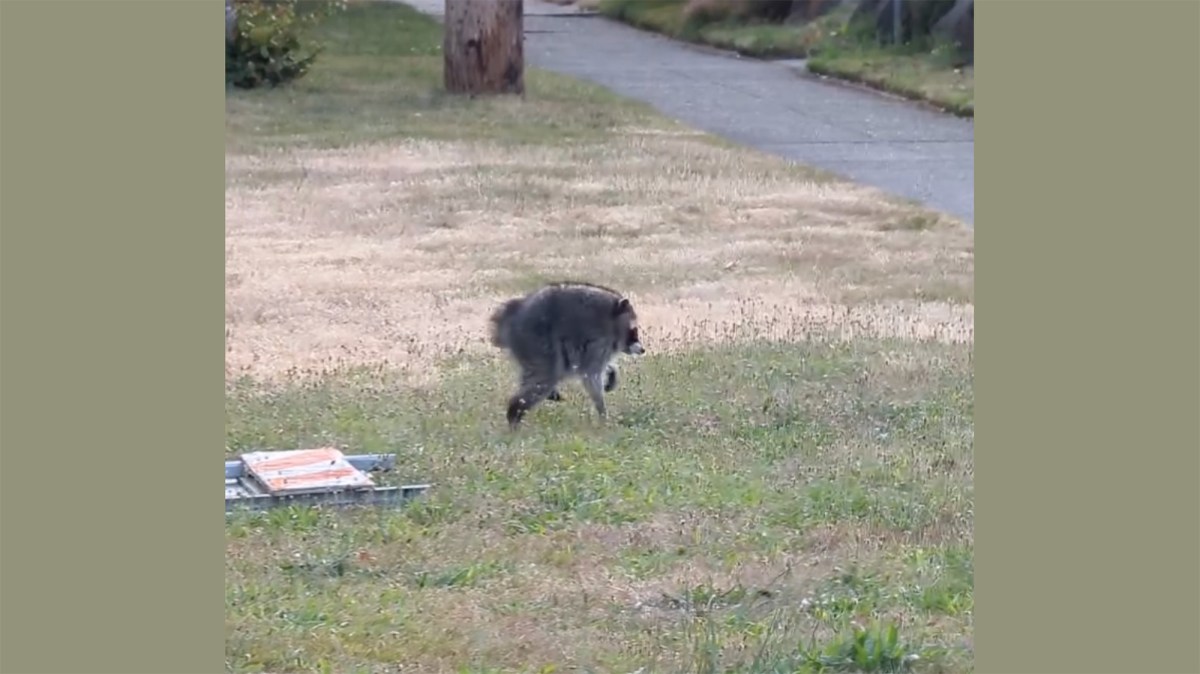
The urban landscape of Seattle, Washington, has long been a haven for diverse wildlife, but a recent viral sensation known as Jimothy the raccoon has captured global attention, highlighting a rare genetic condition and the complex relationship between city dwellers and the natural world. Jimothy, a raccoon first sighted in the Ballard neighborhood, has become an internet folk hero, earning nicknames like "King Jimothy" and inspiring a wave of fan art, tattoos, and merchandise under the banner of "Hot Jimothy Summer." While his popularity stems from his uniquely compact, rounded physique, the scientific reality behind his appearance involves a rare congenital defect known as short spine syndrome, a condition seldom documented in wild populations.
The phenomenon began when Kiana Hall, a Seattle resident, encountered the animal near a local Goodwill store. Initially mistaking the creature for a cat due to its unusual silhouette, Hall soon realized the animal was a raccoon with a distinct lack of a visible neck and a compressed torso. After sharing footage of the encounter online, the video garnered millions of views, transforming the raccoon into a symbol of urban resilience and "cryptid-like" charm. However, beneath the viral fame lies a significant biological case study that provides insight into genetic variation and the survival of disadvantaged animals in urban ecosystems.
The Genetic Mechanics of Short Spine Syndrome
Short spine syndrome is a rare genetic anomaly characterized by a severe shortening of the vertebral column. According to Julian D. Avery, an ecologist and associate research professor at Penn State University, the condition is the result of a recessive gene. For the syndrome to manifest, an individual must inherit two copies of the faulty gene—one from each parent. This requirement makes the condition exceptionally rare in the wild, as the likelihood of two carriers mating is statistically low, and offspring with such mutations often face significant survival hurdles that prevent them from reaching reproductive age.
The condition affects the embryological development of the spine. During gestation, the spine typically differentiates into distinct vertebrae through a process of segmentation. In animals with short spine syndrome, this process is interrupted or fails to execute correctly, leading to vertebrae that are fused together or compressed into a much shorter span than is typical for the species. Avery compares the process to a tube of dough that is improperly pinched into segments, resulting in a clumped, shortened structure rather than a long, flexible chain.
While the spine is drastically altered, the syndrome primarily affects the skeletal structure rather than the internal organs or neurological functions. In many documented cases—mostly in domestic dogs like the famous "Quasimodo the German Shepherd"—the internal organs appear crowded within the shortened torso, but they generally function at a normal capacity. For Jimothy, this means his heart, lungs, and digestive system are likely operating sufficiently to support his active lifestyle in the Ballard neighborhood.
Chronology of a Viral Sensation
The timeline of Jimothy’s rise to fame illustrates the rapid speed at which local wildlife sightings can transition into global cultural moments.
- Early July: Initial sightings of an unusually shaped raccoon begin circulating in local Seattle community groups. Residents note the animal’s distinctive waddle and compact frame.
- Mid-July: Kiana Hall records and uploads the definitive video of the raccoon near a Ballard Goodwill. The video goes viral across TikTok, Instagram, and X (formerly Twitter), amassing millions of views within 48 hours.
- Late July: The "Jimothy" moniker becomes solidified. Online communities begin producing "Hot Jimothy Summer" memes, and local artists start selling prints and apparel featuring the raccoon’s likeness.
- July 24: Wildlife experts and ecologists begin weighing in on the animal’s health, identifying the likely cause as short spine syndrome and advising the public on how to interact (or not interact) with the animal.
- July 26: The Seattle City Council enters the fray. Councilmember Alexis Mercedes Rinck announces an official proclamation in honor of Jimothy, celebrating the animal as a symbol of the city’s unique character and organizing a community art competition.
Survival and Adaptability of Procyon lotor in Urban Environments
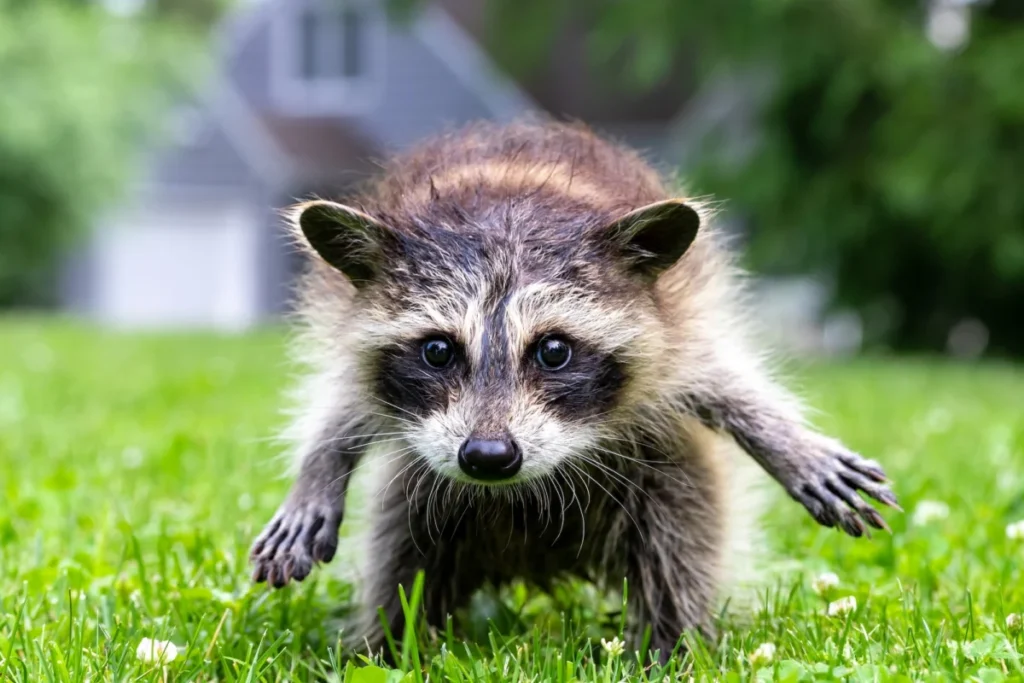
The fact that Jimothy has reached adulthood is a testament to the remarkable adaptability of the northern raccoon (Procyon lotor). Raccoons are renowned for their intelligence, manual dexterity, and generalist diet, traits that have allowed them to thrive in human-dominated landscapes. In urban settings like Seattle, the abundance of high-calorie food sources—ranging from unsecured trash to outdoor pet food—lowers the bar for survival compared to the competitive and resource-scarce environment of a deep forest.
Data from wildlife biology studies suggest that urban raccoons often have smaller home ranges but higher population densities than their rural counterparts. A 2021 study on urban carnivores noted that raccoons in metropolitan areas display high levels of behavioral plasticity, allowing them to navigate physical obstacles and human activity with ease. For an animal like Jimothy, whose mobility might be slightly restricted by a fused spine, the "easy" caloric environment of Ballard provides a safety net that might not exist in the wild.
Experts observe that Jimothy appears to be "thriving" based on his ability to climb, forage, and move with agility. Raccoons rely heavily on their front paws, which are highly sensitive and capable of complex manipulation. As long as Jimothy maintains the use of his limbs and his ability to climb—a primary defense mechanism against predators like coyotes or domestic dogs—his skeletal deformity may not be a terminal disadvantage.
Official Responses and Public Safety Guidelines
The Washington Department of Fish and Wildlife (WDFW) has monitored the situation closely, issuing statements to manage public expectations and ensure the animal’s safety. The agency’s primary concern is the potential for human-wildlife conflict resulting from Jimothy’s fame. In a statement, the WDFW emphasized a "hands-off" approach, noting that while the raccoon has a congenital defect, it does not appear to be in distress or in need of rehabilitation.
The danger of "habituation" is a central theme in the official guidance. When wild animals are fed by humans, they lose their natural fear of people, a process that often leads to negative outcomes. Habituated raccoons are more likely to approach cars, leading to roadkill incidents, or enter homes, which may necessitate their removal or euthanasia by wildlife officials.
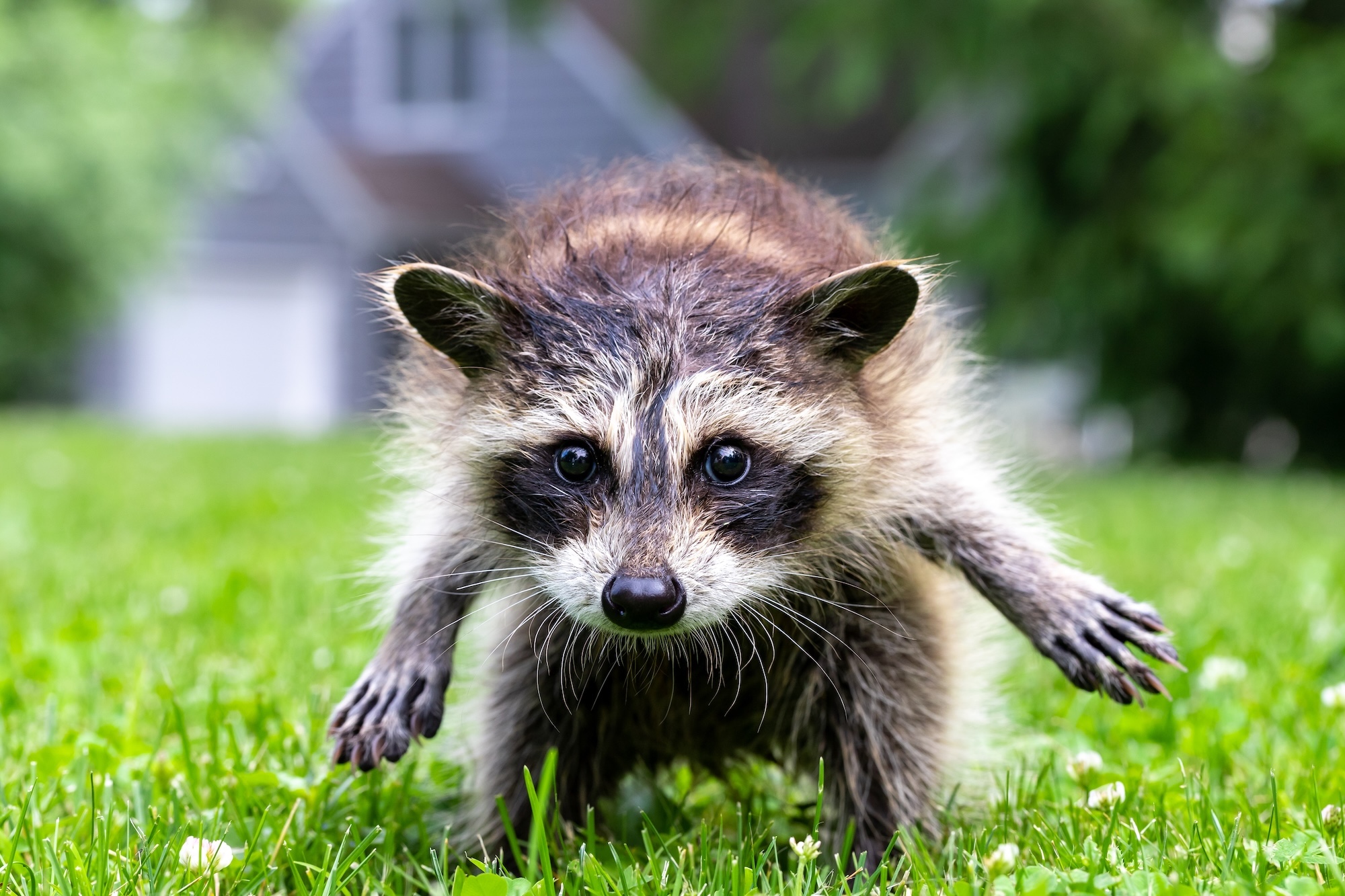
"The best way to help Jimothy is to keep him wild," ecologists warn. This involves:
- Securing attractants: Ensuring trash cans are locked and pet food is kept indoors.
- Observing from a distance: Using zoom lenses for photography rather than approaching the animal.
- Refraining from feeding: Maintaining the animal’s natural foraging instincts.
Broader Impact and Scientific Implications
Jimothy’s story serves as a bridge between public entertainment and scientific education. While the internet focuses on the "cuteness" of his round shape, the phenomenon provides an opportunity to discuss genetic diversity and the importance of "natural variation" in populations.
From a sociological perspective, the public’s fascination with Jimothy can be attributed to "neoteny" or the "baby schema"—a set of physical features (large eyes, round bodies, short limbs) that trigger a nurturing response in humans. By projecting these feelings onto a wild animal, the public becomes more invested in local ecology. Julian Avery notes that if Jimothy acts as a "gateway" species that encourages citizens to notice other local wildlife, such as nesting birds or urban mammals, the net effect on conservation awareness is positive.
Furthermore, Jimothy’s case adds to the limited body of data regarding short spine syndrome in non-domesticated species. While the condition is well-documented in certain dog breeds (where it is sometimes the result of extreme inbreeding), its appearance in a wild raccoon population offers a rare glimpse into how such mutations fare outside of a controlled environment.
Conclusion: The Future of Jimothy Summer
As Seattle celebrates "Jimothy Summer," the focus remains on the balance between admiration and conservation. The official proclamation by the City Council highlights the raccoon’s role as a community unifier, but the underlying message from the scientific community is one of cautious observation.
Jimothy’s life expectancy in the wild, typically two to three years for a standard raccoon, may be influenced by his condition, but his current vitality suggests he is well-equipped for the challenges of Ballard. His legacy will likely be defined not just by the memes and merchandise, but by a renewed public interest in the hidden biological wonders of the urban canopy. By respecting the boundaries between human society and wild animals, Seattle residents can ensure that Jimothy continues to roam the streets of Ballard as a living example of nature’s unpredictable and resilient design.