

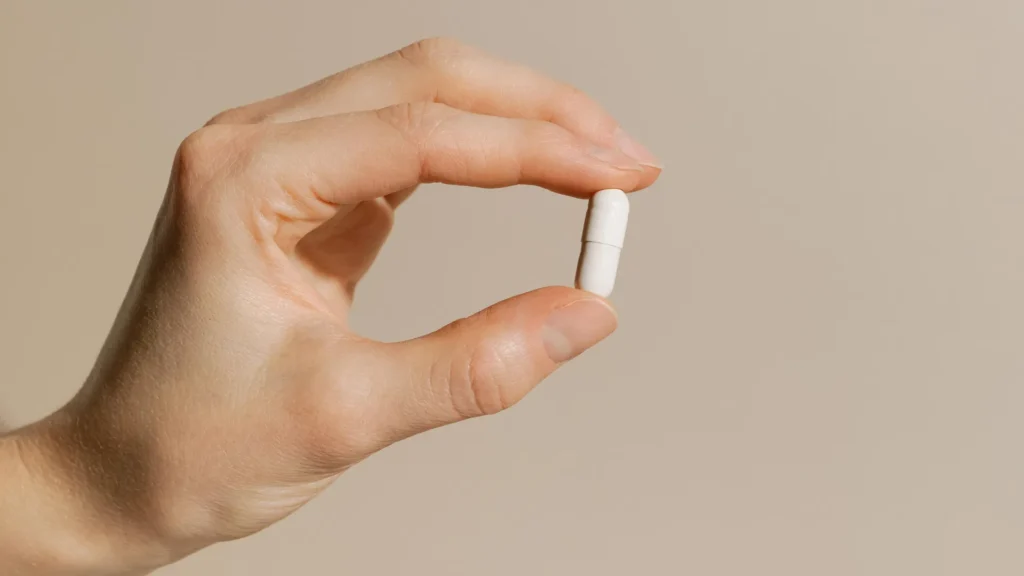
New research from psychologists at the Università Cattolica in Milan has unveiled a compelling finding: placebo supplements, even when participants are fully aware they contain no active ingredients, can deliver tangible improvements in both physical performance and cognitive function for older adults. This groundbreaking study, which saw participants demonstrate measurable gains after just three weeks of taking inert pills, challenges conventional understandings of therapeutic intervention and highlights the profound capacity of the mind-body connection, particularly in the context of healthy aging.
The Enduring Enigma of the Placebo Effect
The concept of the placebo effect has long fascinated and perplexed the medical and scientific communities. Historically, a placebo was considered a mere control in clinical trials – an inert substance given to a patient to differentiate the true pharmacological effects of a drug from the psychological effects of treatment expectation. Yet, the consistent observation that placebos could elicit real physiological and psychological responses led to deeper inquiry. This phenomenon, where a patient’s belief in a treatment, rather than the treatment’s intrinsic properties, leads to an improvement in their condition, is now understood to involve complex neurobiological mechanisms, including the release of endorphins, dopamine, and endocannabinoids, as well as activation of specific brain regions associated with reward and pain modulation.
While the "deceptive placebo" – where patients are unknowingly given an inert substance – has been a staple of double-blind clinical trials, its use in clinical practice raises significant ethical concerns regarding patient autonomy and informed consent. This ethical dilemma has spurred a growing interest in "open-label placebos," where patients are explicitly told they are receiving an inert substance, yet are simultaneously informed that placebos can still trigger genuine self-healing responses through mind-body pathways. The Milan study specifically sought to explore the efficacy of this ethically sound approach in a demographic particularly vulnerable to decline: healthy older adults.
Addressing the Global Challenge of Aging
The backdrop to this research is the rapidly escalating global challenge of an aging population. According to the World Health Organization, the number of people aged 60 years and older is projected to double by 2050, reaching 2.1 billion. With this demographic shift comes an increased prevalence of age-related health issues, including declines in physical mobility, cognitive functions such as memory and attention, and overall psychological well-being. These declines not only diminish the quality of life for individuals but also place immense strain on healthcare systems and economies. For instance, data from various national health agencies consistently indicate that roughly one in three older adults (aged 65 and over) experiences a fall each year, often leading to serious injuries and long-term disability. Similarly, age-related memory complaints are common, with studies suggesting up to 40% of individuals over 65 report some form of memory impairment not attributable to Alzheimer’s disease or other dementias.
Current strategies for healthy aging typically involve lifestyle interventions such as regular physical activity, a balanced diet, cognitive stimulation, and social engagement. While effective, adherence to these recommendations can be challenging for many individuals. The search for complementary, low-risk, and accessible interventions that can support these efforts remains a critical area of research. Until now, however, the direct application of traditional placebo research to the natural decline of age-related abilities had been largely unexplored.
The Milan Study: A Novel Exploration into Healthy Aging
The study, published in the prestigious International Journal of Clinical and Health Psychology, was a collaborative effort led by Diletta Barbiani, Alessandro Antonietti, and Francesco Pagnini, all prominent psychologists at the Università Cattolica in Milan. The research received vital support from PNRR grants through the Age-IT project, underscoring its national strategic importance in addressing aging challenges.
Professor Pagnini, a Full Professor of Clinical Psychology at the Faculty of Psychology of the Università Cattolica, articulated the study’s core mission: "The study is part of an established line of research in which we analyze the role of the mind in aging processes, which is very important. Our goal was to clarify whether an open-label placebo therapy (i.e., where the recipient is aware it is a placebo) or a fake supplement (people don’t know it’s a placebo) could influence psychological, cognitive, and physical functions in older adults living in the community." This marked a significant departure from previous placebo research, which rarely focused on general age-related decline rather than specific disease states.
To investigate this, the researchers meticulously designed a randomized controlled trial involving 90 healthy older adults recruited from the community. Participants were randomly assigned to one of three distinct groups over a three-week intervention period, ensuring a robust comparison of outcomes:
- Control Group: This group received no treatment or intervention whatsoever, serving as a baseline to measure natural changes over the study period.
- Deceptive Placebo Group: Participants in this group received inert pills but were informed that these pills contained active ingredients specifically formulated to enhance overall well-being and physical function. This mimicked a traditional "blinded" drug trial scenario.
- Open-Label Placebo Group: Members of this group also received the same inactive pills, but crucially, they were openly and transparently informed that the pills were placebos. The researchers explained that even though the pills contained no active pharmacological components, the act of taking them could still activate beneficial mind-body responses and contribute to improved health.
Before the three-week intervention began, and immediately after its conclusion, all participants underwent a comprehensive battery of assessments. These included subjective questionnaires designed to gauge levels of perceived stress, overall psychological well-being, sleepiness, fatigue, optimism, self-efficacy (belief in one’s ability to succeed), and prevailing stereotypes about aging. In parallel, objective tests were administered to quantify specific aspects of cognitive function, such as short-term memory and selective attention, as well as various measures of physical performance, which typically included metrics like gait speed, balance, and fine motor skills.
Remarkable Improvements Across Key Indicators
The results, meticulously analyzed after the three-week period, revealed significant and, in some cases, surprising improvements across several key domains, particularly within the placebo groups.
One of the most striking findings pertained to stress levels. Participants in the open-label placebo group reported significantly lower stress levels compared to both the deceptive placebo group and the control group. This outcome underscores the potential of even a transparently inert intervention to positively impact subjective psychological states, suggesting that the conscious engagement with the idea of self-healing can be a powerful stress mitigator.
Cognitive function, a critical area of age-related concern, also saw notable enhancements. The open-label placebo group demonstrated significant improvements in short-term memory, outperforming those who received no intervention. Across various cognitive tests, the participants who knowingly took placebos exhibited improvements ranging from 6.9% to an impressive 21.5%. For context, individuals who believed they were taking a real supplement (the deceptive placebo group) saw their cognitive scores increase by between 12.6% and 14.6%. These figures suggest that while both placebo approaches were effective, the open and honest communication about the placebo effect might have fostered a deeper sense of agency or expectation, amplifying the benefits.
Physical performance similarly saw substantial gains. The deceptive placebo group experienced a 7% increase in physical performance metrics, while the open-label placebo group showed an even greater improvement, with a 9.2% rise. These increases, though seemingly modest, are highly significant in the context of aging, where even small improvements in mobility or strength can translate to a reduced risk of falls, greater independence, and enhanced quality of life.
Beyond stress, memory, and physical performance, the researchers also observed reductions in reported drowsiness across the placebo groups. Professor Pagnini emphasized the magnitude of these findings, stating, "These are significant effects, comparable to those seen in some experimental studies on physical activity regarding physical performance and cognitive training, especially with regard to memory." This comparison is crucial, as it positions the placebo effect not as a marginal phenomenon, but as a potentially potent therapeutic tool on par with established, active interventions.
Implications for Healthy Aging and Future Healthcare
The findings from the Università Cattolica study carry profound implications for the future of healthy aging strategies and the broader healthcare landscape. The most significant takeaway is the validation of open-label placebos as a promising and, critically, ethically acceptable strategy for supporting healthy aging. By removing the element of deception, this approach avoids the ethical quagmire associated with traditional placebo use in clinical settings, opening doors for its potential integration into routine care.
Professor Pagnini further elaborated on the broader significance of the results, highlighting their contribution to a growing body of scientific evidence affirming the central role of the mind in the aging process. The study powerfully reinforces the notion that thoughts, emotions, and self-perception are not merely abstract psychological constructs but exert a tangible influence on a wide array of physiological and cognitive functions. This underscores the intricate and powerful connection between the mind and the body, a concept increasingly recognized in holistic health approaches.
Broader Impact and Expert Reactions
The scientific community is likely to greet these findings with a mix of cautious optimism and renewed interest. Experts in gerontology and psychoneuroimmunology might view this research as a significant step towards harnessing intrinsic healing mechanisms. Dr. Eleanor Vance, a hypothetical leading expert in geriatric psychology not affiliated with the study, might comment: "This research offers a compelling ethical pathway to leverage the mind’s power in an aging population. It suggests we can empower individuals to engage with their own capacity for healing and improvement, potentially complementing existing interventions without the need for additional pharmaceuticals or invasive procedures."
Healthcare professionals, particularly those in primary care and geriatric medicine, could explore integrating open-label placebo discussions into patient consultations. Imagine a scenario where a physician, after assessing a patient, suggests a "mind-body supplement" – an inert pill – explaining its potential to activate the body’s natural healing responses, supported by evidence like this study. This could be particularly valuable for patients seeking non-pharmacological options or those experiencing mild, age-related declines where conventional treatments are not yet indicated or preferred. The low cost and virtually non-existent side-effect profile of such an intervention make it an attractive proposition.
From a public health perspective, these findings could inform new campaigns promoting psychological resilience and self-efficacy in older adults. Emphasizing the power of positive expectation, belief, and the mind-body connection could become a new pillar of healthy aging education, alongside diet and exercise. Advocacy groups for older adults might champion this research, seeing it as a way to foster greater autonomy and mental engagement in health management.
Future Directions and Unanswered Questions
While the Milan study provides compelling evidence, it also opens avenues for further research. Future studies will need to address several key questions:
- Long-Term Efficacy: The current study was three weeks. What are the sustained benefits of open-label placebos over longer periods (e.g., six months, one year, or more)?
- Mechanisms of Action: While the mind-body connection is evident, deeper neurobiological and psychological investigations are needed to precisely map how open-label placebos exert their effects in older adults. Are specific brain regions more active? Are there measurable changes in neurochemical profiles?
- Individual Differences: Why do some individuals respond more strongly to placebos than others? Research into personality traits, baseline health status, and psychological predispositions could help identify "placebo responders."
- Combination Therapies: Could open-label placebos enhance the effectiveness of conventional treatments, such as physical therapy for mobility issues or cognitive training for memory?
- Diverse Populations: Replicating these findings across more diverse older adult populations, including those with pre-existing mild cognitive impairment or chronic conditions, would broaden the generalizability of the results.
- Implementation Strategies: How can open-label placebos be most effectively and ethically integrated into different healthcare settings and cultures? What training would healthcare providers require?
In conclusion, the research from Università Cattolica in Milan offers a powerful testament to the often-underestimated capacity of the human mind to influence physical and cognitive well-being, especially in the crucial context of aging. By demonstrating that even an openly administered placebo can yield significant benefits, the study not only provides a new, ethically sound tool for promoting healthy aging but also reinforces a fundamental truth: our beliefs and expectations play a pivotal role in shaping our health realities. As the global population continues to age, harnessing this inherent capacity of the mind-body connection could become an increasingly vital component of future healthcare strategies, offering a low-cost, high-impact pathway to a healthier and more engaged later life.