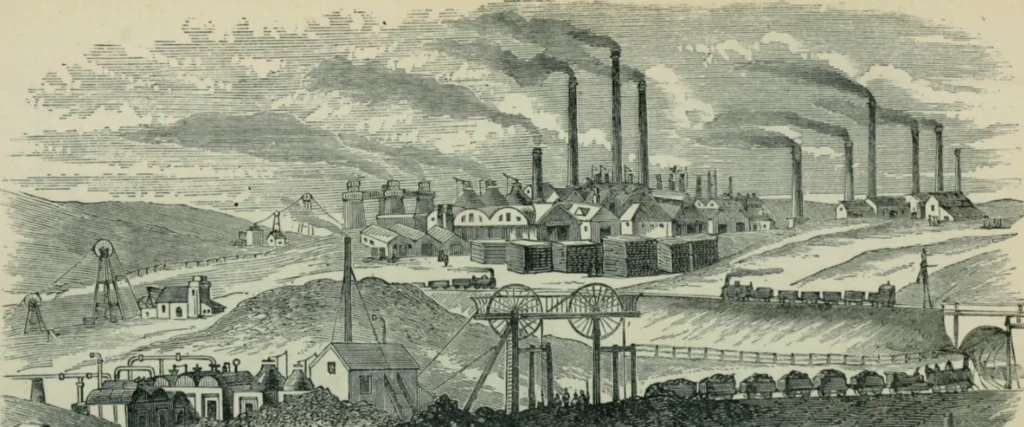



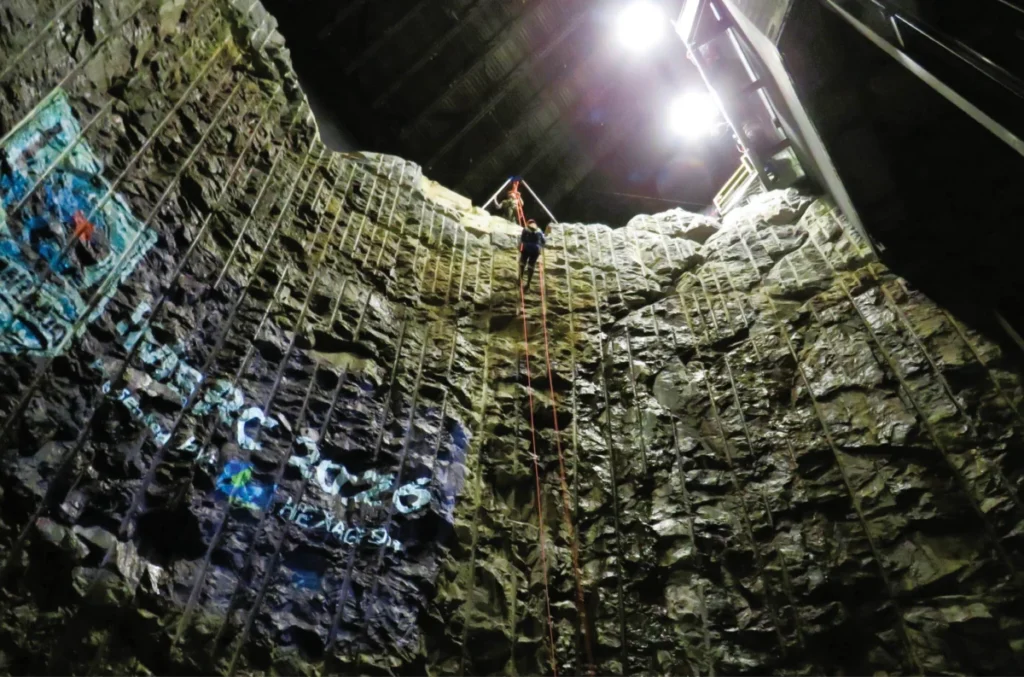
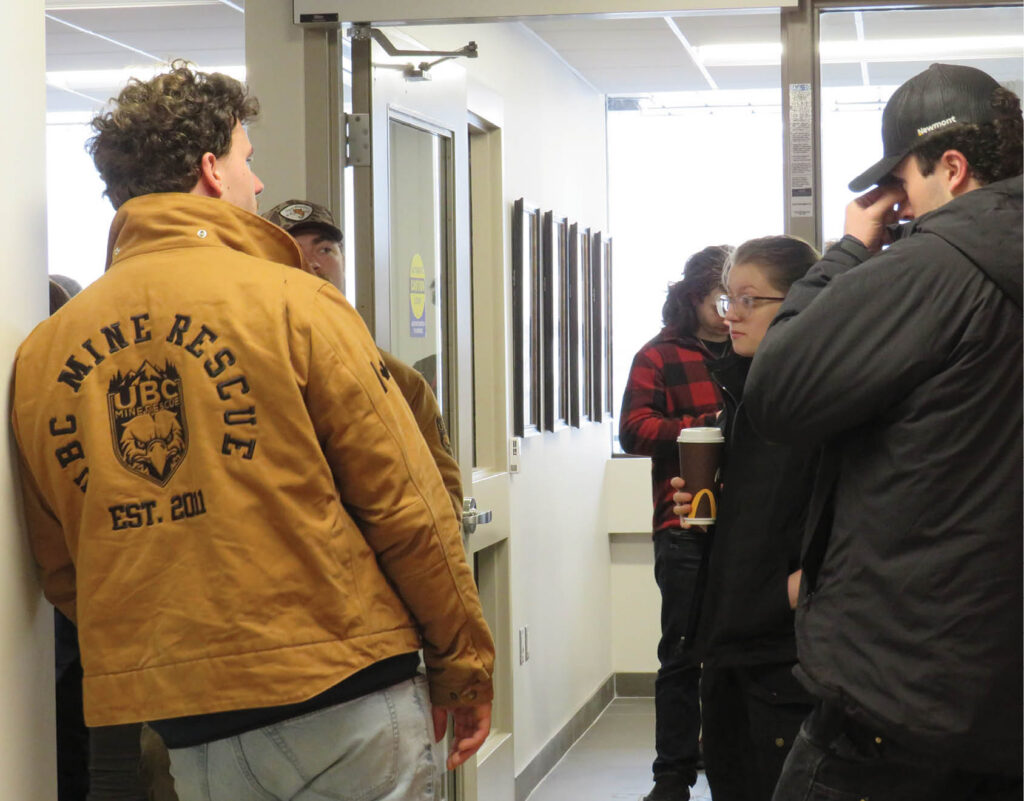
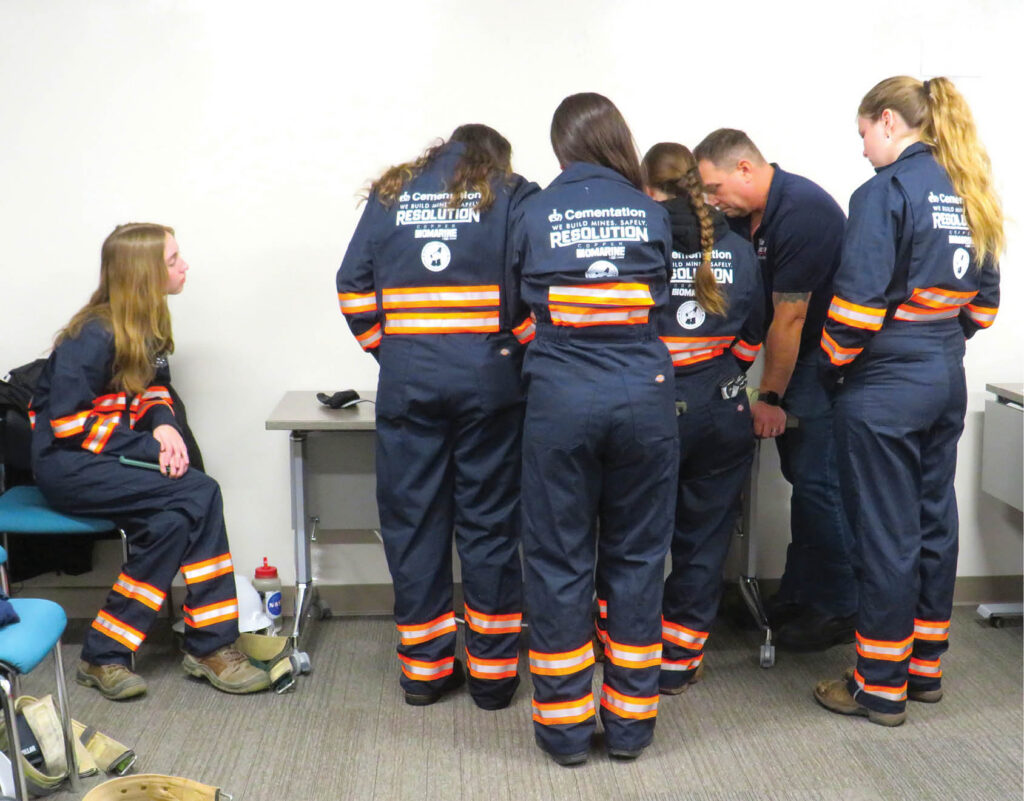
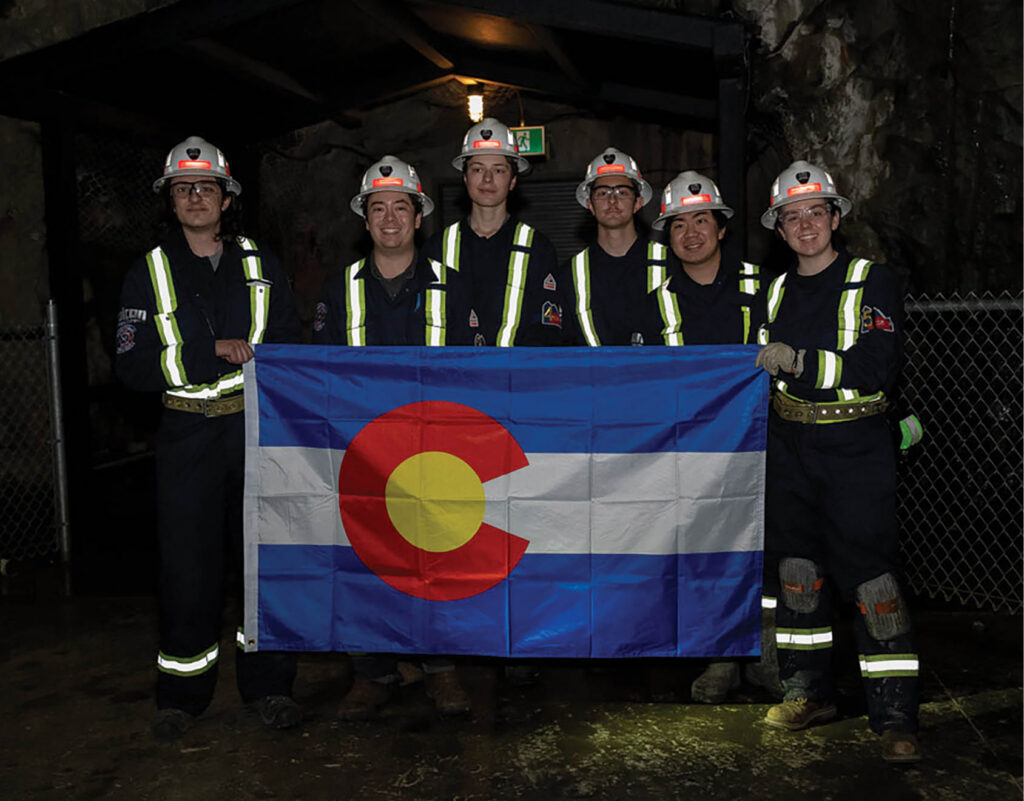
The mining industry, a cornerstone of global economies and technological advancement, inherently carries significant risks. To prepare the next generation of mining professionals for these challenges, the Intercollegiate Mine Emergency Response Competition (IMERC) was held at Laurentian University in Sudbury, Ontario, from February 6th to February 21st. This rigorous event brought together nine teams of aspiring mining engineers and emergency responders from across North America, including institutions from Colorado, South Dakota, British Columbia, Alberta, and Ontario. The competition, a vital training ground, provided a realistic simulation of critical mine rescue scenarios, fostering essential skills and promoting a culture of safety and preparedness within the future mining workforce.
A Crucible of Skills: Simulating Underground Emergencies
The IMERC is meticulously designed to replicate the high-pressure, complex environments that mine rescue teams might encounter in actual emergencies. Held in partnership with Dynamic Earth, Science North’s acclaimed underground mine museum, the competition offered a unique and authentic setting for the challenges. Participants were tasked with navigating a series of demanding exercises that tested their technical expertise, decision-making capabilities, and teamwork under duress.
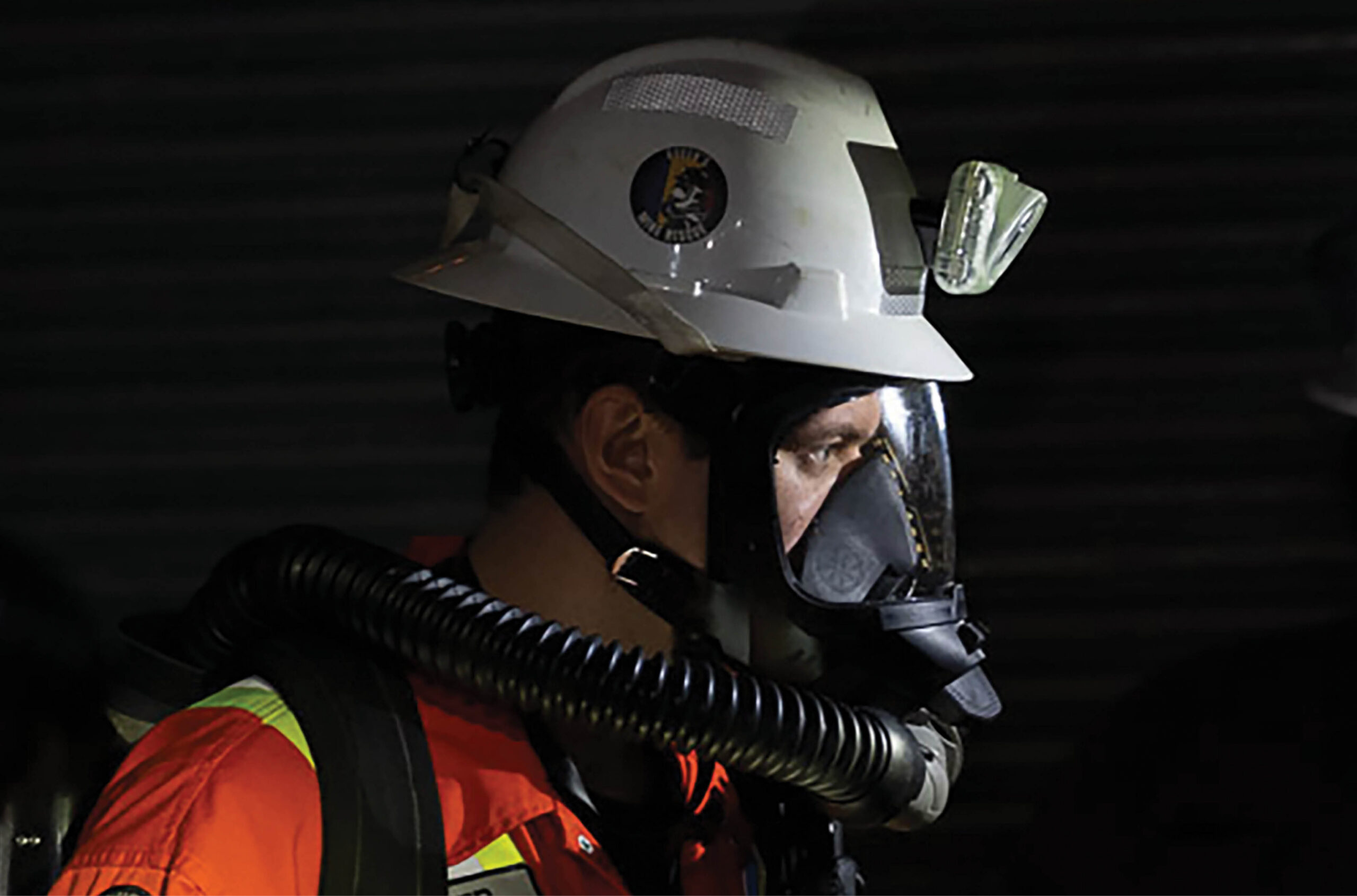
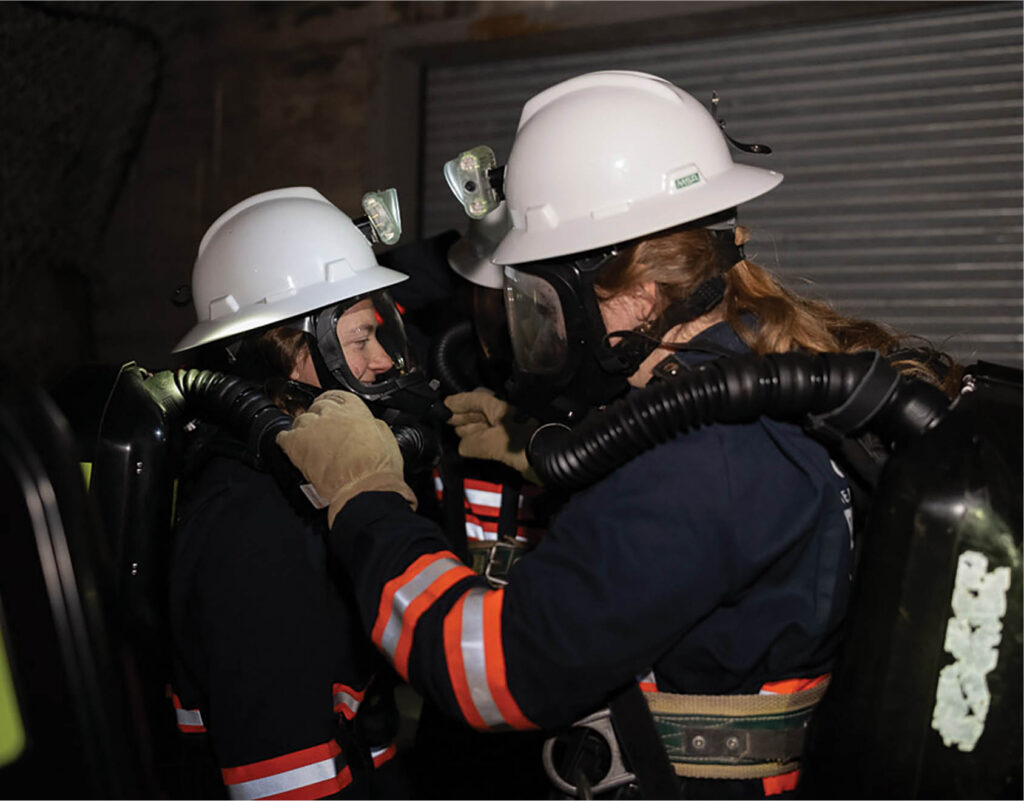
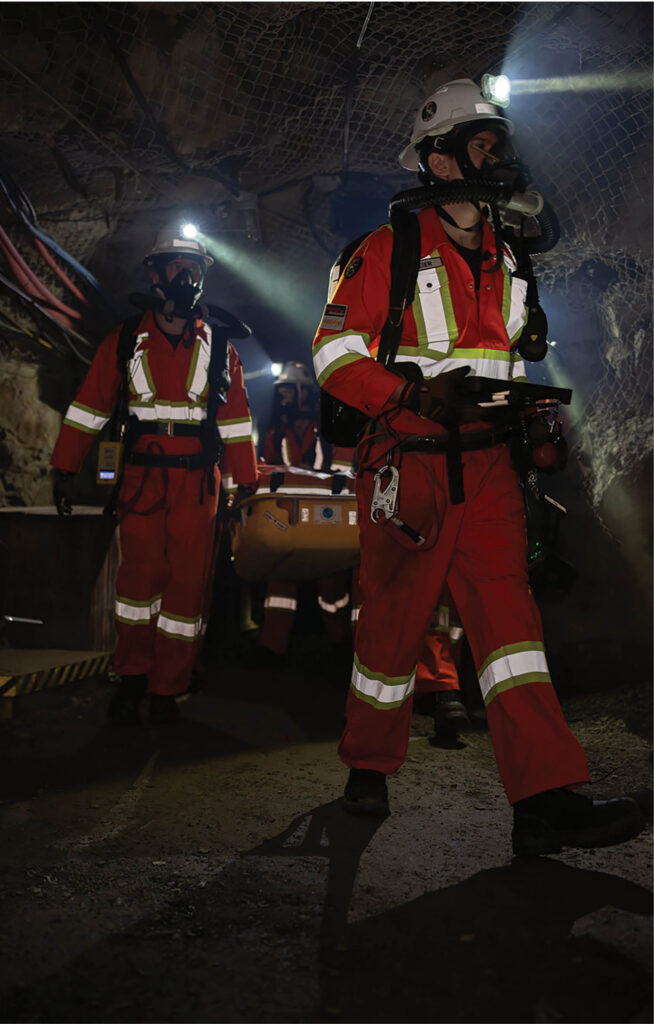
The core of the competition involved a full underground response scenario, plunging students into simulated mine environments that mimicked the dangers of real-world incidents. These scenarios are often designed to include factors such as confined spaces, limited visibility, potential gas hazards, and the need for rapid victim extraction. Teams were evaluated on their ability to quickly assess the situation, develop and implement a rescue plan, and execute their actions with precision and efficiency. This component is crucial for developing the instinctive responses and coordinated efforts necessary for successful mine rescue operations.
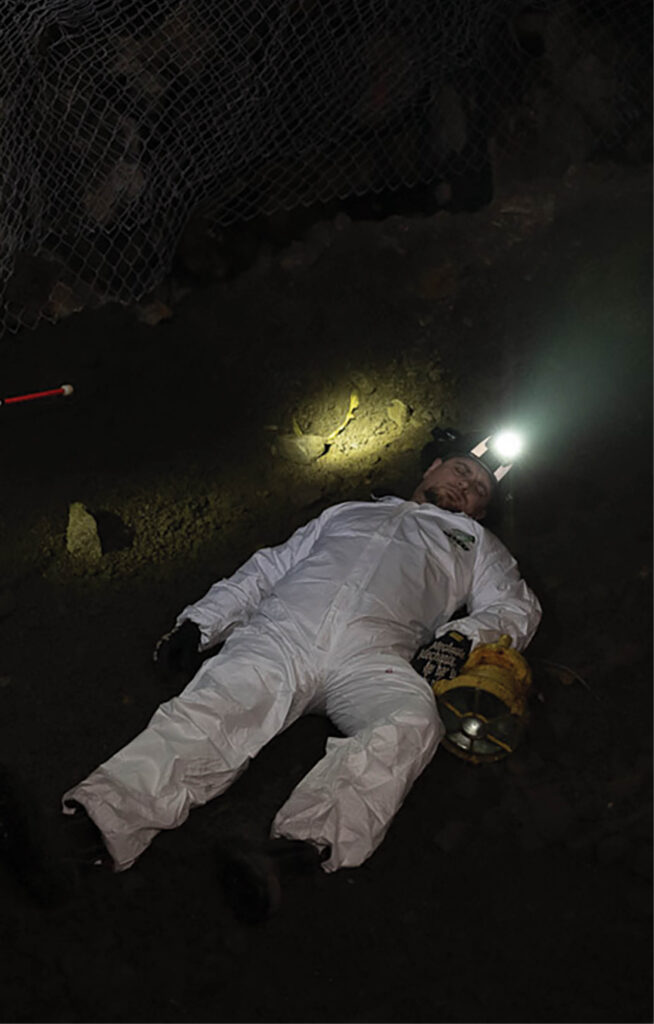
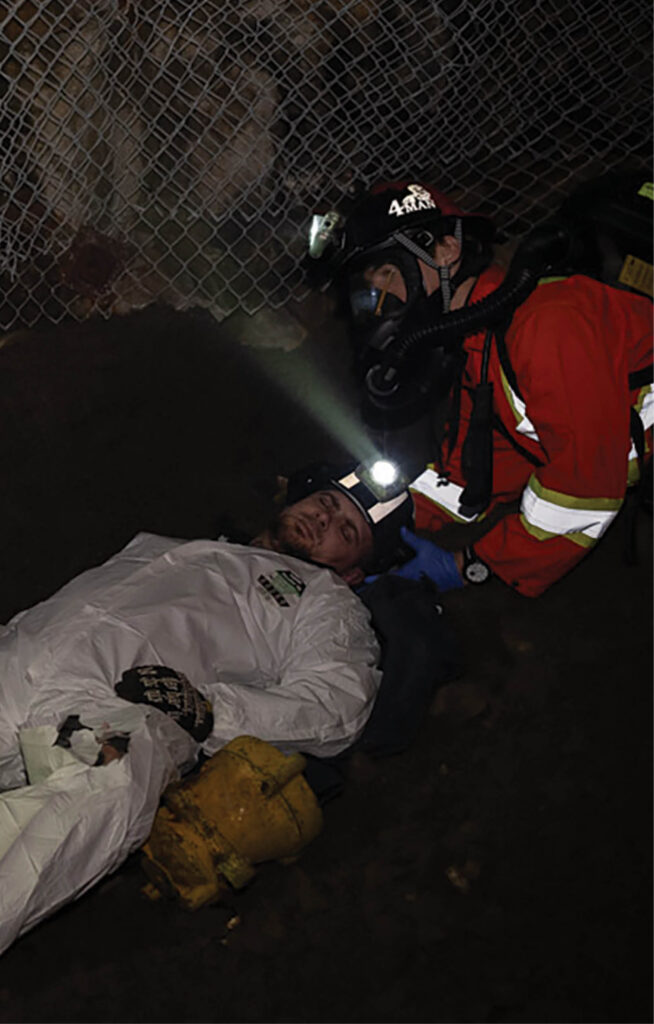
Beyond the simulated underground environment, the IMERC also featured a comprehensive mass-casualty first aid exercise. This aspect of the competition highlights the critical importance of immediate medical intervention in the event of a mine accident. Students were required to triage injured individuals, provide advanced first aid, and manage the scene effectively to stabilize victims and prepare them for evacuation. This requires a deep understanding of trauma care, patient assessment, and the ability to work under extreme pressure with limited resources.
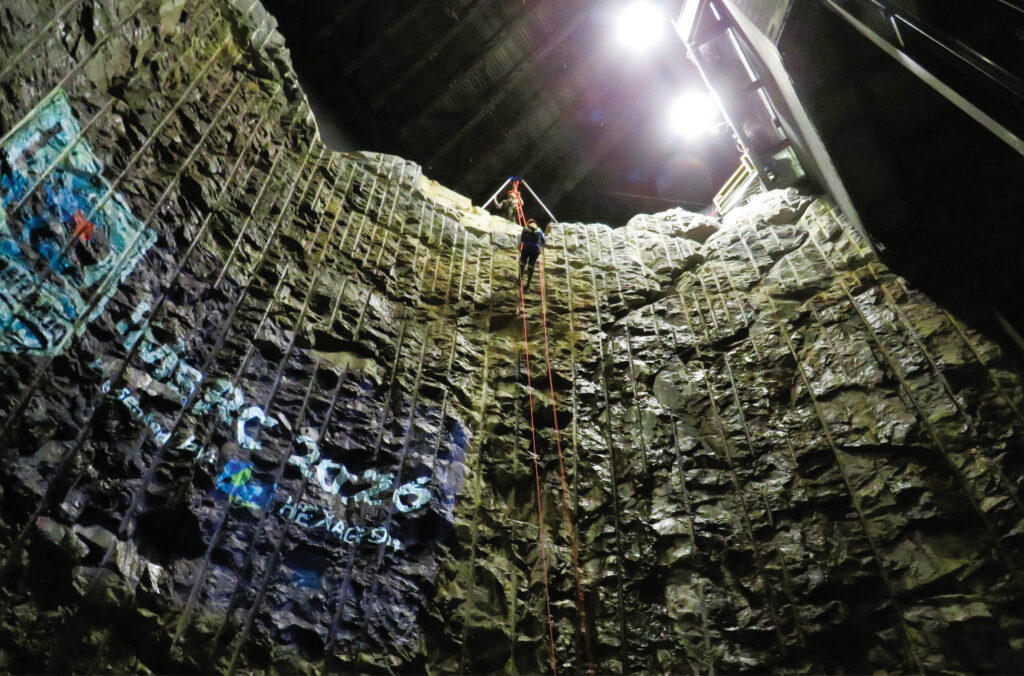
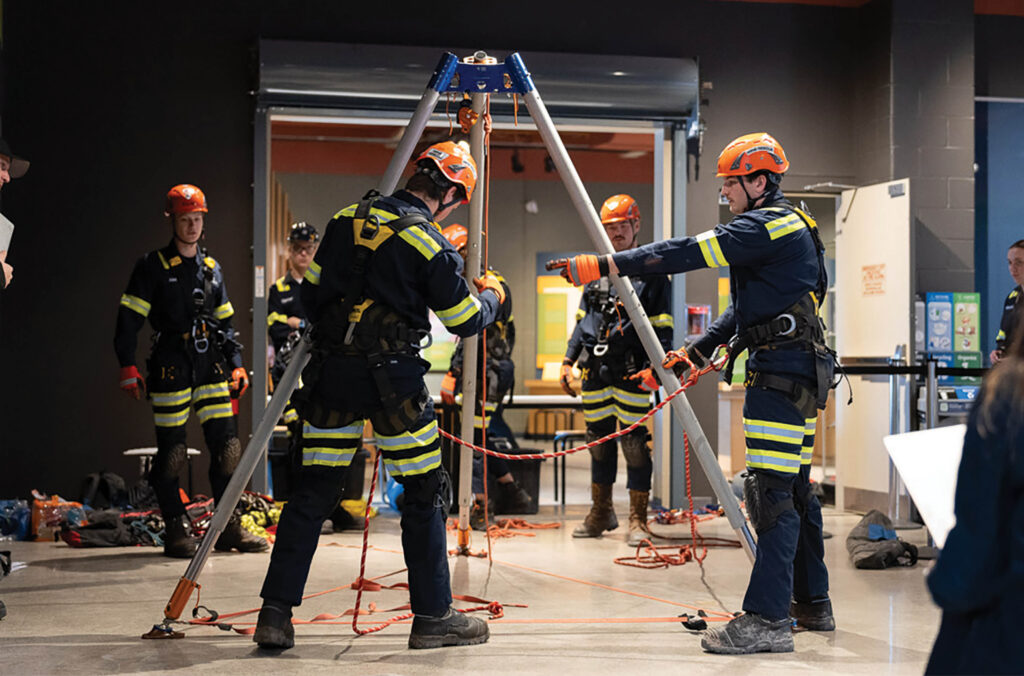
A third key component was the technical skills challenge. This part of the competition focused on specific, practical abilities essential for mine rescue. It could include tasks such as operating specialized rescue equipment, navigating challenging terrain using technical ropes, performing ventilation assessments, or managing communication systems in a disaster scenario. Proficiency in these areas is vital for ensuring the safety of both the rescue team and the trapped miners.
Building a Foundation for Safety: The Genesis of IMERC
The Intercollegiate Mine Emergency Response Competition has its roots in the mining industry’s long-standing commitment to safety and the recognition that practical, hands-on training is paramount. Mine rescue competitions have been a tradition in the mining sector for decades, evolving from local and regional events to encompass larger, intercollegiate formats. The primary objective has always been to enhance the skills and preparedness of individuals who may one day be called upon to respond to emergencies in underground mines.
Laurentian University, with its strong ties to the mining industry and its location in Sudbury – a globally recognized hub for mining research and operations – serves as an ideal host for such an event. The university’s Faculty of Science, Engineering and Architecture, which offers programs in mining engineering and related fields, plays a pivotal role in nurturing the next generation of mining professionals. Hosting IMERC allows these students to bridge the gap between theoretical knowledge gained in the classroom and the practical realities of mine safety and emergency response.
The partnership with Dynamic Earth, a science museum dedicated to showcasing Northern Ontario’s geological heritage and mining history, further enhances the authenticity of the IMERC experience. The underground mine museum provides a unique and immersive environment that allows students to train in a setting that closely resembles actual mine conditions, albeit in a controlled and safe manner. This deepens their understanding of the challenges inherent in underground environments.
A Detailed Chronology of Preparation and Execution
The preparation for the IMERC typically begins months in advance, with participating universities selecting and training their student teams. These teams undergo rigorous practice sessions, honing their technical skills and developing effective communication and leadership strategies. The selection process itself often involves internal competitions within each university, identifying the most capable and dedicated students to represent their institution.
Pre-Competition Phase (Months Leading Up to February 6th):
- Team Selection: Universities identify and select their student representatives through internal trials and evaluations.
- Training Regimens: Teams engage in extensive training, focusing on mine rescue techniques, first aid, equipment operation, and scenario planning. This often involves collaboration with faculty, industry professionals, and experienced mine rescue personnel.
- Logistical Planning: Organizing travel, accommodation, and equipment for the competing teams.
- Scenario Development: Competition organizers meticulously design the simulated emergency scenarios, ensuring they are realistic, challenging, and cover a broad spectrum of potential mining incidents.
Competition Period (February 6th – February 21st):
- Arrival and Briefing (Early February): Teams arrive in Sudbury and receive comprehensive briefings on the competition rules, safety protocols, and the general layout of the training facilities.
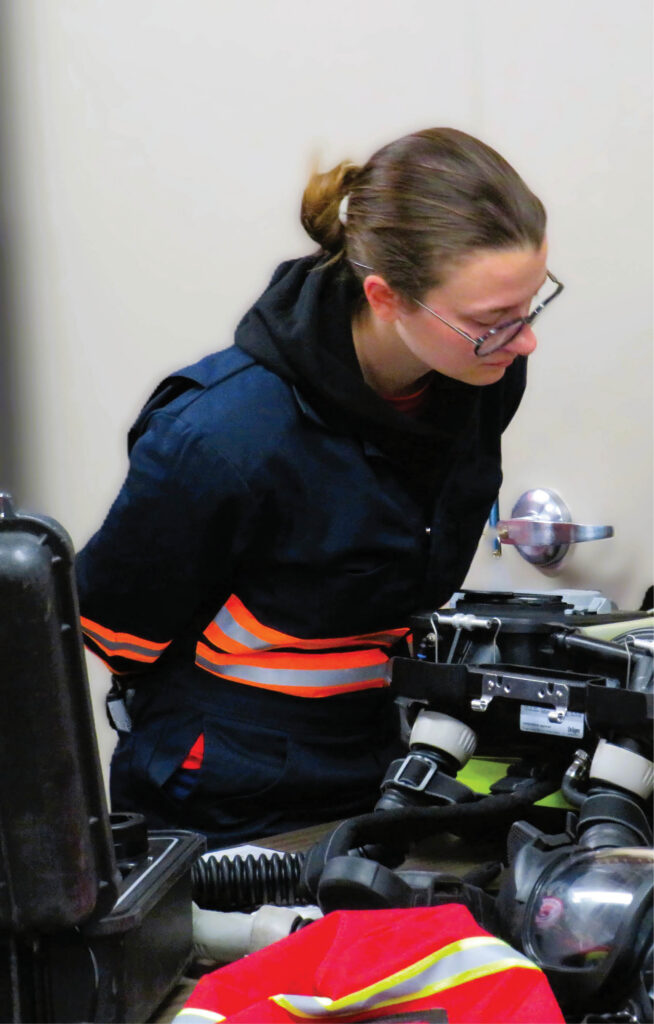
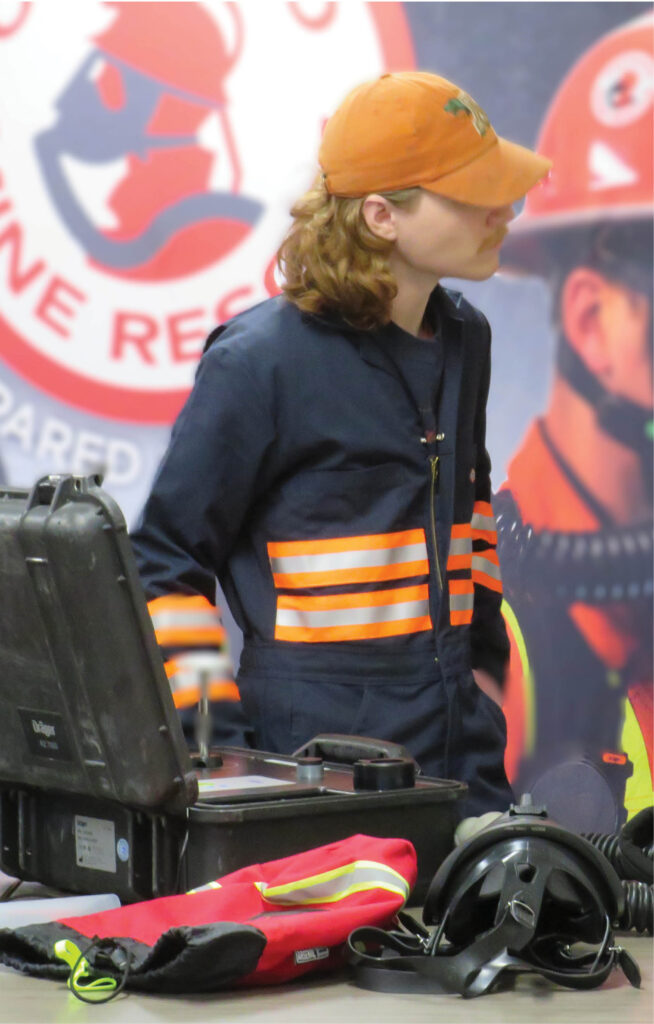
- Familiarization and Equipment Checks (February 6th-7th): Before descending into simulated tunnels, teams are given ample time to familiarize themselves with the rescue equipment, response tools, and specific protocols for each challenge. This critical phase ensures that all participants understand the tools at their disposal and the expected standards of performance. This includes inspecting breathing apparatus, communication devices, extrication tools, and medical supplies.
- Scenario Execution (Mid-February): The core of the competition unfolds over several days. Teams are presented with their simulated emergency scenarios and must execute their rescue plans under the watchful eyes of experienced judges. These judges, often seasoned mine rescue professionals and industry experts, assess each team’s performance based on predefined criteria, including speed, efficiency, safety adherence, and decision-making.
- Technical Skills Challenges: Alongside the main scenarios, teams participate in specific technical skills challenges, demonstrating their proficiency in individual competencies.
- Mass Casualty First Aid Drills: Dedicated sessions focus on the triage, treatment, and management of simulated mass casualty events.
- Debriefings and Feedback: Following each major exercise, teams participate in debriefings with judges to review their performance, identify areas for improvement, and receive constructive criticism. This feedback loop is a vital part of the learning process.
Post-Competition Phase (February 21st onwards):
- Awards Ceremony: The competition culminates in an awards ceremony recognizing the top-performing teams. In this year’s event, Laurentian University Mine Rescue emerged as the overall winner, a testament to their dedicated preparation and execution.
- Networking and Knowledge Sharing: The IMERC provides an invaluable platform for students, faculty, and industry professionals to connect, share knowledge, and discuss best practices in mine safety and emergency response.
- Analysis and Future Planning: Organizers and participating institutions analyze the competition results and feedback to refine future events and enhance training programs.
Supporting Data and Industry Context
The importance of mine emergency response training cannot be overstated. According to the U.S. Mine Safety and Health Administration (MSHA), between 2010 and 2020, there were an average of 27 fatalities per year in U.S. mines, with a significant portion of these incidents occurring in underground operations. While these numbers represent a decline from historical trends due to improved safety regulations and practices, the potential for catastrophic events remains. Competitions like IMERC are crucial for ensuring that the industry has a well-trained and prepared workforce capable of mitigating the impact of such incidents.

The global mining industry is vast, with an estimated annual output valued in the trillions of dollars. Countries heavily reliant on mining, such as Canada, Australia, Chile, and South Africa, prioritize safety as a critical component of sustainable operations. Organizations like the Mining Association of Canada (MAC) and its international counterparts actively promote best practices and advocate for continuous improvement in mine safety. IMERC contributes to this broader effort by equipping future leaders with the skills and mindset to uphold the highest safety standards.
Furthermore, the economic implications of mine accidents can be severe. Beyond the tragic loss of life and injury, accidents can lead to prolonged mine closures, significant financial losses for companies, and damage to the reputation of the industry. Effective emergency response, therefore, is not just a moral imperative but also an economic necessity.
Official Responses and Inferred Reactions
While direct quotes from participants or organizers were not provided in the initial information, the nature of such an event allows for inferred reactions and statements from related parties.
Laurentian University: As the host institution, Laurentian University likely views IMERC as a flagship event that underscores its commitment to providing industry-relevant education and fostering practical skills. A university spokesperson might state, "Laurentian University is proud to host the Intercollegiate Mine Emergency Response Competition, providing a vital platform for students to develop critical life-saving skills in a realistic setting. Our proximity to a major mining region and our strong industry partnerships enable us to offer unparalleled training opportunities for the future of mining safety." The victory of the Laurentian University Mine Rescue team would be a source of immense pride for the institution, highlighting the effectiveness of their mining engineering program and their dedicated student preparation.
Participating Universities: Deans or department heads from other participating universities would likely express their satisfaction with the learning experience provided. A representative might comment, "Competitions like IMERC are invaluable for our students. They provide hands-on experience that cannot be replicated in a classroom, fostering teamwork, resilience, and a deep understanding of the responsibilities that come with working in the mining sector. We are grateful to Laurentian University for organizing such a high-caliber event."
Industry Partners and Judges: The industry professionals who serve as judges and mentors play a critical role. Their feedback is essential for the development of the students. An industry representative might offer, "Witnessing these students in action is inspiring. They demonstrate a remarkable level of dedication and skill, applying complex principles under pressure. Events like IMERC are crucial for ensuring a pipeline of competent and safety-conscious professionals entering the mining workforce. The challenges they faced today are reflective of the real-world complexities of mine rescue."
The Winning Team (Laurentian University Mine Rescue): The captain or a representative of the winning team would likely express a combination of relief, pride, and gratitude. "We are absolutely thrilled to have won," a team member might say. "This competition was incredibly challenging, but it pushed us to our limits and taught us so much. We owe our success to the relentless training and the incredible support from our coaches and the university. It’s an honor to represent Laurentian and to have performed so well on home ground."
Broader Impact and Implications for the Mining Sector
The IMERC holds significant implications for the broader mining sector, extending beyond the immediate experience of the participating students.
Enhanced Safety Culture
By simulating high-stakes scenarios, IMERC actively cultivates a proactive safety culture. Students learn the critical importance of adhering to protocols, anticipating hazards, and prioritizing the well-being of their team and potential victims. This ingrained safety consciousness is vital for reducing accidents and improving overall operational safety across the industry.
Development of Future Leaders
The competition provides a unique environment for identifying and nurturing future leaders in mine safety and emergency response. The pressure-cooker scenarios demand quick thinking, effective communication, and decisive leadership, skills that are transferable to managerial and supervisory roles within mining operations. The success of the Laurentian University team, in particular, highlights the strength of their educational programs in preparing capable future professionals.
Bridging Academia and Industry
IMERC serves as a crucial bridge between academic learning and practical industry application. The direct involvement of industry professionals as judges and mentors ensures that the competition’s challenges and evaluations align with current industry standards and best practices. This collaboration helps to ensure that university curricula remain relevant and that graduates are well-prepared for the demands of the mining workforce.
Promotion of Technological Advancement
Mine rescue often relies on sophisticated technology. Competitions like IMERC encourage students to become proficient with advanced equipment, fostering an appreciation for technological innovation in safety. This can drive demand for new and improved rescue technologies and encourage their adoption within the industry.
Regional Economic and Educational Impact
Hosting the IMERC in Sudbury not only benefits the participating students but also reinforces the region’s reputation as a leader in mining research and education. It attracts talent and expertise to the area and showcases the robust mining ecosystem that exists in Northern Ontario. For Laurentian University, the victory further solidifies its standing in the field of mining engineering education.
In conclusion, the Intercollegiate Mine Emergency Response Competition is more than just a contest; it is a vital investment in the future safety and sustainability of the mining industry. By providing a rigorous and realistic training ground, IMERC equips students with the skills, knowledge, and mindset necessary to face the inherent challenges of mining and to uphold the highest standards of emergency preparedness. The event’s success, marked by the dedication of the participating teams and the triumph of Laurentian University Mine Rescue, underscores the ongoing commitment to fostering a culture of safety and excellence within the global mining community.