


Discipline has quietly become one of the most misunderstood and contentious components of the modern American educational system. While historically viewed through the lens of compliance and punitive measures, a growing body of research in youth development and behavioral psychology suggests that traditional exclusionary discipline—such as suspensions and detentions—often fails to address the underlying causes of student misconduct. Nathan Maynard, an expert in educational systems and author of The Science of Discipline, argues that schools must move beyond the "control-and-consequence" model toward a framework rooted in skill acquisition and human connection. This paradigm shift posits that most behavioral disruptions are not character flaws but indicators of missing executive functioning or self-regulation skills.
The Evolution of School Discipline: A Historical Perspective
For much of the 20th century, school discipline was predicated on the "behaviorist" model, which relied heavily on positive and negative reinforcement to maintain order. However, the introduction of "Zero Tolerance" policies in the 1990s—originally designed to curb drug and weapon-related violence—led to an unintended escalation in exclusionary practices for minor infractions.
According to data from the U.S. Department of Education’s Office for Civil Rights, these policies disproportionately impacted marginalized student populations, contributing to what researchers term the "school-to-prison pipeline." Over the last decade, a reactionary movement has taken hold among educational administrators who observed that rapid, standardized punishments, such as removing a student from the classroom for outbursts or chronic absenteeism, resulted in minimal long-term behavioral improvement. Instead, these methods often alienated students, leading to increased recidivism rates and a breakdown in the teacher-student relationship.
The Science of Skill-Based Intervention
The core methodology proposed by practitioners like Maynard is the "replacement skill" approach. This framework draws parallels between academic learning and behavioral modification. In the same way that a student who struggles with reading requires targeted phonics instruction rather than detention, a student who struggles with impulse control requires explicit instruction in self-regulation.
Behavioral scientists categorize these interventions into three primary domains:

- Executive Functioning: Addressing time management, organizational skills, and impulse control.
- Emotional Regulation: Providing tools for identifying physiological triggers and utilizing coping mechanisms before a "meltdown" occurs.
- Social Communication: Teaching students how to request help or express frustration through prosocial language rather than withdrawal or aggression.
Research indicates that when schools implement these tiers of support, they report a significant decrease in office discipline referrals (ODRs). A study conducted on restorative practices in middle schools found that when teachers were trained to identify the "missing skill" behind a behavior—such as a student interrupting because they lack the patience to hold a thought—the resulting pedagogical intervention increased instructional time by an average of 15% per week.
Chronology of Behavioral Strategy Implementation
The shift toward evidence-based discipline has moved through several distinct phases:
- Pre-2010s: Dominance of the punitive model; focus on immediate removal from the learning environment.
- 2010–2015: Rise of Positive Behavioral Interventions and Supports (PBIS); focus on incentivizing good behavior.
- 2015–2020: Integration of Social-Emotional Learning (SEL) and trauma-informed practices.
- 2020–Present: Emergence of the "Replacement Skill" methodology, focusing on individualized cognitive scaffolding rather than broad-scale behavioral modification.
Practical Applications in the Classroom
To move from theory to practice, educators are increasingly adopting standardized strategies for common classroom scenarios. For instance, in addressing students who habitually interrupt instructions, schools are moving away from public reprimands—which can trigger defensive reactions—toward non-verbal signaling. By establishing a "silent signal" (such as a hand gesture or a note-sharing system), teachers allow the student to maintain their dignity while practicing the cognitive skill of delaying gratification.
Similarly, for students who exhibit avoidant behaviors, such as putting their heads down or refusing to work, the strategy involves "scaffolding communication." By providing students with sentence stems (e.g., "I need help with this specific part"), the educator transforms a perceived act of defiance into an opportunity for academic support. This approach recognizes that the behavior is a communication tool: the student is not trying to be difficult, but is struggling to navigate a curriculum or social environment they do not currently have the tools to handle.
Data-Driven Implications for School Culture
The implications of adopting a science-based discipline model are profound for school administrators. When schools function as "ecosystems" rather than "silos," they create a consistent experience for the student. If a teacher handles a minor disruption using a replacement skill, but the school administration responds to the same behavior with automatic suspension, the student receives conflicting signals regarding accountability.
Data suggests that schools with unified, tiered discipline plans—where teachers, counselors, and administrators are aligned on the methodology—see a 20% to 30% reduction in suspensions over a three-year period. Furthermore, these schools often report higher teacher retention rates. The current burnout crisis in the teaching profession is frequently linked to the emotional exhaustion of managing chronic classroom disruptions; by providing teachers with a systematic way to teach behavior, schools can reduce the cognitive and emotional load placed on staff.
The Role of Regulation in Learning
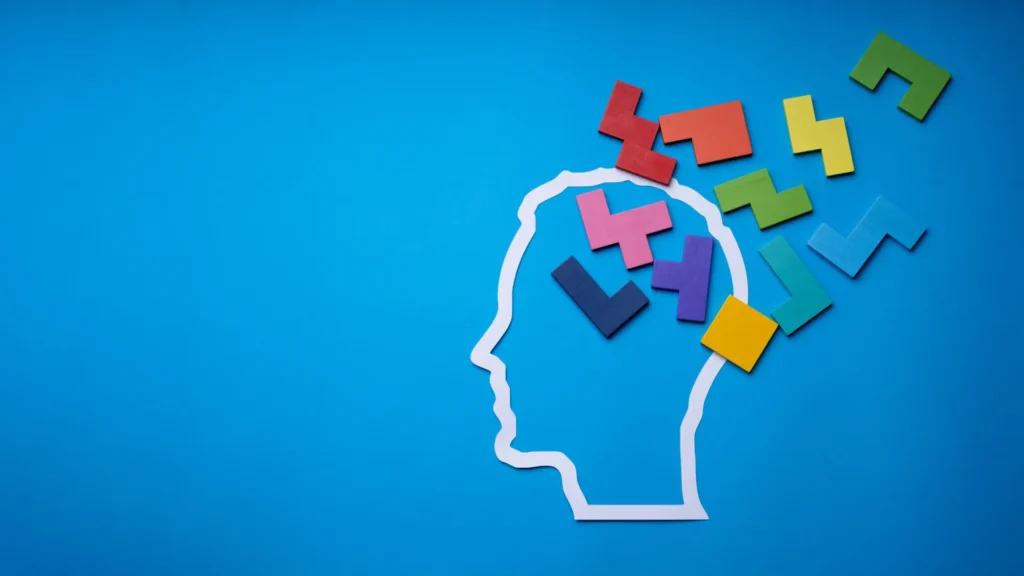
A critical component of this discipline model is the principle of "regulate before you reason." Neurobiological research confirms that when a student is in a state of high emotional arousal—a "fight, flight, or freeze" response—the prefrontal cortex, which handles executive function and logic, is effectively offline.
Attempts to reason with a dysregulated student are scientifically ineffective. Therefore, the first step in any disciplinary interaction must be co-regulation. This involves the adult maintaining a calm, grounded presence to signal safety to the student’s nervous system. Only once the student has returned to a baseline state of calm can the educator engage in the "repair and rebuild" phase, where the missing skill is identified and taught.
Broader Societal Impact
The movement toward skill-based discipline is not merely a pedagogical trend; it is a long-term investment in social health. With approximately 50 million children enrolled in the U.S. public education system annually, the way discipline is handled in the classroom serves as a primary socialization tool. If students are taught that their worth is conditional and that their mistakes define their identity, they are likely to replicate those patterns in the workforce and their personal lives.
Conversely, by teaching students to own their mistakes, repair harm, and seek help, educators are fostering the development of resilient, self-aware citizens. This shift requires a departure from the "unalive algorithm" approach to student behavior—treating humans like data points to be sorted and expelled—and moves toward a model that views every interaction as a formative developmental moment.
Conclusion and Future Outlook
As schools continue to grapple with the complexities of post-pandemic student behavior, the demand for actionable, science-backed discipline strategies is at an all-time high. While the implementation of these practices requires significant professional development and a cultural shift within school districts, the evidence suggests that the benefits—increased student belonging, improved academic outcomes, and a safer, more predictable environment—are worth the investment.
The transition to a skill-based discipline framework is fundamentally a transition toward a more humane educational environment. By viewing behavior as information and prioritizing the teaching of skills over the enforcement of compliance, the modern school can fulfill its promise to prepare students not just for testing, but for the nuances of navigating a complex, interconnected world. The future of school discipline lies in the recognition that for every student who "acts out," there is a skill waiting to be taught, and an opportunity for growth that, if nurtured correctly, can change the trajectory of their development.