


Deep beneath the turbulent surface of the South Atlantic Ocean, an extraordinary underwater realm has yielded a trove of biodiversity previously unknown to science. During an intensive marine expedition conducted in August 2025 within the Mar del Plata Submarine Canyon off the coast of Argentina, researchers successfully identified 57 new marine species and five new scientific genera. Among the most striking discoveries is a deep-sea echinoderm affectionately dubbed "Loki the Sea Cucumber," alongside a rich assortment of unseen copepods, vibrant octocorals, and delicate sea pens. This monumental finding underscores both the immense ecological richness of the deep sea and the urgent necessity for collaborative, accelerated taxonomic research in the face of escalating global environmental pressures.
The Mar del Plata Submarine Canyon, plunging to depths exceeding 11,000 feet—nearly twice the depth of Arizona’s Grand Canyon—serves as a dramatic stage for these discoveries. The expedition specifically targeted the Brazil–Malvinas Confluence, a dynamic and turbulent oceanographic crossroads where warm, northward-flowing subtropical currents collide with cold, nutrient-dense sub-Antarctic waters. This convergence zone creates an exceptionally fertile environment that acts as a magnet for marine life, fostering complex food webs and supporting specialized deep-sea habitats. Operating in such extreme conditions requires cutting-edge marine technology, deployed by organizations committed to shedding light on the planet’s least understood ecosystems.
The Chronology of the Expedition and Discovery
The journey toward these remarkable discoveries began well before the physical samples were analyzed in a laboratory. The primary fieldwork took place in August 2025, executed via an oceanographic expedition by the Schmidt Ocean Institute. Utilizing advanced remotely operated vehicles (ROVs) capable of withstanding crushing pressures and freezing temperatures, scientists mapped the rugged terrain of the Mar del Plata Submarine Canyon and collected high-resolution imagery and physical biological samples from depths stretching down past 8,000 feet.
Following the offshore data collection, the focus shifted to land-based analysis during an intensive international Species Discovery Workshop. Held at the Universidad Maimónides in Buenos Aires, this collaborative effort was jointly led by the Nippon Foundation-Nekton Ocean Census and the Schmidt Ocean Institute. Over the course of two rigorous weeks, a dedicated team of 20 taxonomists and early-career researchers hailing from various institutions across Latin America and Europe meticulously examined the deep-sea biological samples. By leveraging the open-access Ocean Census NOVA platform alongside traditional taxonomic methods, the team rapidly processed the collected specimens, leading to the identification of 57 species entirely new to science from a mere fraction of the total collected material.
Taxonomic Breakdown and Notable Species
The variety of life cataloged during the two-week workshop highlights the profound biological complexity hidden within the canyon’s depths. The newly identified organisms span multiple phyla, demonstrating that biodiversity flourishes even in the perpetual darkness and high-pressure environments of the deep ocean.

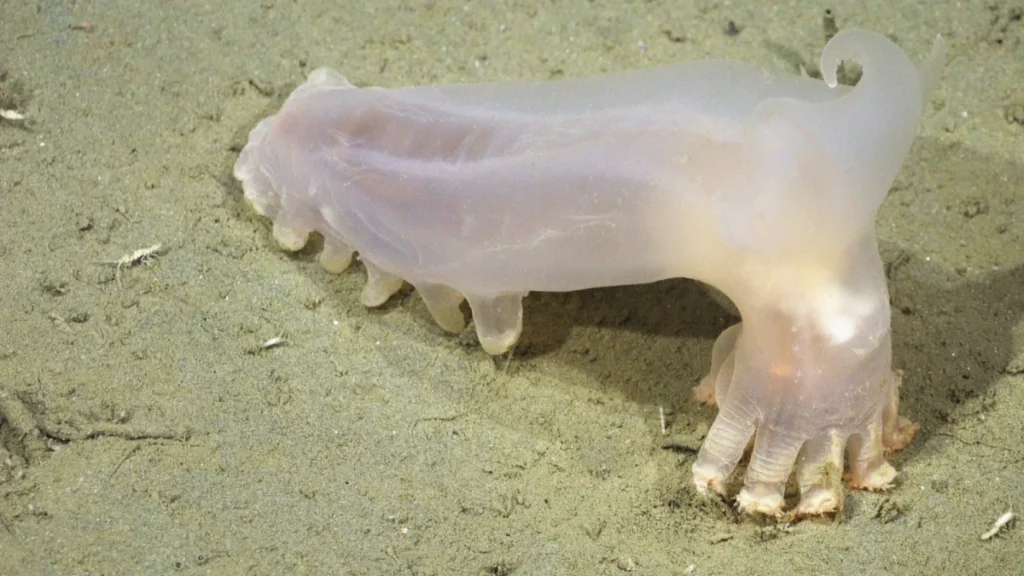
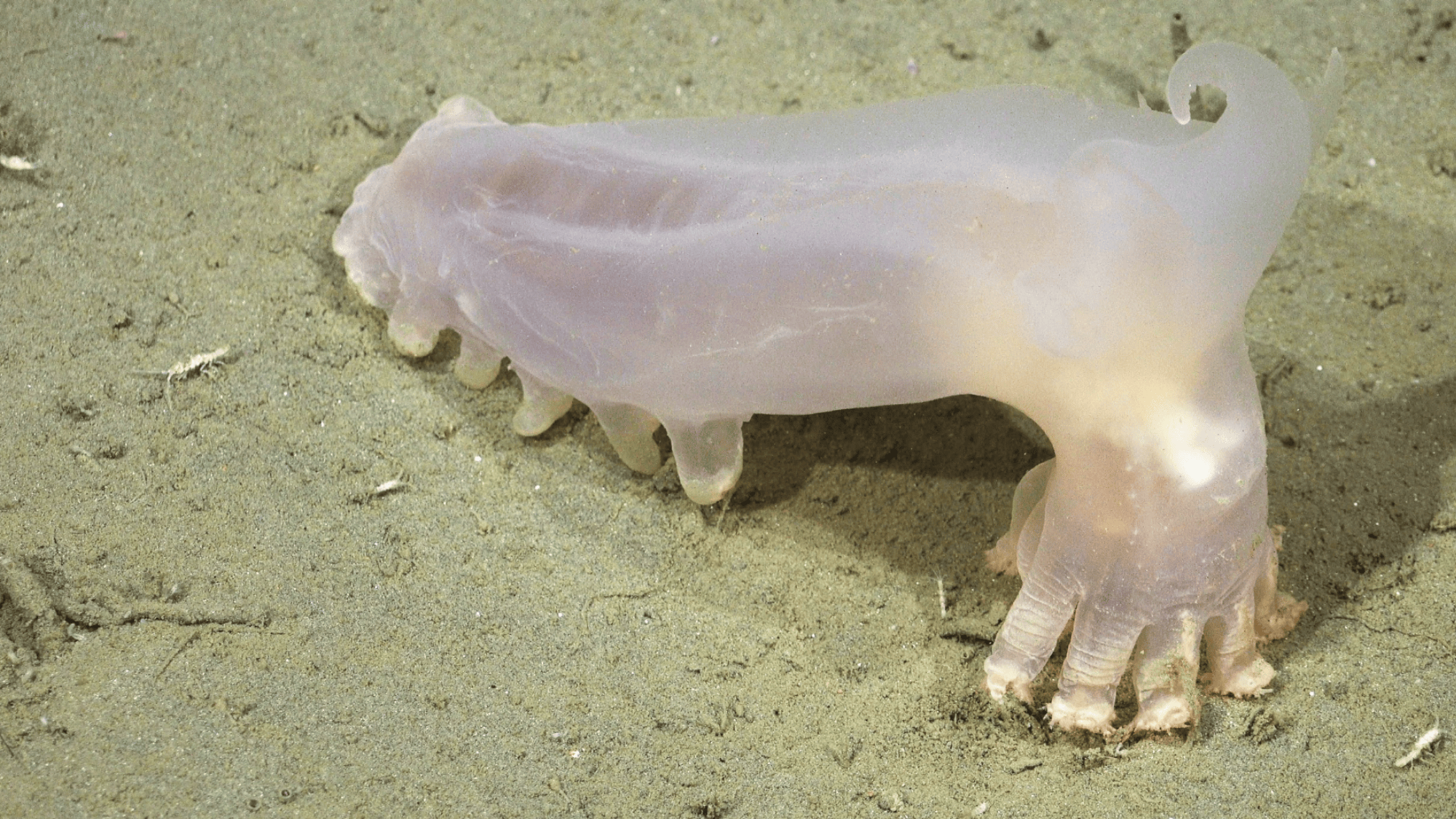
Among the standout discoveries is the deep-sea echinoderm belonging to the genus Peniagone, quickly popularized as "Loki the Sea Cucumber." Encountered at a depth of 8,454 feet (2,577 meters), this organism earned its moniker due to distinct dorsal appendages that bear an uncanny resemblance to the legendary horns associated with Norse mythology’s god of mischief. Loki is just one of potentially ten new sea cucumber species uncovered during the expedition, signaling that the benthic zone of the South Atlantic harbors exceptional morphological diversity within this single class of animals.
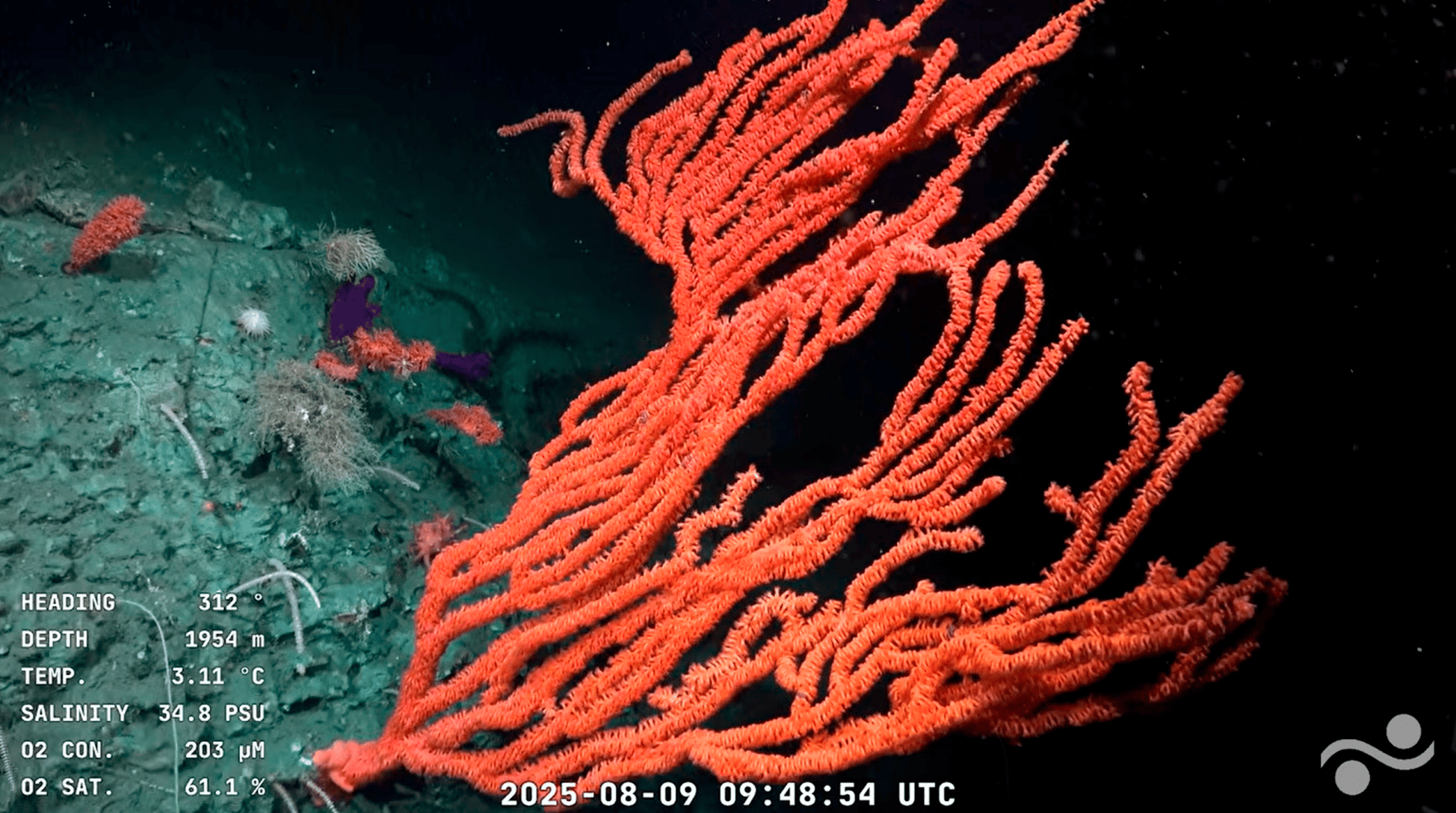
In addition to echinoderms, the researchers identified 20 new species of copepods—microscopic crustaceans that play a fundamental role in global marine food webs as primary consumers and a vital food source for larger fish and marine mammals. Furthermore, the expedition cataloged 14 new species of cnidarians, which include structural habitat-builders such as stony corals, sea pens like Pseudumbellula sp., and vivid orange-red octocorals such as Orstomisis sp., spotted over 6,000 feet below the surface. In total, the taxonomy team confirmed 22 echinoderms, 20 copepods, 14 cnidarians, and one scaphopod mollusc as entirely new species, alongside five brand-new genera spanning corals, sea cucumbers, and crustaceans.
Official Responses and Collaborative Frameworks
The sheer volume of discoveries made in such a brief timeframe has drawn high praise from leaders in the international scientific community, who emphasize the critical role of cross-border cooperation in modern marine biology.
"Discovering 57 new species and five new genera in just two weeks demonstrates the speed and power of collaborative taxonomy," stated Dr. Michelle Taylor, Head of Science at Ocean Census, during a press briefing following the workshop. "The deep sea holds some of the least understood ecosystems on Earth. By bringing Latin America’s scientific expertise and international experts together, as well as connecting them to the open-access Ocean Census NOVA platform, we are drastically accelerating our understanding of marine biodiversity."
This sentiment was strongly echoed by regional experts who participated directly in the analytical process. Daniel Lauretta, a chief scientist with CONICET and the Museo Argentino de Ciencias Naturales, highlighted the logistical and educational value of the Buenos Aires workshop. "International cooperation in taxonomy is critical, especially in groups with few active specialists," Lauretta noted. "The species discovery workshop accelerated species identification, the recognition of species new to science, and increased capacity building for local early-career taxonomists working on deep-sea fauna."
Broader Implications and Environmental Analysis
The identification of dozens of new species in the Mar del Plata Submarine Canyon is far more than a routine taxonomic triumph; it carries profound implications for global marine conservation, climate science, and our fundamental understanding of evolutionary biology. Deep-sea ecosystems, while isolated from human habitation, are increasingly threatened by anthropogenic pressures such as deep-sea fishing, potential mineral extraction, and the cascading effects of global climate change, including ocean acidification and rising water temperatures.

Coral species and deep-sea structural organisms—such as the newly identified octocorals and sea pens—serve as ecosystem engineers. By constructing complex physical habitats on the ocean floor, they provide shelter, breeding grounds, and foraging areas for a multitude of other deep-dwelling organisms. Understanding the composition and distribution of these foundational species is paramount for establishing effective marine protected areas (MPAs) and regulatory frameworks in international and national waters alike.
Furthermore, the discovery of numerous species from a preliminary examination of only 10 percent of the expedition’s total physical samples suggests that the true extent of biodiversity in the South Atlantic remains vastly underestimated. As researchers continue to analyze the remaining samples and explore adjacent submarine canyons, it is anticipated that additional species will be brought to light. This ongoing work reinforces the reality that humanity has mapped only a fraction of the deep ocean, emphasizing the urgent need to protect these pristine, highly specialized environments from industrial disruption before their full ecological value is even understood.