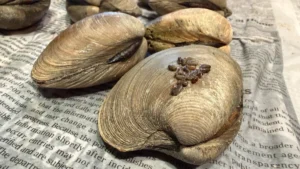


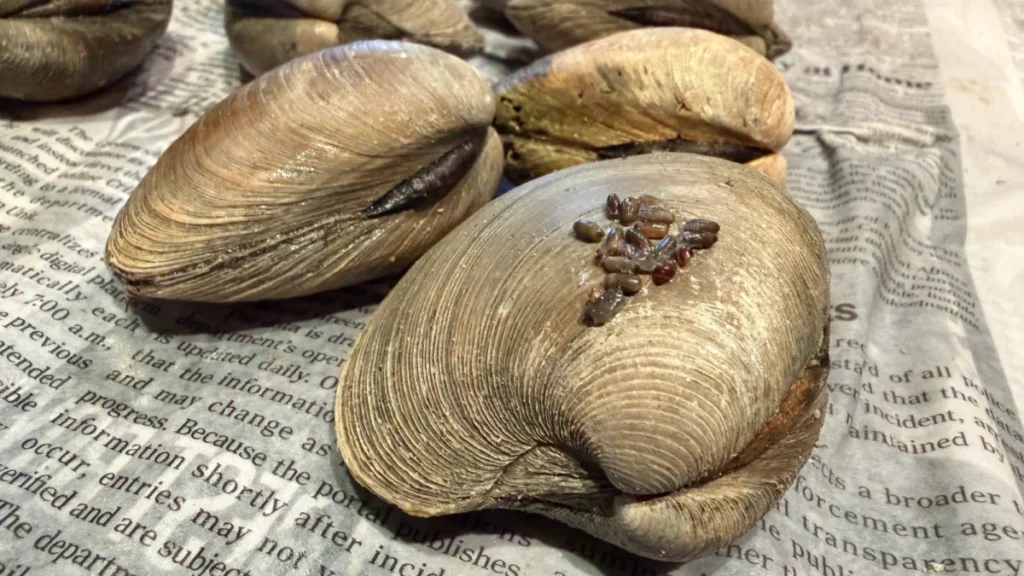
Environmental restoration often requires stepping outside traditional conservation playbooks to find innovative solutions to complex ecological crises. Along the sprawling, nutrient-rich estuaries of the Long Island Sound in New York and Connecticut, marine biologists and regional conservationists are pioneering a novel restoration technique: enlisting live clams to act as underwater planters for declining eelgrass meadows. By affixing the vital aquatic plant’s seeds to clam shells using a combination of coral reef adhesive and wet spring roll wrappers, scientists have documented a dramatic 178 percent surge in meadow coverage in targeted pilot zones.
This ambitious initiative represents a collaborative push among regional environmental groups, academic institutions, and grassroots volunteers to combat decades of severe marine habitat degradation. As coastal ecosystems face mounting pressures from rising water temperatures, urban runoff, and historical pollution, this unconventional approach offers a promising blueprint for restoring fragile coastal habitats up and down the Atlantic seaboard.
The Ecological Significance and Steep Decline of Eelgrass
Eelgrass, scientifically known as Zostera marina, serves as a cornerstone species within temperate marine and estuarine ecosystems. Often forming dense underwater meadows, this flowering marine plant provides a multifaceted array of ecological services. It acts as an essential nursery ground, offering critical foraging areas and protective shelter for a wide array of juvenile finfish, crabs, and invertebrates before they migrate to open waters. Furthermore, eelgrass plays a vital role in stabilizing benthic sediments, which significantly diminishes coastal erosion caused by wind-driven waves and heavy storms.
Beyond structural protection, the plant functions as a natural water filtration system. Eelgrass absorbs excess nutrients—such as nitrogen and phosphorus originating from agricultural runoff and wastewater treatment facilities—that would otherwise fuel devastating algae blooms and subsequent hypoxic dead zones. Through photosynthesis, the meadows also infuse the surrounding waters with dissolved oxygen, improving overall water clarity and quality.
Despite these indispensable functions, eelgrass populations have suffered catastrophic losses over the last century. Historical data compiled by the regional environmental action group Save the Sound indicates that eelgrass meadows in and around the Long Island Sound have plummeted by more than 90 percent since the 1930s. This precipitous decline has been driven by a combination of historical dredging, coastal development, disease outbreaks, and chronic water quality degradation. As water temperatures continue to climb due to global climate change, remaining eelgrass stands experience physiological stress, making natural recovery increasingly difficult.
The History of Eelgrass Restoration and the Clam-Based Breakthrough
Historically, restoring eelgrass has proven to be an exceptionally challenging and resource-intensive endeavor. Traditional restoration methods typically involved harvesting mature eelgrass shoots from healthy donor beds and manually transplanting them into degraded areas using divers or specialized frames. These methods are frequently hindered by high labor costs, low transplant survival rates, and logistical difficulties in high-energy marine environments. Alternative methods, such as broadcasting seeds directly onto the water’s surface, often result in seeds being swept away by currents or consumed by bottom-dwelling scavengers before germination can occur.
Recognizing the urgent need for a more efficient, scalable solution, conservationists turned to out-of-the-box thinking. The innovative strategy of utilizing clams as biological seed-delivery vehicles was originally conceptualized by Robert Vasiluth, founder of Submerged Aquatic Vegetation Engineers Environmental (SAVE).
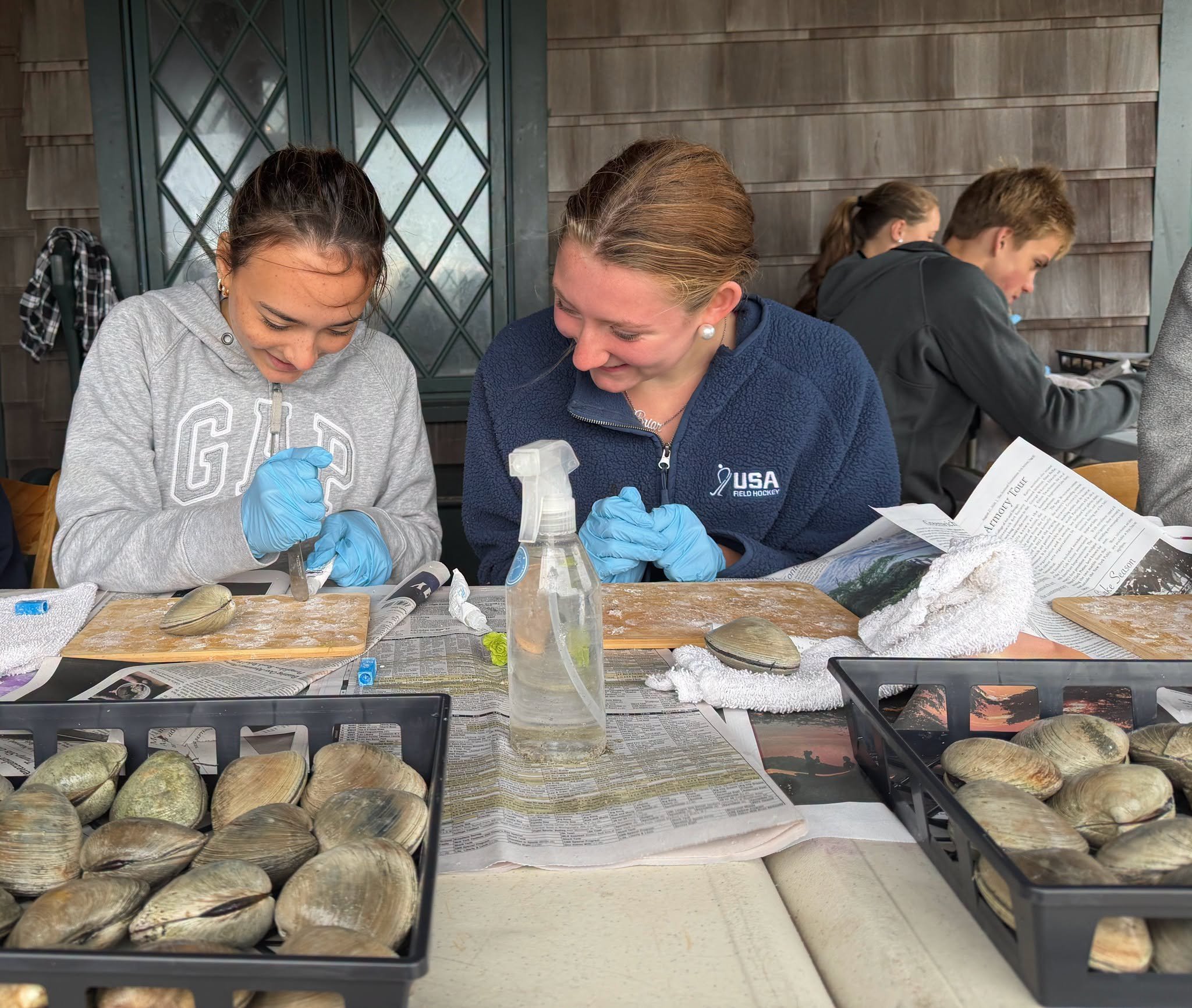
The mechanics of the method are deceptively simple: by attaching eelgrass seeds directly to the exterior of hard clams, researchers harness the natural burrowing behavior of the mollusks. Once the seeded clams are released into the sound, they naturally seek out and bury themselves into the sediment to escape predators and regulate their body temperature. As the clams descend into the mud, they effectively take the attached seeds down with them, embedding them at the optimal depth and substrate consistency required for successful germination.
Timeline and Chronological Evolution of the Project
The transition from conceptual theory to measurable ecological success has unfolded over a rapid timeline of trial, evaluation, and refinement.
In 2025, Save the Sound and its partners launched their first organized planting trials in the Long Island Sound using the clam-delivery method. During this initial phase, the project team relied primarily on specialized marine epoxy and adhesives traditionally utilized in coral reef restoration to secure the delicate eelgrass seeds to the clam shells.
Following the 2025 deployment, marine researchers monitored the sites using advanced drone imagery and underwater surveys to assess vegetation growth. The results exceeded initial expectations: analysis revealed that regional eelgrass meadow coverage had expanded by 178 percent in the intervention zones.
Encouraged by these promising initial figures, the project entered a refinement phase in late 2026. Maria Rosa, a biologist at Connecticut College, experimented with alternative adhesive mediums and discovered that utilizing wet pieces of edible rice paper—the translucent wrappers commonly used to make spring rolls—yielded significantly superior seed germination rates and seedling viability compared to synthetic epoxies alone.
Incorporating these academic findings into large-scale field operations, Save the Sound mobilized a network of citizen scientists and volunteers in October 2026. However, field implementation immediately presented logistical challenges. During the initial large-scale deployments conducted on Monday, October 19, field teams observed that the wet rice paper wrappers alone lacked sufficient adhesive longevity when exposed to vigorous wave action, causing some seeds to detach prematurely before reaching the bottom.
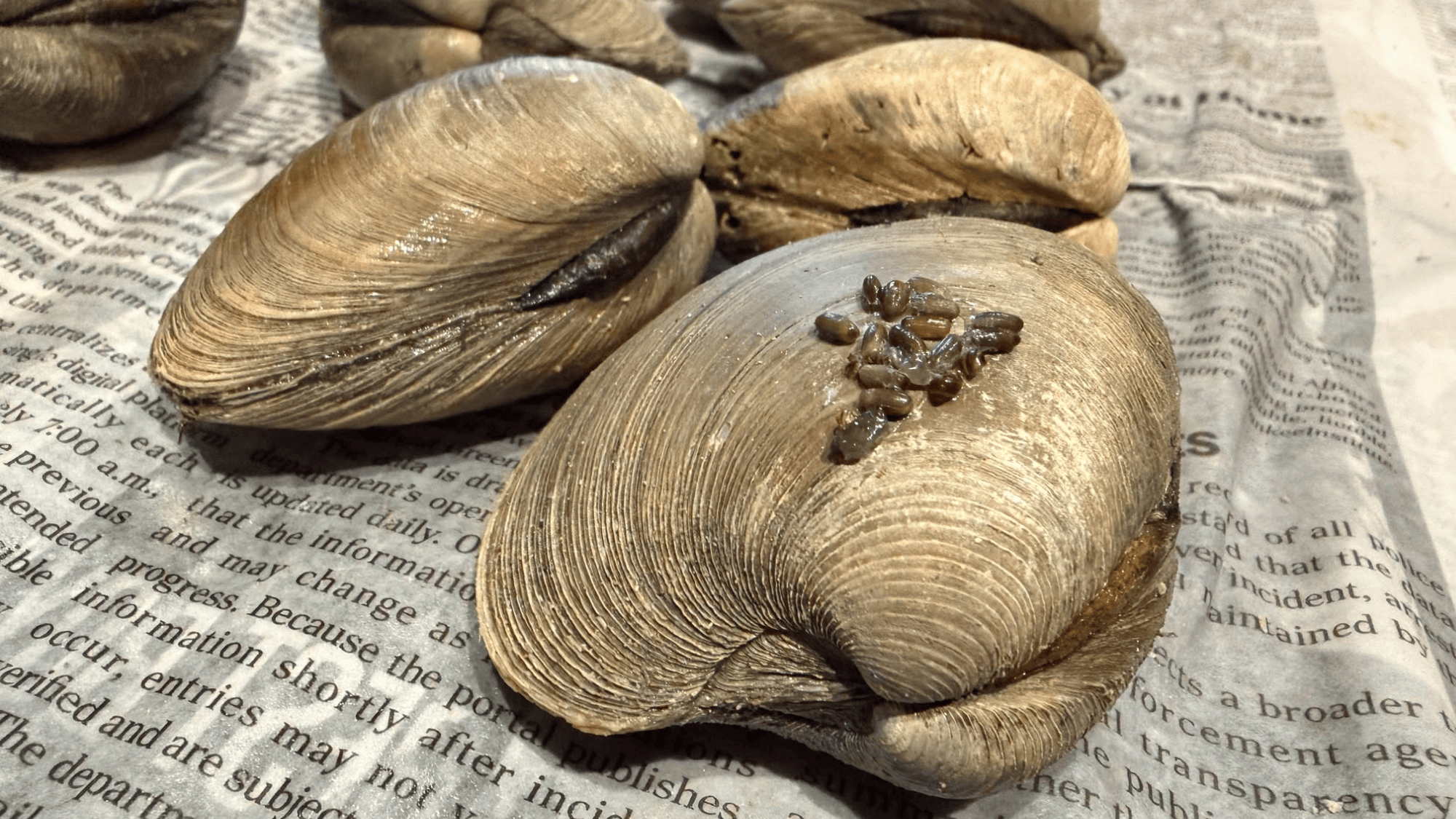
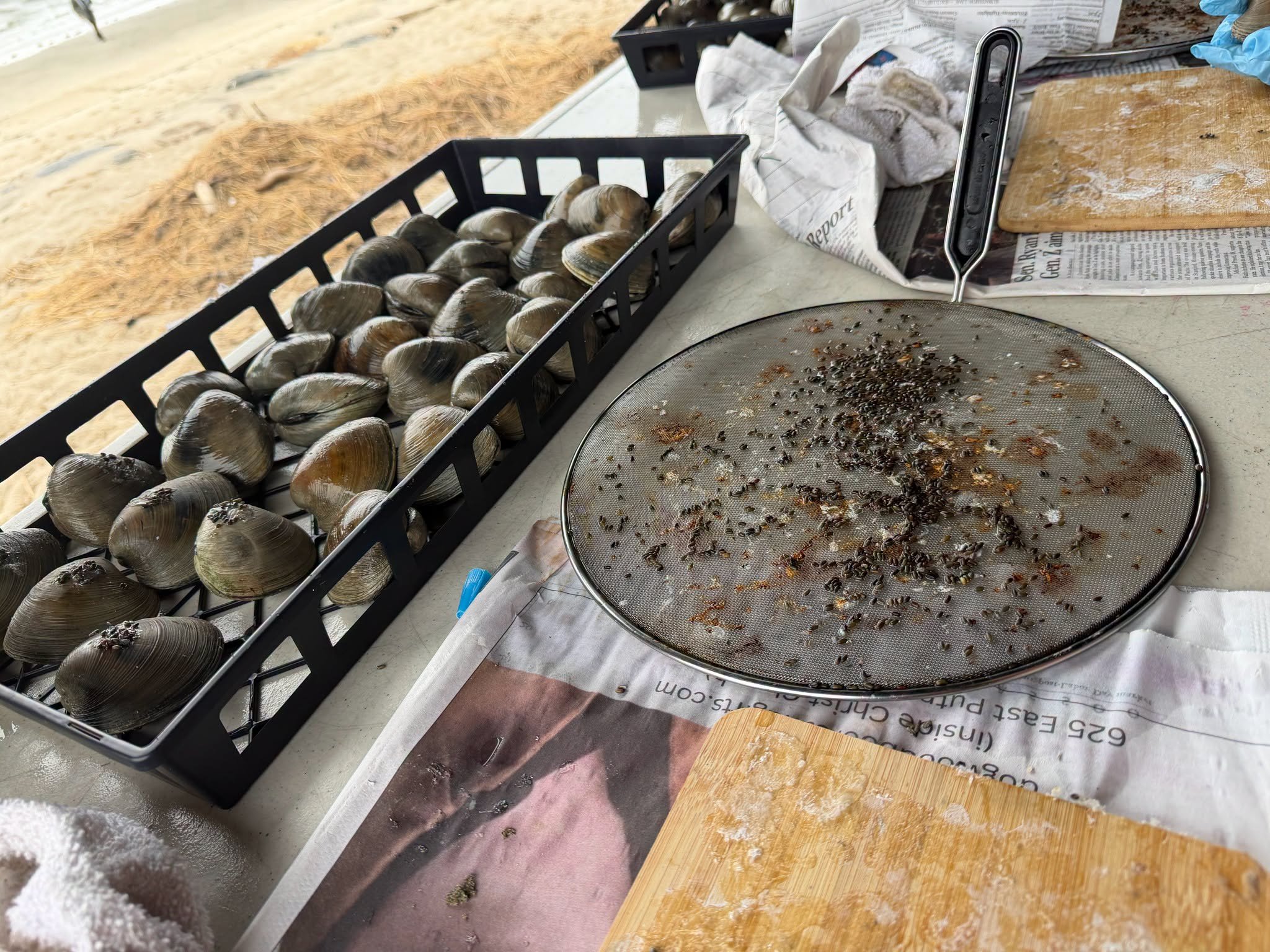
Swiftly adapting to field conditions on Tuesday, October 20, the restoration team engineered a hybrid application technique. Volunteers began assembling structured seed packets containing 10 to 20 eelgrass seeds positioned on top of each clam shell. A ring of coral reef adhesive is then piped around the seed cluster, and a square of wet rice paper is placed over the assembly like a postage stamp, sealed down by the surrounding glue. This composite method keeps the delicate seeds moist and anchored to the shell until the glue and rice paper naturally dissolve in the marine environment, safely releasing the germinating seeds directly into the sediment adjacent to the burrowed clam.
Official Responses and Expert Perspectives
Marine conservationists emphasize that while early metrics are exceptionally promising, long-term monitoring remains essential to validating the success of the methodology.
Bill Lucey, the Long Island Soundkeeper for Save the Sound, expressed cautious optimism regarding the rapid meadow expansion observed during drone surveys.
"It needs to survive for three years before we can really trumpet our horns and say it’s working, but the actual method of putting clams out and seeds attached to them really worked," Lucey explained. "The generation of the plants was incredible."
Lucey and his colleagues stress that ecological restoration is an incremental science that requires constant iteration between laboratory discoveries and field realities. By combining the academic insights of researchers like Maria Rosa with the boots-on-the-ground execution of local volunteers, the project demonstrates how multidisciplinary collaboration can overcome historical barriers in marine conservation.
Broader Impact and Future Implications
The current operational targets for Save the Sound’s ongoing season underscore the unprecedented scale of the initiative. The team aims to release approximately 10,000 live clams carrying an estimated 300,000 eelgrass seeds across targeted restoration zones within the Long Island Sound.
If this hybrid gluing and biological-planting technique maintains its high germination and survival rates over the critical three-year establishment threshold, the implications for estuarine restoration could extend far beyond New York and Connecticut. Coastal managers and marine biologists across North America and Europe are closely watching the Long Island Sound project as a potential template for restoring lost seagrass meadows in other degraded estuarine environments.
By transforming commercial and wild-harvested mollusks into unwitting agricultural workers, conservationists have unlocked a scalable, cost-effective method to heal marine habitats. As climate change and human pressures continue to threaten coastal biodiversity, innovative partnerships between human ingenuity and natural marine behaviors offer a vital pathway toward ecological resilience.