

Bose Corporation, a global leader in premium audio technology, has officially launched its comprehensive summer promotional event, introducing substantial price reductions across its most popular product lines. This strategic discounting period, which arrives as students and educators prepare for the upcoming academic year, features price cuts of up to $130 on flagship active noise-canceling (ANC) headphones, earbuds, and portable Bluetooth speakers. By positioning these high-performance audio tools at more accessible price points, Bose aims to capture the "back-to-school" market, where noise-canceling technology has transitioned from a luxury travel accessory to an essential productivity tool for modern learning environments.
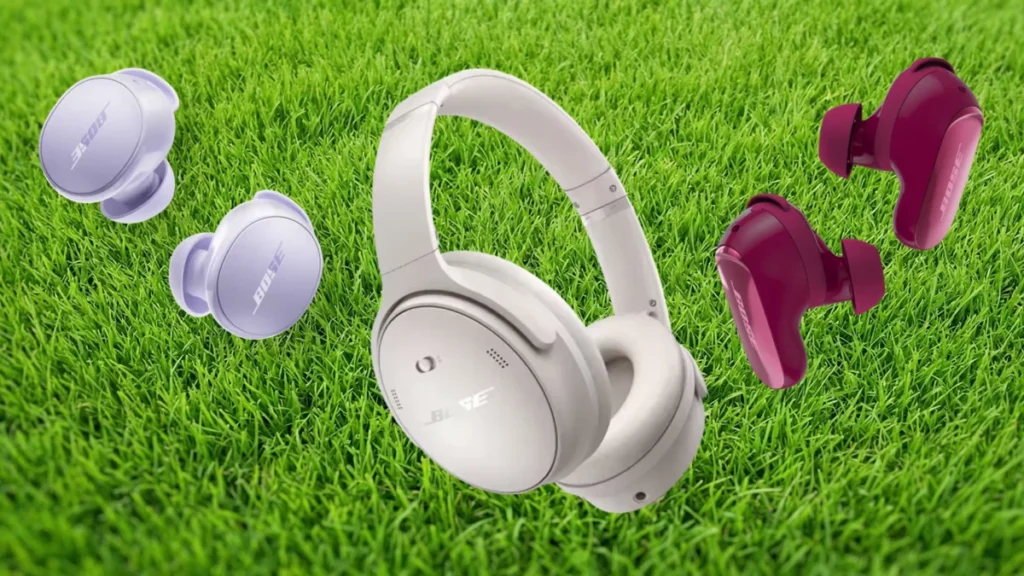
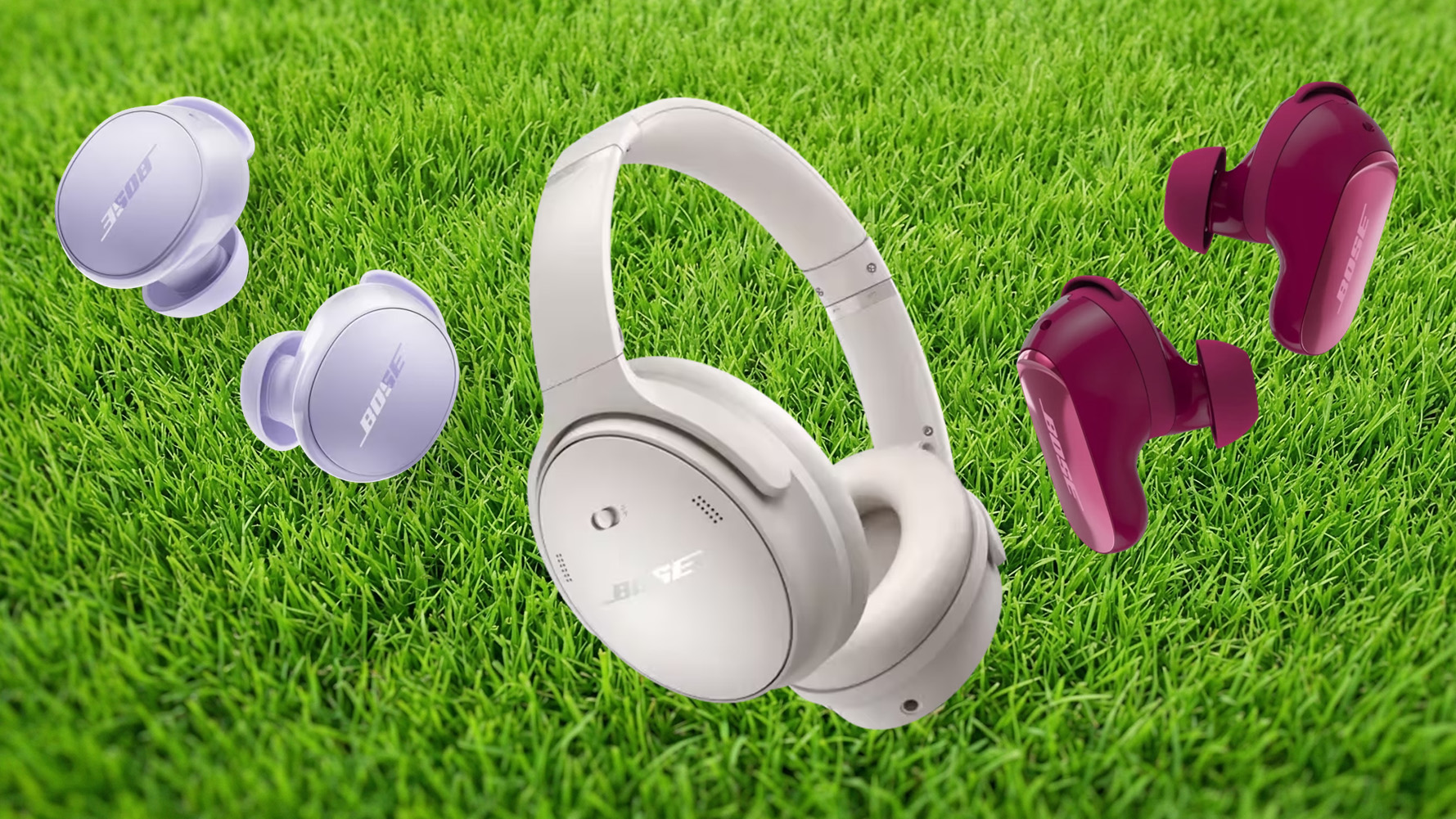
The centerpiece of the sale is the standard Bose QuietComfort Headphones, now priced at $229.00, down from the original retail price of $359.00. This represents one of the most significant price drops for the model outside of major holiday windows like Black Friday or Amazon Prime Day. For students navigating the auditory chaos of communal living, dormitories, and high-traffic university libraries, the QuietComfort series offers a specialized solution designed to foster focus and mitigate the cognitive load caused by ambient environmental noise.
The Evolution of Active Noise Cancellation in Educational Settings
The concept of Active Noise Cancellation, pioneered by Dr. Amar Bose following a flight in 1978 where he found existing headphones incapable of overcoming engine roar, has undergone a radical transformation over the last four decades. While the technology was initially marketed toward frequent flyers and business professionals, the contemporary educational landscape has created a new demand. Modern campuses are increasingly characterized by open-plan study spaces and collaborative environments that, while beneficial for social interaction, present significant hurdles for deep concentration.
The current Bose QuietComfort lineup utilizes a sophisticated array of internal and external microphones to monitor environmental sounds. The hardware then produces an "anti-noise" signal—a sound wave that is the exact inverse of the incoming noise—to effectively cancel out distractions before they reach the eardrum. For a college student, this technology does more than just play music; it creates a portable "quiet zone" that allows for concentrated study in environments ranging from bustling cafeterias to noisy public transportation.
Strategic Product Analysis: QuietComfort Headphones vs. Ultra Variants
In the current market, Bose has bifurcated its product offerings to cater to both budget-conscious consumers and those seeking the absolute pinnacle of audio engineering. The standard QuietComfort Headphones, currently discounted by $130, represent the "bang-for-the-buck" option. Despite not carrying the "Ultra" moniker, these headphones retain the core features that have made Bose a household name: legendary ANC performance, a comfortable "around-ear" design that facilitates hours of continuous wear, and a robust 24-hour battery life.
For users requiring more advanced features, the Bose QuietComfort Ultra Earbuds (2nd Gen) are also seeing a price reduction, now available for $249.00. The "Ultra" designation brings several proprietary technologies to the table, most notably Bose Immersive Audio. This spatial audio technology uses digital signal processing to make sound feel as though it is coming from a stage in front of the listener, rather than from within the ear canal. This feature, combined with CustomTune technology—which calibrates the audio and noise cancellation specifically to the unique shape of the user’s ear—positions the Ultra Earbuds as a top-tier choice for audiophiles and students who demand the highest level of audio fidelity.
The standard QuietComfort Earbuds, priced at $149.00 during the sale, offer a middle ground. While they lack the Immersive Audio and ActiveSense modes found in the Ultra line, they provide the same fundamental noise-canceling capabilities. This $100 price difference between the standard and Ultra earbuds allows consumers to choose based on their specific needs for advanced features versus raw noise-blocking utility.
Chronology of Bose Product Cycles and Market Positioning
To understand the significance of these discounts, one must look at the recent timeline of Bose product releases. Over the past 24 months, Bose has streamlined its naming conventions, moving away from the "QuietComfort 35" and "QuietComfort 45" numbering system in favor of the simplified "QuietComfort" and "QuietComfort Ultra" designations. This shift was intended to clarify the product hierarchy as the company faced increasing competition from Sony’s WH-1000XM series and Apple’s AirPods Max.
By offering these discounts in mid-summer, Bose is preempting the traditional August rush for school supplies. Historically, consumer electronics brands wait until late August or early September to offer "Back-to-School" specials. However, the current economic climate, characterized by cautious consumer spending and high interest rates, has prompted many manufacturers to initiate sales earlier in the season to secure market share. The $229 price point for the over-ear QuietComfort headphones is particularly aggressive, as it undercuts many mid-range competitors while offering a premium brand experience.
Portable Audio and the "Outdoor Study" Trend
Beyond personal listening devices, the Bose summer sale extends to the SoundLink line of portable speakers. The SoundLink Max, designed for higher volume and longer-range audio projection, and the SoundLink Micro, a palm-sized device, are both featured in the promotion. The SoundLink Micro, priced under $100, is specifically marketed toward students who require a durable, water-resistant speaker that can be clipped to a backpack for outdoor use.
Industry analysts note that the demand for rugged, portable audio has grown as university campuses emphasize outdoor socialization and "green-space" study sessions. The SoundLink Micro’s IP67 rating, which ensures protection against dust and water submersion, reflects a design philosophy centered on durability—a key requirement for the "on-the-go" lifestyle of a typical university student.
Technical Specifications and Comparative Data
The following data highlights the performance metrics of the key items included in the current sale:
| Product | Sale Price | Battery Life | Key Feature |
|---|---|---|---|
| QuietComfort Headphones | $229.00 | 24 Hours | Best-in-class ANC for price |
| QC Ultra Earbuds | $249.00 | 6 Hours (Buds) | Immersive Audio / CustomTune |
| QuietComfort Earbuds | $149.00 | 8.5 Hours | High value, secure fit |
| SoundLink Micro | <$100.00 | 6 Hours | IP67 Waterproof / Rugged |
The 24-hour battery life of the over-ear QuietComfort headphones is a critical specification for students. It ensures that a single charge can last through a full week of commutes and study sessions. Furthermore, the inclusion of a "Quick Charge" feature—providing up to 2.5 hours of playback from a 15-minute charge—addresses the common pain point of forgetting to plug in devices overnight.
Industry Implications and Competitive Landscape
The audio industry is currently witnessing a "race to the bottom" in terms of noise-canceling efficiency, where even entry-level brands are offering some form of ANC. However, Bose maintains its market lead through the precision of its algorithms and the physical ergonomics of its hardware. While competitors like Sony often lead in terms of software customization and LDAC support, Bose continues to be favored for its "plug-and-play" simplicity and superior physical comfort.
The decision to discount the QuietComfort line so heavily suggests that Bose is clearing inventory to make room for future innovations, or more likely, responding to the success of Sony’s XM4 and XM5 models, which frequently see similar price drops during the summer months. For the consumer, this competition results in a "buyer’s market" where professional-grade audio equipment is more affordable than ever before.
Broader Impact on Productivity and Mental Health
Educational psychologists have long noted the link between environmental noise and cognitive fatigue. "Auditory masking," or the use of noise-canceling headphones to create a neutral soundscape, has been shown to reduce stress levels in individuals sensitive to sensory overload. As universities become more crowded and dormitories more dense, the ability to control one’s own auditory environment is increasingly seen as a component of student well-being.
Bose’s marketing for this sale subtly leans into this narrative, emphasizing the headphones as a "study booth" that can be carried in a backpack. By providing a tool that helps students manage their sensory input, Bose is positioning itself not just as a consumer electronics brand, but as a partner in the academic success of its users.
Conclusion and Future Outlook
The current Bose summer sale represents a strategic alignment of product life-cycle management and seasonal consumer demand. By offering the QuietComfort Headphones at $229 and the Ultra Earbuds at $249, Bose is ensuring that its technology remains the standard for the next generation of professionals and students.
As we look toward 2025, the integration of Artificial Intelligence in audio processing is expected to be the next frontier. Future iterations of these devices will likely offer even more granular control over which sounds are blocked and which are allowed through, such as the ability to recognize and prioritize the voice of a professor while still canceling out background chatter. For now, however, the current generation of QuietComfort hardware remains at the cutting edge of what is physically possible in acoustic engineering, and the current sale offers a rare opportunity for consumers to acquire this technology at a significant discount.