



The start of a new academic semester, whether in traditional institutions or the increasingly prevalent digital landscape, presents educators with a familiar yet persistently challenging task: welcoming a cohort of students, each possessing a unique tapestry of experiences, technological access, and varying degrees of digital literacy. As educational institutions globally continue to embrace and refine their digital learning strategies, the critical question arises: how can we ensure that these online environments are not only functional but truly inclusive and effective for all learners? This article delves into the concept of the "hidden learning gap," exploring the multifaceted differences that shape student experiences in digital education and offering actionable strategies for thoughtful course design that supports every learner.
The growing reliance on digital platforms for education, accelerated by global events and pedagogical shifts, has highlighted a nuanced reality: not all students navigate these spaces identically. While the intention behind digital learning is often to expand access and flexibility, the execution can inadvertently create barriers for some. Lauren Goodman, Head of Solutions Marketing at Moodle, a prominent learning management system provider, emphasizes this point: "Most instructors care deeply about their learners and want their courses to work for everyone. The challenge is that students don’t all arrive with the same access, skills, or support—and those differences can profoundly shape their experiences from day one." This underscores a fundamental principle of equitable education: designing for the actual learners, with all their diversities, rather than an idealized student profile.
The Invisible Divide: Understanding the Hidden Learning Gap
The "hidden learning gap" refers to the often-unseen disparities in students’ circumstances that can significantly impact their engagement with digital learning materials, their ability to participate in online activities, and their capacity to demonstrate their acquired knowledge. These gaps are not always apparent to instructors who may assume a baseline level of preparedness among students logging into a course.
Consider the scenario at the commencement of a new academic term. An educator diligently uploads course syllabi, readings, lecture notes, and assignments to their learning management system. They anticipate students logging in, ready to commence their studies. However, beneath the surface of a successful login, a spectrum of realities exists. One student might be utilizing a high-performance laptop on a stable, high-speed internet connection, possessing years of experience navigating online learning platforms. Conversely, another student might be relying on a shared family computer, experiencing intermittent Wi-Fi connectivity, or be less familiar with the technical nuances of digital learning environments. These disparities, though seemingly minor, can create substantial hurdles, transforming what should be an accessible learning experience into a frustrating obstacle course.
"It’s tempting to assume learners start from the same general place," Goodman observes, "but in reality, every person has a different level of access." This difference in access extends beyond mere hardware and internet speed. It encompasses factors such as the student’s learning environment – whether they have a quiet, dedicated space to study or are in a shared, noisy dormitory lounge or public library – and their personal digital literacy, which includes their comfort level with various software applications, online collaboration tools, and digital research methods. The COVID-19 pandemic, which necessitated a rapid and widespread shift to remote learning, starkly illuminated these disparities. Reports from organizations like the Pew Research Center in 2020 indicated that millions of students, particularly those from low-income households and rural areas, lacked consistent internet access or adequate devices for online learning, creating immediate educational disadvantages.
Designing for Real-World Constraints: Practical Strategies for Inclusivity
The recognition of these real-world constraints is the cornerstone of designing inclusive digital courses. Rather than aiming for an unattainable ideal, educators are encouraged to design with the diverse circumstances of their actual student population in mind. This proactive approach can significantly mitigate the impact of the hidden learning gap.

"A useful way to approach course design is to think about learners working within real-world constraints—patchy internet, older devices, or working in shared spaces," Goodman explains. "When you design with those realities in mind, the learning experience works better for everyone." The good news, according to experts in instructional design, is that substantial improvements can often be achieved through small, intentional adjustments rather than a complete overhaul of existing course structures.
Small, Intentional Choices for a More Supportive Learning Environment
The journey towards inclusive digital learning begins with a series of thoughtful, often simple, design decisions. One fundamental strategy involves structuring content with utmost clarity. This means ensuring that students can easily discern what needs to be done next, where to find specific resources, and how to navigate through the course modules. Predictable navigation and clear, concise instructions serve as vital signposts in the digital landscape, reducing cognitive load and preventing confusion.
Furthermore, providing learning materials in multiple formats can cater to diverse learning preferences and technical capabilities. For instance, offering readings as downloadable PDFs, web-based documents, or even audio versions can accommodate students with varying internet speeds or those who prefer to learn through listening. Similarly, designing activities that do not solely rely on high-bandwidth streaming or real-time, uninterrupted connectivity can ensure that students with less stable internet access are not disadvantaged. This might include incorporating asynchronous discussion forums, offline assignment submission options, or project-based learning that allows for flexible engagement.
Accessibility, a critical component of inclusive design, is another area where small, consistent efforts yield significant benefits. Goodman elaborates on this: "Let’s take accessibility as an example. Accessible learning works best when it’s part of the design process from the beginning. Add headings as you create pages. Include alt text when you upload images. Check color contrast as you go. Educate yourself about web accessibility basics and apply this to every course-building decision." These practices, when integrated into the regular workflow of course creation, become habitual and prevent the need for costly and time-consuming retrofitting later. Adhering to Web Content Accessibility Guidelines (WCAG) ensures that digital content is perceivable, operable, understandable, and robust for all users, including those with visual, auditory, cognitive, or motor impairments.
Transforming Awareness into Tangible Action: A Call for Proactive Design
While accessibility is a crucial starting point, it represents just one facet of a broader commitment to designing courses that genuinely reflect the realities learners bring with them. The act of simply logging into a digital platform does not automatically equate to readiness for learning. Creating a truly equitable digital learning environment necessitates looking beyond mere access and focusing on whether every learner can actively participate and thrive once they are online.
"Getting online is only the first step," Goodman states. "What really matters is whether learners can confidently navigate the course, understand what’s expected of them, and stay engaged once they arrive. As educators, we need to be ready for every learner who shows up." This requires a shift in pedagogical perspective, moving from a one-size-fits-all approach to a more learner-centered model that anticipates and addresses potential challenges proactively.
For educators seeking to implement these principles, the journey can feel daunting. However, resources are available to guide this transition. Moodle, in collaboration with educational experts, has developed a comprehensive resource titled "Bridging the hidden learning gap." This guide synthesizes years of experience in supporting faculty and learners in online environments, offering practical strategies and expert insights. It aims to equip educators with realistic approaches to create courses that are more supportive of a wider range of learners, emphasizing that the goal is not perfection but rather effective design for the students you actually have.

The Broader Impact: Fostering a Culture of Inclusive Learning
The implications of thoughtfully designed, inclusive digital learning environments extend far beyond individual course success. They contribute to a broader educational ecosystem that values equity, fosters student success, and prepares learners for an increasingly digital world. When learning is designed with genuine human needs and diverse circumstances at its core, the outcomes are universally positive: clearer communication, enhanced engagement, and more profound learning.
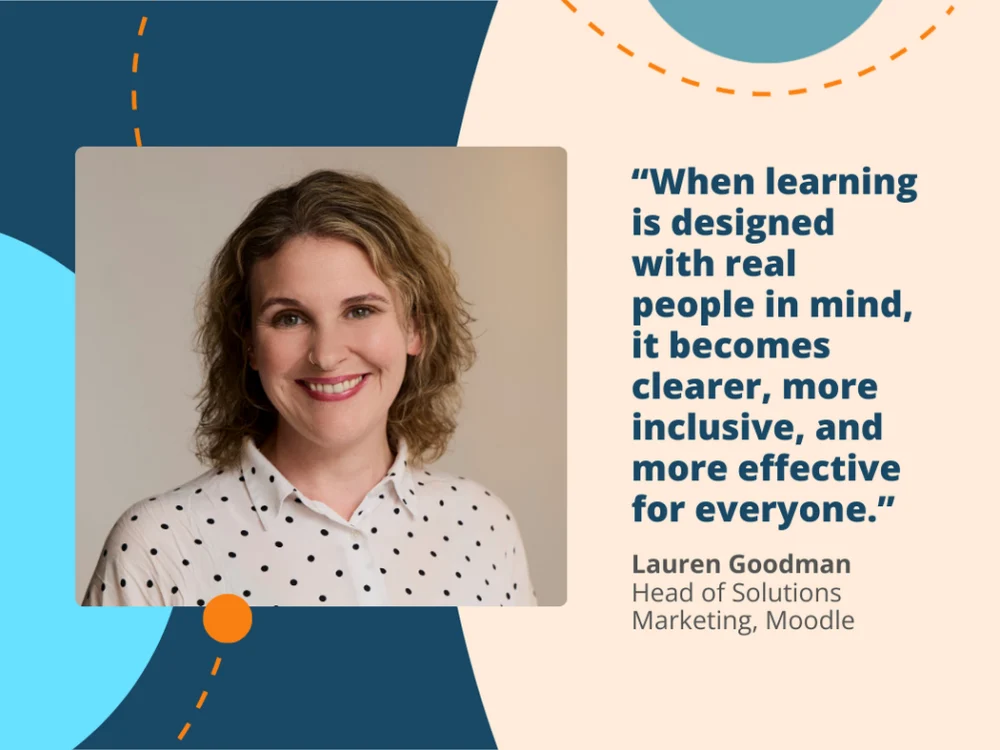
As Goodman aptly summarizes, "When learning is designed with real people in mind, it becomes clearer, more inclusive, and more effective for everyone." This sentiment encapsulates the ultimate objective of inclusive course design – to create educational experiences that empower all students to reach their full potential, regardless of their background or circumstances.
The ongoing evolution of digital learning presents an opportunity to not only deliver content but to cultivate an environment where every student feels seen, supported, and empowered to succeed. By embracing the principles of inclusive design and leveraging available resources, educators can actively work to bridge the hidden learning gap, ensuring that the promise of digital education is a reality for all.
For those interested in delving deeper into practical strategies and expert guidance, the "Bridging the hidden learning gap" resource offers a roadmap for transforming awareness into actionable steps. The call to action is clear: to begin building learning environments where every student can thrive.
This article was developed by Jeanne, Content Marketing Manager at Moodle, a writer and lifelong learning advocate dedicated to making education accessible to all. Her work explores the intersection of open-source technology, innovative teaching practices, and the power of digital tools to support global educators and learners.