



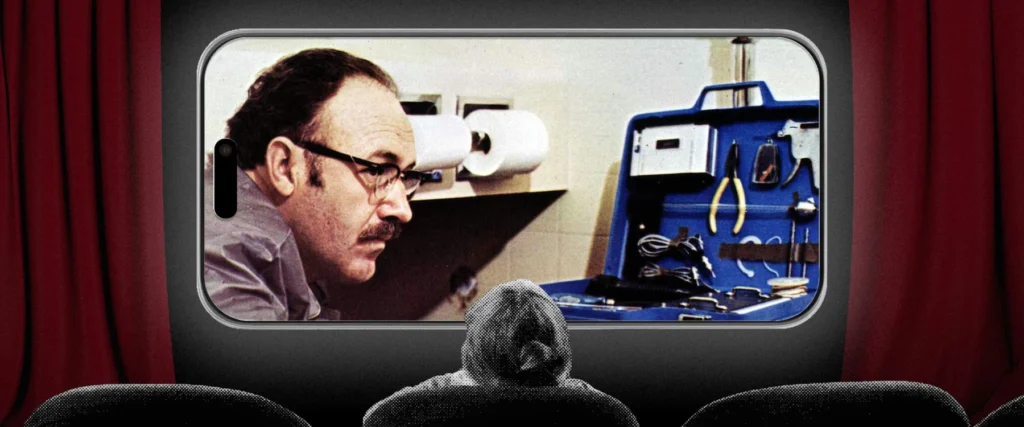
A concerning trend in higher education, recently highlighted by The Atlantic, suggests a growing crisis in sustained attention among university students, particularly those specializing in film studies. This phenomenon, which sees individuals struggling to engage with feature-length films, has been attributed primarily to the pervasive influence of smartphones and other digital devices. Concurrently, the media landscape is grappling with a surge in what has been termed "AI vibe reporting," a journalistic approach that often prioritizes sensationalism and speculative worst-case scenarios over empirical data when discussing the future impact of artificial intelligence on the workforce. Both issues underscore a broader societal challenge: how to maintain cognitive discipline and critical thinking in an increasingly fragmented and data-saturated digital environment.
The Waning Gaze: An Academic Attention Crisis
Last month, The Atlantic brought to light an alarming development within academia through an article titled "The Film Students Who Can No Longer Sit Through Films." Authored by Rose Horowitch, the piece detailed a disheartening consensus among film professors nationwide: students, even those pursuing careers in cinema, are increasingly unable to maintain focus through a full-length movie. This observation is not isolated but echoes across institutions, pointing to a systemic shift in cognitive habits.
Craig Erpelding, a film professor at the University of Wisconsin at Madison, lamented the change, stating, "I used to think, if homework is watching a movie, that is the best homework ever. But students will not do it." This sentiment was corroborated by interviews with some 20 film-studies professors across the country, who collectively noted a significant decline in students’ ability to pay sustained attention to feature-length narratives over the past decade, with a marked acceleration since the onset of the global pandemic. The shift from communal, focused viewing to individualized, multi-screen consumption during lockdowns likely exacerbated pre-existing tendencies.
Educators have actively sought to combat this issue. The founding director of Tufts University’s Film and Media Studies, for example, attempted to implement a ban on electronic devices during film screenings. However, the rule proved largely unenforceable, with an estimated half of the class furtively checking their phones. A Cinema and Media Studies professor at USC vividly described his students’ behavior as akin to "nicotine addicts going through withdrawal…the longer they go without checking their phone, the more they fidget." These anecdotes paint a clear picture of a generation struggling against deeply ingrained digital habits.
Smartphones: The Architects of Fragmented Focus
The overwhelming consensus among educators and researchers points to smartphones as the primary catalyst for this attention span crisis. These devices, designed to deliver immediate gratification through constant notifications, endless scrolling, and quick content consumption, actively undermine what reading scholar Maryanne Wolf terms "cognitive patience." Defined as "the ability to [maintain] focused and sustained attention and delay gratification, while refraining from multitasking," cognitive patience is a cornerstone of deep learning and critical engagement.
The mechanism through which smartphones degrade this crucial cognitive ability is rooted in neurobiology. Engaging with a smartphone activates specific neuronal bundles within the brain’s short-term reward system. These bundles anticipate a high expected value from picking up the device – a new message, a social media update, a quick piece of entertaining content. This anticipation triggers a cascade of neurochemicals, notably dopamine, which is experienced as a powerful motivation to interact with the phone. Over time, this constant reinforcement for rapid-fire engagement conditions the brain to prefer quick, superficial stimuli over sustained, demanding tasks. The result is a diminished capacity for prolonged attention, as the brain, through lack of practice, loses its comfort with deep focus.
This biological conditioning has profound implications beyond film studies. It impacts students’ ability to read lengthy texts, engage in complex problem-solving, and participate in sustained discussions. The educational environment, traditionally built on the premise of focused, prolonged engagement with material, faces a significant challenge in adapting to a student body increasingly wired for instant gratification.
Reclaiming Attention: A Cinematic Path to Cognitive Discipline
While the problem of weakened attention is widespread, the specific challenge presented by feature films offers a tangible and accessible pathway to reclaim cognitive autonomy. Just as a new runner gradually builds stamina to complete a 5k, successfully watching an entire film can serve as a challenging yet achievable "training goal" for improving sustained attention. This approach leverages a familiar and often enjoyable medium to rebuild a crucial cognitive skill.
For individuals seeking to enhance their cinematic cognitive patience and, by extension, their overall attention span, several strategies can be employed:
- Cultivate a Dedicated Viewing Environment: Minimize all potential distractions. This means putting smartphones out of reach or in another room, turning off notifications on other devices, closing unnecessary browser tabs if watching on a computer, and ideally, creating a dark, quiet space reminiscent of a cinema. The goal is to remove external stimuli that trigger the brain’s reward system, allowing for uninterrupted focus on the film.
- Practice Active and Mindful Engagement: Instead of passively consuming the film, engage with it actively. This could involve taking brief notes on plot points, character development, or thematic elements; pausing periodically for short reflective breaks to process what has been seen; or even planning to discuss the film with a friend or group afterward. Active engagement transforms viewing from a passive intake of information into a more analytical and immersive experience, training the brain to stay connected to the narrative.
- Implement a Gradual Exposure Strategy: For those who find two-hour films daunting, begin with shorter features, documentaries, or even critically acclaimed television episodes that demand sustained attention. Gradually increase the length of the content over time. This incremental approach allows the brain to rebuild its capacity for focus without being overwhelmed, fostering a sense of accomplishment with each successful viewing and reinforcing the habit of sustained engagement.
The irony of using one screen (a television or computer monitor) to mitigate the distracting impact of another (a smartphone) is not lost. However, for many individuals grappling with digital overload, the path to reclaiming cognitive control often feels abstract. Rediscovering the patient joys of cinematic storytelling provides a concrete, enjoyable, and accessible entry point into the broader effort of rebuilding sustained attention in a digitally saturated world.
Beyond the Screen: Discerning Fact from "Vibe Reporting" in AI News
In parallel with the attention crisis, the public discourse around artificial intelligence is increasingly characterized by a phenomenon dubbed "AI vibe reporting." This term refers to a style of journalism that, rather than presenting empirical data or nuanced analysis, leans heavily on speculative scenarios, emotional appeals, and unverified claims to generate alarm or excitement around AI developments. This approach, often found in mainstream outlets, risks misinforming the public and policymakers alike.
The increasing volume of distressed messages from concerned individuals underscores the rising prevalence of this type of reporting. A recent case study is The Atlantic‘s article, "The Worst-Case Future for White-Collar Workers," which, despite containing valuable insights in its later sections, commenced with an opening segment that exemplified "vibe reporting." Such pieces often project hypothetical worst-case scenarios as imminent realities, creating unnecessary anxiety and potentially hindering a balanced understanding of AI’s actual trajectory.
The Nuance of AI’s Impact on Employment
The reality of AI’s impact on the job market is far more complex and multifaceted than often portrayed by sensationalist headlines. While generative AI technologies, such as large language models, possess the potential to create significant disruptions, the timeline, scale, and nature of these changes remain subjects of ongoing debate and research.
Economic analyses from reputable institutions like McKinsey, PwC, and the World Economic Forum consistently highlight that while certain tasks may be automated, entire job categories are less likely to disappear wholesale. Instead, many roles are expected to undergo transformation, requiring workers to adapt to new tools and skill sets. Historical precedent with technological advancements, from the industrial revolution to the advent of computers, suggests a pattern of job displacement in some sectors balanced by job creation in others, alongside a general evolution of existing roles.
Currently, the first major shifts are anticipated within areas like software development. However, even here, the magnitude of the impact is far from clear-cut. Initial findings from ongoing research, involving surveys and interviews with hundreds of computer programmers, indicate that while AI tools are indeed being integrated into workflows, their effect is often one of augmentation rather than outright replacement. Programmers report using AI for code generation, debugging, and boilerplate tasks, freeing them to focus on more complex problem-solving, architectural design, and creative aspects of software development. The relationship is symbiotic and evolving, not a simple substitution.
The danger of "AI vibe reporting" lies in its tendency to bypass this crucial nuance. By working backward from a preconceived notion of impending widespread job losses, such reporting risks distorting public perception, potentially leading to policy decisions based on hype rather than evidence. While the broader implications of AI for society and the economy are undeniably profound and warrant serious consideration, they must be discussed with a commitment to factual accuracy and measured analysis.
Conclusion: A Call for Cognitive Vigilance
Both the decline in sustained attention and the proliferation of "AI vibe reporting" are symptoms of a digital age that demands heightened cognitive vigilance. The challenge to maintain focus in a world of constant digital stimuli directly impacts our capacity for deep learning, critical analysis, and informed decision-making. Simultaneously, the need for media literacy to discern credible information from sensationalist narratives has never been more pressing, particularly concerning rapidly evolving and complex topics like artificial intelligence.
Addressing these challenges requires a multi-pronged approach. Educators must continue to innovate strategies for fostering deep attention and critical thinking skills in students. Individuals must consciously cultivate "cognitive patience" through deliberate practice, such as re-engaging with long-form content. And journalists, alongside consumers of news, must commit to rigorous, evidence-based reporting that resists the urge to sensationalize complex issues. Ultimately, navigating the complexities of the digital future hinges on our collective ability to sustain attention, think critically, and demand accuracy in the information we consume.