

The Global Scale and Significance of the 2026 Competition
The Sony World Photography Awards have long been established as one of the most influential fixtures in the international arts calendar. The 2026 cycle reinforces this status by documenting the breadth of human experience and the raw beauty of the natural world. The competition’s unique structure, which offers prizes at the national and regional levels, ensures that the specific cultural and environmental nuances of different regions are represented.
According to data released by the World Photography Organisation, the 2026 entries originated from 220 countries and territories, marking one of the most geographically diverse years in the program’s history. This expansion reflects a growing global interest in digital storytelling and the increasing accessibility of high-quality photographic equipment. For many of the winners, the National and Regional Awards represent a career-defining milestone, often leading to exhibition opportunities and increased visibility within the professional industry.
Chronology of the 2026 Awards Cycle
The journey to the 2026 winners’ circle began in the latter half of 2025, when the call for entries was issued globally. The submission period closed in early January 2026, triggering a rigorous judging process. A panel of industry experts, including renowned curators, editors, and photographers, spent months reviewing hundreds of thousands of images.
The announcement of the National and Regional winners serves as the penultimate phase of the awards cycle. Following this announcement, the winning and shortlisted works will be prepared for a major public exhibition at Somerset House in London. The exhibition is scheduled to open on April 17, 2026, and will run through May 4, 2026. This showcase will be followed by a global tour, bringing these perspectives to audiences in major cities across Europe, Asia, and the Americas throughout the remainder of the year.
Highlights from the Wildlife and Natural World Categories
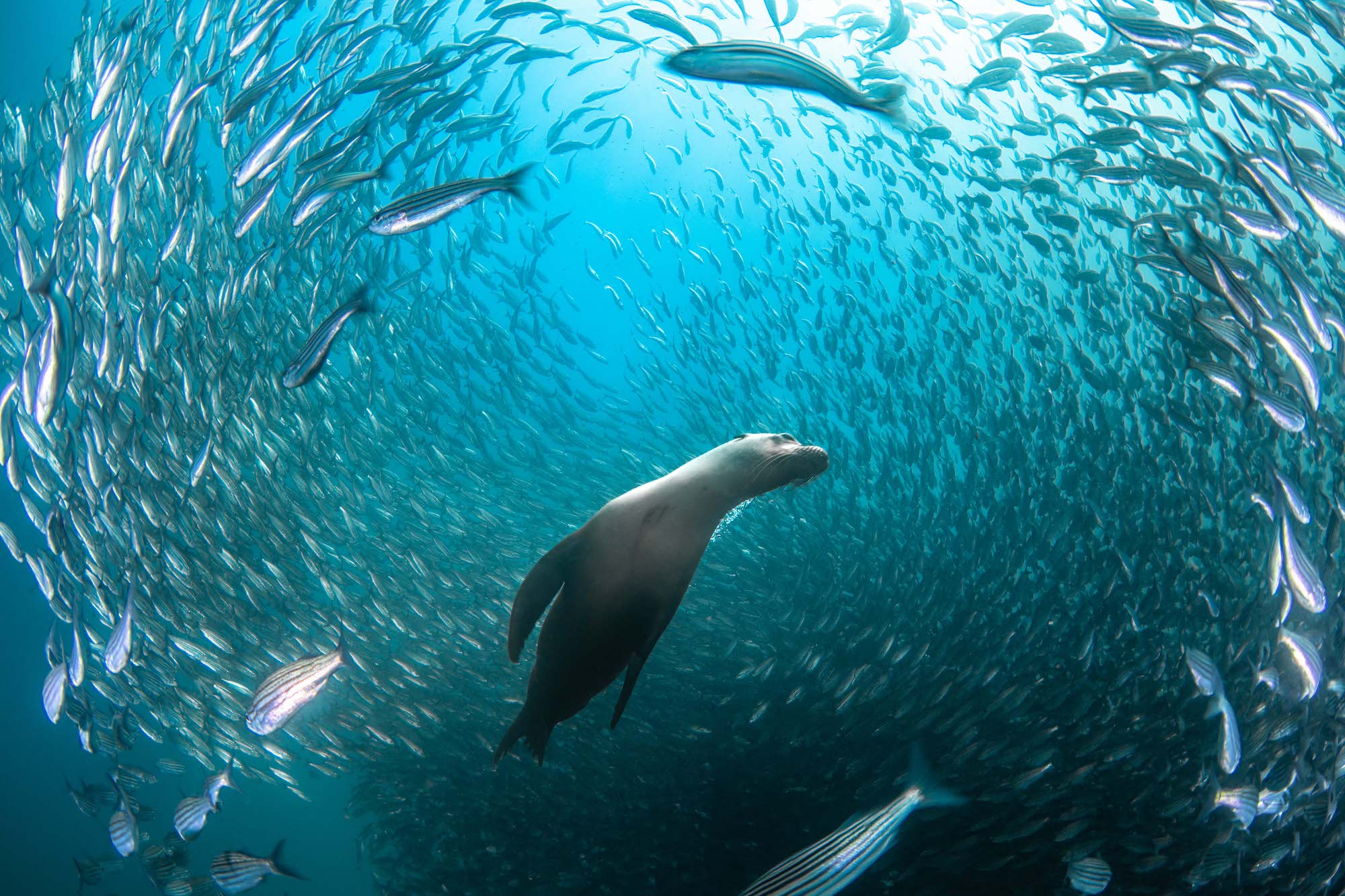
The 2026 winners have demonstrated a profound ability to capture the fleeting, high-stakes moments of the animal kingdom. Among the standout entries is "Hunting Game" by Fabiana Fregonesi of Brazil. Captured in the Galapagos Islands, the image depicts a sea lion navigating a dense school of black salema fish. The photograph is notable for its depiction of the predator’s agility and the fluid, almost mathematical patterns formed by the prey, offering a raw look at the survival instincts that define the volcanic ecosystem of the Galapagos.
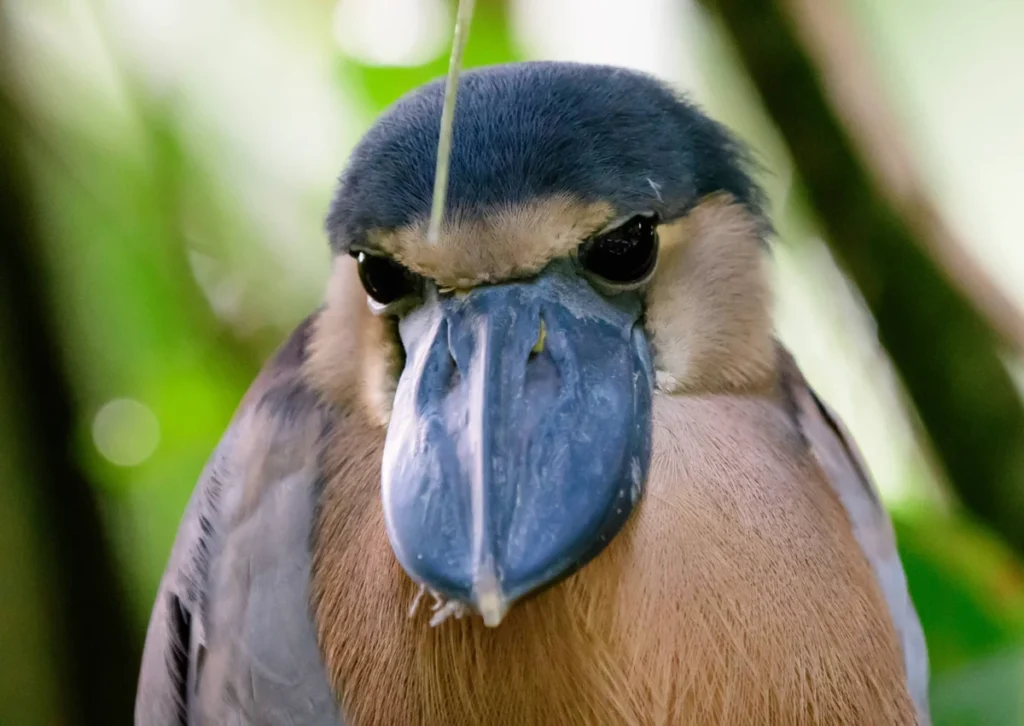
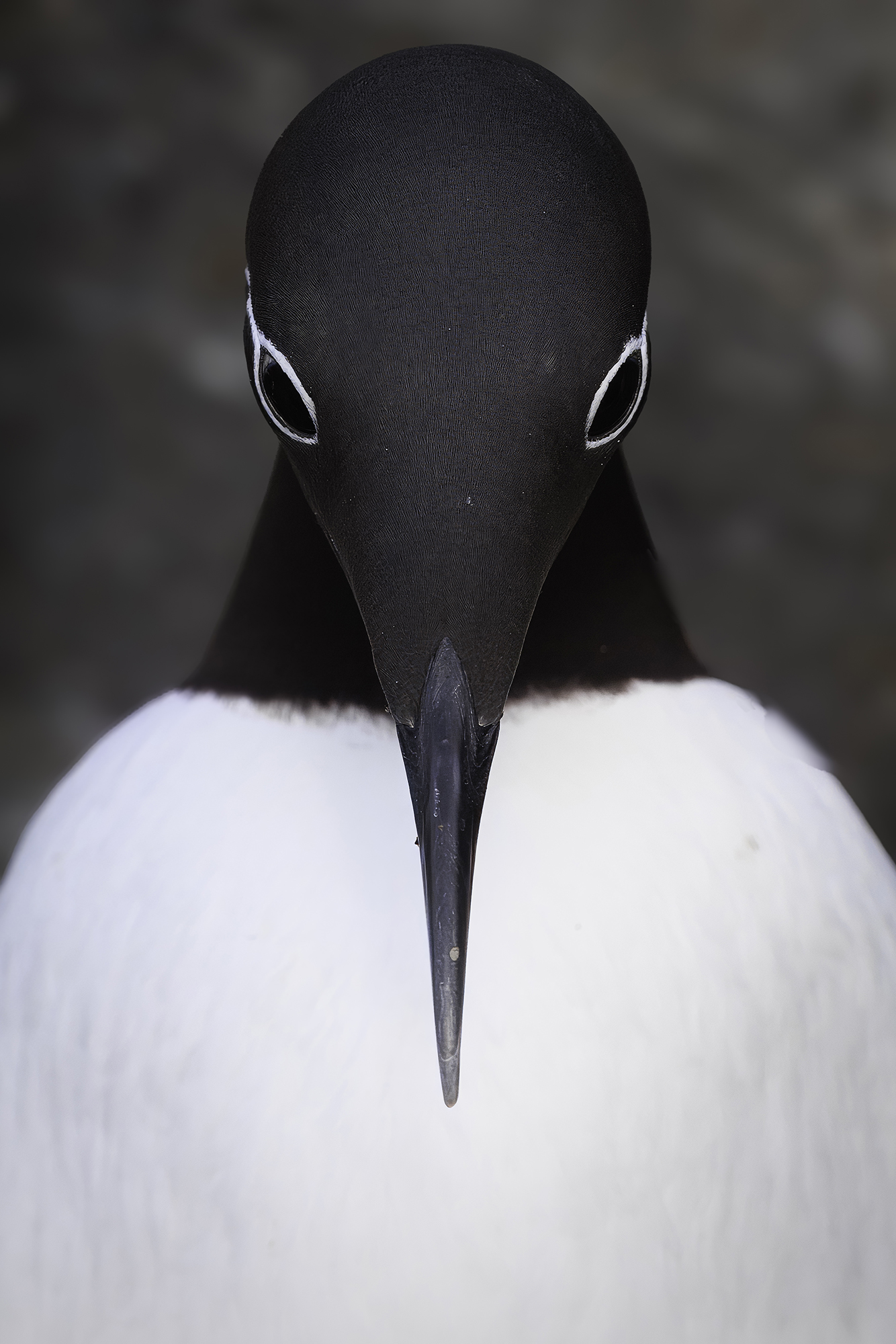
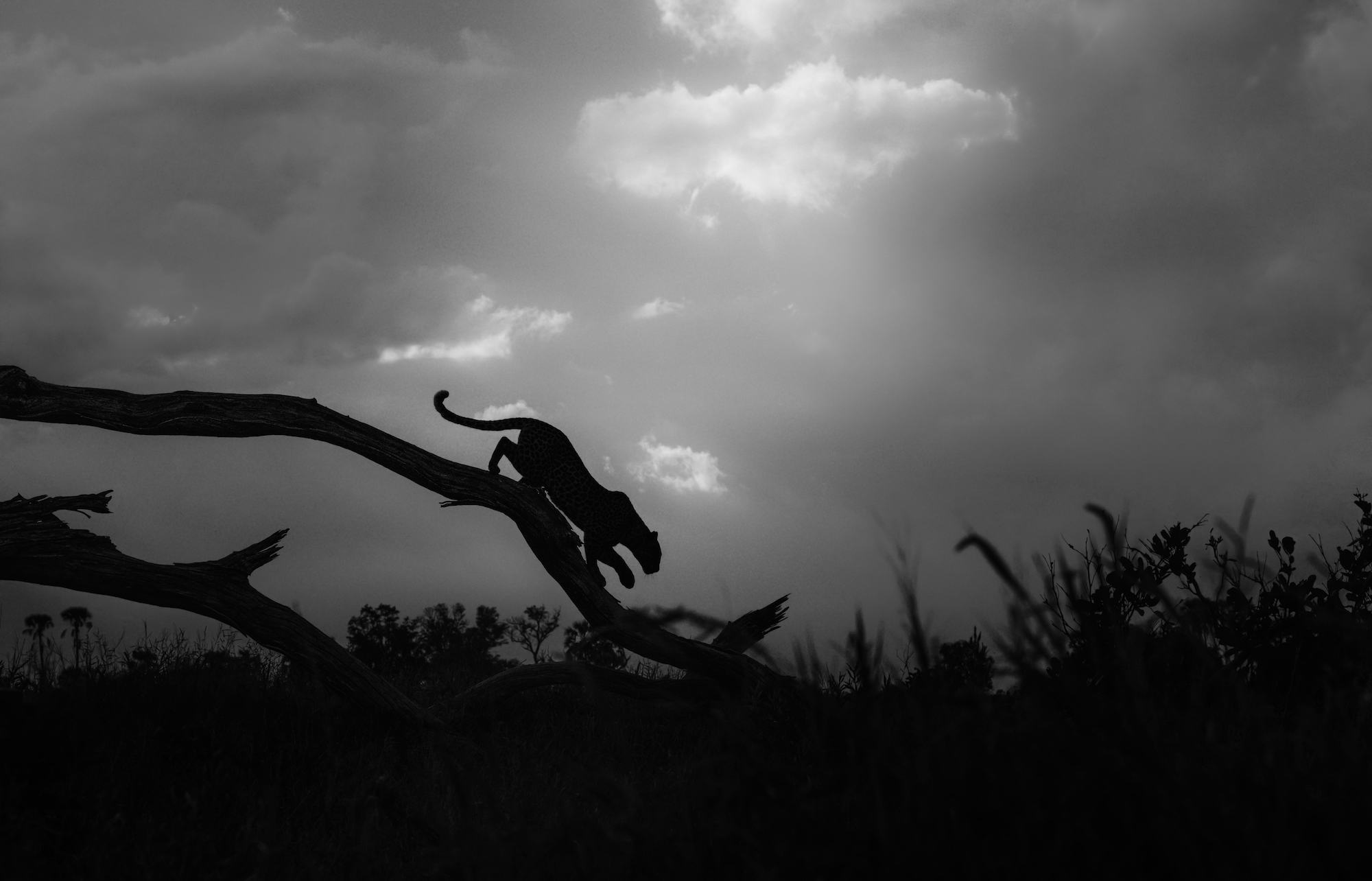
In the Natural World and Wildlife category, Alvaro Cubero Vega of Costa Rica received acclaim for his work titled "Symmetry." The image features a common murre facing the camera directly, highlighting the bird’s near-perfect bilateral symmetry. Such images emphasize the precision of natural evolution. Similarly, Greg du Toit of South Africa captured a solitary leopard in Botswana’s Okavango Delta. His photograph, "Stealth," uses a moody sky and a minimalist composition to evoke the grace and untamed freedom of the African wild.
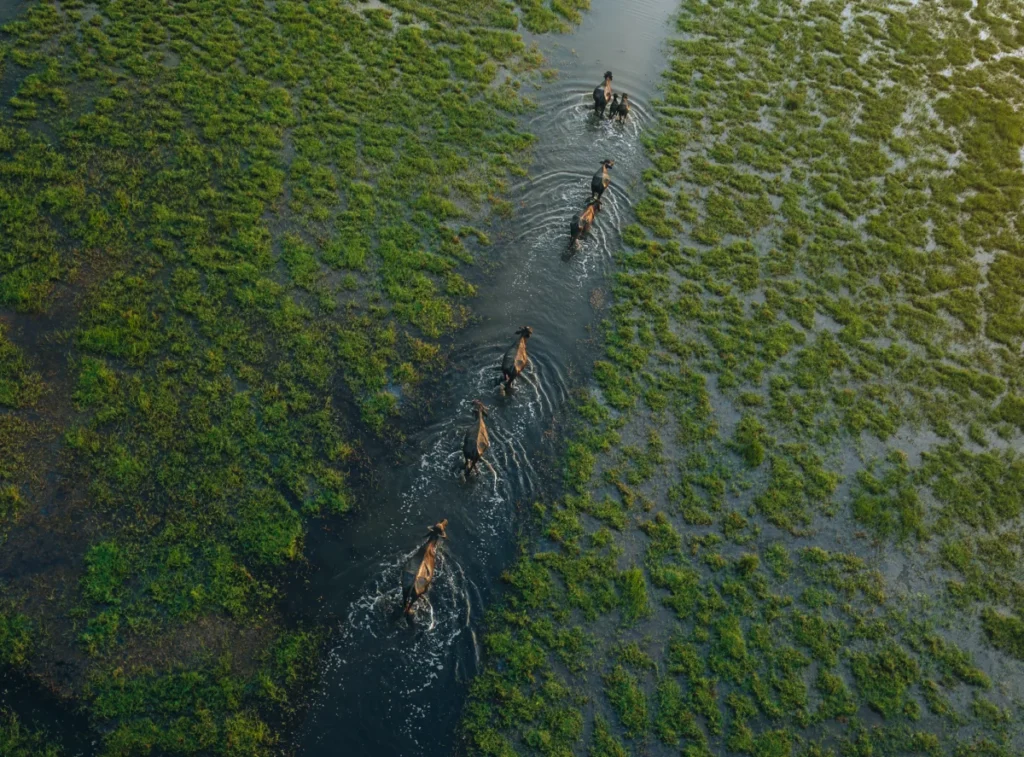
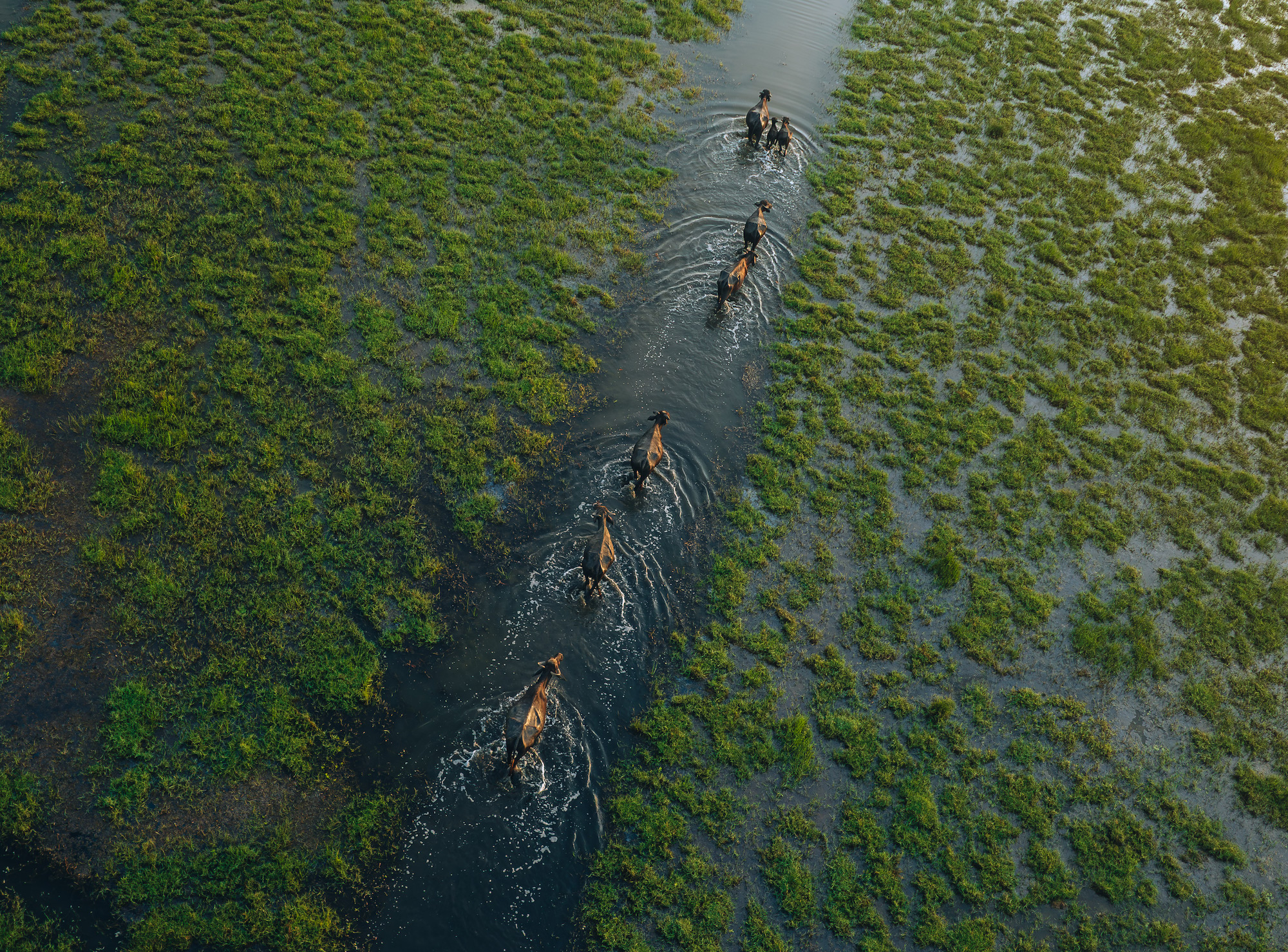
From the wetlands of Sri Lanka, Lahiru Iddamalgoda provided an aerial perspective of daily life in the animal kingdom. His winning entry, "Dawn Over the Wetlands," shows a herd of buffalo crossing a shallow lagoon at sunrise. The soft light and calm water create a serene tableau that contrasts with the high-energy hunting scenes found elsewhere in the competition. In the realm of macro photography, Nelya Rachkova of Kazakhstan’s "Celebrity" and Juan Jacobo Castillo Barrera of Colombia’s "Atelopus seminiferus" showcased the intricate details of insects and amphibians, respectively. Barrera’s image of the Upper Amazon Stubfoot Toad is particularly significant, as it documents a rare species in its natural habitat in San Martin, Peru.

Landscapes and Architectural Marvels
The 2026 awards also celebrated photographers who find beauty in the static forms of the earth and human ingenuity. Boris Nedosekov of Uzbekistan captured a rare phenomenon in his photograph "Sunset in the Desert." Taken near the dried-up Sarykamysh Lake on the Ustyurt Plateau, the image features a sunset where sunspots are clearly visible on the solar surface—a detail often lost in standard landscape photography.
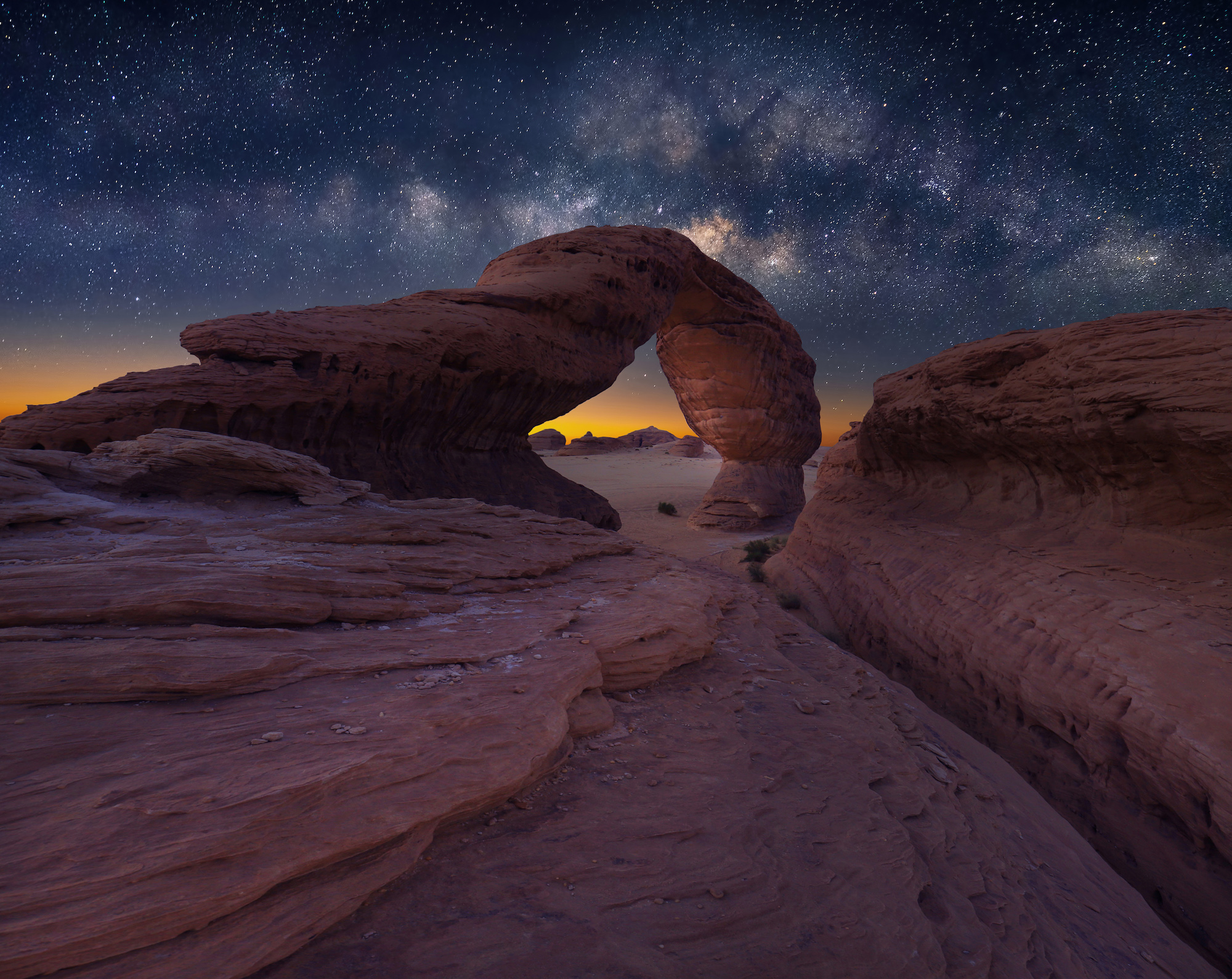
In Saudi Arabia, Khalid Alsabt explored the intersection of geology and astronomy. His work, "Harmony of Earth and Sky," pairs the Milky Way with the Muqrat al-Dabbous mountain outside the city of AlUla. The image serves as a reminder of the timeless relationship between the terrestrial landscape and the cosmos.
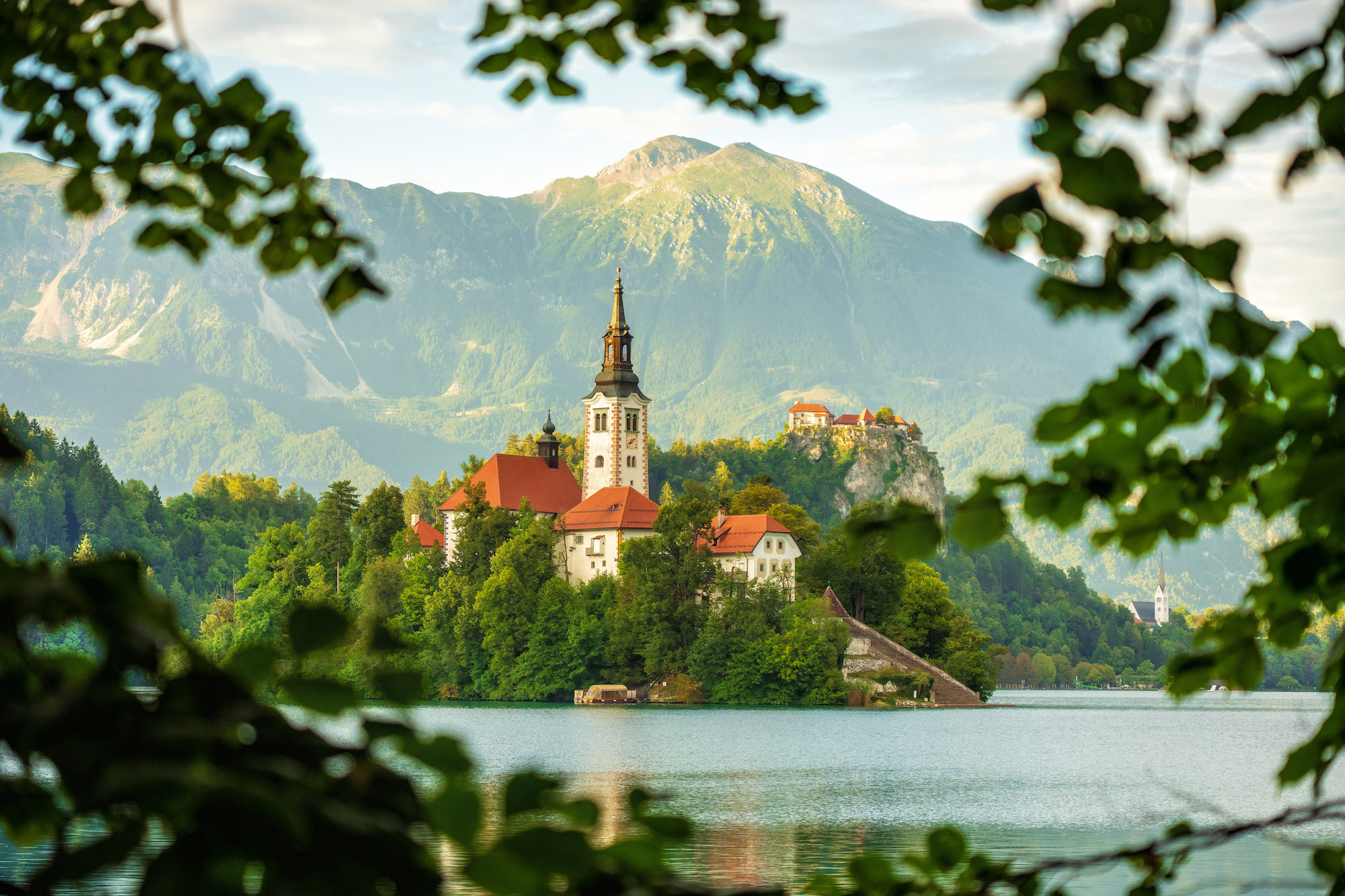
Architectural photography was represented by Eng Tong Tan of Malaysia, whose work "V" utilized the underside of a bridge to create a powerful vanishing point. The photograph draws the viewer’s eye toward a horizon where urban structure and water converge, transforming a functional piece of infrastructure into a geometric study of depth and scale. Similarly, Meshaal Alawadhi of Kuwait captured the iconic architecture of Lake Bled, Slovenia, in his piece "Lady of the Lake," which features the Church of the Assumption and Bled Castle against the region’s famous alpine backdrop.
Cultural Traditions and the Human Spirit
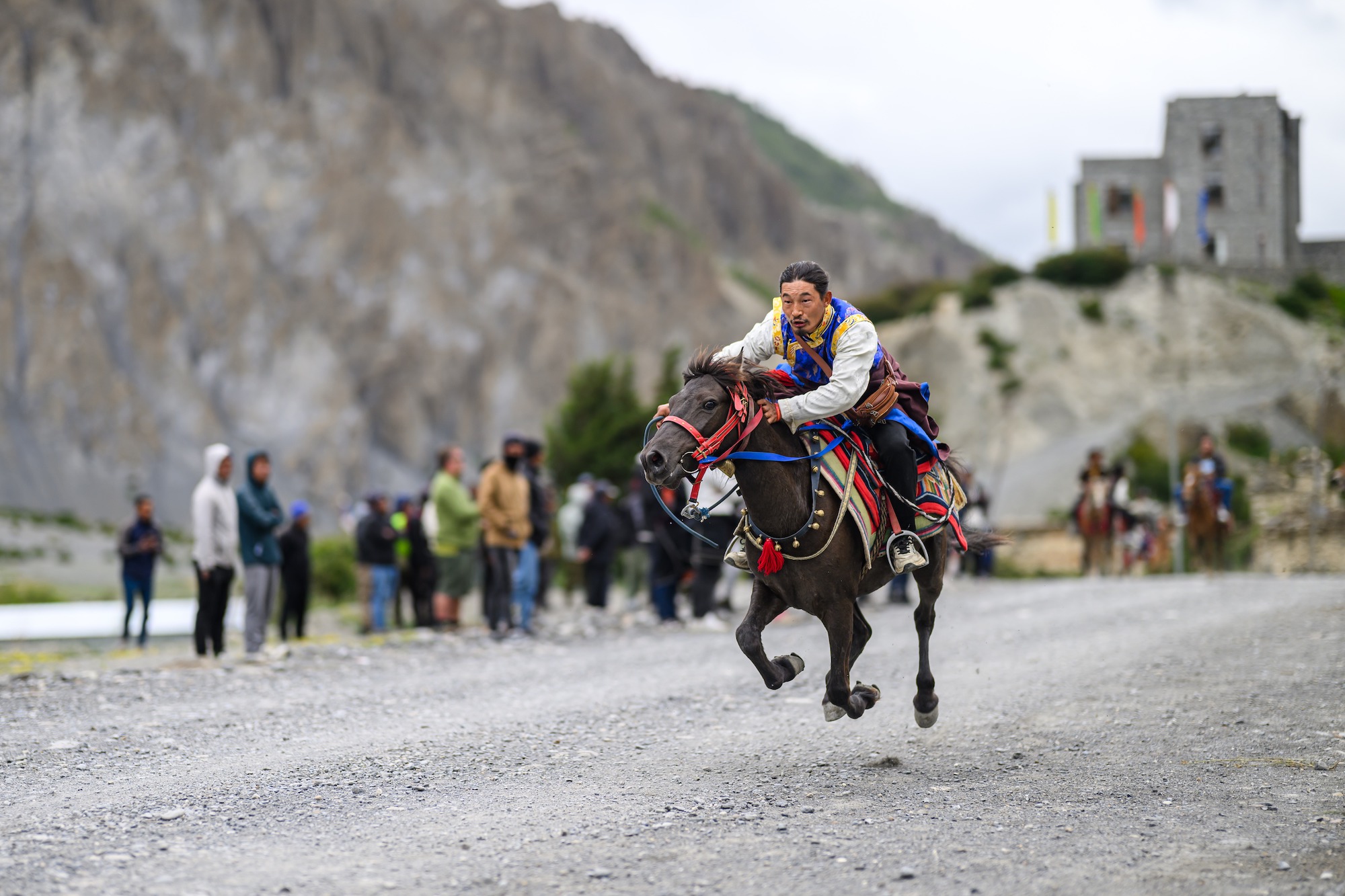
Lifestyle and travel categories provided a window into regional traditions and the bond between humans and animals. Ajay Maharjan of Nepal captured the "Spirit of Yartung," a photograph of a rider during the Yartung Festival in Manang. The image documents the intensity and grace of the Himalayan tradition, celebrating the deep connection between horse and rider.
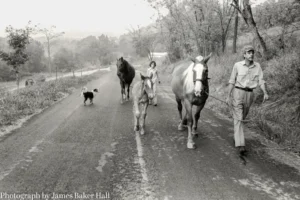
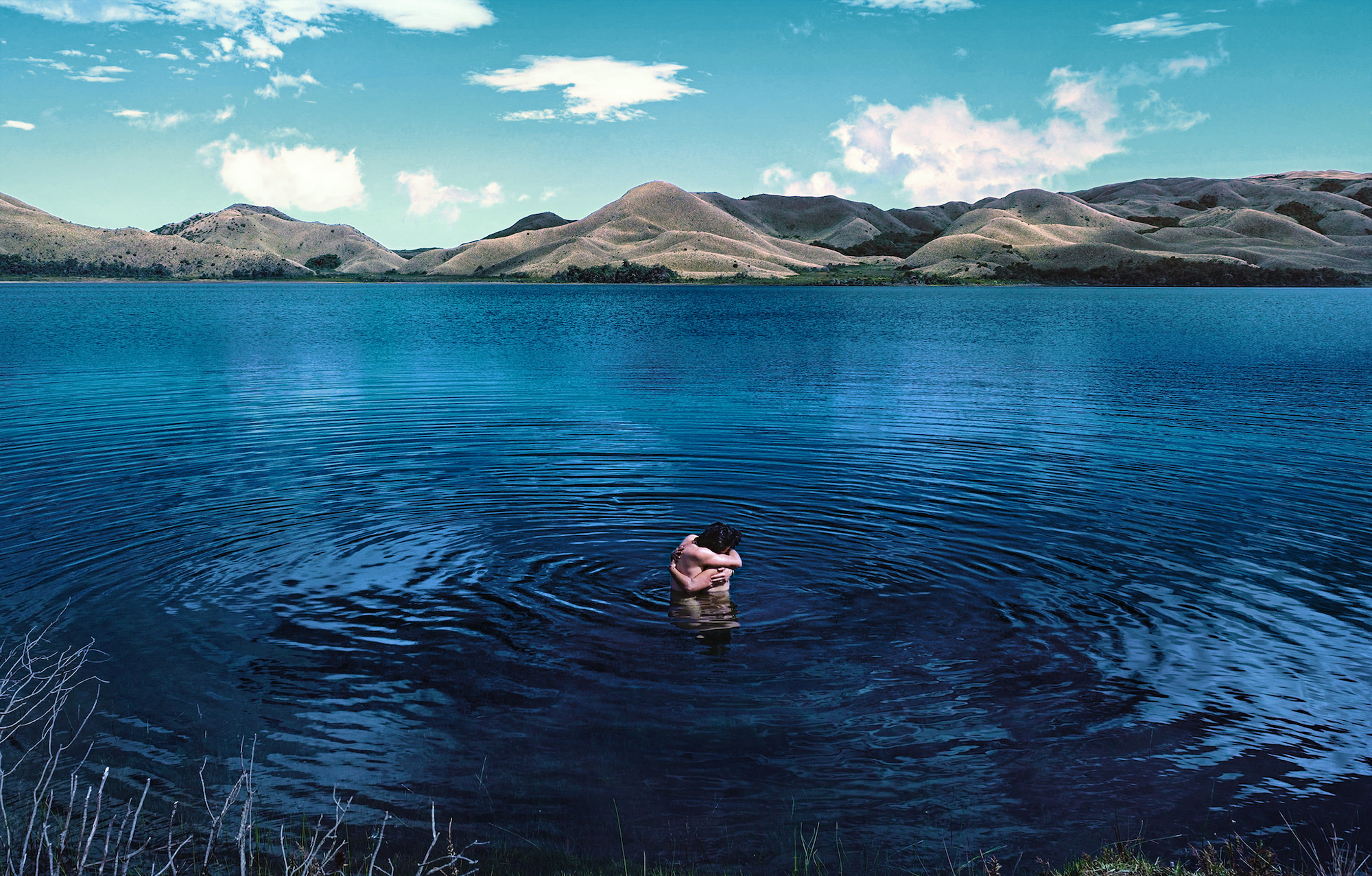
This theme was echoed in the work of Salem Alsawafi from the United Arab Emirates. His untitled photograph, taken from an aerial perspective in Cappadocia, Turkey, shows a horseman leading a herd through a cloud of dust. The composition balances chaos and control, using the movement of the dust to convey speed and the timeless nature of pastoral life. In a more intimate exploration of human connection to nature, Johan Garrido Rivera of Ecuador presented "Bodies of Water," an evocative image that explores water as a source of memory and sustenance.
Technical Excellence and Artistic Evolution
The 2026 winners reflect several emerging trends in contemporary photography. There is a noticeable shift toward using drones for aerial perspectives that were previously inaccessible, as seen in the works from Sri Lanka and Turkey. Additionally, the mastery of low-light conditions and astrophotography continues to improve, allowing for the high-detail celestial compositions seen in the Saudi Arabian entry.
The judging panel noted that the 2026 submissions displayed a sophisticated understanding of monochrome and minimalist aesthetics. Hanhoon Lee of the Republic of Korea, who took second place in the National Awards, exemplified this with "Flora." His anthropomorphized study of an angelica flower against a black background transforms a botanical subject into a poetic figure, using radiant symmetry to evoke movement and life.
Broader Impact and Industry Implications
The Sony World Photography Awards do more than just celebrate aesthetic beauty; they serve as a critical barometer for the health of the global photographic industry. By highlighting winners from over 200 regions, the awards foster a sense of global community and mutual respect among artists. For the photographic industry, the awards highlight the regions where visual storytelling is flourishing, often bringing attention to environmental and social issues that might otherwise remain local.
Winning a National or Regional Award often provides photographers with the leverage needed to secure gallery representation, publishing deals, and commercial commissions. Furthermore, the partnership between Sony and the World Photography Organisation ensures that these artists have access to the latest imaging technology, further pushing the boundaries of what is possible in the medium.
The 2026 exhibition at Somerset House is expected to draw thousands of visitors, including industry professionals, collectors, and members of the public. The event serves as a reminder of the power of the still image in an increasingly video-centric digital landscape. As the awards move into their third decade, their role in preserving the art of photography while embracing technological innovation remains more vital than ever.
In conclusion, the 2026 Sony World Photography Awards National and Regional winners represent a triumph of vision and patience. From the microscopic details of a praying mantis to the vast reaches of the Milky Way, these photographers have documented a world that is at once fragile and resilient. Their work provides a necessary perspective on our shared planet, bridging cultural divides through the universal language of light and shadow.