
In an educational landscape often characterized by standardized metrics and aesthetic pressures, a series of innovative classroom projects are gaining traction for their profound impact on student identity, community building, and social-emotional learning (SEL). Developed and championed by educator Tom Rademacher, the "One Word Wall" and "What You Bring" initiatives offer a refreshing alternative to conventional classroom decoration, prioritizing genuine student expression and fostering a sense of shared ownership over the learning environment. These projects, which have evolved over years of classroom implementation, directly address the critical need for students to feel seen, valued, and connected, laying a robust foundation for academic success and holistic development.
The Genesis of Student-Centered Classroom Spaces
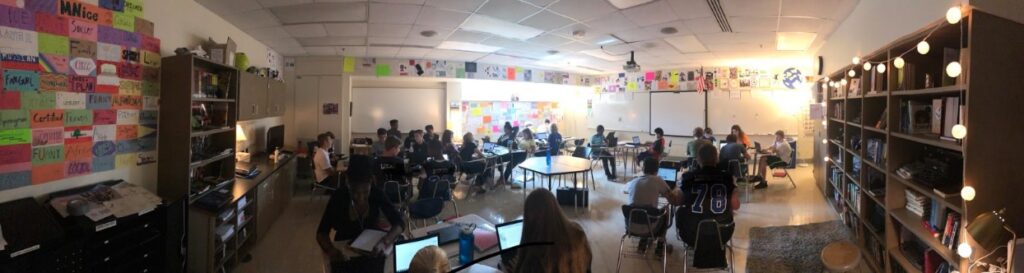
The concept for these distinctive projects emerged from Rademacher’s observations regarding the prevalent, often unrealistic, expectations placed upon teachers concerning classroom aesthetics. While many educators feel compelled to create visually elaborate, "Instagram-ready" spaces for events like Open House, Rademacher posits that such efforts, though well-intentioned, frequently divert valuable time and resources from practices that genuinely enhance student learning and well-being. He notes a personal disinclination towards elaborate decorating, coupled with a philosophical belief that the classroom should not merely be his space, but rather a dynamic environment co-constructed by both teacher and students. This conviction aligns with growing pedagogical research emphasizing student agency and belonging as crucial components of effective learning environments.
Research from organizations like the Collaborative for Academic, Social, and Emotional Learning (CASEL) consistently highlights the positive correlation between robust SEL programs and improved academic outcomes, reduced behavioral issues, and enhanced school climate. Initiatives that promote self-awareness, social awareness, and relationship skills, such as Rademacher’s projects, are increasingly recognized as fundamental to preparing students for success in school and beyond. Instead of relying on pre-designed decor, Rademacher sought activities that would organically imbue the classroom with student identity, making the space a living reflection of its occupants.
The "One Word Wall": A Deep Dive into Identity
The "One Word Wall" project serves as an impactful initial activity, typically introduced during the first week of school. It guides students through a reflective process designed to distill their multifaceted identities into a single, resonant word. The activity commences with students receiving a worksheet featuring a bubble map, mirroring a similar diagram drawn by the teacher on the board with their own name at its center. The core instruction is for students to identify five words that most profoundly describe them. This initial brainstorming phase is critical and often challenging, as students grapple with the breadth of their self-perception.
To facilitate this, Rademacher encourages students to consider a wide array of personal attributes: physical characteristics, personality traits, core values, belief systems, family or personal history, hobbies, aspirations, and unique talents. This broad scope helps prevent students from limiting themselves to superficial descriptors. The process underscores a key insight from Rademacher’s "Bucket and Friends" book series: "It’s really hard to decide on an idea when you have a thousand ideas, and it’s also really hard to come up with one idea when you don’t have any at all. One is the hardest number of ideas to have." This acknowledgement validates the difficulty of self-definition, particularly for developing minds.
Navigating Nuance and Ensuring Psychological Safety
While the project emphasizes single words for clarity and visual impact, flexibility is built in. Students are advised against forcing unrelated concepts together (e.g., "gymnast-baker"). However, for students whose identities are inherently hyphenated or multifaceted, such as "Mexican-American," combining terms is not only permitted but encouraged, recognizing the richness of diverse backgrounds. This nuance is crucial for fostering an inclusive environment.
A paramount aspect of the "One Word Wall" is the explicit establishment of psychological safety. Students are assured that they should only share what they are comfortable revealing. An option to use a "code word" for highly personal descriptors, known only to the student, reinforces this commitment to privacy, though it is rarely utilized. Equally important is the directive against peer commentary or suggestions regarding classmates’ chosen words, cultivating an atmosphere of respect and non-judgment. This deliberate approach to creating a safe space for self-expression is vital for encouraging authentic participation and preventing potential discomfort or bullying.
The Process of Refinement and Reflection
Following the initial brainstorming, Rademacher models the sharing process by presenting his own five words, offering insights into his personal life and experiences beyond his role as an educator. He openly discusses aspects like having ADHD, providing a relatable example of how identity shapes experience. This vulnerability encourages students to engage more deeply. The collaborative sharing of initial words also serves as a valuable resource for students who might be struggling to generate their five descriptors.
A key phase involves a gradual reduction of the five words down to a singular, most defining term. Students are asked to "strike off" one word at a time, reflecting on why certain aspects of their identity feel more central or salient at that moment. This process, which can be surprisingly challenging for both students and adults, prompts profound self-reflection. Rademacher notes that adults often find this step more difficult, occasionally leading to emotional responses or resistance. This resistance, however, provides a powerful opportunity for discussion about the parts of students’ identities that schools sometimes implicitly or explicitly ask them to "remove" or downplay. The exercise highlights the impact of such societal pressures on individual self-perception and underscores the importance of affirming all aspects of a student’s being.
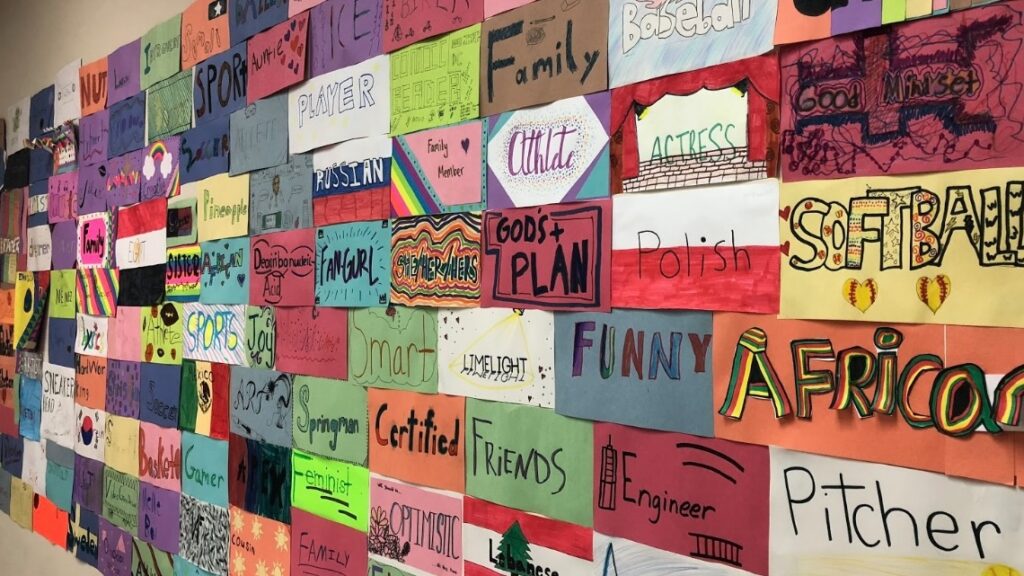
Upon arriving at their single word, students engage in further sharing and reflection. They are then provided with blank strips of paper in various colors to visually represent their chosen word. Before committing their word to paper, two crucial instructions are given: ensure the word is spelled correctly and consider how its visual presentation (font, size, style) can reflect its meaning. This artistic component adds another layer of personal expression and ownership. Students are given time, both in class and as a take-home option, to finalize their "one word" strip.
The "One Word Wall" as a Living Tapestry
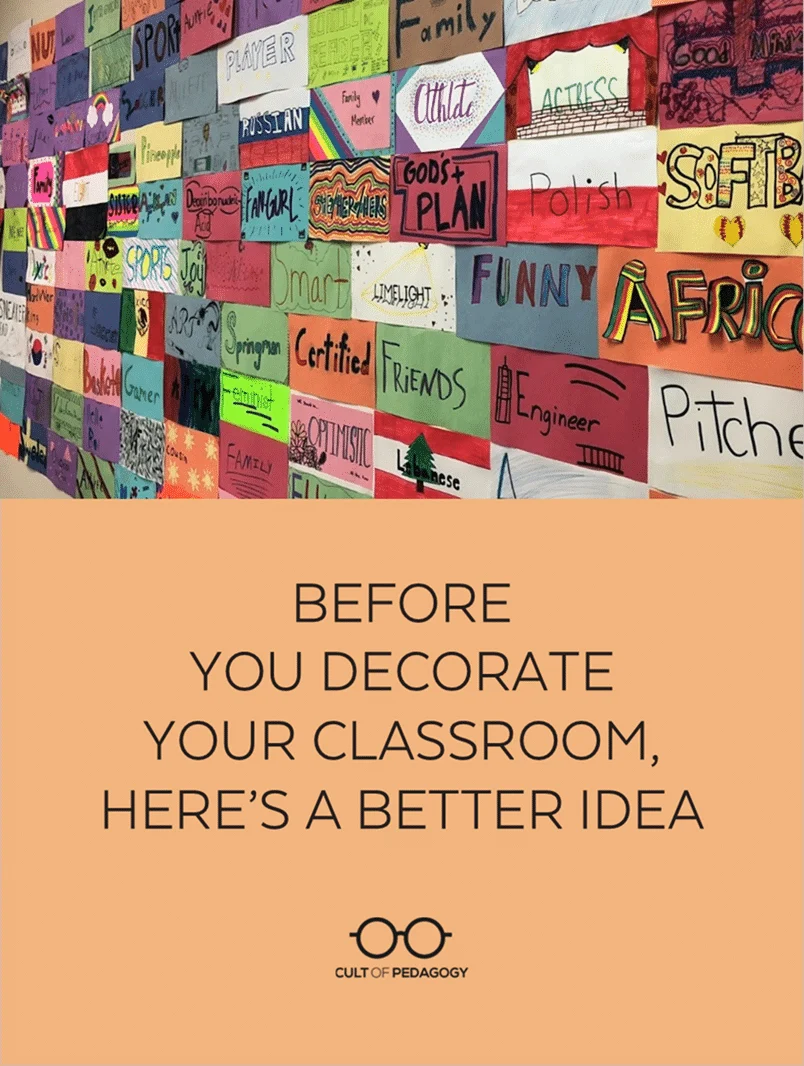
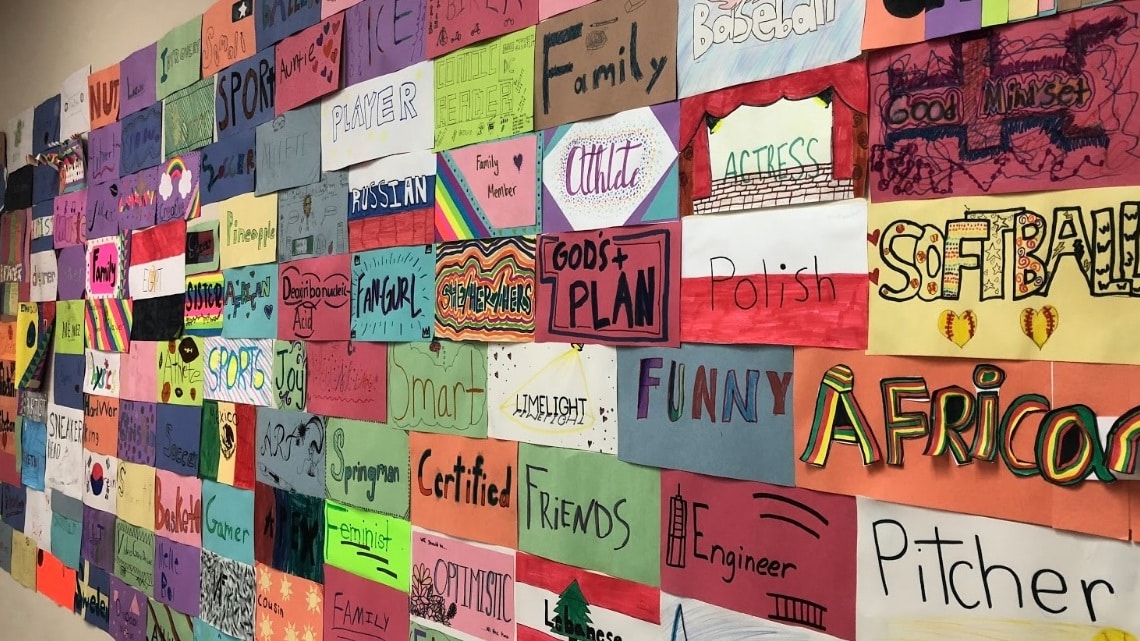
The culmination of the project is the creation of the physical "One Word Wall." Depending on the class dynamic, words may be added ceremonially, with each student presenting their word and offering a brief explanation, or gradually over time as students complete their strips. Once assembled, the wall transforms into a vibrant, collective portrait of the classroom community. Students frequently interact with the wall, pointing out their contributions with pride, declaring, "There I am, that’s me."
This visual representation of collective identity holds significance beyond the immediate classroom. Rademacher reports that teachers from other parts of the school and former students often visit his room specifically to view the new wall each year. This ongoing engagement underscores the project’s ability to foster a school-wide culture of appreciation for individual differences and shared humanity. The wall remains displayed throughout the entire academic year, serving as a constant reminder of the depth, diversity, and interconnectedness within the classroom—a silent testament to the idea that "we are all in this together."
Beyond the Wall: The "What You Bring" Project
Building upon the self-reflection initiated by the "One Word Wall," the "What You Bring" project delves deeper into the multifaceted nature of student identity. This more open-ended project, also typically undertaken in the first week, encourages students to create a visual representation of all the unique talents, passions, knowledge, and experiences they bring into the classroom daily. Unlike the singular focus of the "One Word Wall," "What You Bring" celebrates the rich tapestry of a student’s entire being, particularly those aspects that may not fit neatly into traditional academic subjects.
Students begin with a planning and brainstorming sheet, but the project’s inherent flexibility allows for vast creative expression. The emphasis is on uncovering aspects of self that might be less apparent or commonly known by peers and teachers. This encourages students to move beyond their most obvious traits and explore hidden depths. For instance, a student known for their athletic prowess might choose to highlight their passion for coding, their talent for playing a musical instrument, or their role as a caregiver to a younger sibling.
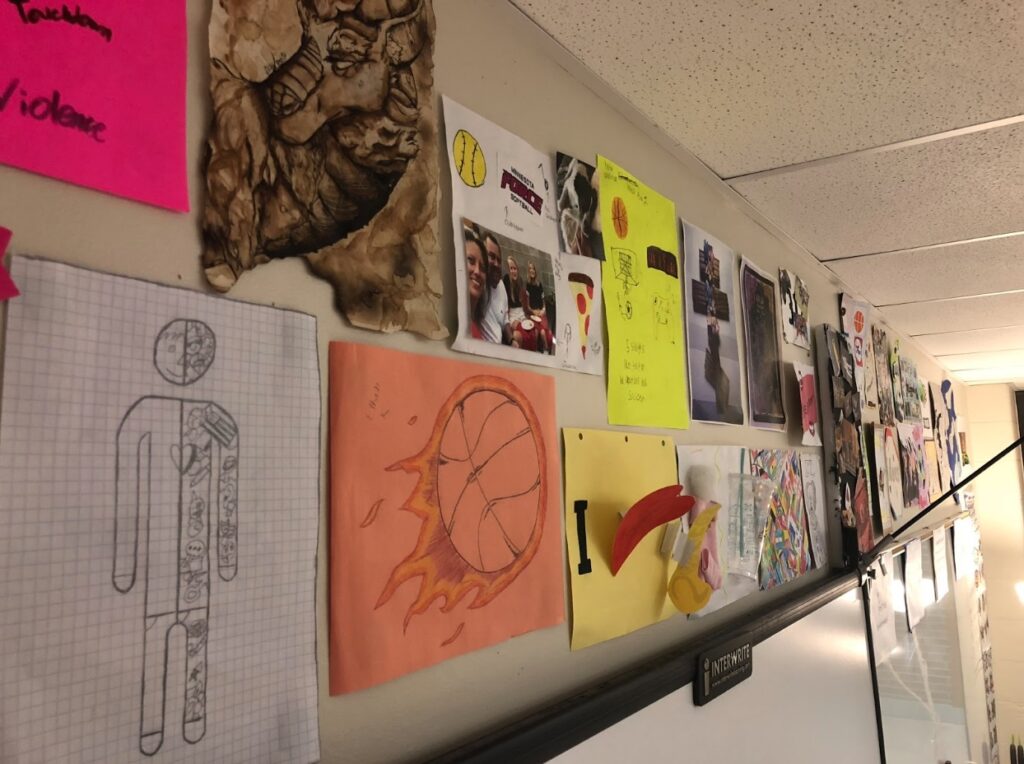
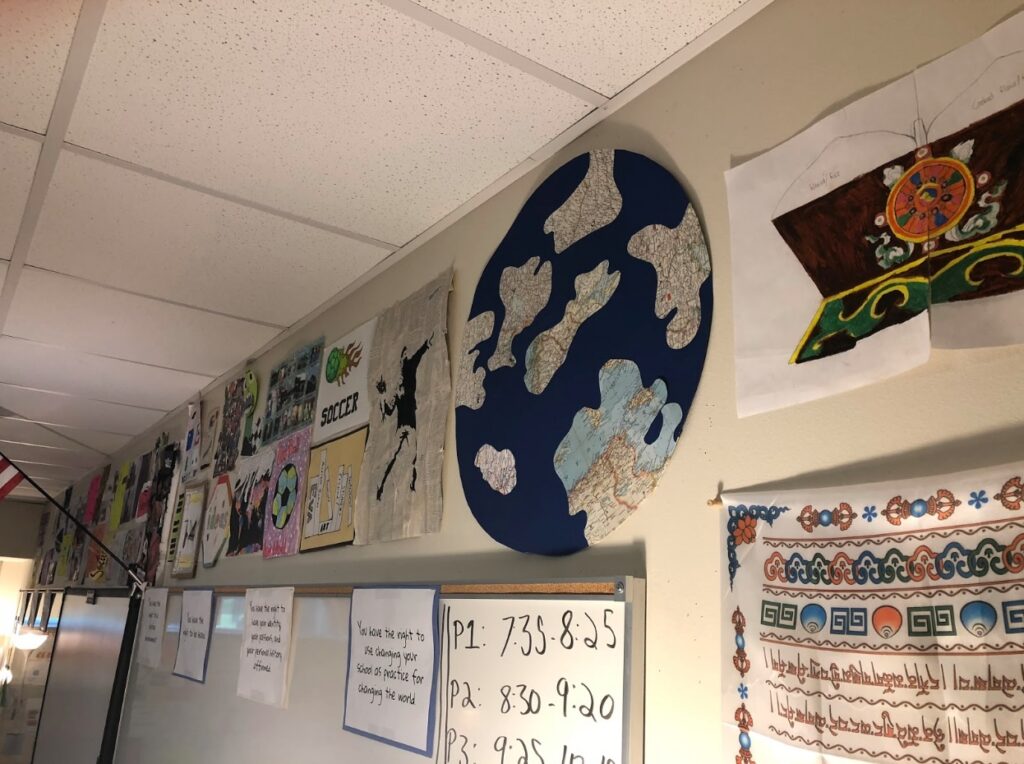
The outputs of the "What You Bring" project are diverse and imaginative. While collages are a popular choice, students have created original artworks, paintings, written and printed musical compositions, crafted miniature sculptures, and even programmed QR codes linking to games they developed. These varied expressions provide a comprehensive and deeply personal insight into each student’s inner world.
Cultivating a Culture of Appreciation and Acceptance
Displaying these final "What You Bring" projects around the classroom further reinforces the message of radical acceptance and inclusion. Each piece serves as a visual affirmation that every student is welcome, in their entirety, within the learning space. However, the most transformative aspect of this project lies in the presentation and discussion phase. Students share their creations with their peers, often revealing new facets of themselves, even to classmates they have known for years.
During these presentations, Rademacher actively encourages students to ask questions, identify connections, and offer positive feedback. This structured interaction is crucial for building a classroom culture rooted in genuine appreciation and acceptance. It moves beyond superficial tolerance to foster a deeper understanding and empathy among students, creating strong social bonds that underpin a positive learning environment throughout the year.
The profound impact of these projects is perhaps best encapsulated by a character from Rademacher’s "Bucket and Friends" series. Reflecting on the completed walls, the character observes, "It looked less like a wall of words and more like a class picture. I bet even someone who didn’t know us at all could stand in front of all the words and get a feeling for what our class was like, and if the Words were like names, then the Things were like portraits." This sentiment speaks to the powerful, organic community portrait that emerges from these student-centered initiatives.
Broader Educational Implications and Future Directions
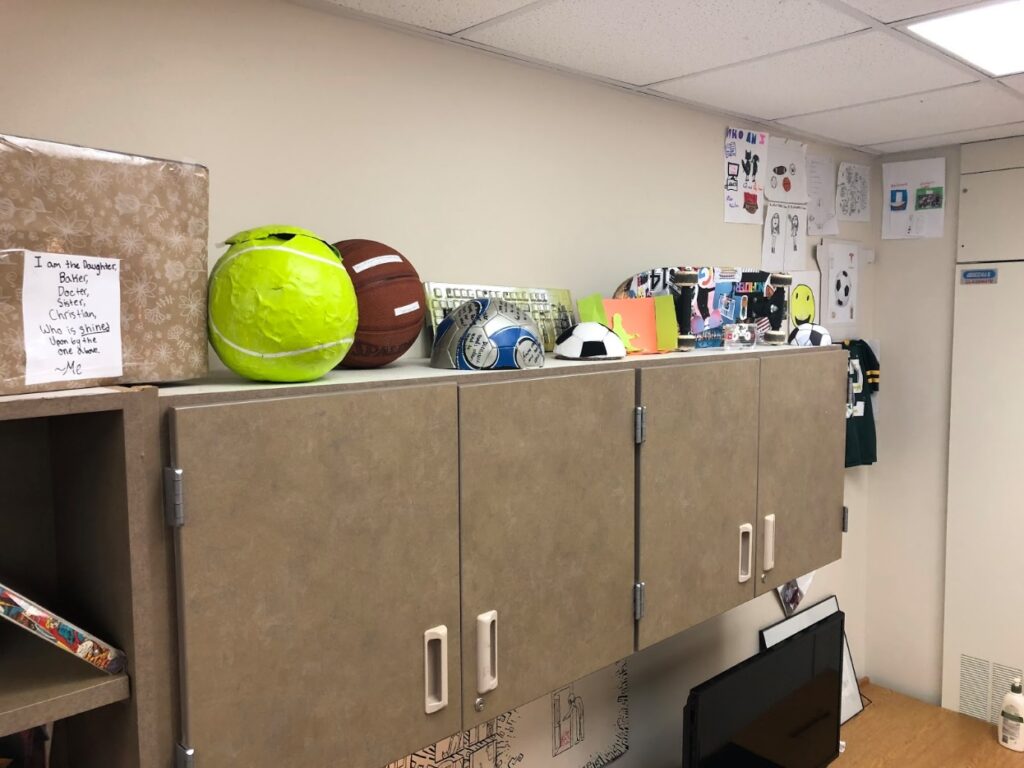
The "One Word Wall" and "What You Bring" projects represent a significant pedagogical shift from teacher-centric classroom aesthetics to student-driven community building. They offer a tangible, accessible framework for integrating social-emotional learning, identity affirmation, and creative expression directly into the fabric of the school day. By empowering students to shape their learning environment, these initiatives cultivate a sense of belonging and agency that research consistently links to improved academic performance, increased motivation, and reduced instances of disengagement.
In an era where educators are increasingly tasked with addressing student mental health and fostering inclusive environments, Rademacher’s approach provides practical, low-cost, and highly effective strategies. It offers a powerful counter-narrative to the pressure for aesthetically perfect classrooms, demonstrating that true enrichment comes not from designer decor, but from the authentic contributions and reflections of the students themselves. The release of Rademacher’s "Bucket and Friends" chapter books, designed to support these very projects, further broadens their accessibility, providing engaging narratives that resonate with young learners and guide them through similar self-exploratory journeys. These books, including Bucket and Friends Save (part of) The World with a Name, which directly relates to the "One Word Wall" activity, serve as valuable resources for educators seeking to implement these impactful projects in their own classrooms, further solidifying the role of identity and community in modern education.