



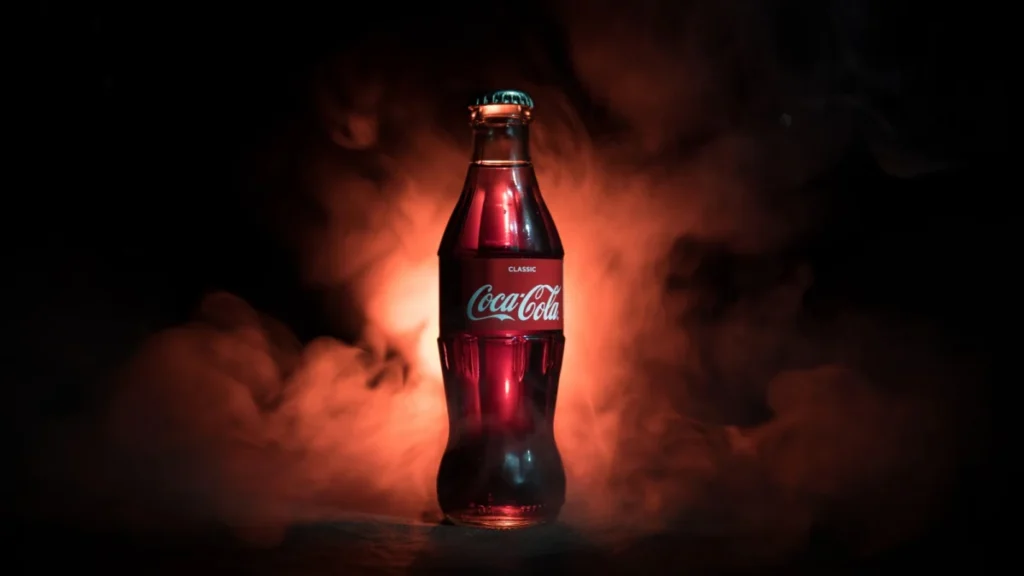
In a convergence of ancient artisanal techniques and contemporary consumer culture, the modern homebrewing community has reached a new milestone in experimental fermentation with the creation of a mead brewed entirely from Coca-Cola. This project, spearheaded by the creators at Golden Hive Mead, utilizes the chemical properties of the world’s most recognizable soft drink to produce a high-gravity alcoholic beverage known as a bochet. While the concept of "soda wine" may seem like a novelty of the social media era, the process relies on rigorous microbiological principles and a tradition of honey-based fermentation that spans over eight millennia.
The resulting beverage is not merely a mixture of spirits and soda, such as a traditional "rum and Coke," but is instead a fermented product where the sugars in both the honey and the soft drink are converted into ethanol by yeast. By utilizing the specific characteristics of caramelized honey and the complex flavor profile of Coca-Cola, these brewers have produced a drink that registers a significant 10.5 percent alcohol-by-volume (ABV), offering a sophisticated, "tangy caramel" flavor profile that belies its humble, carbonated origins.
The Technical Methodology of Coca-Cola Fermentation
The production of Coca-Cola mead, or "Coke Mead," requires a sophisticated understanding of how yeast interacts with various chemical environments. The process begins with the preparation of the primary fermentable base: the honey and the soda. In this specific iteration, the brewers utilized a technique known as "bochet," a French tradition dating back centuries that involves boiling honey until the sugars undergo the Maillard reaction. This caramelization process darkens the honey and introduces deep, smoky, and oak-like notes that provide a structural backbone to the final beverage.
Parallel to the honey preparation, the Coca-Cola must undergo a transformation of its own. In its standard consumer state, Coca-Cola is highly carbonated and slightly acidic. The brewers at Golden Hive Mead emphasize that the beverage must be poured into a vessel and stirred extensively to remove all carbonation. This step is critical because the carbon dioxide in the soda exists as dissolved carbonic acid. While this acid provides the "bite" that consumers associate with soft drinks, it creates a hostile environment for yeast (Saccharomyces cerevisiae). High levels of carbonic acid can lower the pH of the must to a point where yeast becomes stressed or dormant, potentially leading to stalled fermentation or the production of off-flavors.
Once the soda is rendered "flat" and the honey is sufficiently caramelized, the two are combined in a fermentation vessel. The high sugar content of the Coca-Cola—derived primarily from high fructose corn syrup or sucrose, depending on the region of manufacture—supplements the sugars in the honey, providing a dense caloric field for the yeast to consume.
The Role of Yeast and Chemical Conversion
Fermentation is a biological process in which microorganisms, typically yeast, convert carbohydrates into alcohol and carbon dioxide. In the case of the Coca-Cola mead, the yeast is introduced to a liquid that is exceptionally high in sugar. Over a period of approximately 30 days, millions of yeast cells metabolize these sugars. However, the process of fermentation is also a process of transformation; as the yeast consumes the sugars, it also alters the volatile organic compounds that give Coca-Cola its signature taste.
Brewers often find that the primary flavors of a soda—citrus oils, cinnamon, and vanilla—can be "stripped" or muted during active fermentation. To counteract this, the Golden Hive Mead process involves a secondary phase of flavoring. After the initial vigorous fermentation period, the brewers introduced a toasted oak stave, fresh vanilla beans, and additional cinnamon. These additives serve to "back-sweeten" and reinforce the traditional flavor notes of the cola, while the oak provides tannins that add mouthfeel and complexity, similar to a barrel-aged spirit or wine.
Historical Context: 8,000 Years of Fermentation Innovation
The creation of Coca-Cola mead is the latest chapter in a human history defined by the pursuit of fermented beverages. Archaeological evidence suggests that humans have been fermenting honey and fruits for at least 8,000 years. Early evidence of fermented beverages has been found in the Neolithic village of Jiahu in the Henan province of China, dating back to 7000 BCE. These early "extreme primary" beverages were often mixtures of rice, honey, and fruit, not unlike the hybrid nature of the modern Coca-Cola mead.
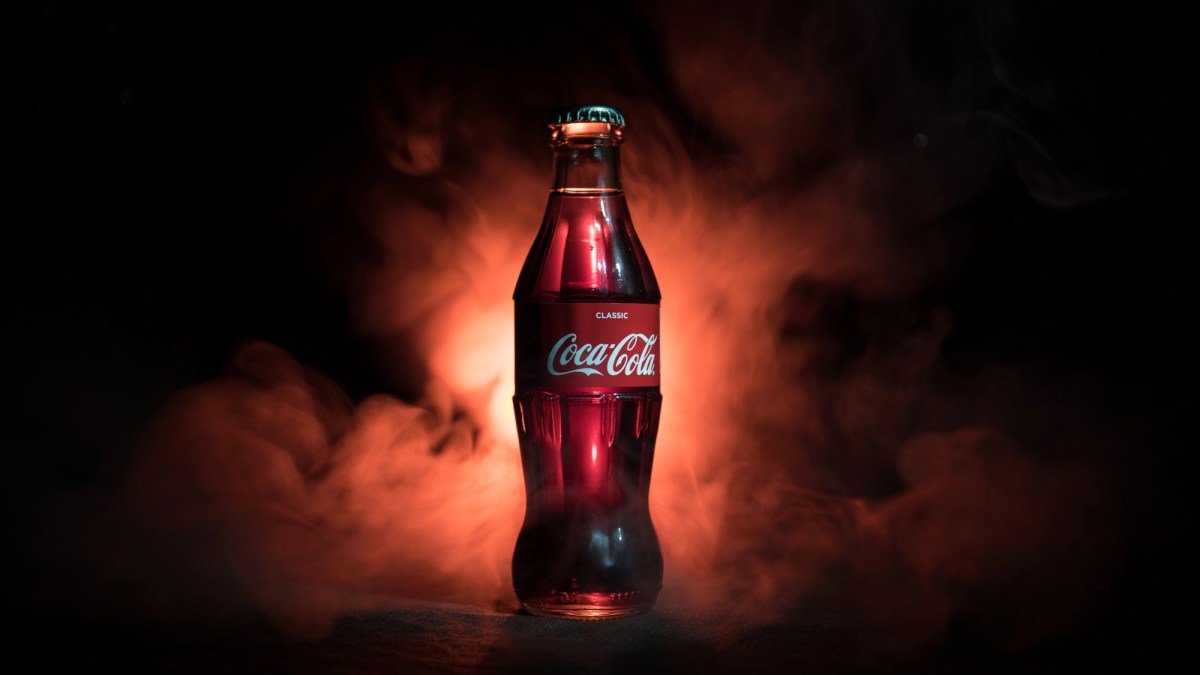
Mead, specifically, is often cited as one of the oldest alcoholic beverages in human history, predating both grape wine and grain-based beer in many cultures. The transition from using wild forest honey to using mass-produced, industrial sugar sources like Coca-Cola represents a full-circle evolution of the craft. While the ingredients have changed from foraged berries and wild honey to laboratory-stabilized syrups, the fundamental biological catalyst—the yeast—remains the same.
Sensory Analysis and Results
The final product of the Golden Hive Mead experiment has been described by tasters as a significant departure from the source material. At 10.5 percent ABV, the beverage sits comfortably between the strength of a standard lager and a robust table wine. The primary sensory notes are reported to be a "tangy caramel" with distinct undertones of cinnamon and apple.
The "tanginess" is likely a result of the phosphoric acid present in Coca-Cola. Unlike the carbonic acid, which is removed through de-gassing, the phosphoric acid remains in the liquid. This acidity provides a structural balance to the residual sugars and the deep, roasted notes of the caramelized honey. The addition of the oak stave and vanilla during the aging process helps to bridge the gap between the industrial flavor of the cola and the natural, earthy qualities of the honey.
Broader Implications for the Craft Beverage Industry
The success of the Coca-Cola mead experiment highlights several growing trends in the global beverage industry. First, it underscores the "DIY" and "maker" culture that has seen a resurgence in the last decade. With the legalization of homebrewing in all 50 U.S. states as of 2013, a new generation of hobbyists has begun to treat fermentation as a medium for culinary expression rather than just a means of alcohol production.
Furthermore, this experiment reflects a broader trend of "nostalgia brewing," where creators take iconic flavors from childhood—such as breakfast cereals, candies, or soft drinks—and recontextualize them for an adult audience. This movement has already seen success in the commercial sector, with the rise of "hard" sodas and spiked seltzers. However, the Golden Hive Mead project differs in that it is a bottom-up fermentation of the product itself, rather than a top-down blending of neutral spirits with flavoring agents.
Safety and Regulatory Considerations
While the experiment has garnered positive reactions online, professional brewers note that such projects require careful attention to sanitation and chemistry. Fermenting high-sugar, preservative-laden liquids like soda can be unpredictable. Many commercial sodas contain sodium benzoate or potassium sorbate, which are designed specifically to inhibit the growth of microorganisms like yeast. Successfully fermenting Coca-Cola requires a yeast strain that is robust enough to overcome these inhibitors or a dilution strategy that lowers the concentration of preservatives to a manageable level.
From a regulatory standpoint, the production of such beverages remains confined to the homebrewing sphere. Commercial production of a Coca-Cola-based mead would face significant trademark hurdles and stringent labeling requirements by agencies such as the Alcohol and Tobacco Tax and Trade Bureau (TTB) in the United States, which regulates the ingredients allowed in "traditional" versus "specialty" fermented products.
Conclusion
The transformation of Coca-Cola into a 10.5 percent ABV bochet mead is a testament to the versatility of fermentation and the ingenuity of the modern craft community. By applying the ancient French technique of honey caramelization to a symbol of modern industrial food production, the brewers at Golden Hive Mead have created a beverage that is both a scientific curiosity and a culinary achievement.
As the history of alcohol consumption continues to evolve, experiments like these serve as a reminder that the boundary between "tradition" and "innovation" is fluid. Whether using foraged honey from a Neolithic forest or a bottle of soda from a local convenience store, the human drive to explore the possibilities of fermentation remains a constant thread through the millennia. The Coca-Cola mead may not replace traditional wines on the dinner table, but it stands as a bold example of how science and creativity can turn the most common of ingredients into something entirely extraordinary.