


The landscape of modern education continually seeks dynamic methods to captivate student interest, particularly in subjects fundamental to critical thinking and communication like English Language Arts (ELA). Despite the intrinsic value of literature, poetry, and textual analysis, the traditional classroom often grapples with student disengagement, leading to passive learning experiences that fail to ignite curiosity or foster deep understanding. This challenge, prevalent across educational settings, is precisely what veteran high school English teachers Brian Sztabnik and Susan Barber set out to address. Leveraging a decade of collaborative experience and community building, they have developed and curated a suite of innovative, low-tech strategies designed to transform text interaction from a mundane requirement into an active, analytical, and engaging endeavor.
The Genesis of "100% Engagement"
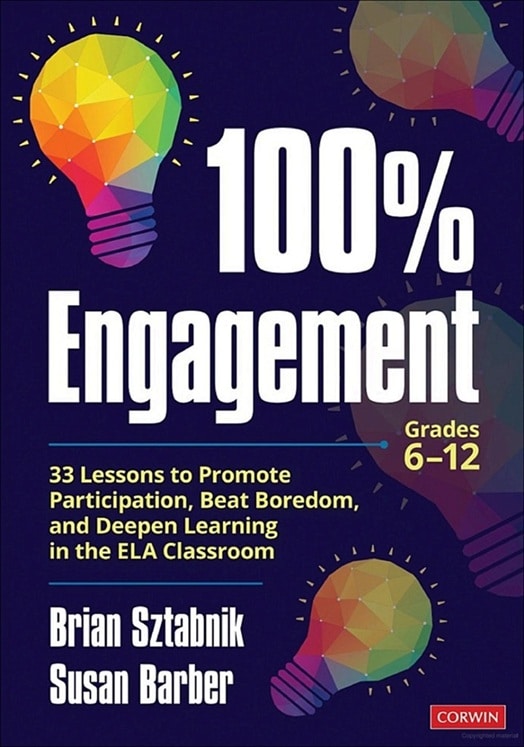
For over ten years, Sztabnik and Barber have been at the forefront of fostering professional dialogue among ELA educators. Their platform, "Much Ado About Teaching," alongside extensive engagement in social media chats, served as a crucial hub for identifying common pedagogical pain points, notably the struggle teachers face in designing lessons that genuinely resonate with students. This grassroots understanding fueled their mission: to combat the "boring" and "dry" perceptions often associated with textual analysis. Their collective insights and tested methodologies culminated in the publication of their book, 100% Engagement: 33 Lessons to Promote Participation, Beat Boredom, and Deepen Learning in the ELA Classroom, released earlier this year. The book encapsulates their philosophy that active learning is not merely a preference but a necessity for meaningful academic growth.

The Imperative for Active Learning in ELA
Studies consistently underscore the critical need for enhanced student engagement across all disciplines. Research by institutions such as the National Survey of Student Engagement (NSSE) frequently indicates that active and collaborative learning practices correlate with higher levels of academic performance and satisfaction. In ELA, where comprehension, interpretation, and critical analysis are paramount, passive reception of information—such as simply reading a text silently or listening to a lecture—often falls short. Data suggests that while foundational literacy skills may be present, deeper analytical engagement, especially with complex literary works, can plateau in high school without deliberate instructional interventions. Teachers often report that a significant percentage of students struggle to move beyond surface-level understanding, relying on rote memorization or simplistic interpretations rather than developing nuanced insights.
The traditional ELA classroom, heavily reliant on individual reading, written responses, and teacher-led discussions, can inadvertently alienate students who thrive on kinesthetic or interpersonal learning. The challenge is particularly acute in an era where digital distractions compete for student attention, making the allure of a compelling, interactive classroom experience more vital than ever. Sztabnik and Barber’s work responds directly to this educational climate, advocating for strategies that physically and mentally activate students, transforming them from passive recipients into active participants in the construction of meaning. Their approaches are deliberately low-tech, emphasizing accessibility and minimizing barriers to implementation, allowing educators to focus on the pedagogical impact rather than technological hurdles.
Core Strategies for Dynamic ELA Classrooms
Sztabnik and Barber highlight three exemplary strategies from their book that embody their commitment to fostering participation, mitigating boredom, and deepening learning. These methods illustrate how simple, well-structured activities can dramatically elevate student interaction with texts.
1. Cutting Up Poems: Deconstructing Poetic Meaning
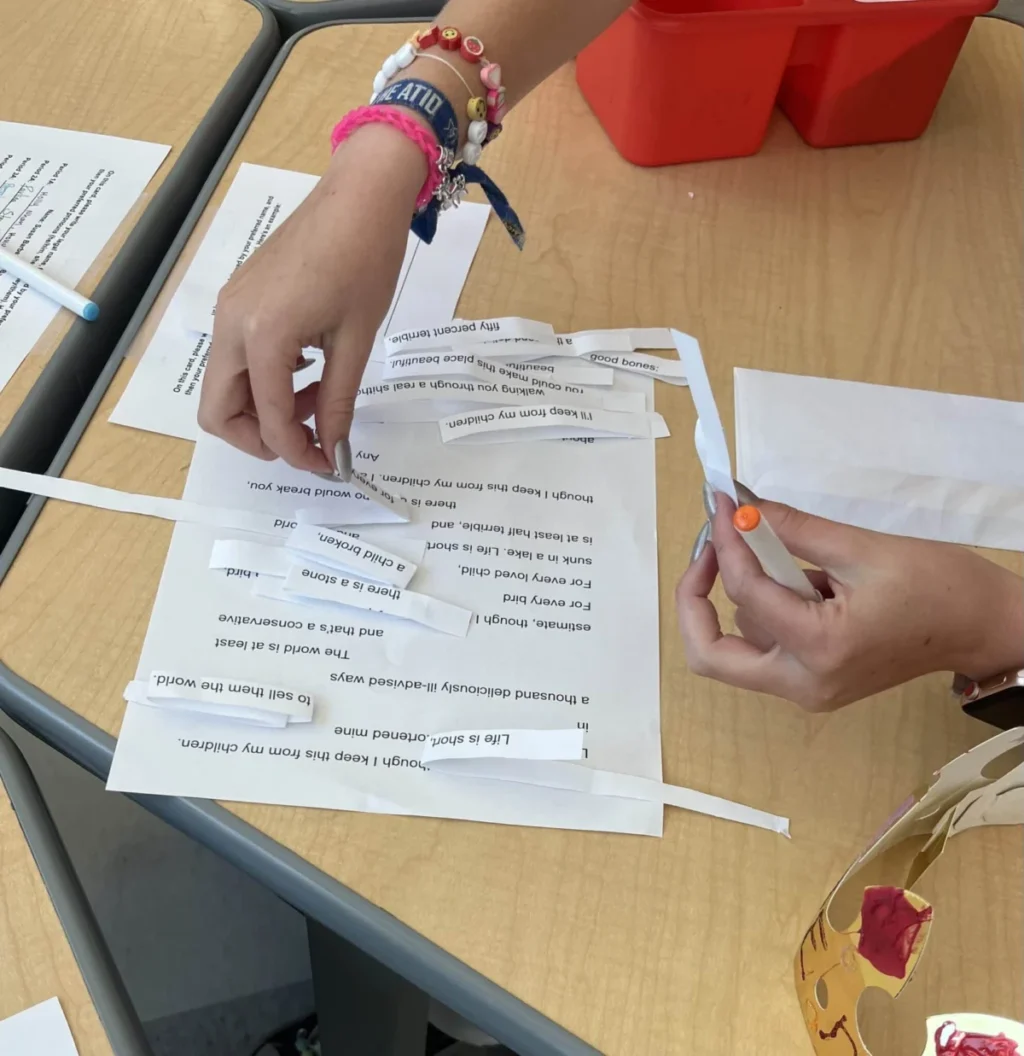
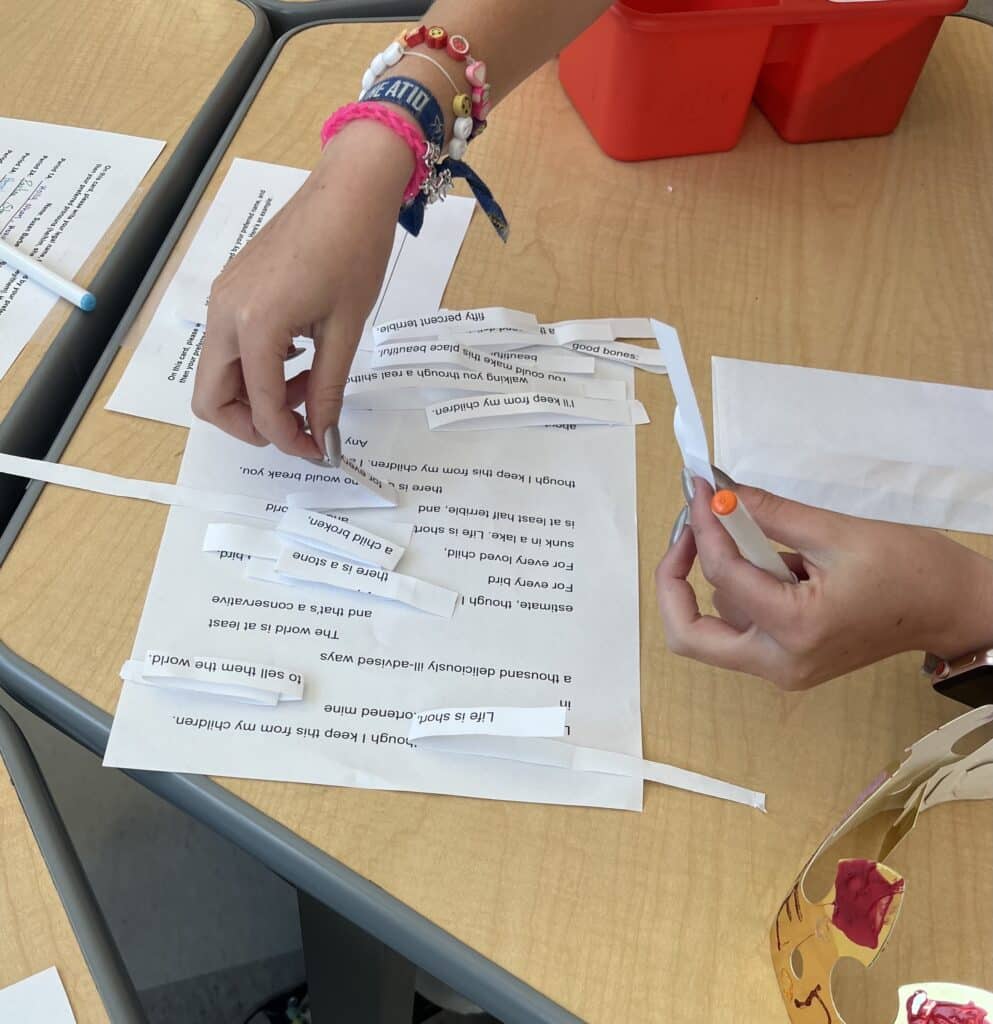
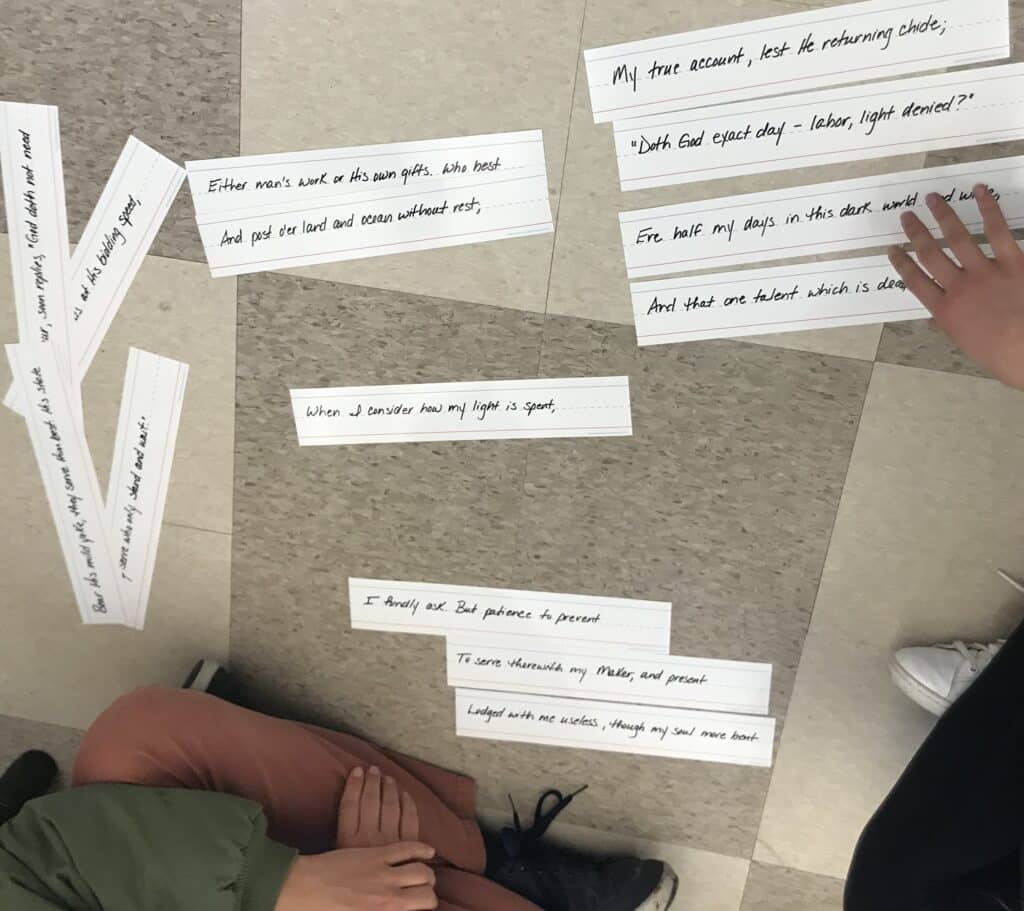
This innovative strategy transforms the often-intimidating task of poetry analysis into an interactive puzzle. Students are presented with a poem that has been meticulously cut into strips, each containing individual words, phrases, or lines. Their primary task is to reconstruct the poem, arranging these textual fragments into what they believe to be the original sequence. This initial reconstruction phase is followed by annotation of their version and, crucially, a comparison with the author’s original.
Susan Barber elucidates the profound impact of this activity: "It’s forcing the students to do a close reading of the poem. If I would have passed out this poem and said, I want you to do a close reading, their eyes would be glazed over." She emphasizes that the physical act of manipulating text forces students into analytical engagement. Students must consider grammatical structures, punctuation, capitalization, thematic coherence, and poetic devices to logically piece the poem back together. This process naturally prompts rich discussions within groups as students debate the placement of each strip, justifying their choices based on textual evidence. They are "already thinking about this poem analytically, and having really good discussion. They’re reading closely." Barber playfully refers to it as a "teacher trick," highlighting its effectiveness in achieving deep analytical engagement without students perceiving it as a laborious academic task.
The pedagogical rationale behind "Cutting Up Poems" is rooted in constructivist learning theory, where students actively construct knowledge through experience. It enhances close reading skills, promotes collaborative problem-solving, and encourages iterative interpretation. Furthermore, by comparing their reconstructed poem to the original, students gain a deeper appreciation for the poet’s deliberate choices in form, structure, and language, thereby enriching their understanding of literary craftsmanship. This strategy can be adapted for various text types, from short prose passages to historical documents, making it a versatile tool for promoting meticulous textual analysis across the curriculum.
2. Inferential Timeline: Charting Narrative Progression and Deeper Meaning
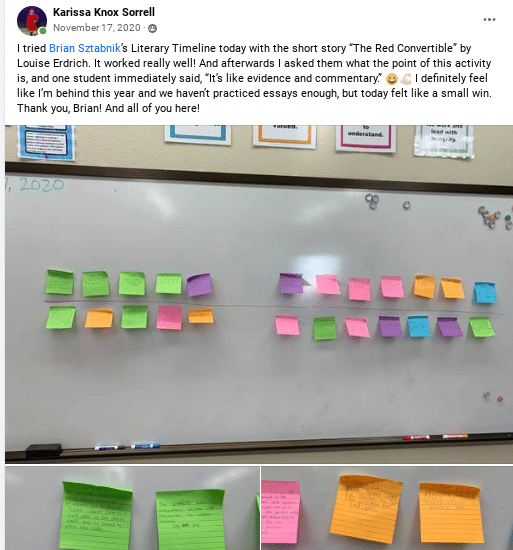
The Inferential Timeline is a two-tiered, collaborative activity designed to help students track narrative progression and extract deeper thematic significance from longer texts, particularly novels. Each student is assigned a specific segment of the text, typically a few pages, and provided with an index card or post-it note. On this card, they must summarize the most pivotal event or development within their assigned pages, accompanying it with a direct quote that exemplifies this moment. These cards form the top tier of a classroom-length timeline.
Brian Sztabnik elaborates on the initial phase: "What I’m really asking is to summarize the plot and boil it down to one or two sentences. So this is all about decision-making and cutting out the extraneous details and just focusing on what’s really important. And often it’s either character development or increasing conflict or maybe a symbol finally emerges." This exercise hones students’ summarization skills, forcing them to discern main ideas from supporting details, a critical skill for academic success.
The second tier of the timeline introduces a layer of inferential thinking. Once the first row of cards is complete, students select a classmate’s card from the timeline and create a new card to place beneath it. On this second card, they must articulate why the event described on the top card is significant to the broader narrative or thematic development of the text. This task requires students to move beyond plot recall to higher-order thinking, drawing conclusions and making inferences about causality, character motivation, or symbolic meaning.
Sztabnik describes this as "collaborative without being collaborative physically. It’s collaborative mentally: They have to look at their classmate’s card, determine what happened, and make an inference about why that event was so important in the grand scheme of those chapters. So here’s where we’re getting to the higher level thinking – we can understand the plot; now we need to draw conclusions." The lesson culminates in a "gallery walk," where students move along the entire timeline, observing and taking notes on the plot points and, more importantly, the collective inferences made by their peers. This provides a comprehensive overview of the text’s progression and its deeper implications, fostering a shared understanding and exposing students to diverse interpretations. This strategy is particularly effective for large-scale narrative texts, allowing students to visualize the story arc and its analytical layers.
3. Text Rendering: Unpacking Layers of Meaning
Text Rendering is a highly focused activity designed to guide students from broad interpretations to precise, evidence-based analysis. Students begin with a designated passage of text. Their task is to progressively narrow their focus, first by identifying the single most important sentence or line within the passage. From that chosen sentence, they then select the most crucial phrase or clause. Finally, from that phrase, they pinpoint the single most impactful word. This hierarchical selection process is often visually represented as nested ovals, moving from large (sentence) to medium (phrase) to small (word).
After making their selections, students are required to defend their choices to the class or in small groups, articulating their reasoning based on the text’s content, context, and potential implications. This defense phase is critical, as it compels students to justify their interpretations with textual evidence and engage in rigorous analytical discussion. Following individual or paired work, small groups collaborate to synthesize their findings and draw broader conclusions about the passage, grounding these conclusions firmly in the specific textual elements they identified.
Susan Barber developed this lesson to address a common academic challenge: "I have trouble every year getting students to narrow their focus when they’re making meaning from the text. They talk in these really big, general ideas, and I would be like, Where did this came from? And they’re like, You know, it’s just there. It has to come from someplace specific in the text. I had to find some activity to get them to take the big ideas to the small." Text Rendering directly tackles this issue by forcing students to connect grand ideas to minute textual details, fostering precision in their analytical arguments. This skill is foundational for developing strong literary essays and effective argumentation across all academic writing. It promotes careful consideration of authorial intent, word choice, and the subtle power of language.
Broader Impact and Community Building
The strategies championed by Sztabnik and Barber represent a significant contribution to pedagogical innovation in ELA. They underscore the power of active, student-centered learning to transform classrooms and deepen academic understanding. By making learning tangible, collaborative, and analytical, these methods address the perennial challenge of student disengagement head-on. Their commitment extends beyond their book; they have cultivated a vibrant online community through a dedicated "100% Engagement" Facebook group, providing a platform for teachers to share experiences, seek advice, and further refine these and other strategies. Their blog, "Much Ado About Teaching," continues to serve as a resource for educators seeking practical, effective teaching solutions.
The dissemination of such practical, research-backed strategies through platforms like "Cult of Pedagogy" (which featured an interview with the authors) further amplifies their reach and impact. These initiatives foster a culture of continuous improvement and collaborative professional development within the teaching community, empowering educators to experiment with and adapt innovative techniques to their specific classroom contexts.
Looking Ahead: The Future of ELA Instruction
The work of educators like Brian Sztabnik and Susan Barber illustrates a crucial shift in educational philosophy: moving from instruction that primarily transmits information to one that actively facilitates discovery and meaning-making. As educational systems continue to evolve, the demand for engaging, effective, and accessible pedagogical approaches will only grow. Strategies like "Cutting Up Poems," "Inferential Timeline," and "Text Rendering" provide tangible examples of how ELA instruction can remain vibrant, relevant, and profoundly impactful, preparing students not just for academic success but for a lifetime of critical thinking and thoughtful engagement with the written word.
For educators interested in exploring these and other strategies, the book 100% Engagement offers a comprehensive guide. Further collaboration and insights can be found within the "100% Engagement" Facebook group and on the "Much Ado About Teaching" blog. Additionally, resources and further discussions related to effective teaching practices are regularly shared through platforms like "Cult of Pedagogy," offering weekly tips, tools, and inspiration to enhance teaching effectiveness and foster student success.