

In the quiet landscape of Washington Boro, Pennsylvania, a remarkable series of events has unfolded at the Raven Ridge Wildlife Center, illustrating the complex intersection of human infrastructure, wildlife biology, and the instinctual drives of maternal care. What began as a tragic accident involving an electric fence has transformed into a success story for avian conservation, as a severely injured female great horned owl (Bubo virginianus) has successfully adopted two orphaned owlets. This development highlights not only the resilience of the species but also the sophisticated methods employed by licensed wildlife rehabilitators to ensure that orphaned raptors are raised with the necessary biological cues to survive in the wild.
The Initial Rescue and Medical Assessment
The narrative began when a Pennsylvania game warden responded to a report of a large raptor entangled in an electrical fence. Great horned owls, known as the "tigers of the woods," are apex predators with expansive wingspans that can reach up to five feet. This physical stature, while an advantage for hunting, makes them particularly vulnerable to man-made obstacles such as power lines and electrified agricultural fencing. Upon arrival, the warden found a female great horned owl in significant distress. While he was able to safely extricate the bird from the wiring, the owl was unable to stand or take flight, prompting an emergency transport to the Raven Ridge Wildlife Center.
Tracie Young, a licensed wildlife rehabilitator and the founder of Raven Ridge, conducted the initial intake examination. Early assessments suggested a potential humeral or radius-ulna fracture, given the owl’s inability to manipulate her wings. However, diagnostic imaging and physical palpation revealed that while no bones were broken, the owl had suffered significant soft tissue trauma and swelling in one wing, likely a result of the impact with the fence and the subsequent struggle to free herself.
During this examination, Young discovered a critical biological marker: a brood patch. A brood patch is a seasonal physiological adaptation in birds where feathers on the abdomen are shed, and the underlying skin becomes thick and heavily vascularized. This allows for the direct transfer of body heat from the parent to the eggs or young chicks. The presence of this patch confirmed that the owl was a nesting mother. However, the circumstances of her rescue presented a secondary tragedy. Because the owl had been found a considerable distance from her original territory and had been incapacitated for an unknown duration, locating her original nest and any biological offspring was a logistical impossibility.
The Arrival of the First Orphaned Owlet
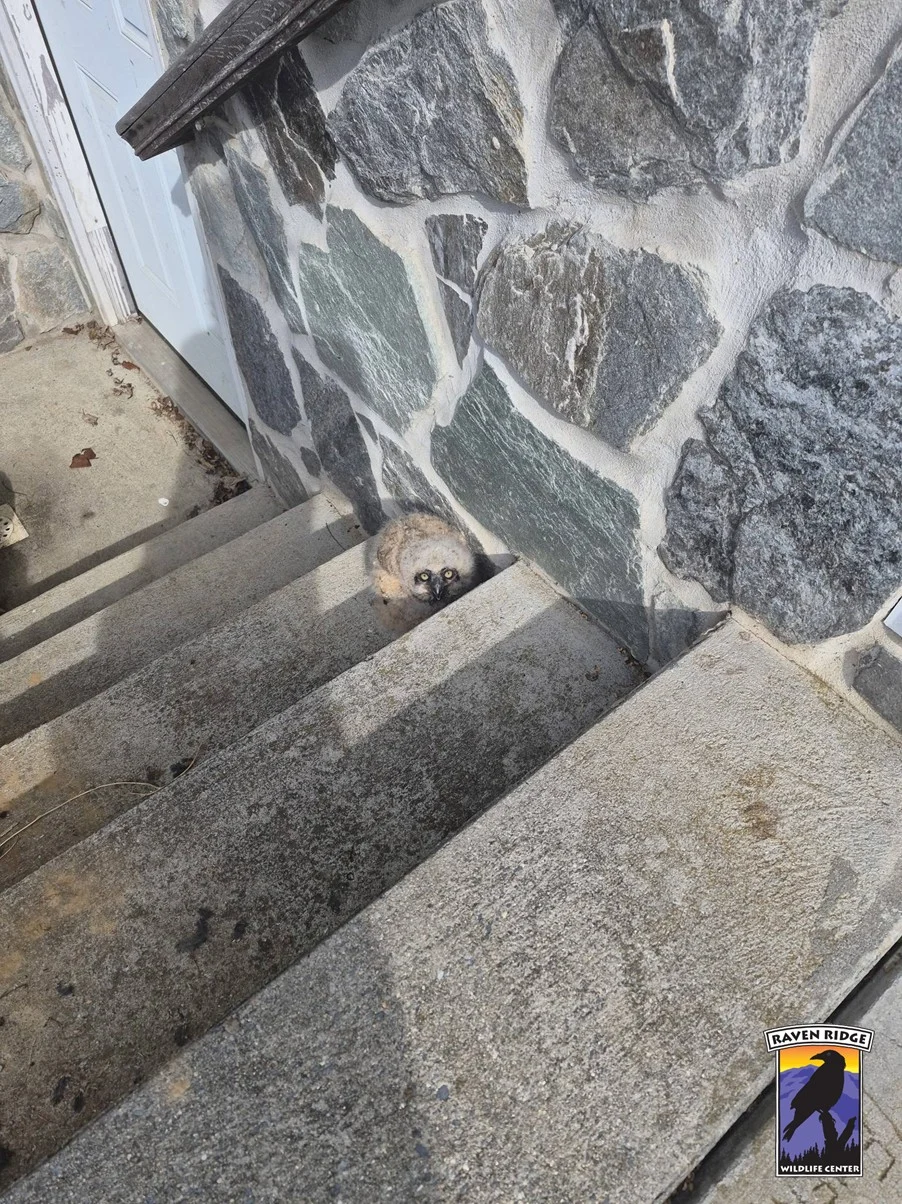
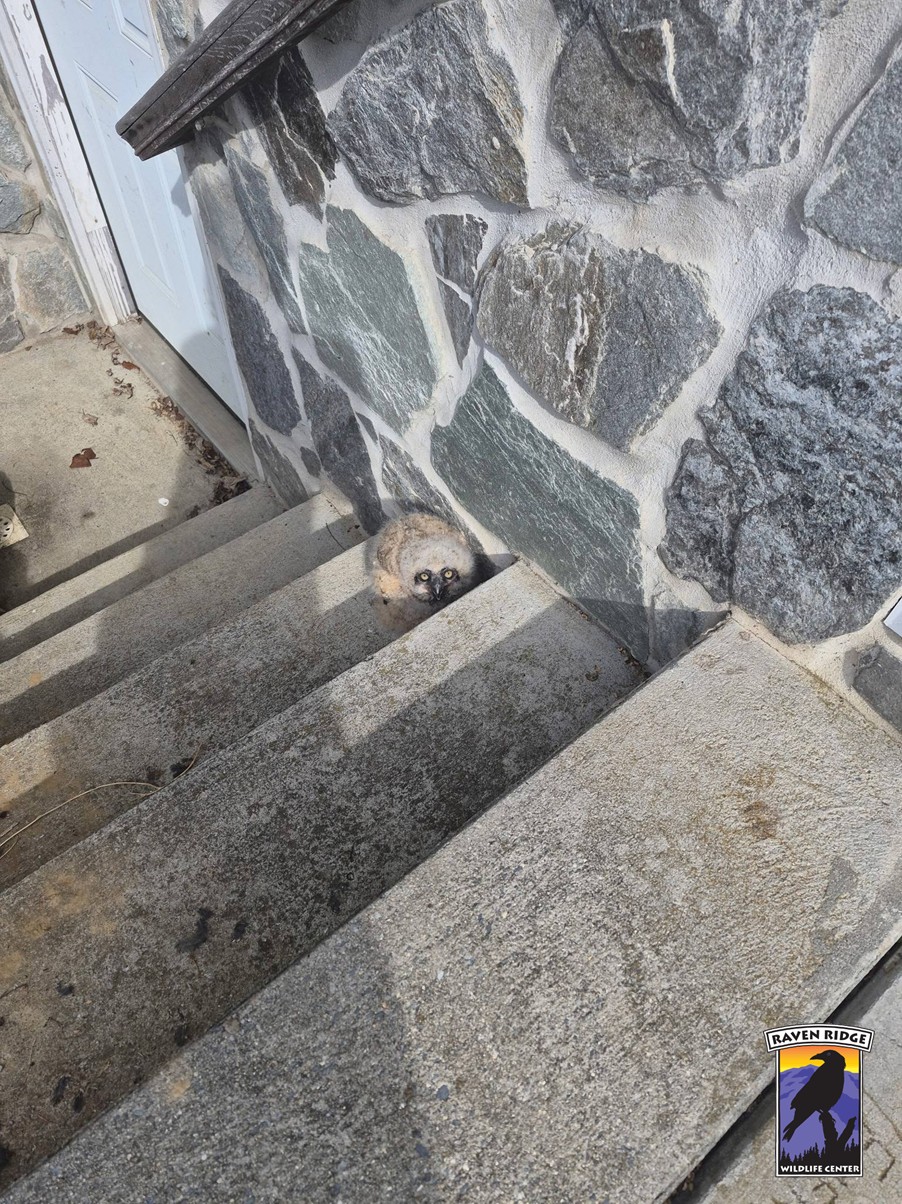
While the adult female began her recovery process, the center received a second call regarding a young great horned owl. This owlet had been discovered in an external basement stairway, a common "trap" for young birds that are in the branching stage—a period when they leave the nest to explore nearby limbs but are not yet fully capable of sustained flight. Without intervention, an owlet trapped in such a confined space is at high risk of starvation or predation.
The arrival of the orphaned owlet presented a unique opportunity for the Raven Ridge staff. In wildlife rehabilitation, the primary goal is the eventual release of the animal back into its natural habitat. For young raptors, the greatest obstacle to successful release is "imprinting." Imprinting occurs when a young animal identifies with another species—typically the human caregiver—as its parent or peer group. An imprinted owl may lose its natural fear of humans, fail to develop proper hunting techniques, or be unable to communicate with its own species, effectively rendering it unreleasable.
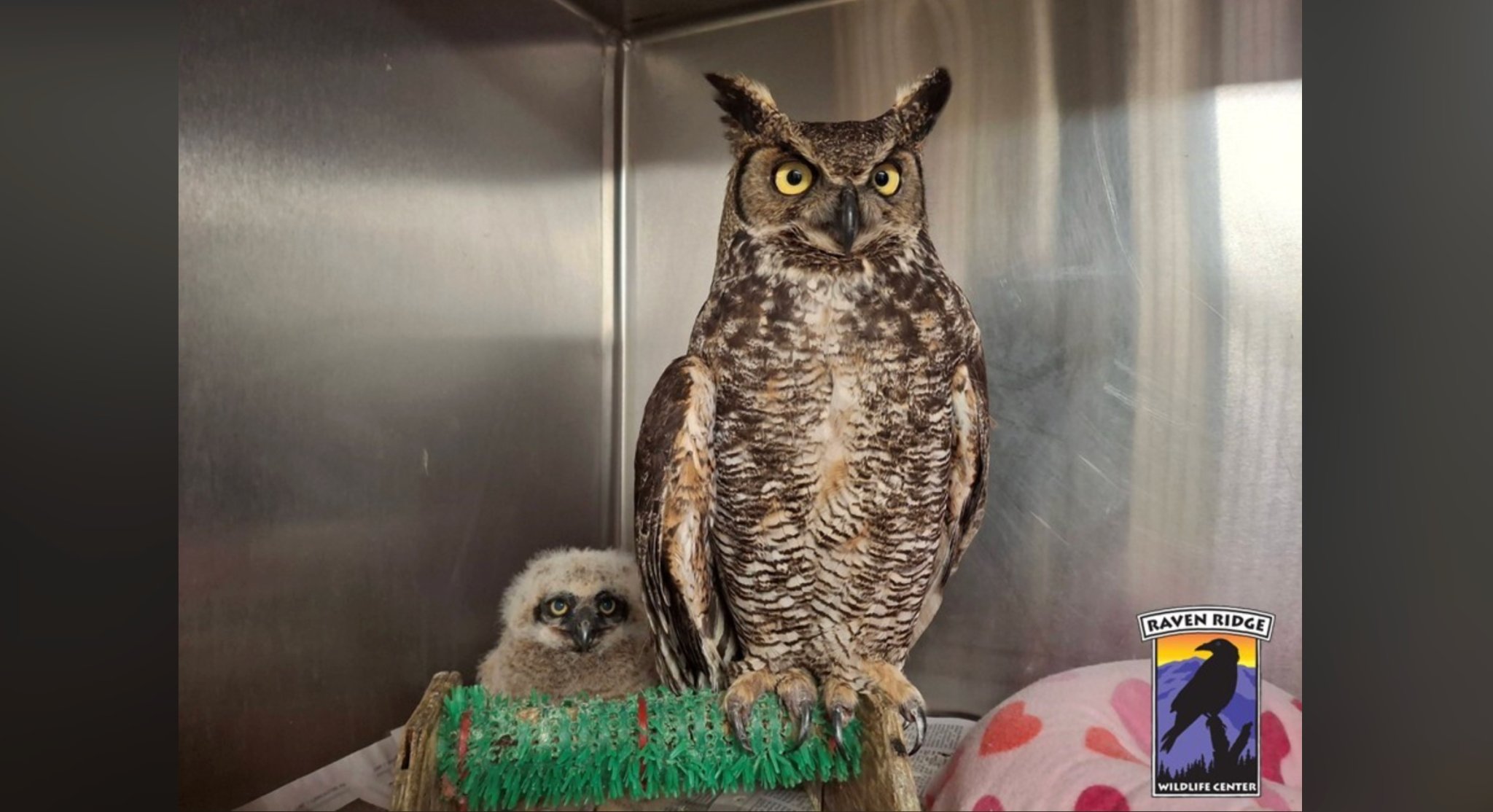
To mitigate this risk, rehabilitators often use "foster parents." At Raven Ridge, this role has historically been filled by Pharaoh, a resident male great horned owl who serves as a permanent educational ambassador and foster father. However, with a female owl already in the clinic who was physiologically primed for motherhood due to her brood patch, Young decided to attempt a rare same-species female fostering.
The Risks and Mechanics of Avian Fostering
The decision to introduce an unrelated chick to an adult raptor is not without significant risk. Great horned owls are highly territorial and possess powerful talons capable of exerting 300 to 500 pounds of pressure per square inch. There is always the possibility that an adult, stressed by its own injuries and captivity, might view a strange chick as a competitor or even a prey item rather than a ward.
"That’s why we say we want to take a chance. We don’t know for sure," Young noted during the process. The staff monitored the introduction with extreme caution. The owlet was placed within the female’s enclosure, and the team waited to see if the maternal instincts triggered by the brood patch would override the stress of the owl’s environment.
The result was an immediate success. By the following morning, the staff observed the owlet tucked tightly against the adult female’s side. The female had not only accepted the chick but had begun the essential task of brooding it, providing the warmth and security the young bird would have received in the wild. This bond ensures that the owlet will learn the specific vocalizations and behaviors of its species, a process that no human surrogate can perfectly replicate.
Expansion of the Foster Family
The success of the first adoption was soon followed by a second. Another orphaned great horned owl was brought to the center, and given the positive response of the foster mother, the staff introduced the second chick to the makeshift family. The female owl accepted the second owlet with the same readiness as the first.
This "instant family" serves a dual purpose in the rehabilitation cycle. For the owlets, they receive the biological education necessary for survival. For the adult female, the act of raising the chicks provides psychological enrichment during her convalescence. As her wing continues to heal and the swelling subsides, she is maintaining her maternal instincts, which will be vital if she is released back into a territory where she might nest again in future seasons.
Chronology of Events and Future Outlook
The timeline for the family’s journey is dictated by the biological growth of the owlets and the physical recovery of the mother.
- Late March/Early April: The adult female is rescued from the electric fence and diagnosed with soft tissue injuries and a brood patch.
- Mid-April: The first owlet is rescued from a basement stairway and successfully introduced to the female.
- Late April: A second owlet is added to the brood; the foster mother accepts both.
- Current Phase: The family remains under observation at Raven Ridge, where the female is being treated with anti-inflammatories and physical therapy for her wing while she cares for the young.
- Projected Future: Once the owlets reach the "fledgling" stage—where they are capable of flight and have developed their adult plumage—and the mother has regained full flight capabilities, the center plans to release them as a unit.
The release is tentatively planned for the general area where the mother was originally found. This is a strategic choice; it returns the adult to a familiar hunting ground while providing the owlets with a habitat that has already proven capable of supporting great horned owls. Even after release, young owls often remain dependent on their parents for several weeks or months, following them and "begging" for food until their hunting skills are fully honed. By releasing them together, the rehabilitators are giving the orphans the best possible chance at a natural life.
Ecological Implications and Wildlife Safety
The incident at Raven Ridge highlights broader issues regarding wildlife in suburban and agricultural corridors. Electric fences, while necessary for livestock management, represent a significant hazard to nocturnal hunters. According to wildlife data, raptors are frequently victims of "line strikes" and entanglements. Furthermore, the discovery of the owlet in a basement stairway underscores the importance of homeowners checking window wells and external stairs during the spring nesting season, as these structures act as pitfalls for "branching" birds.
The great horned owl is a vital component of the Pennsylvania ecosystem, acting as a natural control for rodent and skunk populations. While the species is currently classified as "Least Concern" by the IUCN, local populations face constant pressure from habitat fragmentation, rodenticide poisoning, and vehicle strikes. The work done by centers like Raven Ridge is essential for maintaining local biodiversity and providing a safety net for animals impacted by human activity.
The successful fostering of these two owlets by an injured mother is a testament to the sophisticated understanding of animal behavior in modern wildlife medicine. It moves beyond mere physical healing to address the social and developmental needs of the animals, ensuring that when they finally return to the Pennsylvania skies, they do so not as products of a laboratory, but as wild owls capable of continuing their lineage.