


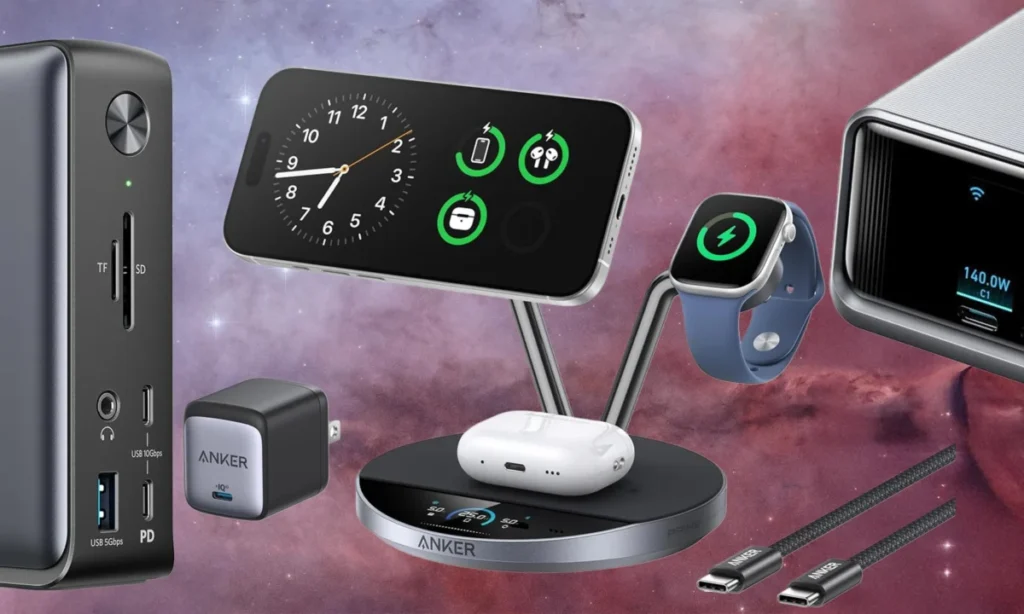
The consumer electronics landscape is currently witnessing a significant shift toward high-wattage, multi-port power delivery as Amazon’s annual spring promotional event triggers deep discounts on industry-leading hardware. Among the most prominent participants is Anker, a dominant force in the peripheral market, which has slashed prices on its flagship Prime and MagGo series. This movement comes at a critical time for consumers who are increasingly navigating a hardware ecosystem defined by power-hungry laptops, high-refresh-rate smartphones, and the European Union’s mandate for standardized USB-C connectivity. As legacy charging bricks become obsolete, the current sale provides a strategic window for users to consolidate their power infrastructure using Gallium Nitride (GaN) technology and the latest Qi2 wireless standards.
The Shift Toward Gallium Nitride (GaN) and High-Density Power
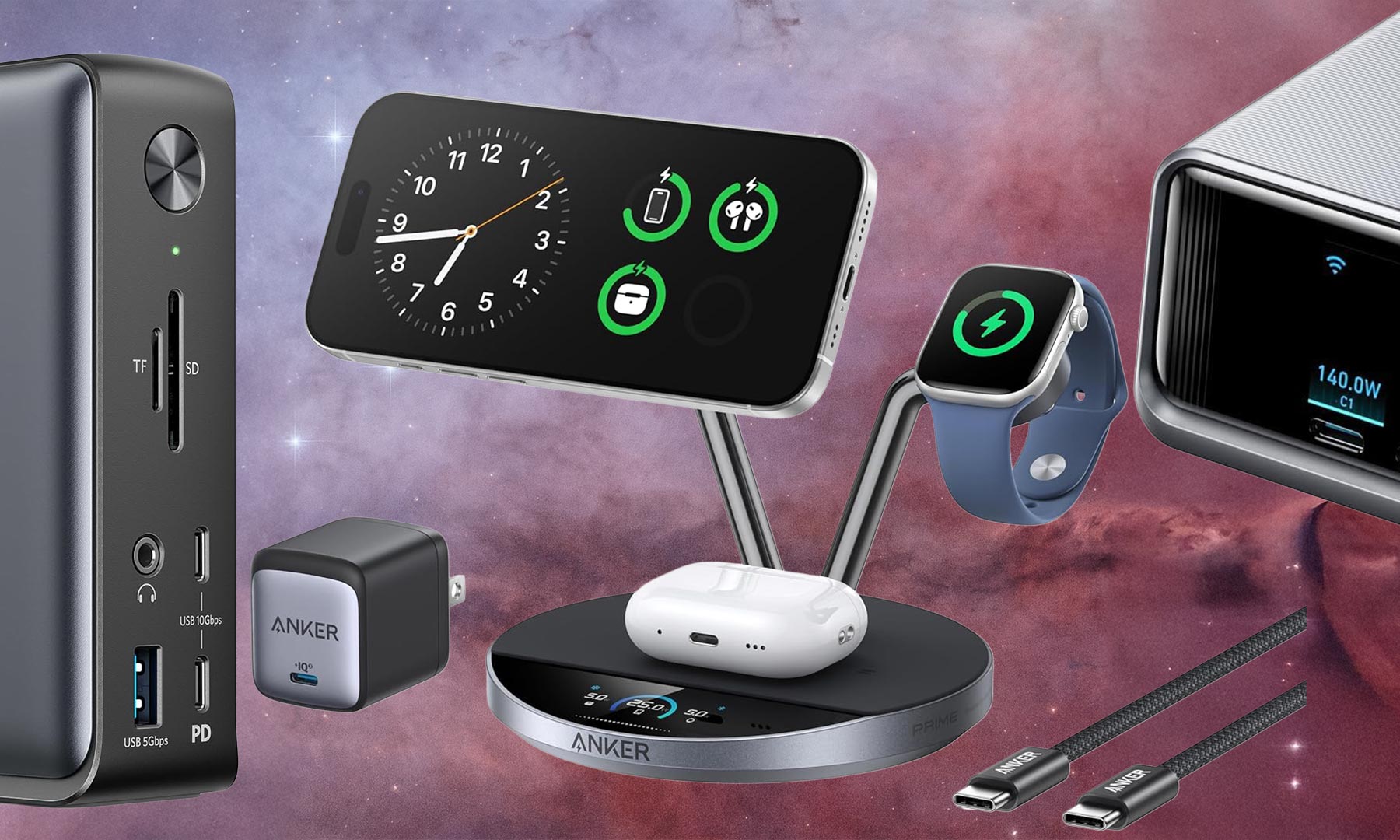
The centerpiece of the current discount cycle is Anker’s Prime series, which utilizes GaN technology to achieve higher efficiency and smaller form factors than traditional silicon-based chargers. Leading the desktop category is the Anker Prime 250W 6-Port GaN Charging Station, currently positioned as the brand’s flagship desktop solution. Reduced by 33% from its list price, this unit represents a peak in power density. It features a 2.26-inch LCD touch display that allows users to monitor real-time output and manually allocate wattage across six ports.
The technical significance of such a device lies in its ability to replace half a dozen individual power bricks. For professional workstations, the station can deliver up to 140W to a single high-performance laptop, such as a 16-inch MacBook Pro, while still maintaining enough overhead to fast-charge secondary devices. This consolidation is not merely a matter of convenience; it addresses the growing "cable clutter" crisis in home offices and reduces the thermal footprint of charging setups, as GaN components generate significantly less heat than their predecessors.
Advancements in Wireless Charging: The Qi2 Standard
A pivotal development in this year’s spring hardware refresh is the widespread adoption of the Qi2 charging standard. Anker has updated its MagSafe-compatible lineup to meet these new certifications, most notably with the Anker Prime 3-in-1 MagSafe Charging Station. This device is Qi2.2 certified, capable of hitting a 25W peak—a significant jump from the previous 15W limit found on older MagSafe accessories.
To support these higher speeds, Anker has integrated a thermoelectric cooling system. This is a critical addition because sustained 25W wireless charging often leads to thermal throttling, where the smartphone reduces its intake to protect the battery. By actively managing heat, the Prime 3-in-1 ensures that the 25W peak is maintained for longer durations, resulting in drastically reduced charge times for the latest generations of iPhone and Android devices. For consumers, the sale price on these units offers an entry point into the most advanced wireless ecosystem currently available, effectively future-proofing their nightstands and desks for the next several years of smartphone iterations.
Portable Power and the Laptop Ecosystem
For mobile professionals, the discounts on high-wattage travel chargers are particularly impactful. The Anker Prime 100W 3-Port GaN Charger, now at its deepest discount of 43%, serves as a case study in modern portability. Despite its small size—comparable to an AirPods Pro case—it can provide a full 100W charge to a laptop. When multiple devices are connected, the internal logic automatically rebalances power, ensuring that a laptop, tablet, and phone all receive optimal current without tripping the charger’s internal safety circuits.
Furthermore, the Anker 140W 4-Port MacBook Charger with Smart Display addresses a specific pain point for power users: transparency. The inclusion of a front-facing display that shows real-time output per port allows users to diagnose whether a cable is failing or if a device is reaching its maximum intake. This level of data, once reserved for specialized USB-C testers, is now integrated into consumer-grade hardware. The sale also includes the 240W Nano USB-C cables, which are necessary to carry the high current required by the Power Delivery (PD) 3.1 protocol found in these 140W+ chargers.
Desktop Productivity and Thunderbolt Connectivity
The sale extends beyond simple power bricks into the realm of high-performance docking stations. The Anker 13-in-1 USB-C Triple-Display Docking Station is currently positioned as a high-value alternative to expensive Thunderbolt-exclusive docks. By supporting dual HDMI outputs and a DisplayPort, it allows users of standard USB-C laptops (including many Windows-based machines from Dell, HP, and Lenovo) to run a triple-monitor setup while simultaneously accessing 10 Gbps data transfer and 85W pass-through charging.
For those on the absolute cutting edge, the Anker Prime Thunderbolt 5 Dock has seen a rare price drop. Thunderbolt 5 represents the next frontier in data transfer, supporting up to 120 Gbps and dual 8K displays. While the market for Thunderbolt 5 is currently niche, the reduction in price signals Anker’s intent to lead the transition as new laptops featuring Intel’s latest chipsets begin to saturate the market.
Chronology of Charging Innovation
To understand the importance of these current deals, one must look at the timeline of charging technology over the last decade:
- 2014-2018: The era of proprietary "bricks" and the slow transition from Micro-USB to USB-C. Charging speeds rarely exceeded 18W for mobile devices.
- 2019: The introduction of first-generation GaN technology, allowing for 60W chargers that were 50% smaller than standard Apple or Dell chargers.
- 2021: The launch of USB-C Power Delivery 3.1, which broke the 100W barrier, allowing for up to 240W over a single cable.
- 2023: The announcement of the Qi2 wireless standard, bringing magnetic alignment and 15W+ speeds to a broader range of devices.
- 2024-2025: The integration of "Smart Displays" and AI-driven power allocation (ActiveShield 2.0) into consumer chargers, marking the current state of the art available in the Amazon Spring Sale.
Economic and Environmental Implications
The move toward multi-port, high-efficiency chargers has broader implications beyond individual convenience. From an environmental perspective, the "e-waste" generated by the millions of low-quality, single-port chargers bundled with older electronics is a significant global concern. By investing in a single 250W or 100W multi-port station, consumers reduce the number of individual components they need to purchase and eventually discard.
Economically, the pricing strategy seen in this sale reflects a maturing market. As GaN components become cheaper to manufacture at scale, high-end features like LCD screens and 140W outputs are moving from professional-only gear to mainstream consumer products. Anker’s decision to offer 30% to 43% discounts suggests a push to clear inventory ahead of the next generation of hardware, likely focusing even more heavily on the Thunderbolt 5 and Qi2 ecosystems.
Industry Analysis: The Competitive Landscape
While Anker remains a market leader, the aggressive pricing during the Amazon Spring Sale is also a response to increased competition. Brands such as Ugreen, Satechi, and Belkin have all launched competitive GaN and Qi2 products. However, Anker’s advantage lies in its proprietary safety technologies, such as ActiveShield 2.0, which monitors temperature millions of times per day to prevent overheating—a critical feature when dealing with 250W of total output.
Market analysts suggest that the "Charger-less" trend started by Apple and Samsung—where new phones no longer include a wall adapter—has created a massive secondary market. Consumers are no longer satisfied with the basic 5W or 20W plugs of the past; they are seeking "one-and-done" solutions that can handle their entire tech stack. The products featured in this sale, particularly the 6-port stations and the 13-in-1 docks, are designed specifically to meet this "hub-centric" consumer behavior.
Conclusion and Future Outlook
The current Amazon Spring Sale serves as more than just a retail event; it is a snapshot of the current state of power technology. The transition to GaN, the adoption of Qi2, and the rise of high-wattage Power Delivery 3.1 are all represented in the discounted lineup. As digital lifestyles continue to demand more power for high-resolution displays and AI-integrated processors, the infrastructure that provides that power must become smarter and more efficient.
For the average consumer, the opportunity to upgrade from a "junk drawer" of mismatched cables to a streamlined, monitored, and high-safety power ecosystem at a 40% discount is a logical move. As we look toward the end of 2025, we can expect even higher wattages and more integrated data-and-power solutions to become the norm. For now, the current generation of Anker Prime and MagGo hardware represents the high-water mark of consumer power delivery, offering a rare blend of performance, safety, and—during this sale—affordability.