



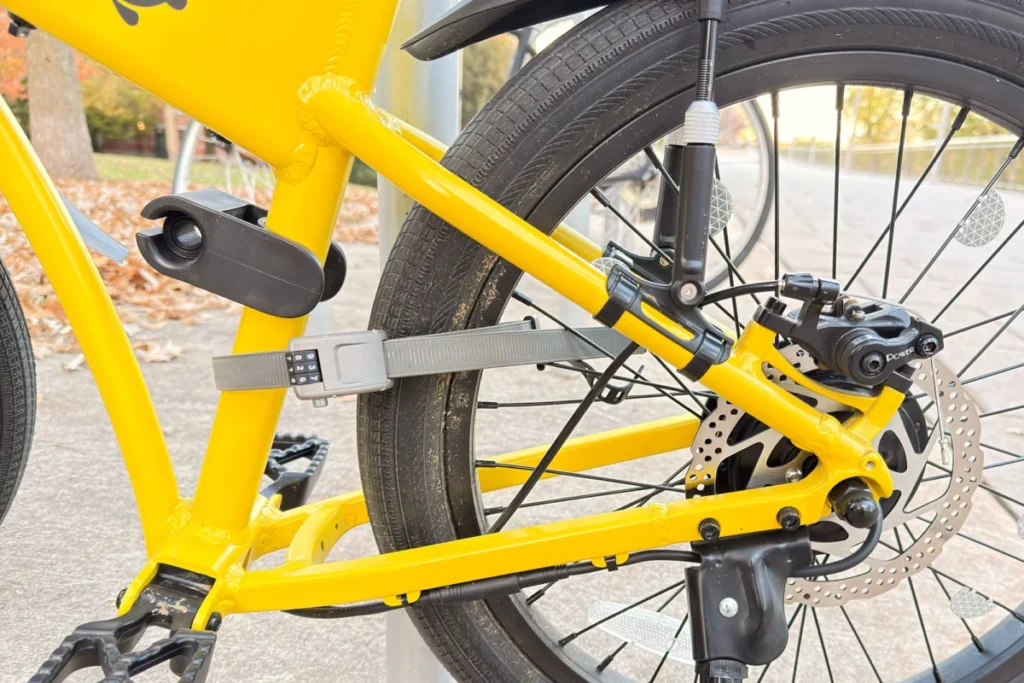
The rapid proliferation of electric bicycles has fundamentally altered the landscape of urban mobility and recreational cycling, necessitating a parallel evolution in the equipment used to support these high-velocity machines. As e-bikes transition from niche luxury items to primary modes of transportation for millions, the "dialing in" of a bicycle through specific accessories has become a matter of both safety and operational efficiency. The transition from traditional pedal power to electric assistance introduces unique variables, including higher average speeds, increased frame weight, and more complex maintenance requirements. Industry data suggests that the global e-bike market is projected to reach over $50 billion by 2030, a trend that is driving a surge in the development of specialized gear designed to handle the rigors of motorized cycling.
The Evolution of the E-Bike Accessory Ecosystem
The secondary market for e-bike accessories is no longer merely an extension of traditional cycling gear. Because e-bikes often operate at sustained speeds of 20 to 28 mph, the physics of a crash and the requirements for security change significantly. Commuters now utilize e-bikes for tasks previously reserved for automobiles, such as heavy grocery hauls and multi-child transport. This shift has necessitated a more robust approach to choosing gear. Professionals in the field emphasize that while an e-bike provides the motor, the rider must provide the infrastructure—safety, security, and utility—to make the platform viable for daily use.
Critical Safety Standards for High-Velocity Transit
The most significant distinction between traditional cycling and e-biking is the velocity. Class 3 e-bikes in the United States can reach 28 mph with pedal assist, a speed that exceeds the design parameters of many standard bicycle helmets. Consequently, a new generation of helmets has emerged, often meeting the Dutch NTA 8776 standard, which is specifically designed for S-pedelec riders and provides better coverage for the temples and the back of the head.
The Smith Dispatch MIPS Helmet represents the pinnacle of this specialized protection. Priced at approximately $195, it incorporates Multidirectional Impact Protection System (MIPS) technology to reduce rotational forces during an impact. It also utilizes KOROYD, a honeycomb-like material that absorbs energy more efficiently than traditional EPS foam. For the urban commuter, the Trek Charge WaveCel Commuter Helmet offers a similar level of advancement. Utilizing WaveCel technology—a collapsible cellular structure—this helmet is engineered to flex, crumple, and glide to absorb energy before it reaches the head. These advancements are critical as e-bike riders are increasingly sharing roads with heavy automotive traffic at higher speeds.
Security in the Age of High-Value Theft
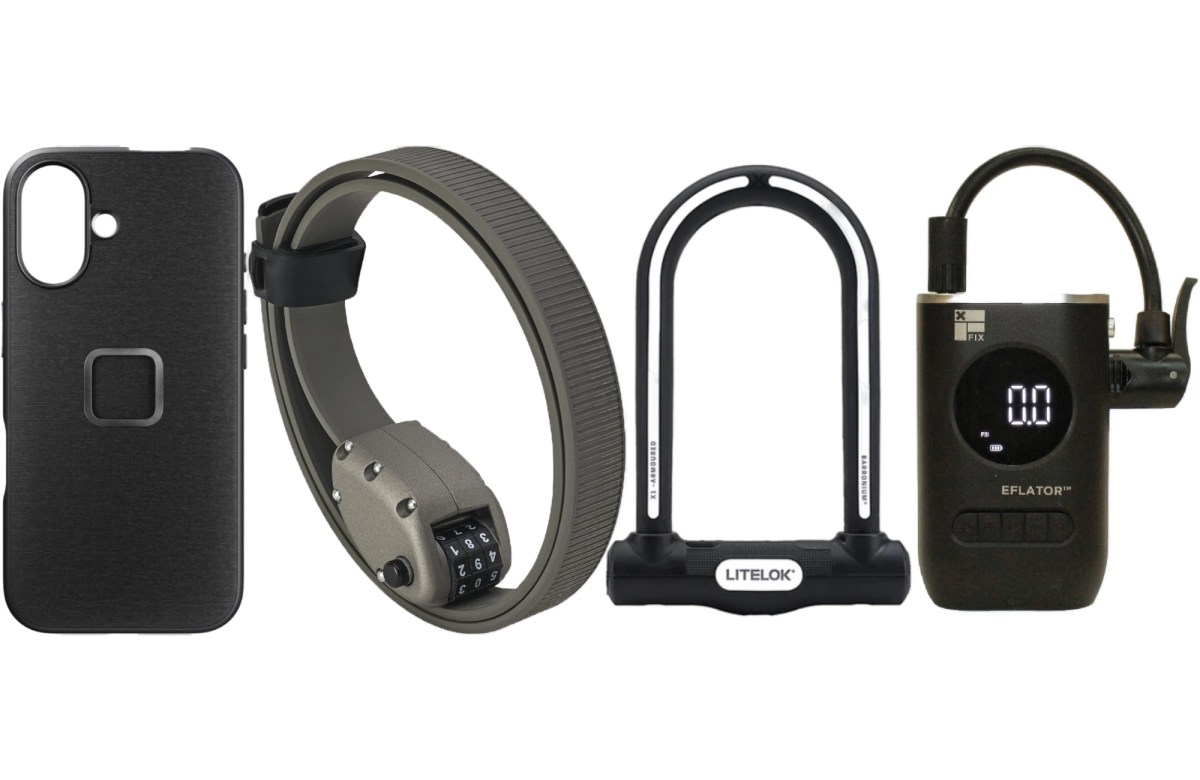
As the average price of an e-bike remains significantly higher than its non-electric counterparts, theft prevention has become an arms race between manufacturers and criminals. Traditional cable locks are now considered insufficient for anything beyond a momentary stop. The industry has seen a shift toward "angle-grinder resistant" materials, such as the Barronium alloy used in the Litelok X1 U-Lock. This $200 investment is designed specifically to destroy the cutting discs of portable power tools, which have become the primary tool for urban bike thieves.
For riders prioritizing portability, the Hiplok Gold Wearable Chain Lock offers a "Maximum Security" rating while allowing the rider to carry the weight on their hips rather than in a bag. Meanwhile, the Seatylock Foldylock Elite provides a solution for e-bikes with unconventional frame shapes. Folding locks offer the flexibility to reach around thick down tubes and integrated batteries that often make standard U-locks difficult to deploy. Security experts recommend a "layered" approach, often using a primary heavy-duty lock like the Litelok in tandem with a secondary device like the Ottolock Hexband Cinch Lock to secure wheels or accessories.
Maintenance Requirements for Heavy-Duty Frames
E-bikes are significantly heavier than traditional bicycles, often weighing between 50 and 80 pounds. This added mass increases the wear on tires and chains, making regular maintenance a prerequisite for safety. Maintaining optimal tire pressure is essential for maximizing battery range and preventing "pinch flats" caused by the heavy frame hitting potholes.
The Topeak Joe Blow Sport III remains a foundational tool for the home mechanic, offering a reliable, high-pressure solution for various valve types. However, the rise of "smart" maintenance has introduced products like the Fix Mechanic Eflator Digital Tire Pump. This battery-powered device allows riders to set a specific PSI and automate the inflation process, a convenience that mirrors automotive care. For on-the-road adjustments, a comprehensive multitool like the Crankbrothers M-17 is indispensable. E-bikes, with their increased vibrations and speeds, are prone to loosening bolts on racks and fenders; the M-17 provides the necessary hex keys and screwdrivers to ensure structural integrity during a commute.
Enhancing Utility and Digital Integration
The modern e-bike is frequently a "connected" vehicle. As riders navigate complex urban environments, the integration of smartphones and GPS units has become standard. The Peak Design Mobile system, featuring the Everyday Case and Out Front Bike Mount, utilizes a magnetic-mechanical "SlimLink" connector that ensures a phone remains secure even over rough terrain.

Safety tech has also moved into the realm of active monitoring. The Garmin Varia RearVue 820 Radar and Tail Light represents a significant leap in rider awareness. By utilizing radar to detect vehicles approaching from behind—up to 150 yards away—and displaying that data on a unit like the Garmin Edge 1050, riders can monitor traffic without constant shoulder-checking. This is particularly vital for e-bikers who may be traveling at speeds where wind noise obscures the sound of approaching engines.
Logistical Solutions for Cargo and Commuting
The primary value proposition of the e-bike is its ability to replace car trips. To do so, the rider must be able to transport goods. The Pocampo Willis Stem Bag and Vernon Bike Trunk Bag offer weather-resistant, modular storage for personal items and tools. For larger loads, the Basil Rear Milkbottle Bike Basket provides a low-tech, high-utility solution for grocery runs, while the Specialized Coolcave Pannier offers a rigid, "bucket-style" storage system that is easy to load and clean. These accessories transform the e-bike from a leisure vehicle into a "daily driver," capable of handling the logistical demands of modern life.
Transporting E-Bikes Beyond the City
The weight of e-bikes presents a unique challenge for vehicular transport. Standard trunk-mounted racks are typically rated for 30-35 pounds per bike, which is insufficient for almost all e-bikes. Consequently, hitch-mounted racks have become the industry standard. The Saris SuperClamp G4 2-Bike Hitch Rack supports up to 60 pounds per bike, utilizing a design that secures the wheels rather than the frame—a crucial feature for protecting expensive carbon or aluminum e-bike frames. For those with heavy-duty cargo e-bikes, the Thule Vero Hitch Rack increases that capacity to 80 pounds per bike, accommodating fat tires and long wheelbases that were previously difficult to transport.
Specialized Apparel for the Modern Rider
As e-bike journeys grow longer, rider comfort becomes a performance factor. Unlike traditional cycling, where riders generate significant body heat through intense exertion, e-bike riders often face a "wind chill" factor due to higher speeds with less physical effort. This has led to the popularity of gear like the Outdoor Research Freewheel MTB Stretch Rain Jacket, which provides waterproofing without the bulk of traditional rain gear.
Furthermore, eyewear has become a safety essential rather than a fashion choice. At 25 mph, insects, dust, and wind can cause significant eye irritation or temporary blindness. The Smith Seeker sunglasses provide performance-level protection with photochromic lenses that adjust to changing light conditions, while budget-friendly options like Goodr’s polarized line offer glare reduction for safer navigation in bright sunlight. For those riding in colder climates, the BlackStrap Treble Hood Balaclava has become a staple for protecting the face against the biting wind encountered at motorized speeds.
Analysis of Broader Impact and Implications
The professionalization of the e-bike accessory market reflects a broader shift in urban planning and environmental policy. As cities invest in "micro-mobility" lanes and e-bike incentive programs, the demand for high-quality, durable gear is expected to climb. This evolution is also influencing safety regulations. We are likely to see a convergence of bicycle and motorcycle safety standards as e-bikes continue to blur the lines between the two categories.
The integration of radar, high-security alloys, and automotive-grade lighting into the cycling world suggests that the e-bike is being treated with the same seriousness as a motor vehicle. For the consumer, the initial purchase of the bike is merely the starting point. The "enrichment" of the ride through these accessories is what ultimately determines the viability of the e-bike as a long-term replacement for the internal combustion engine. By prioritizing safety, security, and utility, riders are not just accessorizing a hobby; they are building a sustainable transportation ecosystem.