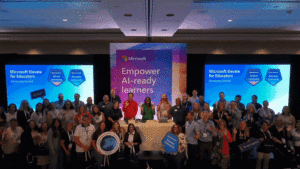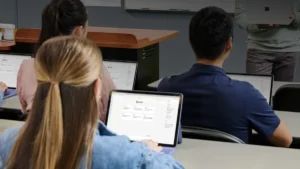

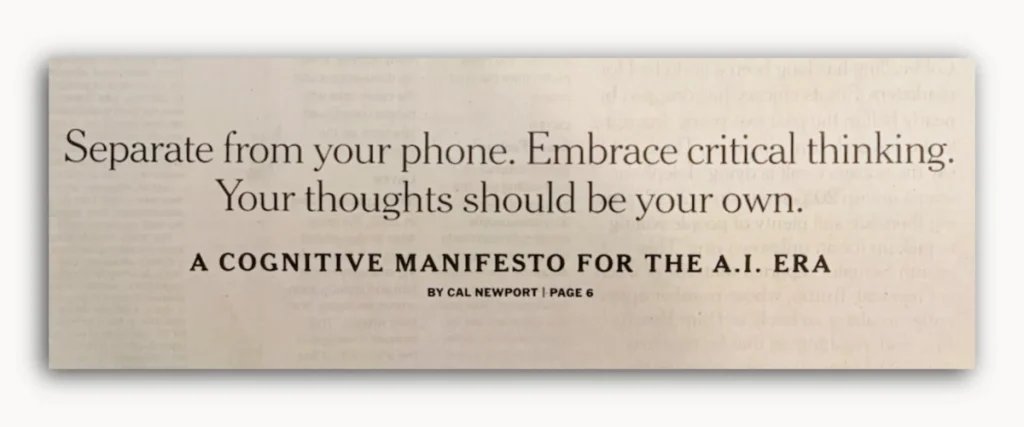
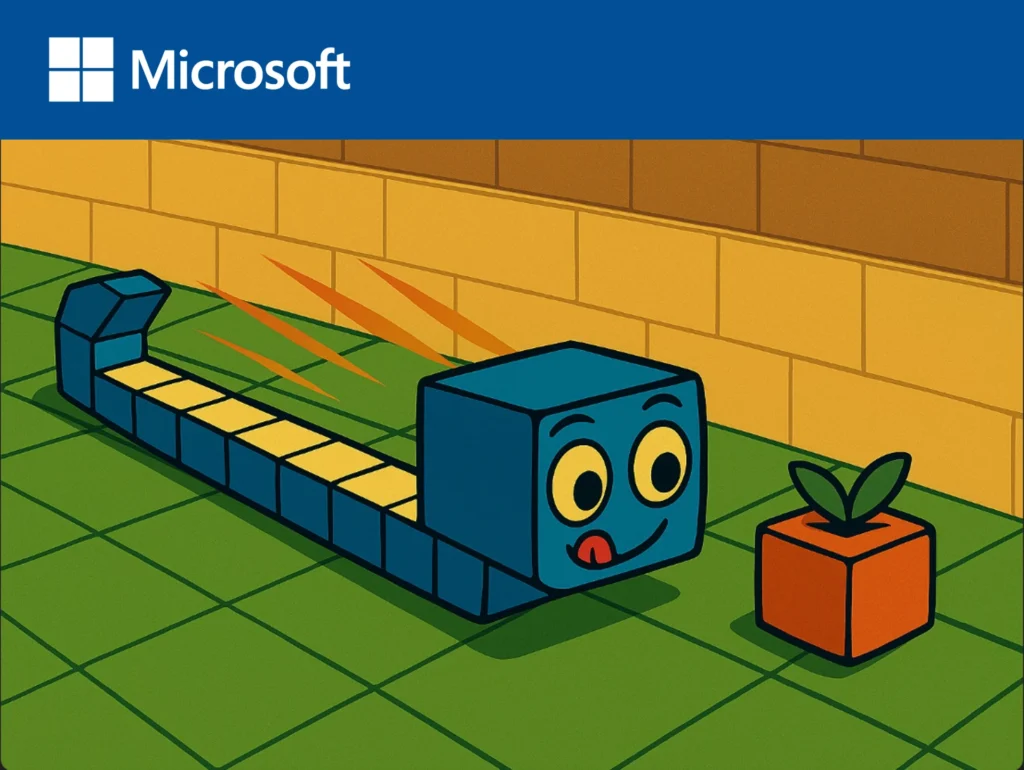
Microsoft Education has officially unveiled its "Hour of AI" initiative for Computer Science (CS) Education Week 2025, marking a significant strategic shift in how global technology literacy is introduced to the next generation. In collaboration with CSforALL and a coalition of prominent educational organizations including Code.org, the tech giant aims to move beyond traditional syntax-based coding education to focus on the burgeoning field of Artificial Intelligence. This global initiative is designed to demystify AI technologies for students, educators, and communities, setting an ambitious target to reach 25 million learners of all ages. The program arrives at a critical juncture as the global workforce undergoes a rapid transformation driven by generative AI, necessitating a fundamental update to the standard educational curriculum that has remained largely unchanged for decades.
The Evolution of Computer Science Education: From Logic to Intelligence
For more than ten years, Computer Science Education Week and the "Hour of Code" movement have served as the primary entry points for students to engage with technology. Historically, these programs focused on the "how" of computing—teaching students the logic of loops, variables, and if-then statements. However, the emergence of sophisticated Large Language Models (LLMs) and autonomous agents has shifted the industry’s requirements. Microsoft’s "Hour of AI" represents a modern evolution of this pedagogical tradition, acknowledging that tomorrow’s workforce will not only need to write code but also manage, prompt, and collaborate with AI systems.
The transition from "Hour of Code" to "Hour of AI" reflects a broader industry trend where the barrier to entry for software creation is lowering, while the importance of algorithmic literacy and ethical AI oversight is rising. By integrating AI concepts into the familiar framework of CS Ed Week, Microsoft and its partners are attempting to ensure that the "AI divide" does not mirror the "digital divide" of previous generations. The initiative is structured to be accessible to those with zero prior experience, emphasizing that AI literacy is a universal necessity rather than a niche technical skill.

A Tiered Curriculum: Tailoring AI Literacy Across Age Groups
To achieve its goal of 25 million learners, Microsoft has developed a suite of interactive, game-based activities tailored to different developmental stages. These resources are designed to be deployed in various environments, ranging from traditional classrooms and district-wide events to at-home learning sessions led by parents and caregivers.
Minecraft Education: "The First Night" with AI Agents
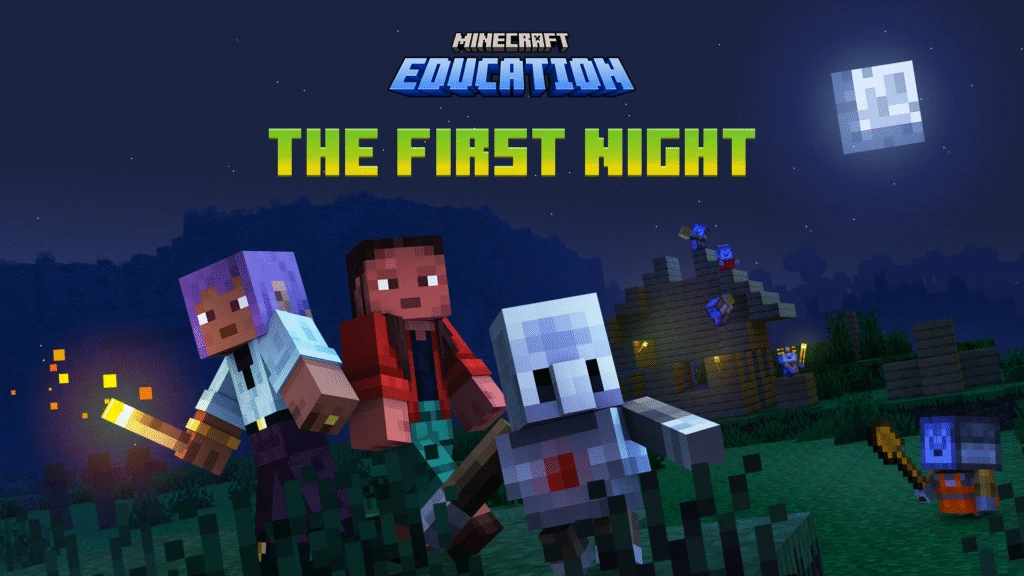
The centerpiece of the 2025 initiative is "Minecraft Hour of AI: The First Night." Minecraft has long been a staple of educational technology, but this new module introduces a fundamental change in gameplay. Instead of students manually performing every task to survive their first night in the game’s sandbox environment, they are tasked with collaborating with an "AI agent."
Students must use guided prompts to direct the agent to gather resources, clear land, and construct a shelter before sunset. This activity serves as a practical metaphor for modern human-AI collaboration. By observing how the agent interprets instructions, students learn the basics of algorithmic logic and the importance of clear, structured communication. The "First Night" module is being released as a free demo available in 29 languages, accompanied by comprehensive lesson plans that align with international computer science standards.
Microsoft MakeCode: Competitive Algorithms in "Bug Arena"
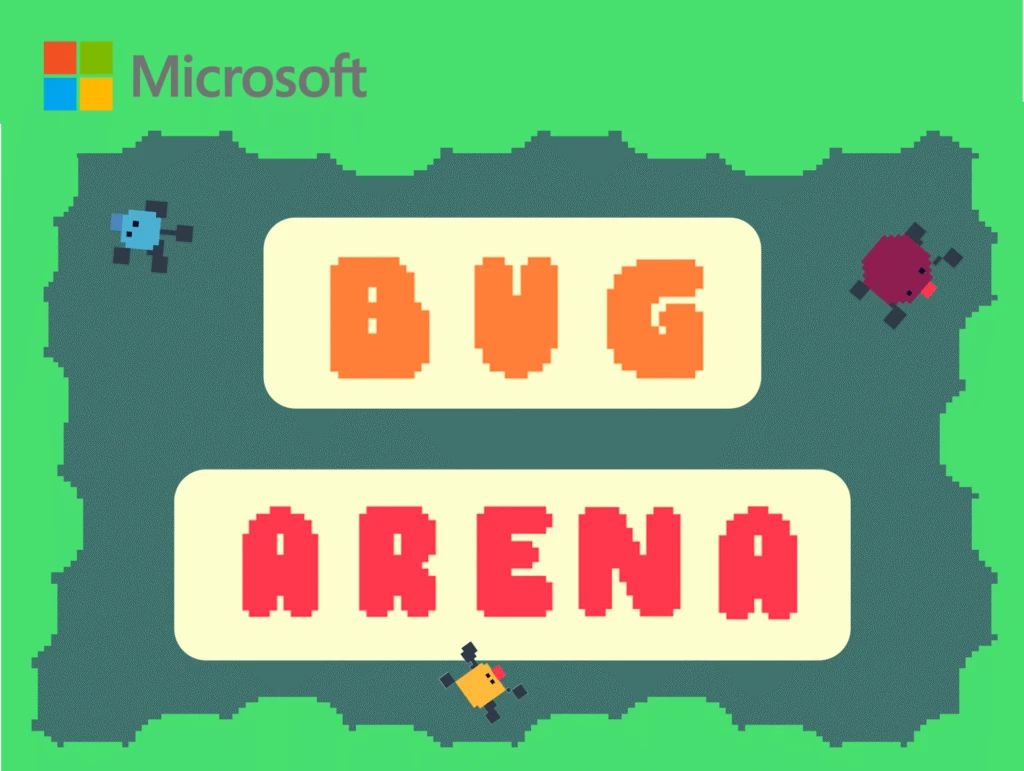
For middle-school students (Grades 3–8), Microsoft has introduced "Bug Arena" via the MakeCode platform. This activity utilizes a "low-code" environment where students design the logic for a digital "Bug" and enter it into a battle arena against other AI-powered entities. Unlike traditional gaming, the outcome is determined by the quality of the student’s algorithm. This gamified approach teaches foundational AI concepts such as pattern recognition and real-time decision-making. Students can iterate on their code in real time, observing how minor changes in logic affect their Bug’s performance, which mirrors the "trial-and-improvement" nature of professional AI model training.
Visual Studio Code for Education: "Slither Slam" and Prompt Engineering
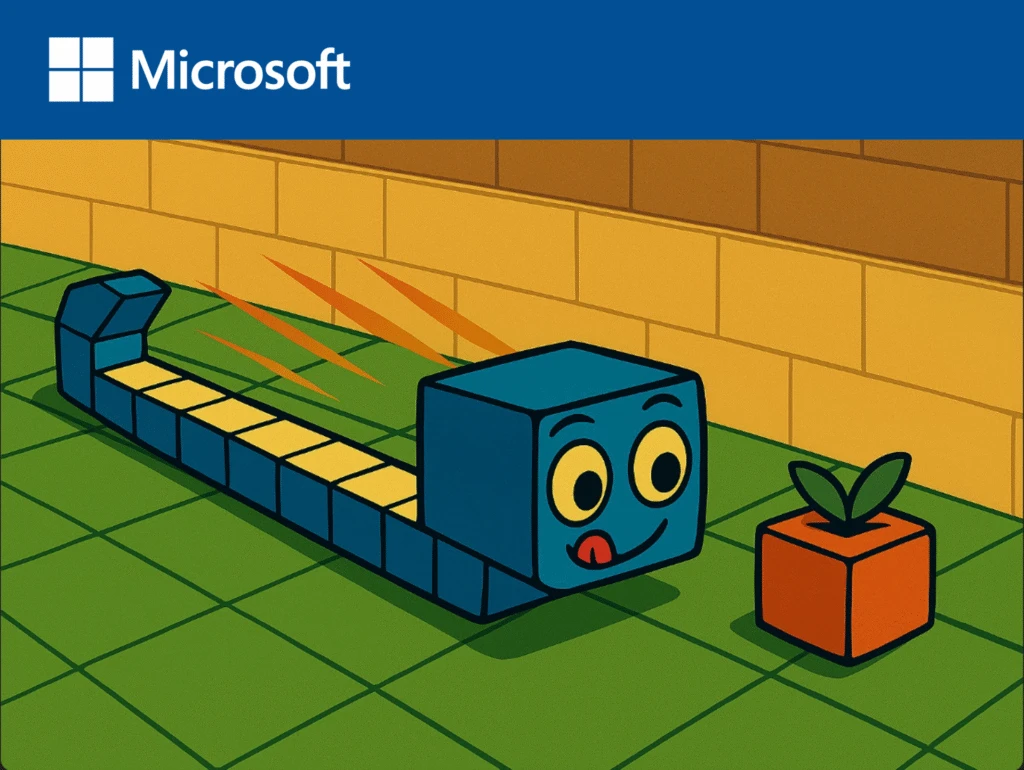
For high school learners (Grades 9–12), the initiative shifts toward professional-grade tools. "Slither Slam," hosted on Visual Studio (VS) Code for Education, introduces students to the concept of AI-assisted development. In this module, students use natural language prompts to generate code for a classic "Snake" game.
This activity is particularly significant because it addresses "prompt engineering"—the ability to communicate effectively with an AI to achieve a specific technical output. By using VS Code, a tool used by professional developers worldwide, students gain a realistic understanding of how AI is currently being used in the software industry to accelerate production and solve complex problems.
Data and Industry Context: The Urgency of AI Literacy
The push for 25 million AI learners is supported by a growing body of data suggesting a massive skills gap in the global economy. According to recent workforce reports, while nearly 75% of knowledge workers now use AI in their daily tasks, a significant majority of employers express concern that the talent pipeline is not keeping pace with technological advancement.
Microsoft’s internal research and the "Work Trend Index" suggest that "AI aptitude" is becoming as fundamental as reading and writing. By targeting 25 million people, Microsoft is addressing the "preparedness gap" identified by the World Economic Forum, which predicts that over 40% of core skills for workers will change by 2027 due to AI integration. The "Hour of AI" initiative serves as a massive-scale intervention to democratize these skills before the gap becomes insurmountable for underserved communities.
Strategic Partnerships and Global Accessibility
The success of the "Hour of AI" depends heavily on its collaborative ecosystem. By partnering with CSforALL, Microsoft is tapping into a network of school districts and policy-making bodies dedicated to making computer science a core part of the "K-12" experience. CSforALL’s involvement ensures that the curriculum is not just a corporate product but a pedagogically sound educational resource that meets the rigorous demands of public school systems.
Furthermore, the partnership with Code.org—the pioneer of the original Hour of Code—provides the infrastructure needed to reach a global audience. The focus on accessibility is evident in the technical requirements: most "Hour of AI" activities are web-based and can run on low-cost hardware, ensuring that students in resource-constrained environments are not left behind. The provision of materials in 29 languages is a direct response to the need for localized education in the Global South and non-English speaking regions.
Official Responses and Educational Philosophy
While official statements from the partner organizations emphasize the "fun" and "engaging" nature of the activities, the underlying philosophy is one of empowerment. Educators involved in the pilot programs have noted that the "Hour of AI" helps reduce "AI anxiety" among teachers. Many educators feel overwhelmed by the speed of AI development; by providing structured, "one-hour" lessons, Microsoft is offering a manageable entry point for teachers to learn alongside their students.
Industry analysts suggest that Microsoft’s move is also a strategic brand-building exercise. By positioning its tools—Minecraft, MakeCode, and VS Code—as the primary vehicles for AI education, Microsoft is cultivating a generation of users who are comfortable within its ecosystem. However, from a public policy perspective, the initiative is viewed as a necessary contribution to "Digital Citizenship," preparing students to critically evaluate AI-generated content and understand the ethical implications of automated systems.
Broader Impact: Shaping the Future of Learning
The implications of the "Hour of AI" extend far beyond a single week in 2025. This initiative signals a permanent shift in the definition of "literacy." In the coming decade, the ability to interact with an AI agent will likely be as important as the ability to use a search engine was in the early 2000s.
Microsoft’s broader "Elevate" program, which provides year-round resources for teachers, suggests that the "Hour of AI" is intended to be the "spark" for a long-term educational fire. As schools move toward incorporating these tools into their standard curricula, we can expect to see a shift in how subjects like math, science, and even the humanities are taught. The focus will move away from rote memorization and toward "computational thinking"—the ability to break down complex problems into steps that an AI can help solve.
In conclusion, the "Hour of AI" for CS Ed Week 2025 is more than a series of coding games; it is a large-scale societal experiment in rapid upskilling. By leveraging its vast technological resources and global partnerships, Microsoft is attempting to ensure that the next generation is not merely a passive consumer of AI, but an active architect of it. As the first 25 million learners take their first steps into this unprecedented future, the landscape of global education may be changed forever, one hour at a time.