



On July 4, 2026, as the United States celebrates the 250th anniversary of its founding, a massive 2,000-pound stainless steel time capsule will be lowered into the earth at Philadelphia’s Independence National Historical Park. This "National Record," commissioned by the non-profit organization America250, is designed to serve as a durable bridge between the current generation and the Americans of 2276. While the act of burying a time capsule is a traditional celebratory gesture, the engineering requirements for this project are anything but standard. Tasked with protecting a diverse array of artifacts for two and a half centuries, a multidisciplinary team of engineers from the National Institute of Standards and Technology (NIST) and preservation experts from the Library of Congress are currently finalizing a vessel capable of withstanding the relentless pressures of time, moisture, and geological shifts.
Historical Significance of the Semiquincentennial
The year 2026 marks the U.S. semiquincentennial, a milestone that arrives exactly 50 years after the nation’s Bicentennial in 1976. The America250 commission was established to coordinate national, state, and local programs to honor the 250th anniversary of the signing of the Declaration of Independence. Unlike the 1976 celebrations, which were characterized by massive parades and the "Bicentennial Wagon Train," the 2026 commemoration places a heavy emphasis on digital inclusivity and scientific preservation.
Independence National Historical Park, often referred to as the "birthplace of American democracy," serves as the logical epicenter for this event. As the site where both the Declaration of Independence and the U.S. Constitution were debated and signed, the park provides a symbolic anchor for a capsule intended to represent the entirety of the modern American experience. The involvement of NIST is particularly noteworthy; the agency has a storied history of protecting the nation’s most vital documents, having previously designed the advanced, inert-gas-filled display cases that house the original Charters of Freedom at the National Archives in Washington, D.C.
The Physics of Preservation: The Bell Jar Solution
The primary adversary of any underground storage project is moisture. For a time capsule intended to remain undisturbed for 250 years, even a microscopic leak could lead to the total destruction of its contents through rot, oxidation, or mold. Jay Nanninga, a NIST engineer and the primary designer of the capsule, identified waterproofing as the project’s most critical hurdle.
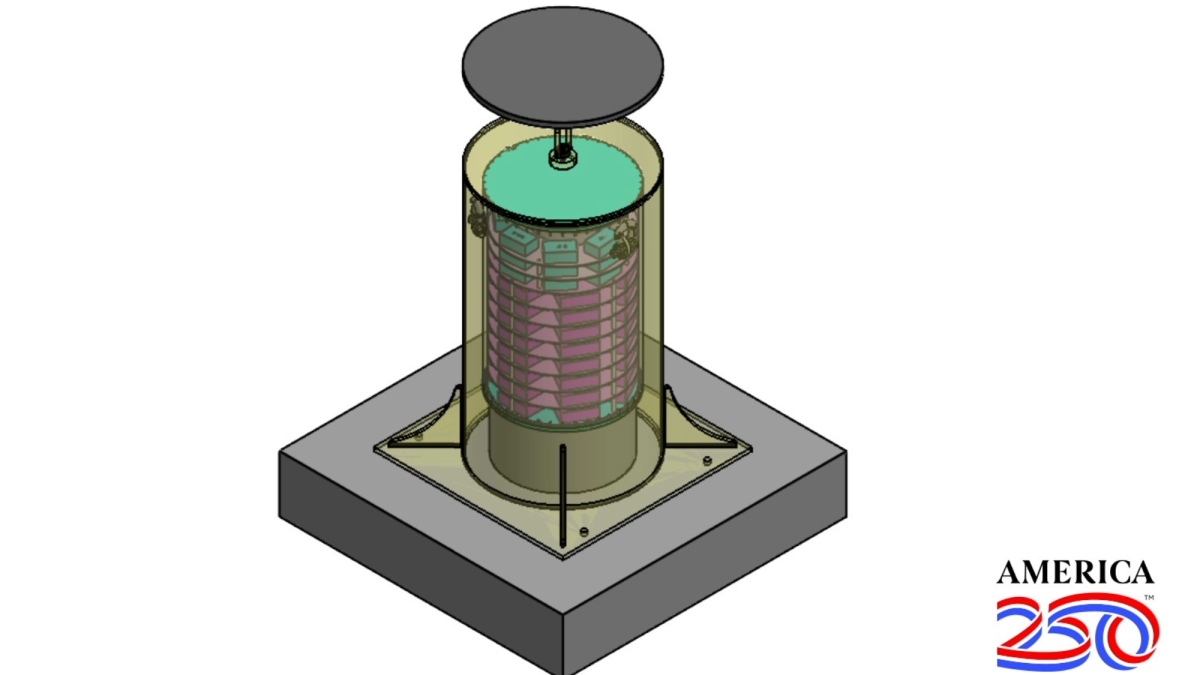
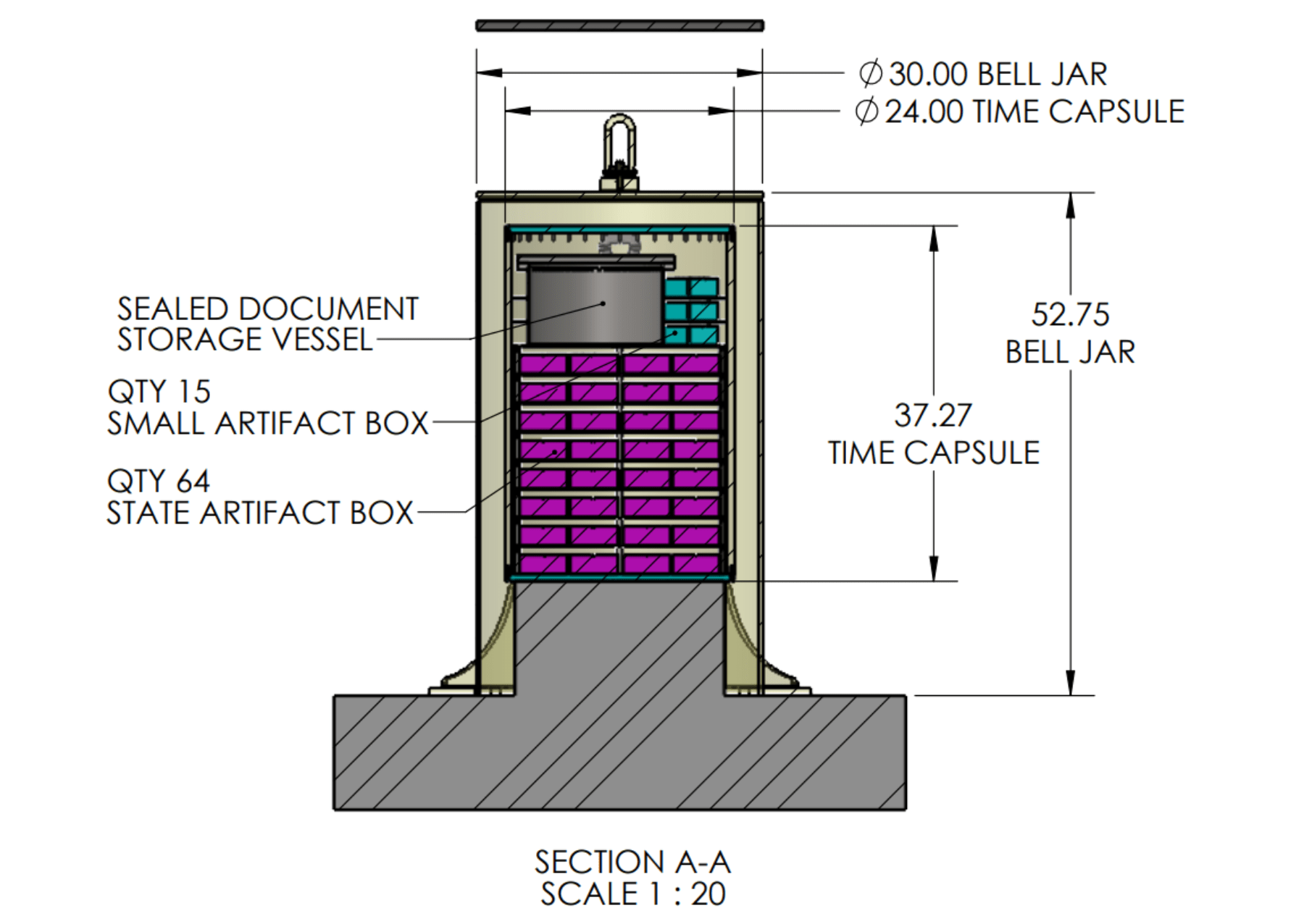
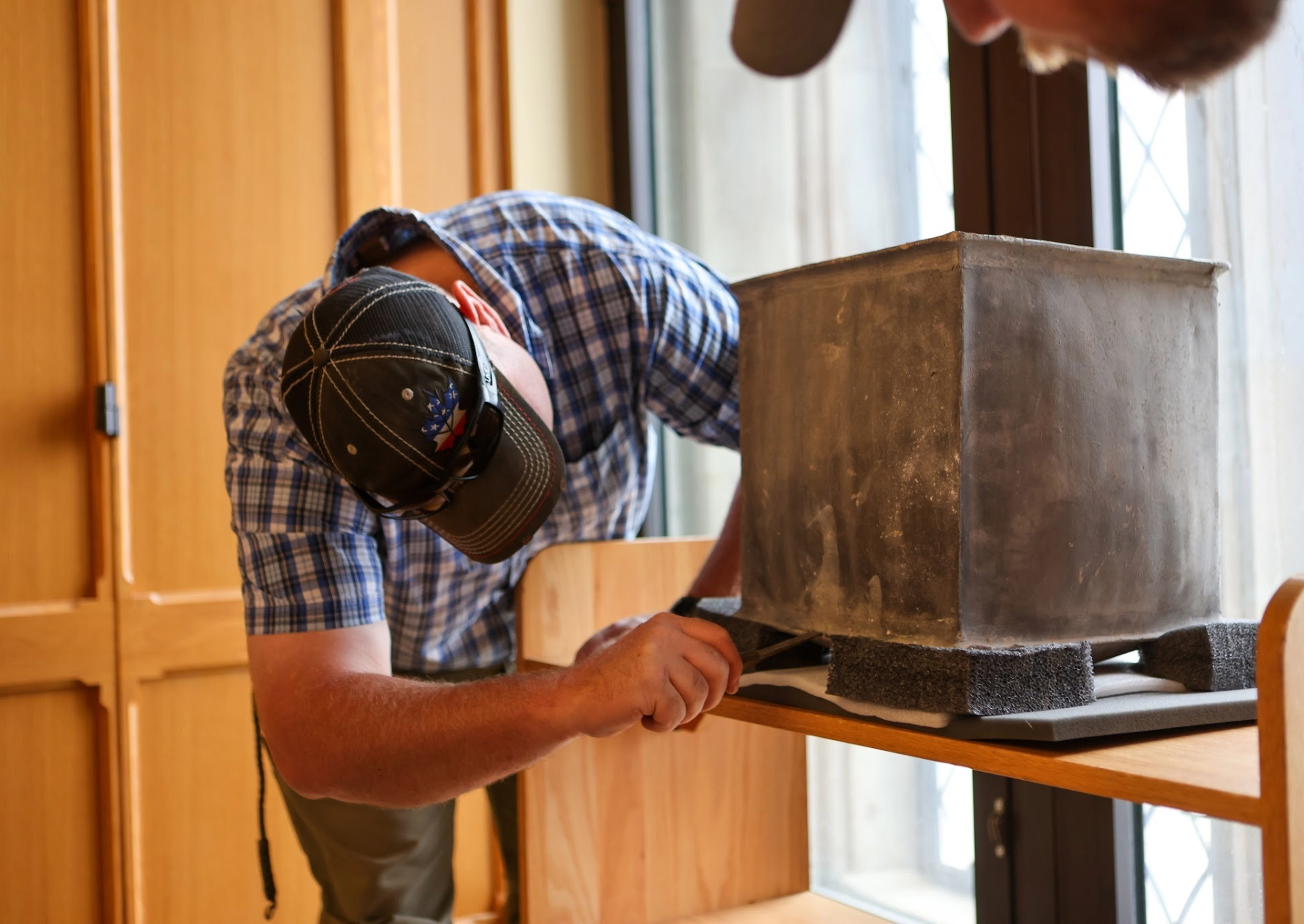
To solve this, the team developed a sophisticated "bell jar" design. The capsule consists of two primary components: an inner tube-shaped container that holds the artifacts and a larger, outer protective shell. This outer shell functions on the principle of hydrostatic pressure, much like an inverted bucket pushed into a swimming pool. By trapping a pocket of air inside the outer jar, the design creates a natural barrier. If the surrounding soil becomes saturated due to heavy rainfall or a rising water table, the internal air pressure within the bell jar will prevent water from rising into the inner chamber where the artifacts are stored.
This passive protection system is inspired by historical diving bells and allows the capsule to remain dry without the need for active pumps or electronic monitoring systems, which would inevitably fail over a 250-year timeline. The engineering team has accounted for Pennsylvania’s specific environmental risks, noting that while the region has a low earthquake hazard level, it is susceptible to significant flooding events. The bell jar system ensures that even in the event of total ground saturation, the "National Record" remains an island of dry stability.
Design Evolution: Overcoming Structural Limitations
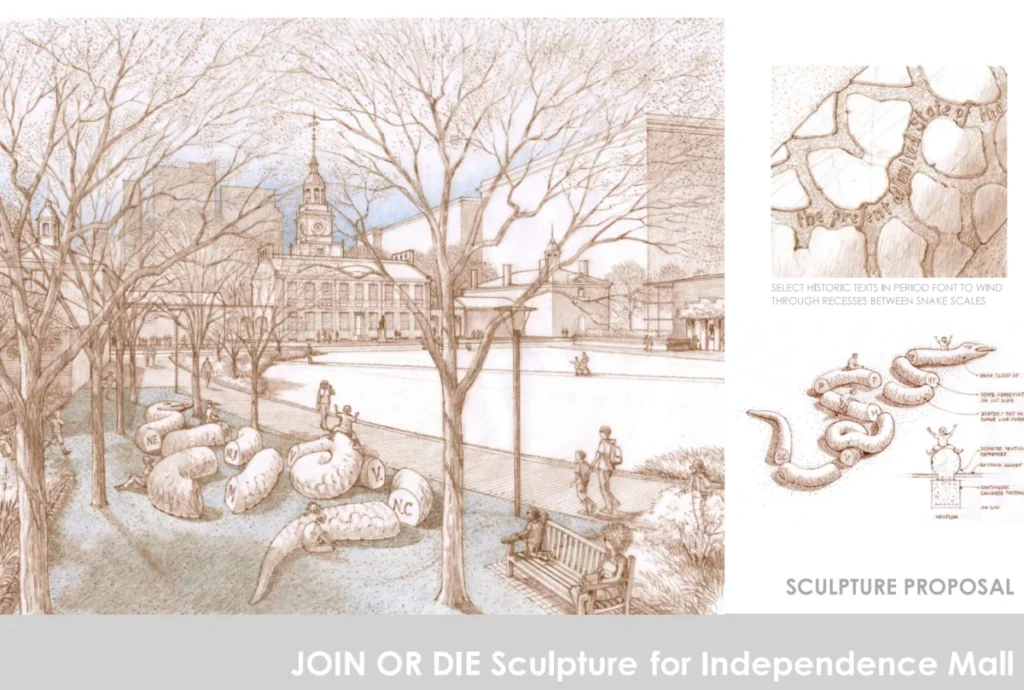
The journey to the final design was marked by several significant pivots. Originally, the America250 commission intended for the time capsule to be integrated into the "Join or Die" sculpture, a new monument scheduled for completion in late 2024. Inspired by Benjamin Franklin’s famous 1754 political cartoon, the sculpture features a segmented snake representing the original 13 colonies. The plan was to house the capsule within the granite base of this monument.
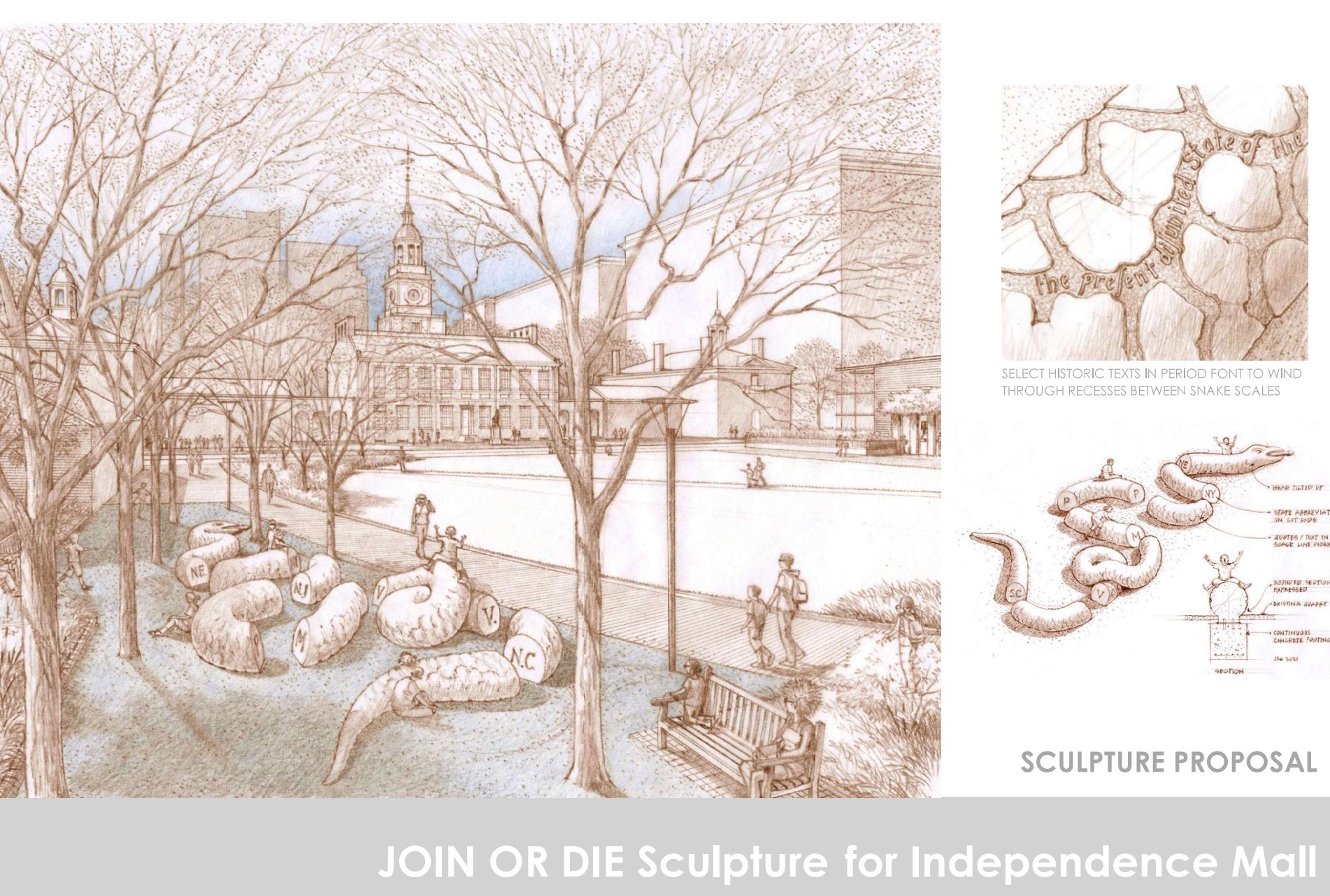
However, structural engineers and granite fabrication specialists eventually vetoed this plan. Carving a cavity large enough to accommodate a 2,000-pound capsule would have compromised the structural integrity of the granite, making the monument prone to cracking or collapse under its own weight. This realization forced the team to transition from an above-ground display to a subterranean burial.
Further design changes occurred regarding the shape of the vessel. Nanninga initially experimented with symbolic shapes, including a five-pointed star. While aesthetically striking, the star design presented immense manufacturing challenges. The sharp angles and complex weld points of a star-shaped container are inherent weak spots, significantly increasing the risk of structural failure or leakage over centuries of subterranean pressure. Consequently, the team opted for a cylindrical design. By utilizing a high-grade standard industrial pipe as the foundation, the team ensured maximum cost-effectiveness and structural durability. A cylinder distributes external pressure more evenly than a rectangular or star-shaped box, and the reduction in the number of necessary welds minimizes the potential for "stress corrosion cracking."
Advanced Material Science: Cold Welding and Indium
One of the most innovative aspects of the capsule’s construction is how it will be sealed. While traditional heat-based welding is the standard for industrial pipes, it poses a threat to sensitive artifacts. The heat generated during the welding process can reach temperatures that might scorch paper, melt delicate items, or release harmful fumes from the materials inside. Furthermore, weld spatter—tiny droplets of molten metal—could potentially damage the contents.
To avoid these risks, Nanninga and the NIST team chose a "cold welding" technique using Indium wire. Indium is a soft, malleable metal that has the unique property of being able to self-weld at room temperature under sufficient pressure. The capsule’s lid and body are designed with a precision-engineered groove. An Indium wire is placed in this groove, and as the lid is mechanically compressed onto the body, the wire is crushed, filling every microscopic void and fusing the two metal surfaces into a hermetic seal. This creates a permanent, airtight bond without ever exposing the artifacts to high temperatures.
The interior environment of the capsule will also be carefully controlled. Drawing on expertise from the Library of Congress, the team has prohibited the inclusion of any materials that could undergo "off-gassing." Many modern plastics, for example, release volatile organic compounds (VOCs) as they degrade. In a sealed environment, these gases could build up and chemically attack paper documents or metal coins. As a result, the capsule will be largely free of plastics and electronic components, which contain batteries and circuit boards prone to leakage and corrosion.
Curating the American Narrative: Artifacts and Restrictions
The contents of the time capsule are intended to provide a comprehensive "snapshot" of the United States in the mid-2020s. The America250 commission has coordinated with all 50 states, six U.S. territories, and the three branches of the federal government to select representative items.
The diversity of the collection is reflected in the early submissions. Utah, for instance, has contributed a collection of state coins, pins, and physical fragments from historical buildings. Other states are expected to provide items that reflect their unique cultural, industrial, and natural heritage. To ensure the longevity of these items, the interior of the capsule is divided into compartments. Paper-based artifacts, which are the most susceptible to environmental degradation, will be sealed in a central compartment, while non-paper objects will be arranged in peripheral containers.
This compartmentalization serves two purposes: it provides an extra layer of protection for the most fragile documents and prevents different types of materials from interacting with one another over the centuries. The final list of artifacts is set to be unveiled in June 2026, just weeks before the official burial ceremony.
Project Timeline and Institutional Collaboration
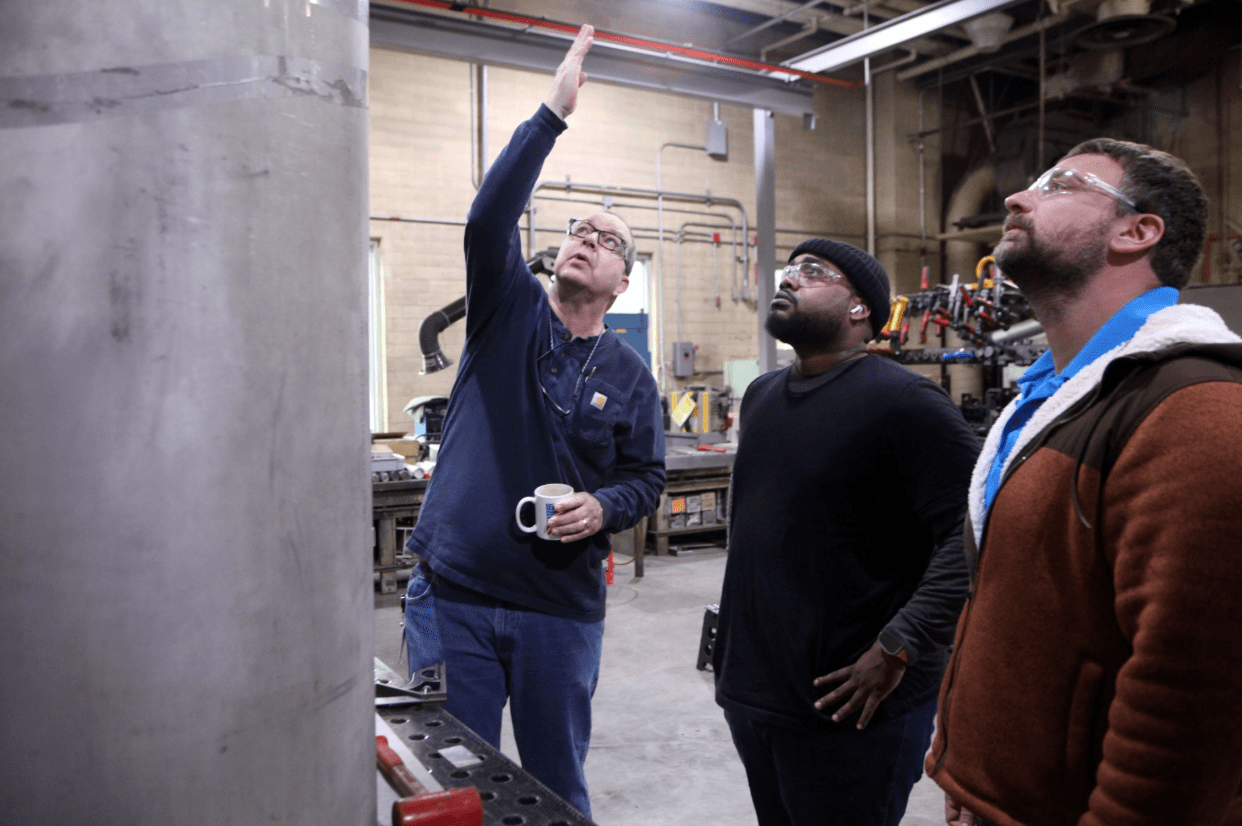
The development of the time capsule has been a multi-year endeavor, characterized by what Michael Berilla, head of NIST’s Fabrication Technology Office, describes as "true resilience in engineering."
- 2023: Initial conceptualization and testing of the "Join or Die" monument integration.
- Late 2023 – Early 2024: Structural failure analysis leads to the decision to move the capsule underground.
- 2024 – 2025: Prototyping of the bell jar system and Indium cold-welding tests.
- Fall 2024: Completion of the "Join or Die" sculpture (without the capsule).
- Mid-2026: Final assembly and sealing of the capsule at NIST headquarters in Gaithersburg, Maryland.
- July 4, 2026: Official burial at Independence National Historical Park.
- July 4, 2276: Scheduled retrieval and opening during the U.S. Quincentennial (500th anniversary).
The collaboration between NIST, the Library of Congress, and the National Park Service highlights the interdisciplinary nature of modern preservation. While NIST provides the mechanical and material engineering, the Library of Congress ensures that the items selected are chemically stable, and the National Park Service manages the long-term land use and security of the burial site.
Broader Implications: Why We Communicate with the Future
The America250 time capsule project is more than just an engineering exercise; it is a profound act of historical communication. In an era where digital data is increasingly ephemeral—subject to format obsolescence, bit rot, and the fragility of cloud storage—the choice to use physical, analog preservation methods is a deliberate one. By relying on stainless steel, Indium, and the laws of physics rather than software and electricity, the team is ensuring that the message of 2026 remains accessible to a future that may look vastly different from our own.
The project also serves as a testament to institutional memory. By tasking NIST with this project, the government is leveraging decades of expertise in metrology and material science. As Michael Berilla noted, the project serves as an inspiration for future generations of engineers, demonstrating that with enough adaptation and technical rigor, it is possible to build something that truly lasts.
When the capsule is unearthed in 2276, the Americans of the 500th anniversary will find a tangible connection to their ancestors. They will see the letters, coins, and artifacts of a nation that, in its 250th year, took the time to pause, reflect, and engineer a legacy that could survive the test of time. For the engineers at NIST, the success of their work will not be measured today, but in the silence of a dry, perfectly preserved chamber 250 years from now.