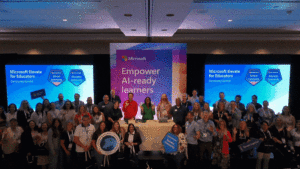


Microsoft Corporation has unveiled a comprehensive suite of initiatives designed to bolster the United States’ standing in the global artificial intelligence landscape, aligning with the White House’s AI Education Task Force. Announced during a high-level meeting at the White House on September 4, 2025, these commitments represent a significant expansion of the tech giant’s efforts to integrate AI tools and training into the American educational fabric. Microsoft Chairman and CEO Satya Nadella, alongside Vice Chair and President Brad Smith and LinkedIn CEO Ryan Roslansky, outlined a strategic framework intended to support the Presidential AI Challenge and the AI Education Executive Order. This multi-faceted approach focuses on three primary objectives: empowering educators and students with advanced AI tools, building technical skills through experiential learning, and fostering economic opportunity by linking certifications directly to the labor market.
The announcement comes at a critical juncture as the federal government seeks to harmonize technological innovation with workforce readiness. By partnering with the White House AI Education Task Force—an entity supported by the First Lady—Microsoft aims to catalyze a national strategy that ensures AI benefits are diffused across all demographics. The initiative recognizes that the rapid pace of AI development requires an equally rapid evolution in how individuals learn and demonstrate competency. Consequently, the focus is not merely on the theoretical understanding of AI, but on the practical application of these tools in classrooms and professional environments.
A Strategic Alignment with Federal AI Objectives
The Presidential AI Challenge and the subsequent AI Education Executive Order have established a roadmap for the United States to maintain its competitive edge while ensuring ethical and equitable access to emerging technologies. Microsoft’s commitment serves as a private-sector response to these public-sector mandates. The company’s strategy is built upon the premise that the "diffusion" of technology—the breadth of its adoption and the depth of its utility—is the true measure of its success.
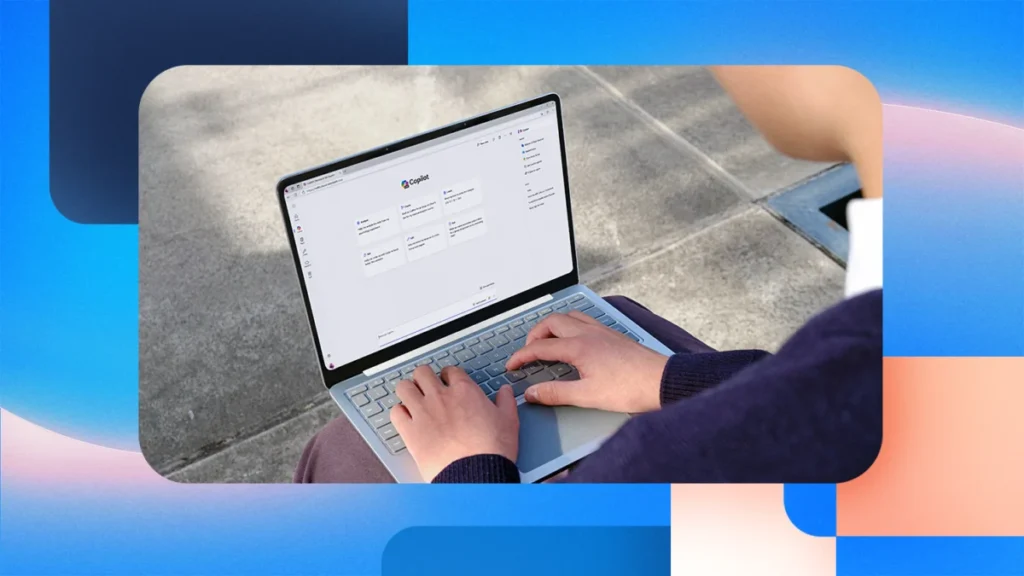
By aligning with the White House, Microsoft is positioning itself as a central pillar in the national AI infrastructure. This partnership is designed to bridge the gap between the rapid advancements in generative AI and the existing pedagogical frameworks within the U.S. school system. The commitment involves the deployment of Microsoft Copilot and other AI-driven resources specifically tailored for educational settings, ensuring that both students and teachers can interact with these technologies in a secure and productive manner.
Empowering the Next Generation of Educators and Learners
At the heart of the Microsoft announcement is the empowerment of the academic community. The company has pledged to provide educators with the latest AI tools to streamline administrative tasks, personalize student learning, and enhance curriculum development. In the current educational landscape, teachers often face the challenge of managing diverse learning needs with limited resources. AI-driven assistants are envisioned as a solution to this problem, allowing teachers to focus more on mentorship and less on routine grading or lesson planning.
For students, the initiatives focus on fostering AI literacy from an early age. This includes access to specialized software that encourages critical thinking about how AI models work, their limitations, and their potential for creative problem-solving. By integrating AI into the standard curriculum, Microsoft and the White House aim to move beyond "coding" as the primary digital skill, shifting the focus toward "prompt engineering," data analysis, and the ethical oversight of automated systems.
Bridging the AI Skills Gap Through Hands-on Training
The second pillar of Microsoft’s commitment addresses the speed of technological change. During the White House meeting, Satya Nadella emphasized that the only way to keep pace with AI is through "learning by doing." This philosophy underpins a new series of skilling programs designed to provide hands-on experience with AI platforms. Microsoft intends to expand its existing digital literacy programs to include advanced AI certifications that are recognized by both academic institutions and industry leaders.
These programs are not limited to traditional four-year degree paths. Recognizing that the modern workforce requires flexible learning options, Microsoft is targeting community colleges, vocational schools, and adult education centers. The goal is to create a standardized "AI credential" that serves as a verifiable signal of competency. This approach addresses a significant pain point for employers: the difficulty of assessing the actual AI proficiency of job applicants in a rapidly evolving market.
Connecting Literacy to the Labor Market: The Role of LinkedIn
The involvement of LinkedIn CEO Ryan Roslansky highlights the economic dimensions of Microsoft’s strategy. As the world’s largest professional network, LinkedIn provides the data and the platform necessary to connect newly acquired AI skills with tangible job opportunities. The "skills-first" hiring movement is a central component of this effort. Under the new commitments, LinkedIn will enhance its platform to better showcase AI-related credentials, allowing job seekers to signal their readiness to prospective employers.

Economic data suggests that AI could automate up to 30% of hours currently worked across the U.S. economy by 2030. However, this shift is expected to create a simultaneous demand for new roles that require high levels of AI fluency. Microsoft’s initiatives are designed to ensure that the American workforce is not displaced by AI, but rather augmented by it. By facilitating a direct pipeline from AI education to the job market, the company aims to drive upward mobility and ensure that the economic gains of the AI era are broadly shared.
A Chronology of AI Policy and Implementation
The September 2025 announcement is the culmination of several years of accelerating policy and technological development. To understand the significance of these commitments, it is essential to trace the timeline of AI governance in the United States:
- October 2023: The White House issues the landmark Executive Order on the Safe, Secure, and Trustworthy Development and Use of Artificial Intelligence. This order sets the stage for agency-wide AI adoption and establishes the need for national education standards.
- Early 2024: Major tech firms, including Microsoft, pledge voluntary commitments to the White House regarding the safety and security of AI models, including the use of watermarking and red-teaming.
- Late 2024: The AI Education Task Force is officially convened, chaired by leaders from the Department of Education and the Office of Science and Technology Policy (OSTP), with significant input from the Office of the First Lady.
- Early 2025: The "Presidential AI Challenge" is launched, calling on private companies to provide the tools and training necessary to reach 10 million Americans with AI literacy programs.
- September 4, 2025: Microsoft announces its comprehensive support package, marking one of the largest private-sector contributions to the national AI education effort to date.
Statistical Realities of the AI-Driven Economy
The urgency of Microsoft’s commitment is underscored by recent labor market statistics and educational data. According to Microsoft’s own 2024 Work Trend Index, 75% of knowledge workers globally are already using AI at work. However, many report a lack of formal training, leading to "BYOAI" (Bring Your Own AI) trends that can pose security risks to organizations.
Furthermore, a study by the World Economic Forum suggests that while 85 million jobs may be displaced by a shift in the division of labor between humans and machines, 97 million new roles may emerge that are more adapted to the new division of labor. In the United States, the demand for "AI-adjacent" skills has increased by over 300% in the last two years. Microsoft’s focus on skilling and certification is a direct response to this data, aiming to fill the "skills gap" that currently exists between available jobs and qualified candidates.
Industry and Governmental Reactions
The announcement has garnered significant attention from various stakeholders. Education advocates have largely praised the move, noting that the integration of AI tools could help address the "digital divide" in underserved school districts. By providing these resources at scale, Microsoft helps ensure that students in lower-income areas have the same access to cutting-edge technology as those in affluent districts.
Government officials have echoed these sentiments. Statements from the AI Education Task Force indicate that Microsoft’s commitment is viewed as a "force multiplier" for federal efforts. "The scale of the AI transition requires a level of coordination between the public and private sectors that we have rarely seen outside of wartime," noted one senior administration official. "Microsoft’s willingness to align its commercial tools with our national educational goals is a vital step toward a more resilient economy."
However, some industry analysts have raised questions regarding data privacy and the long-term influence of a single corporation on national curriculum standards. To address these concerns, Microsoft’s announcement included specific references to binary code and circuit board elements in its promotional materials, symbolizing a commitment to "security-by-design" and data protection. The company has emphasized that its educational AI tools will adhere to the highest standards of student privacy and data sovereignty.
Long-term Implications for American Competitiveness
As the United States competes with other global powers for AI supremacy, the quality of its human capital will be the deciding factor. Microsoft’s commitment to the Presidential AI Challenge is more than a corporate social responsibility initiative; it is a strategic investment in the nation’s technological infrastructure. By training millions of students and workers, Microsoft is helping to create a "virtuous cycle" of innovation where a skilled workforce drives further technological breakthroughs, which in turn creates more economic opportunity.
The success of these initiatives will be measured by the degree to which AI becomes a tool for empowerment rather than a source of disruption. With the White House and Microsoft working in tandem, the foundation is being laid for a future where every American has the opportunity to thrive in an AI-augmented world. The initiatives announced today represent a pivotal moment in that journey, signaling a shift from AI as a niche technological marvel to AI as a fundamental pillar of American education and economic life.