



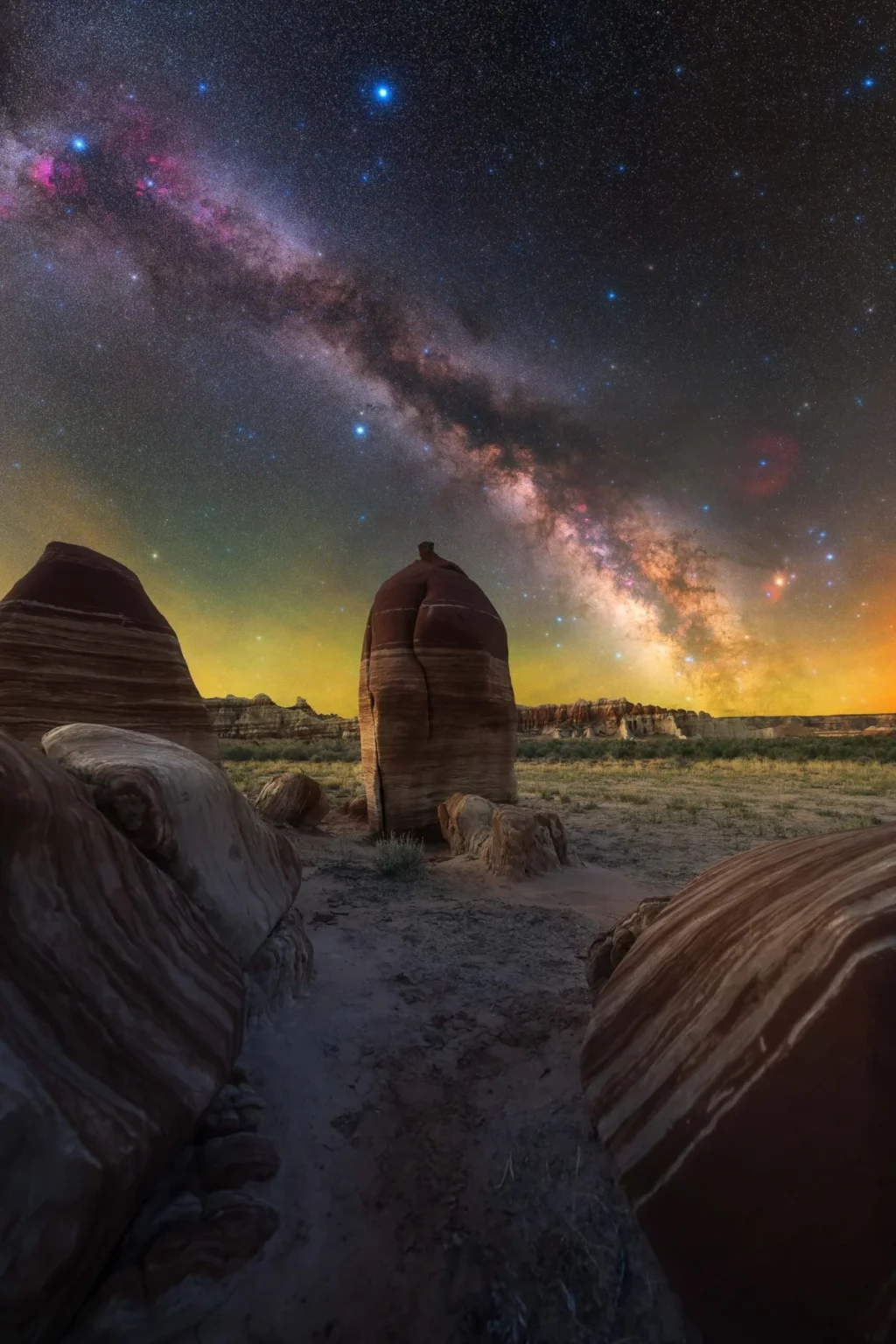
The vast expanse of the Milky Way galaxy, containing an estimated 100 billion to 400 billion stars, remains one of the most profound spectacles available to human observation. While the naked eye under ideal conditions can perceive approximately 6,000 individual stars, modern astrophotography has bridged the gap between human biological limitations and the true complexity of the cosmos. The 2026 Milky Way Photographer of the Year collection, curated by the specialized travel and photography publication Capture the Atlas, has unveiled its annual selection of the 25 most compelling images of our galaxy. This year’s competition marked a significant milestone in the project’s history, receiving over 6,500 submissions from professional and amateur photographers across the globe, the highest volume since the award’s inception.
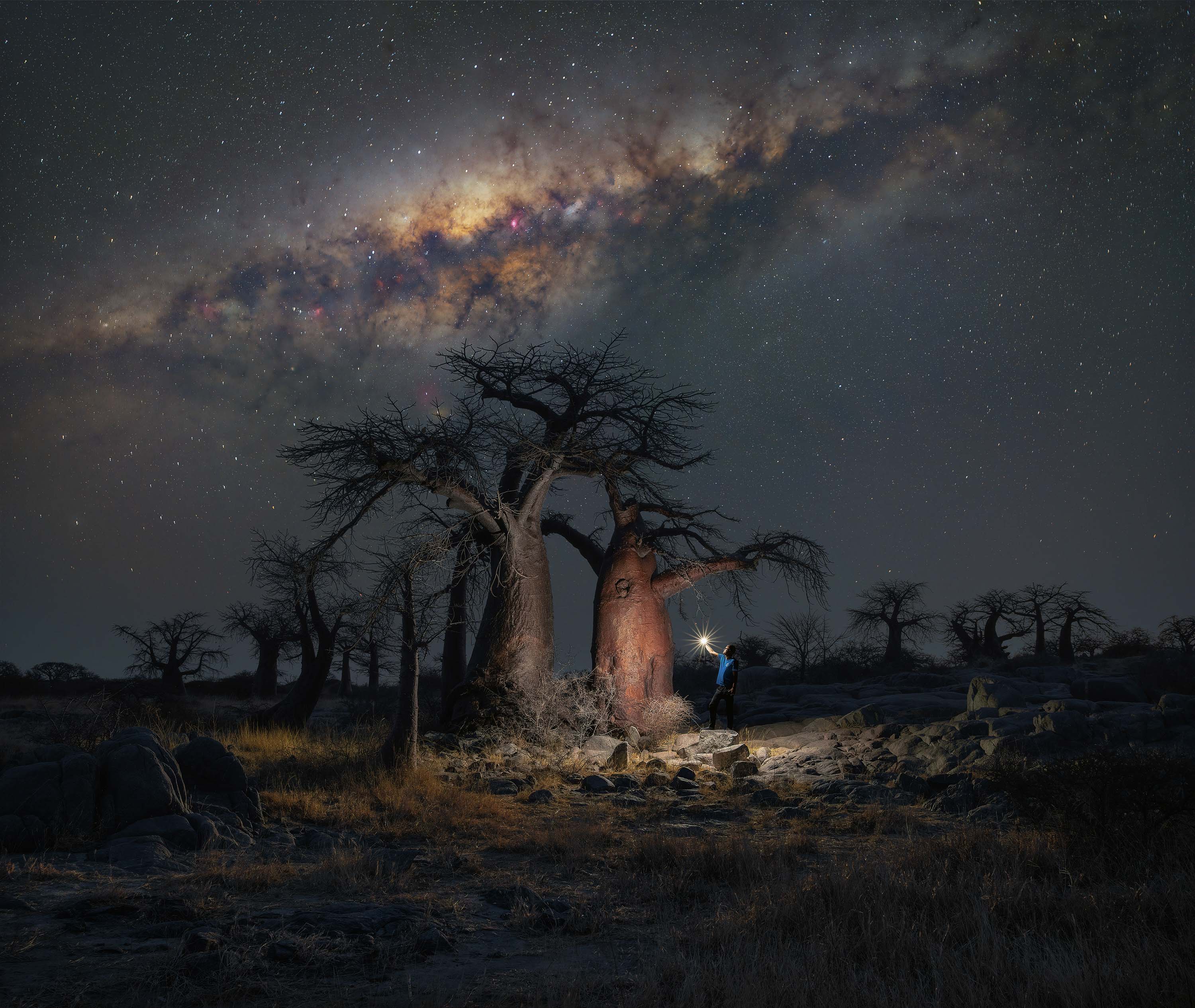
The selection highlights not only the technical prowess required to document the night sky but also the extreme lengths to which photographers must go to find "dark sky" locations—areas untouched by the pervasive glow of artificial light pollution. From the high-altitude deserts of the Chilean Atacama to the remote salt pans of Botswana and the rugged peaks of the New Zealand Alps, the 2026 collection serves as both a scientific document of atmospheric phenomena and a plea for the preservation of the world’s remaining dark corridors.
The Evolution of the Competition and Global Participation
The Milky Way Photographer of the Year is an annual program designed to inspire a deeper connection with the cosmos while highlighting the importance of dark sky conservation. Dan Zafra, the editor of Capture the Atlas, noted that the 2026 edition reflects a growing global interest in astrophotography, driven by advancements in camera sensor technology and a collective desire to reconnect with the natural world.
"Every year, this collection reminds us that photographing the Milky Way is not only about technique or planning," Zafra stated during the unveiling of the collection. "It is about curiosity, patience, and the desire to experience the night sky in places where it still feels wild. Many of these skies are becoming increasingly rare, and we hope these images inspire people not only to admire them, but also to value and protect them."
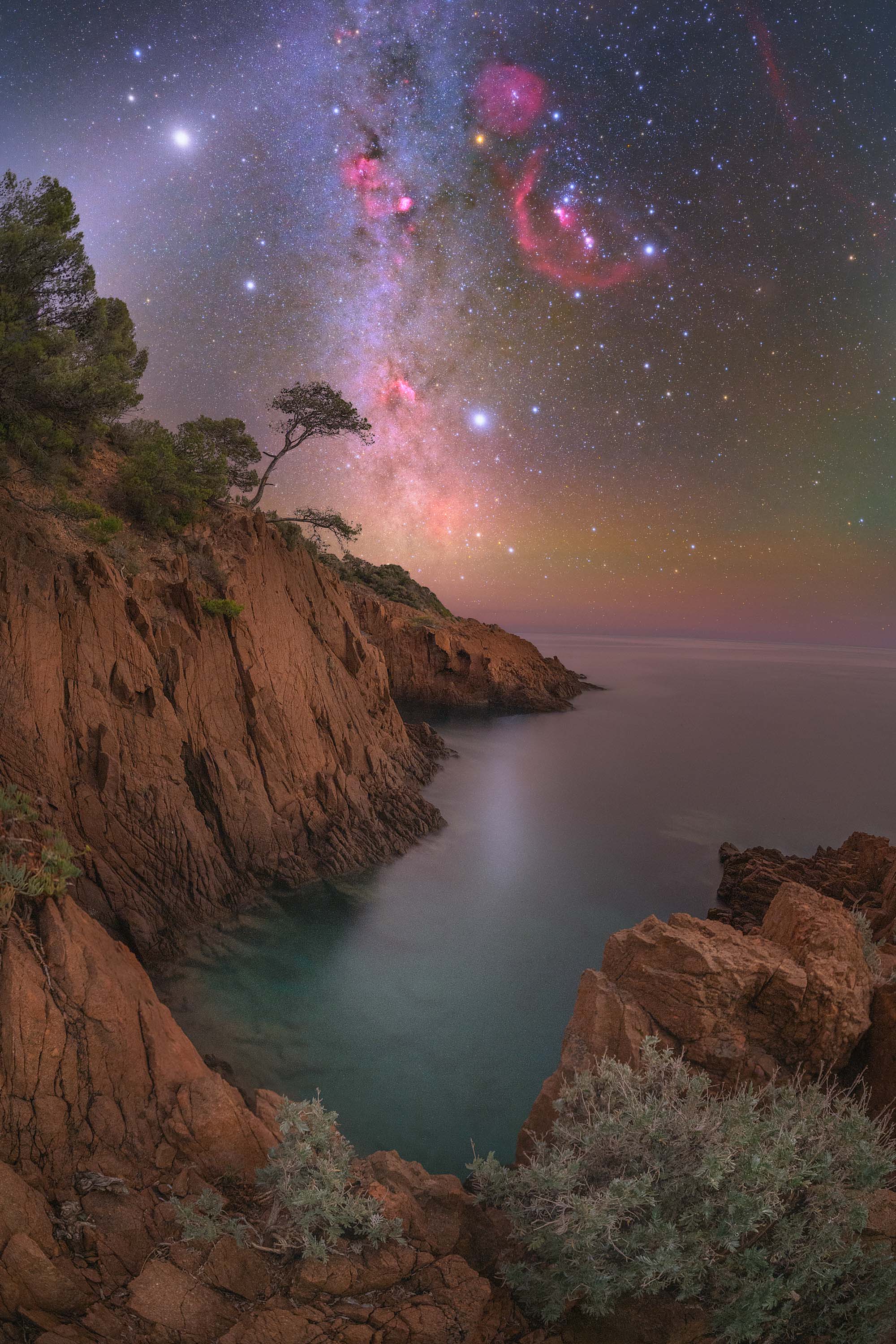
The record-breaking 6,500 submissions were evaluated based on image quality, the difficulty of the location, and the narrative behind the capture. The final 25 images represent a diverse geographical spread, including the United States, Chile, Argentina, France, Spain, Australia, New Zealand, Poland, and Botswana.
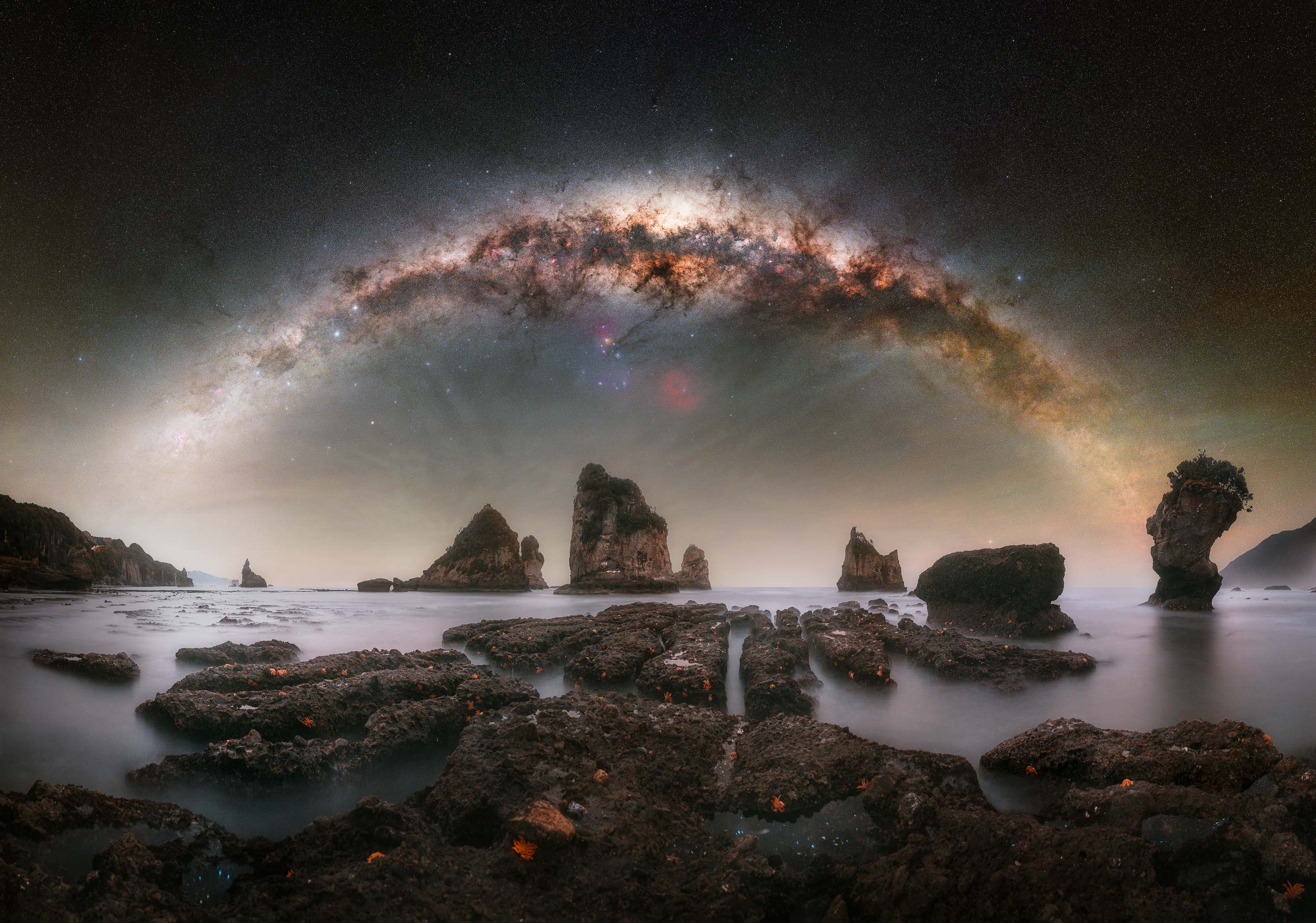
Technological Frontiers: The Intersection of Art and Astronomy
A standout feature of the 2026 collection is the "Sodium Milky Way," captured by Julien Looten at the European Southern Observatory’s (ESO) Very Large Telescope (VLT) on Cerro Paranal, Chile. This image illustrates the sophisticated synergy between professional astronomy and high-end photography. Standing at 2,635 meters above sea level, the VLT operates in one of the driest and most stable atmospheric environments on Earth, boasting over 300 clear nights annually.
The image captures the UT4 (Yepun) telescope projecting four sodium laser beams into the sky. These beams excite sodium atoms in the mesosphere at an altitude of approximately 90 kilometers, creating "artificial guide stars." This technology is fundamental to adaptive optics, a system that allows astronomers to measure atmospheric turbulence in real-time and adjust the telescope’s mirrors to compensate for the "twinkling" effect of stars. The result is a level of clarity that rivals space-based observatories. Beyond the lasers, Looten’s image also documents "airglow"—a natural luminescence produced by chemical reactions in the upper atmosphere, visible here in ethereal green and reddish hues.
Chronicling the Journey: Challenges in the Field
The narratives provided by the 25 honored photographers reveal a consistent theme of physical endurance and meticulous planning. Astrophotography is rarely a matter of chance; it is a discipline of timing, often requiring weeks of scouting and hours of exposure in sub-zero temperatures.
Alpine and Desert Expeditions
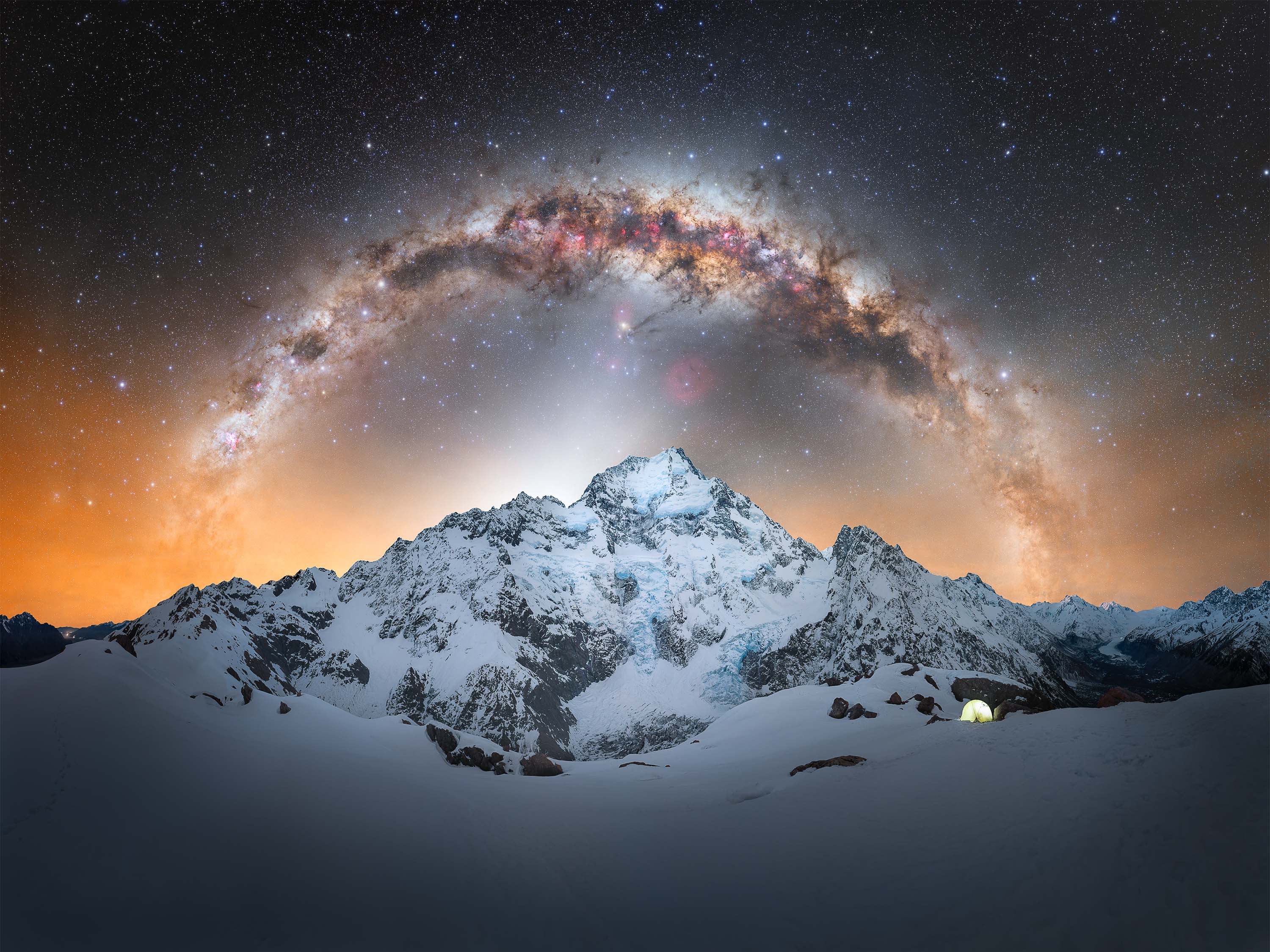
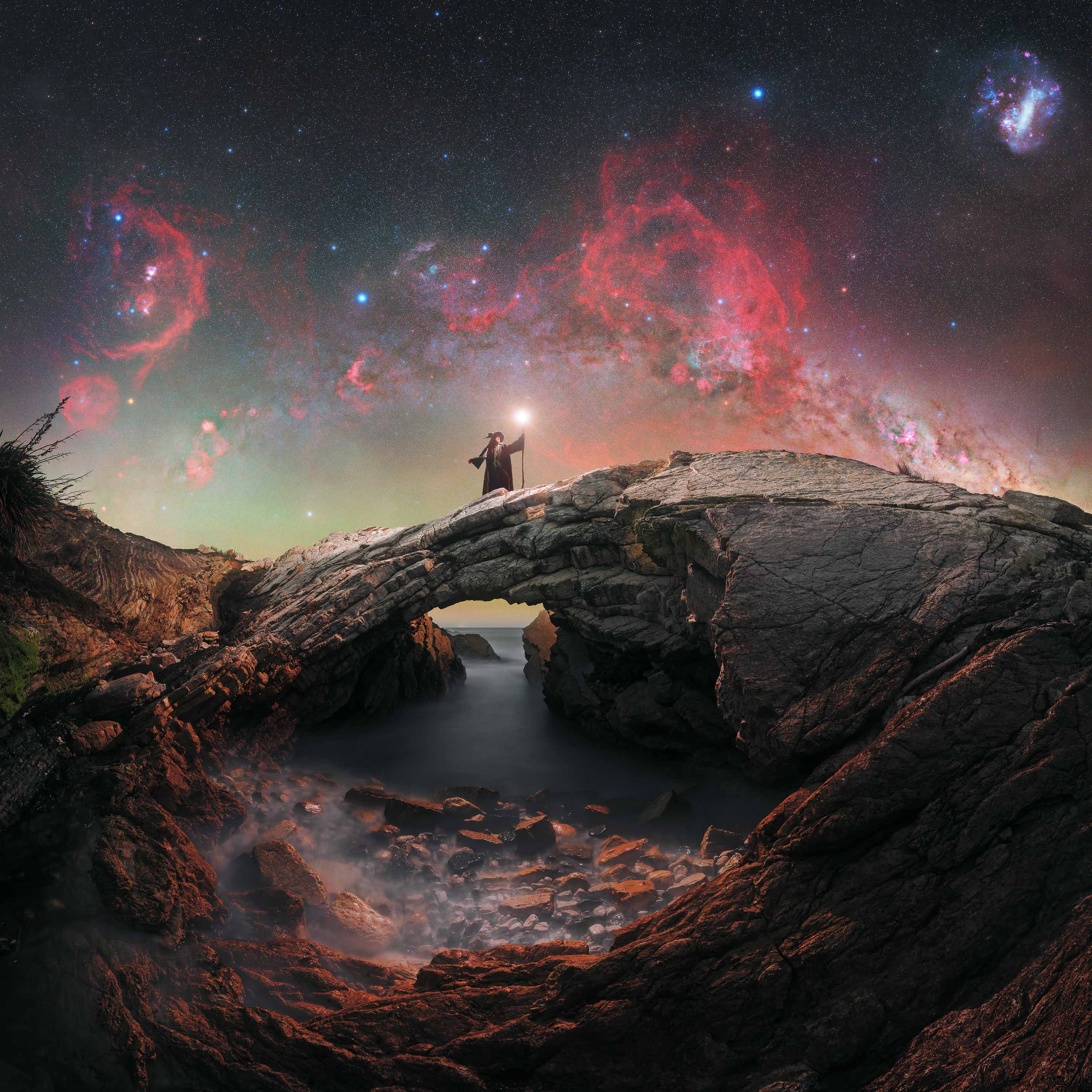
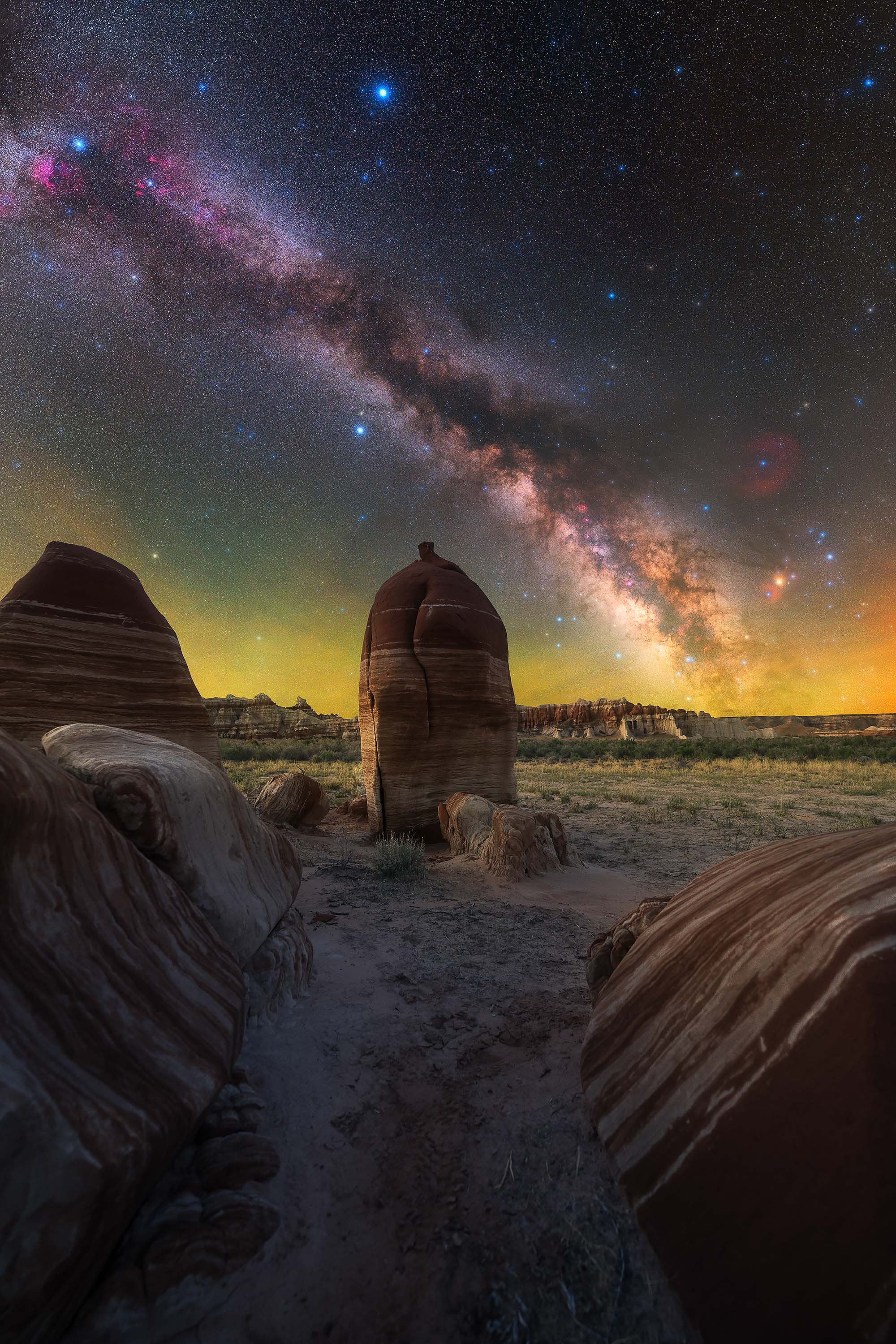
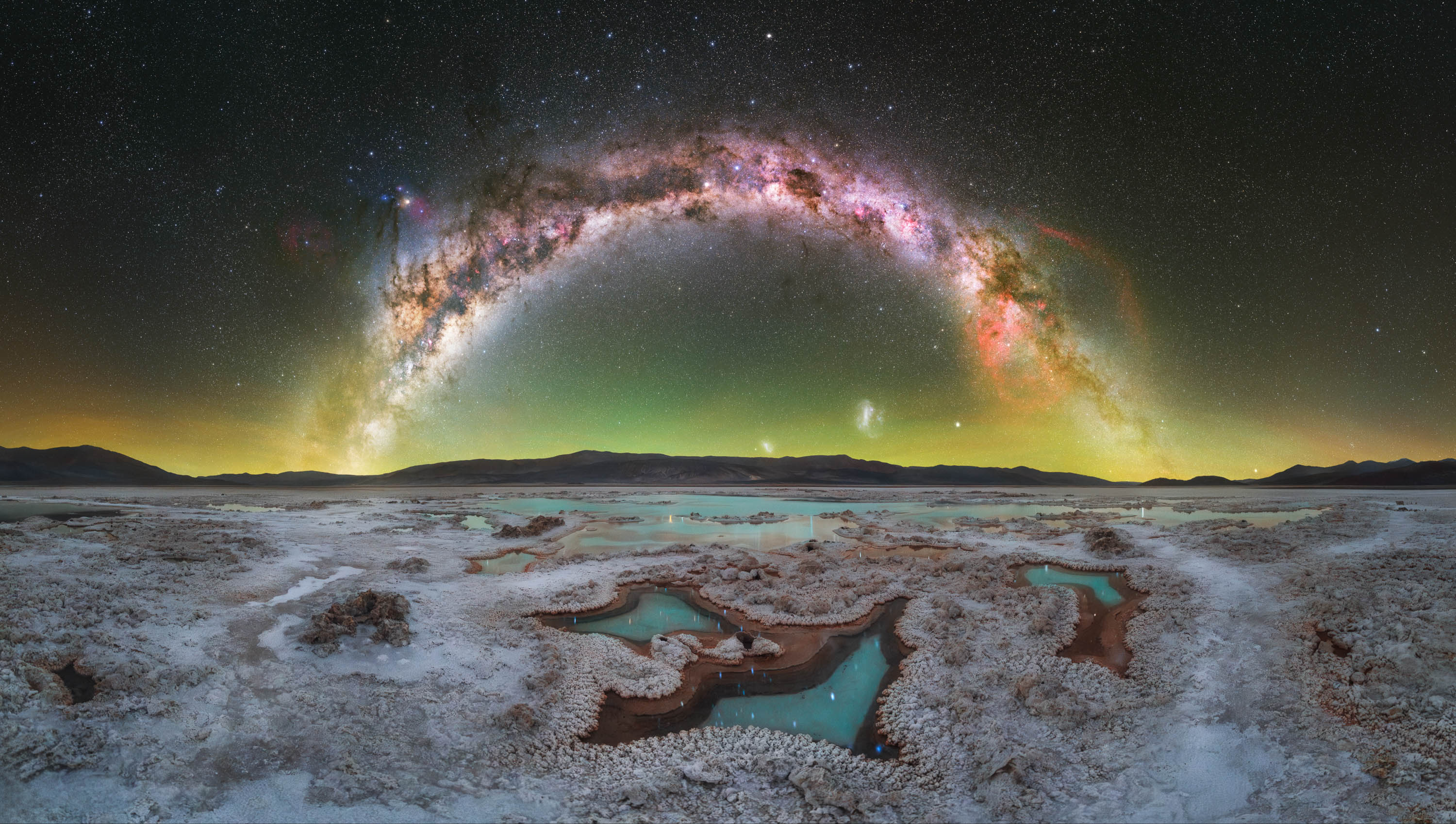
In New Zealand, photographer Owain Scullion navigated the steep, snow-covered slopes of Aoraki / Mount Cook National Park during the winter. His capture of the Milky Way arching over the country’s highest peak required mountaineering expertise to manage unstable snow and high-altitude camping. Similarly, in the Argentine Puna, Daniel Viñé Garcia traveled to the remote village of Antofalla—a settlement of only 60 people where electricity is deactivated at night—to document a salt flat that had rarely, if ever, been photographed under the Milky Way.
Historical and Cultural Preservation
The 2026 collection also emphasizes the intersection of the celestial and the terrestrial through historical context. Ignacio Pelaez’s "Standing on the shoulders of Giants" was the result of a two-day mule expedition into the Sierra La Giganta in Baja California Sur. The path followed a long-forgotten section of the Camino Real, a route used nearly 80 years ago by vaqueros. Pelaez’s work is part of a broader initiative to establish Dark Sky Sanctuaries in Mexico, leveraging astrotourism to protect cultural heritage and local ecology.
In Argentina, Gonzalo Santile captured the first full Milky Way arch over the "Cancha de Bochas" in the Valle de la Luna, a UNESCO World Heritage site. This location is scientifically unique as the only place on Earth where the complete sequence of the Triassic Period is visible. Santile’s work highlights the responsibility of photographers to operate within fragile geological environments without leaving a trace of their presence.
Scientific Phenomena Captured in 2026
The collection serves as a visual record of several rare or fleeting astronomical events.
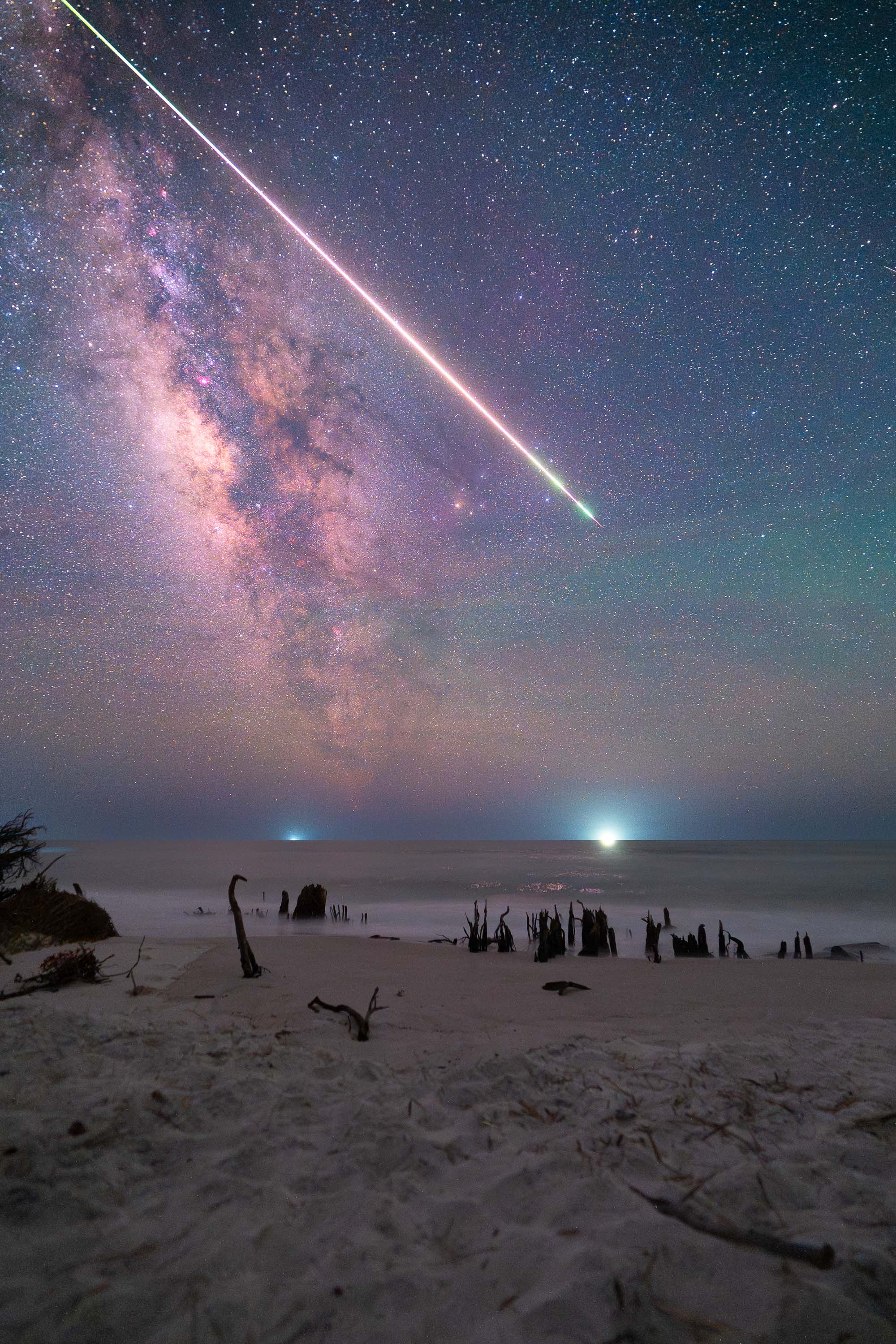
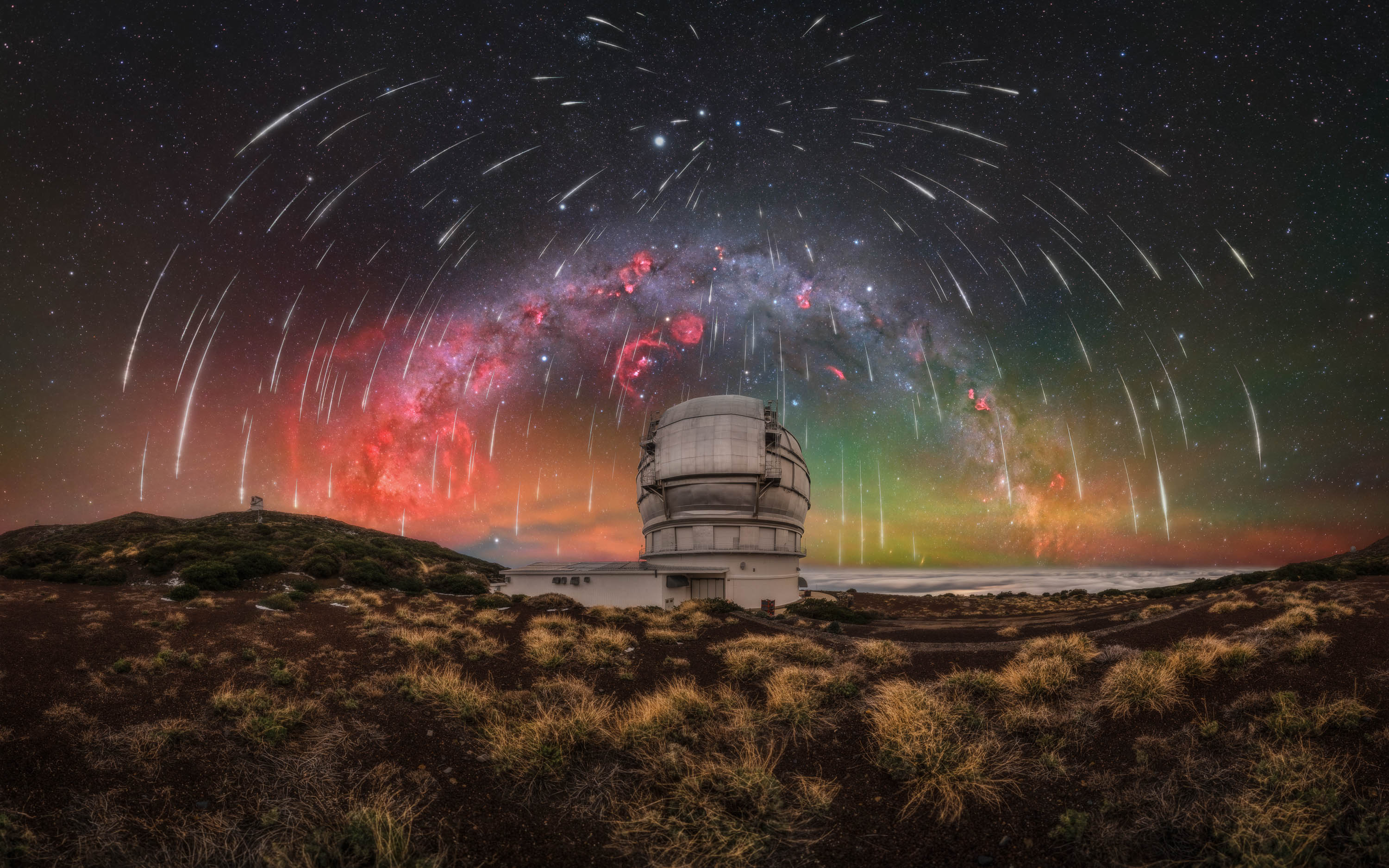
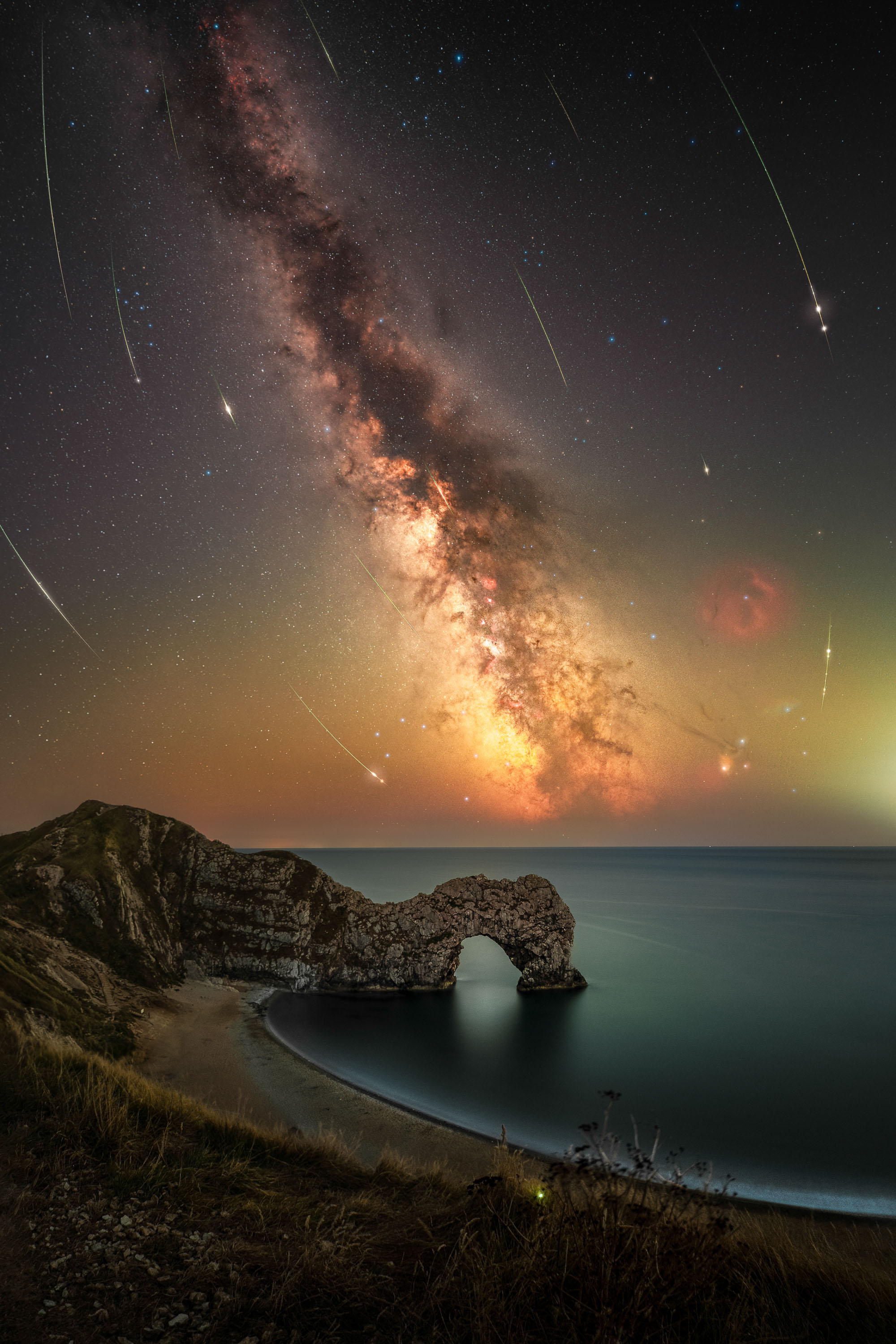
- Meteor Showers: Multiple images captured fireballs and meteors from the Perseid and Geminid showers. Jason Rice’s "Fireball in Paradise," taken in Florida, documented a massive meteor that illuminated the ground with a green glow and left a visible trail for nearly 15 minutes.
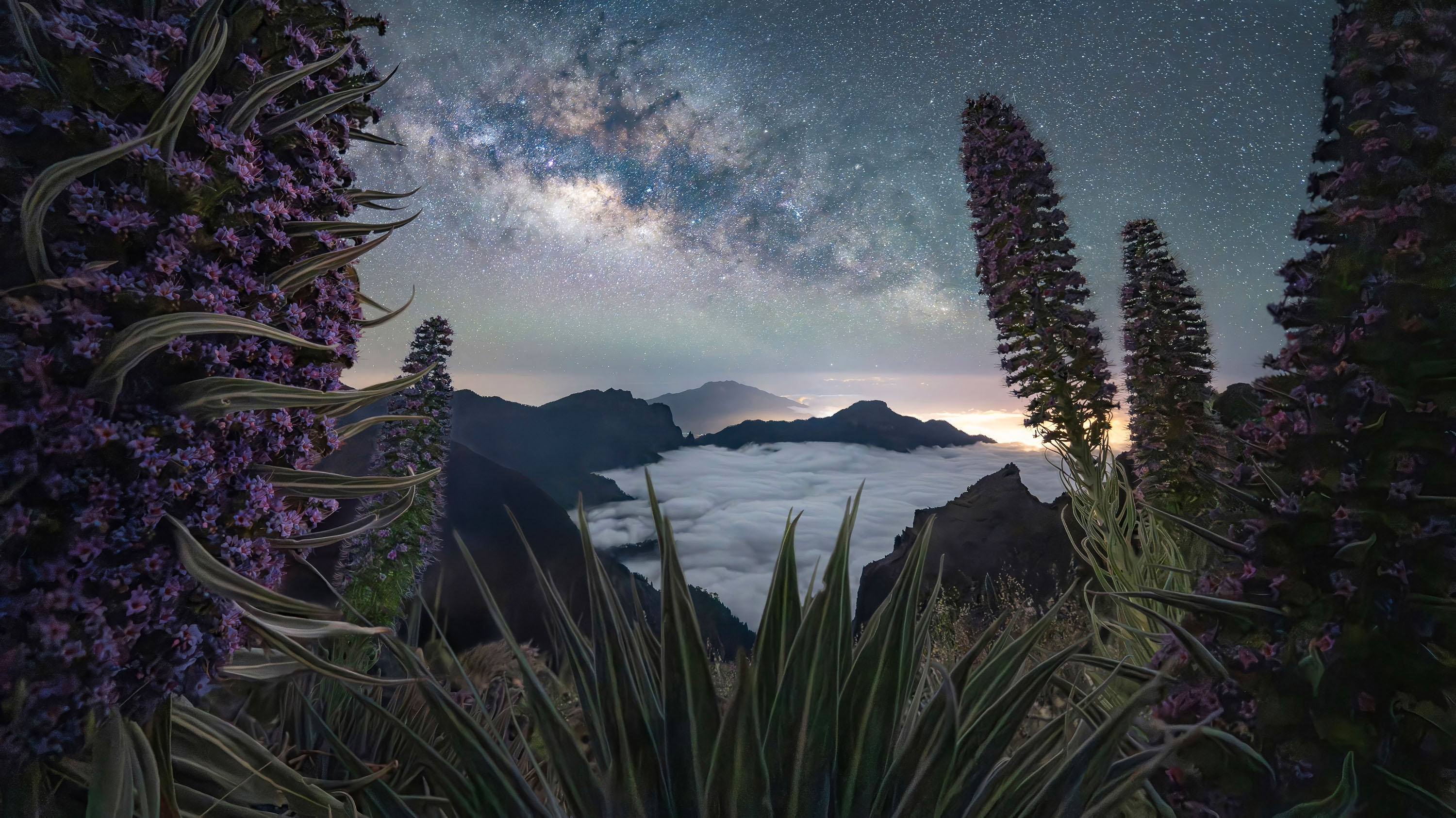
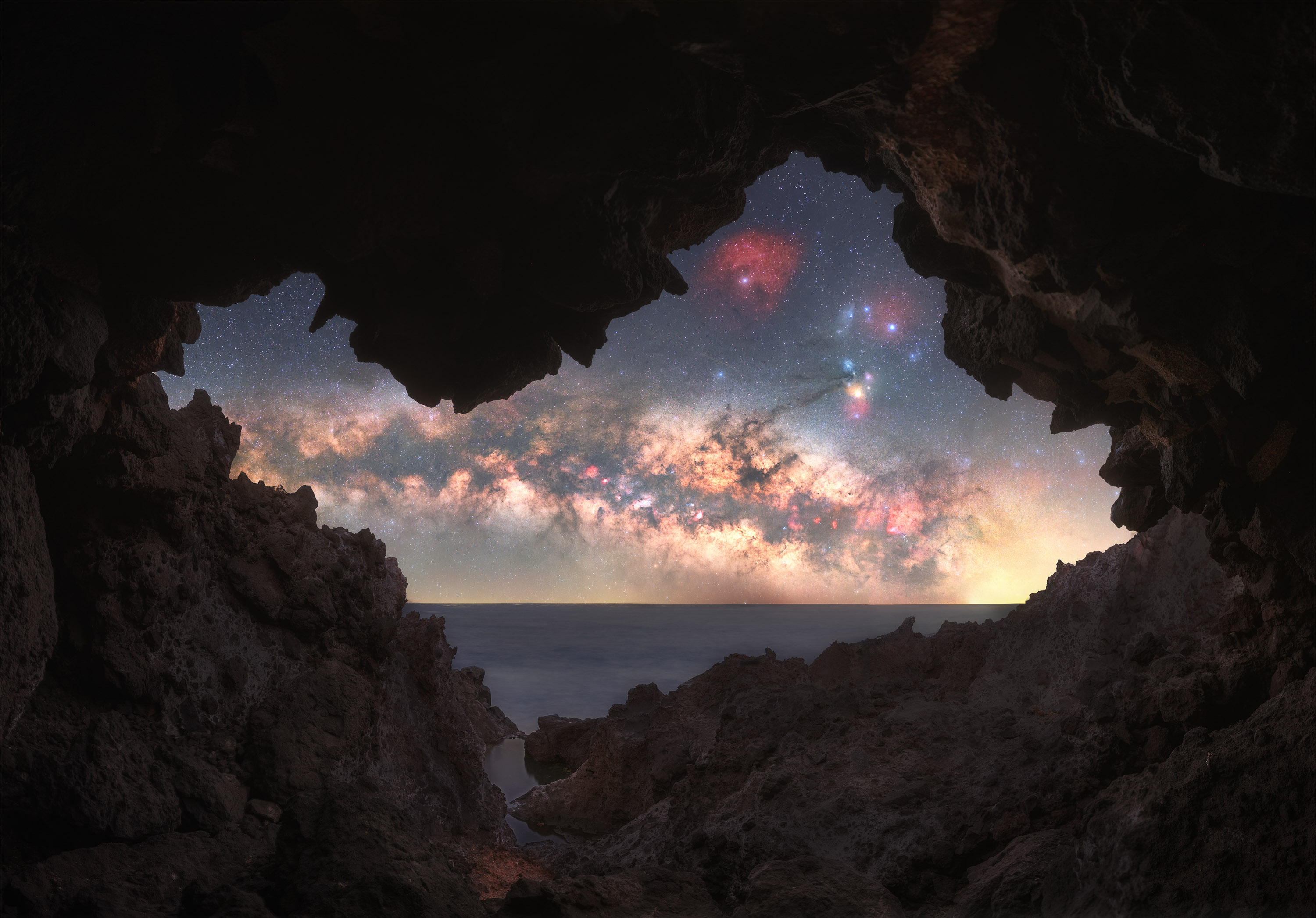
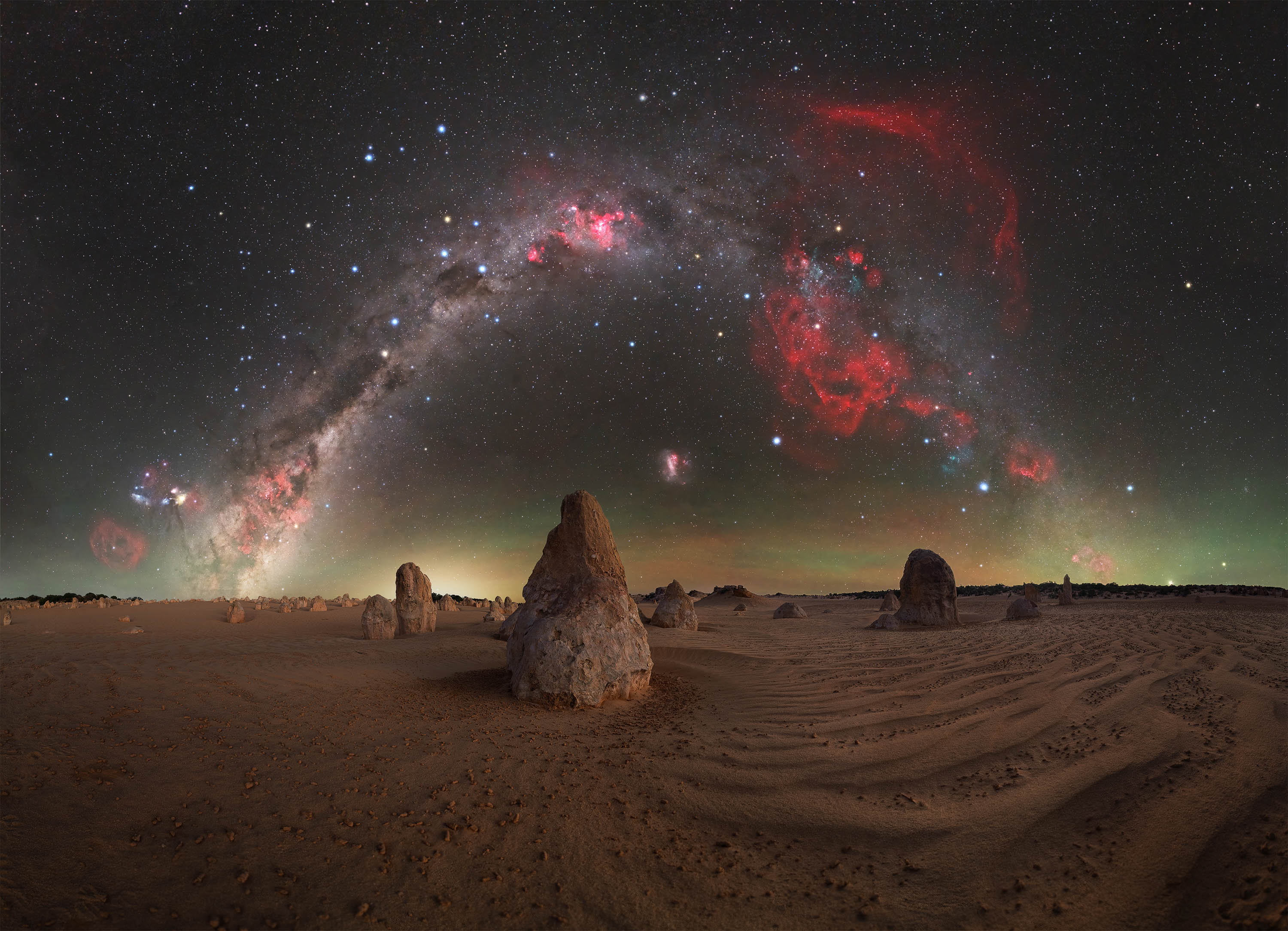
- The Gum Nebula: Several photographers, including Leonel Padrón in Western Australia and Uroš Fink in La Palma, successfully captured the faint red glow of the Gum Nebula. This vast supernova remnant is a difficult subject for standard cameras, requiring specialized filters and long, tracked exposures.
- Zodiacal Light: Images from high-altitude locations like Mt Cook clearly show the zodiacal light—a faint, triangular glow seen in the night sky and caused by sunlight scattered by interplanetary dust in the plane of the ecliptic.
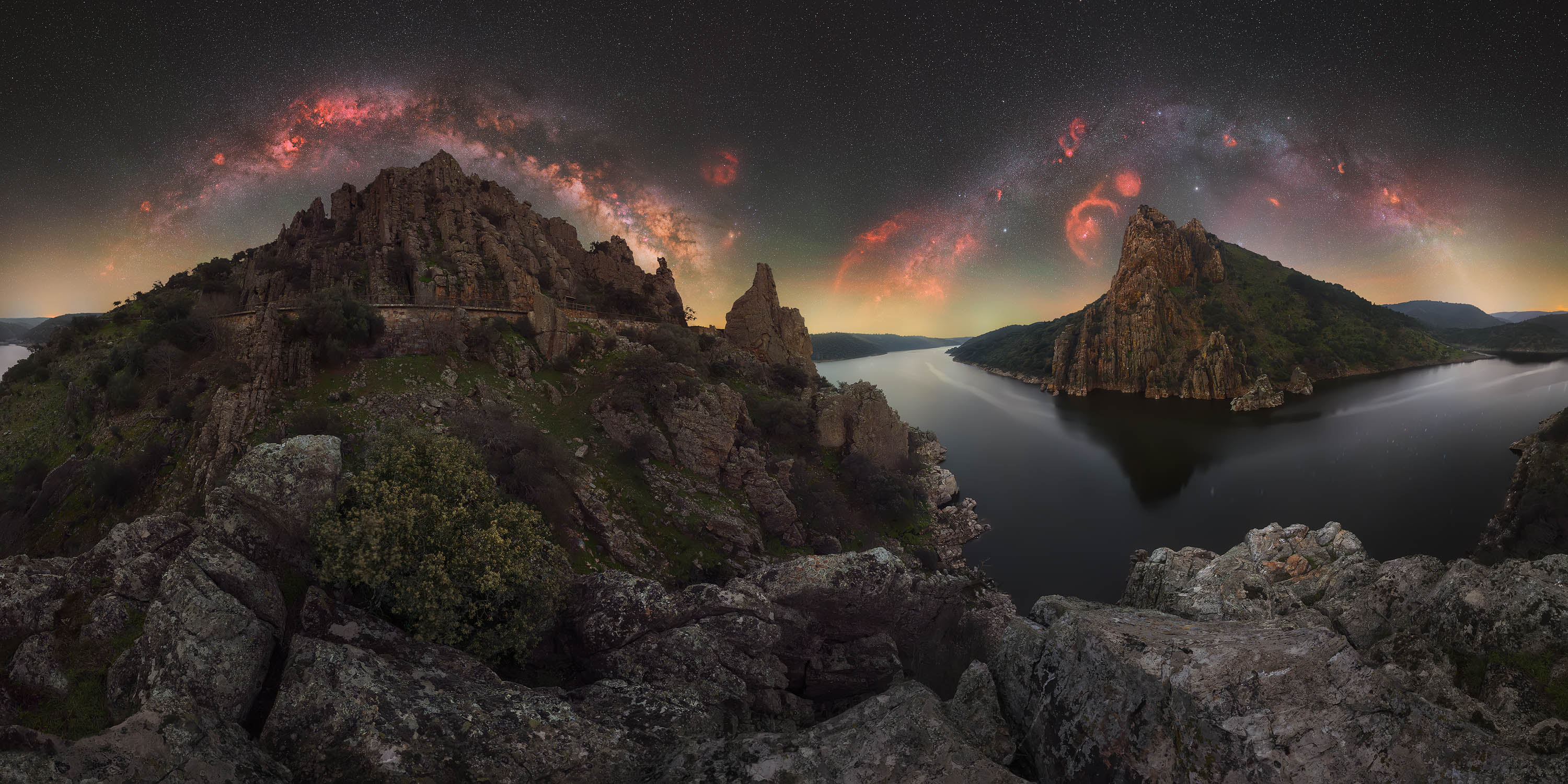
- The Double Milky Way: Luis Cajete’s composite image from Monfragüe National Park in Spain showcases a "Double Milky Way." This technical feat involves capturing the winter Milky Way after dusk and the summer Milky Way before dawn, merging several hours of Earth’s rotation into a single perspective that illustrates the galaxy’s transition.
The Growing Threat of Light Pollution
The 2026 awards come at a time when dark skies are increasingly recognized as a vanishing natural resource. According to the "New World Atlas of Artificial Night Sky Brightness," more than 80% of the world and more than 99% of the U.S. and European populations live under light-polluted skies. The Milky Way is now invisible to one-third of humanity, including 60% of Europeans and nearly 80% of North Americans.
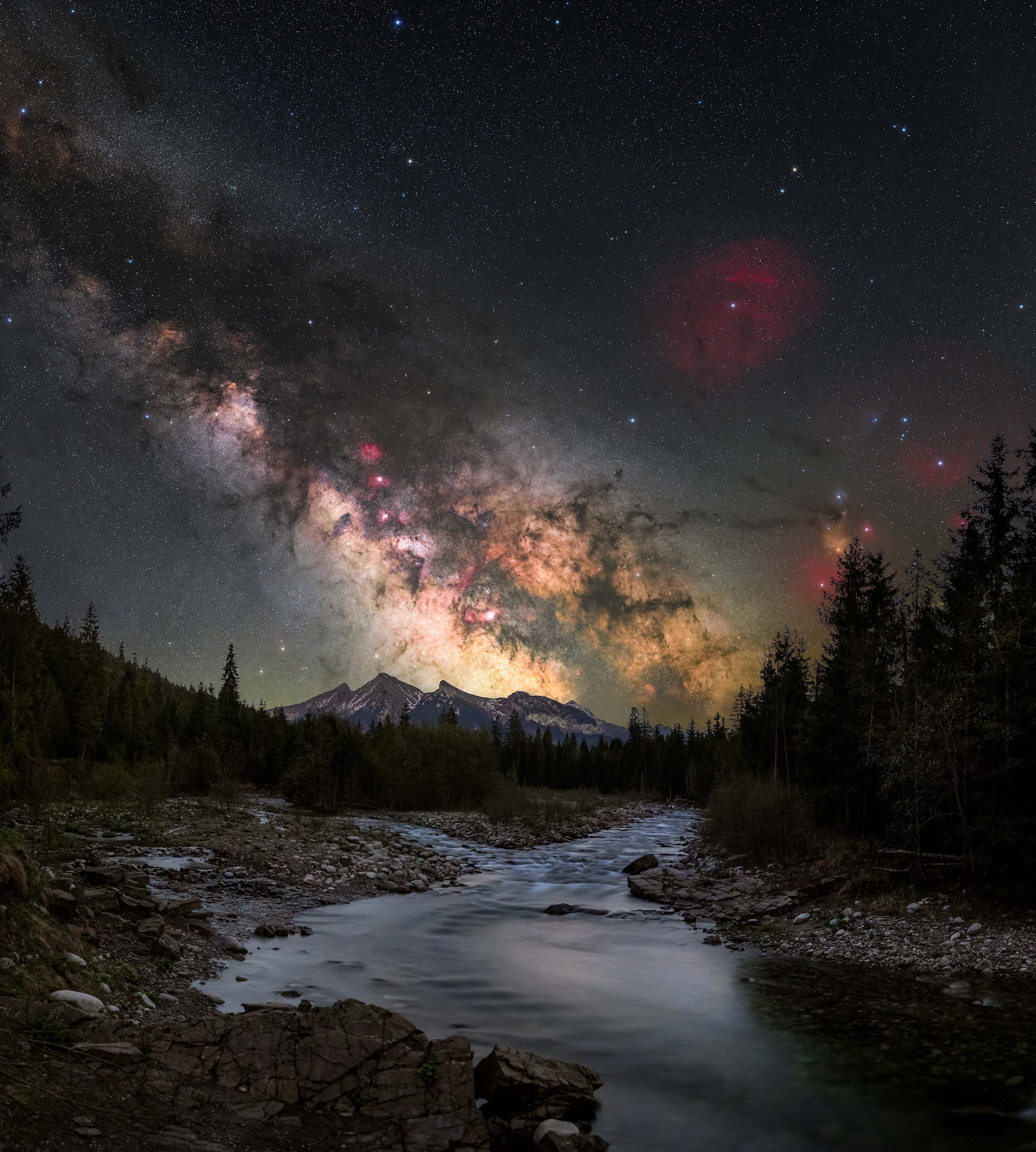
The images in the 2026 collection are not just artistic achievements; they are data points in the fight for dark sky conservation. Light pollution does more than obscure the stars; it disrupts the migratory patterns of birds, interferes with the circadian rhythms of various species, and impacts human health. Organizations like the International Dark-Sky Association (IDA) use such imagery to lobby for "Dark Sky Parks" and "Sanctuaries," arguing that the ability to view the galaxy is a fundamental piece of human heritage.
Broader Impact and Implications for Astrotourism
The success of the 2026 Milky Way Photographer of the Year highlights the burgeoning sector of "astrotourism." Locations featured in the collection, such as La Palma in the Canary Islands and the Atacama Desert in Chile, have seen a significant increase in visitors specifically seeking the night sky. This economic incentive provides a powerful argument for local governments to implement strict lighting ordinances.
Furthermore, the competition underscores the democratization of space observation. While professional observatories like the VLT provide critical scientific data, the collective work of thousands of astrophotographers provides a continuous, global monitoring of atmospheric conditions and celestial events. The 2026 collection demonstrates that with modern equipment and persistence, individuals can contribute to the visual mapping of our galaxy with a level of detail that was impossible for professional astronomers just a few decades ago.
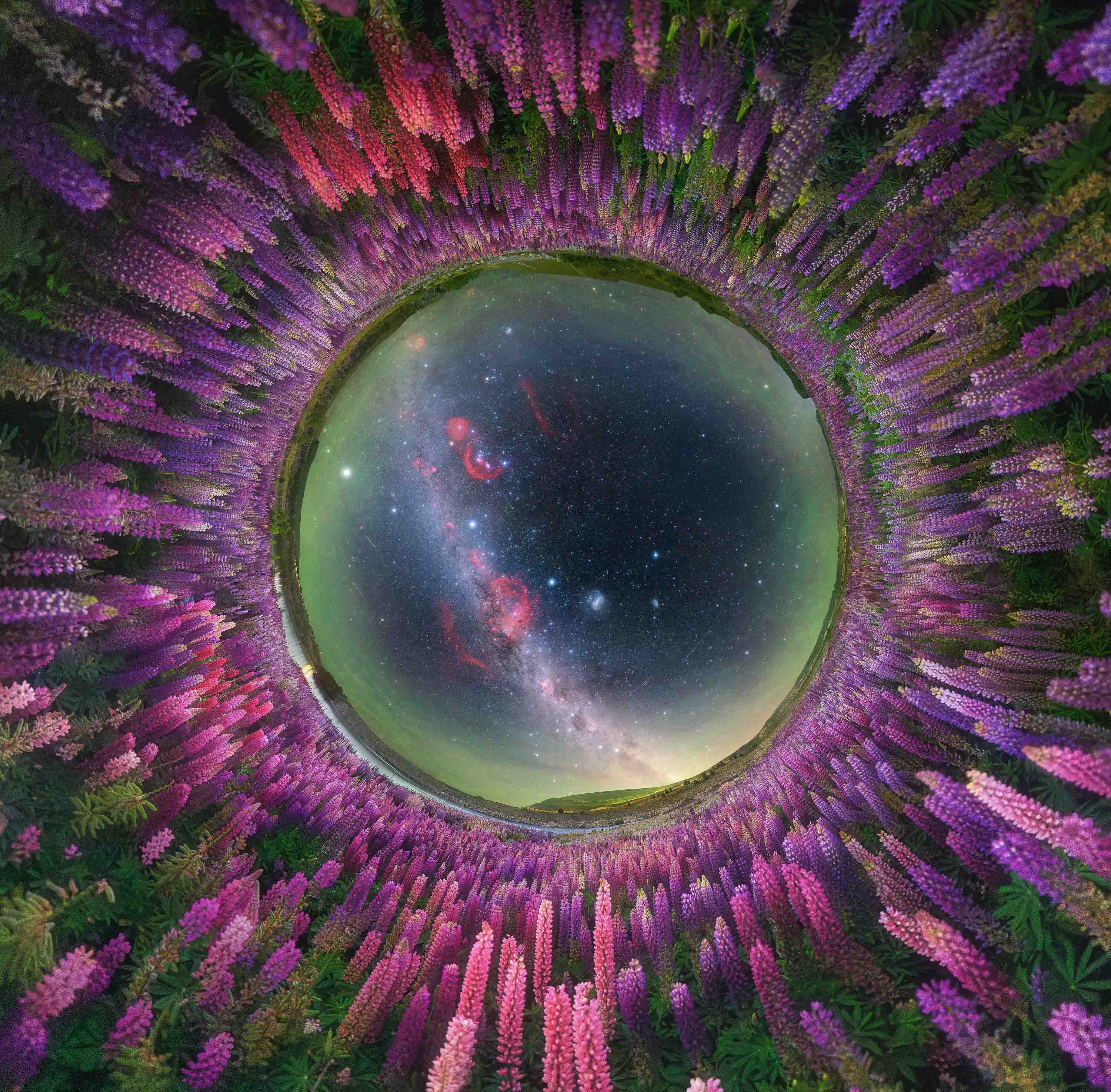
As the 2026 collection begins its global tour through various digital and physical exhibitions, it remains a testament to human curiosity. By documenting the "wild" skies of our planet, these 25 photographers have provided a bridge between our terrestrial home and the vast, silent reaches of the Milky Way, reminding a global audience that the stars are still there, provided we are willing to travel far enough—and keep the lights low enough—to see them.