



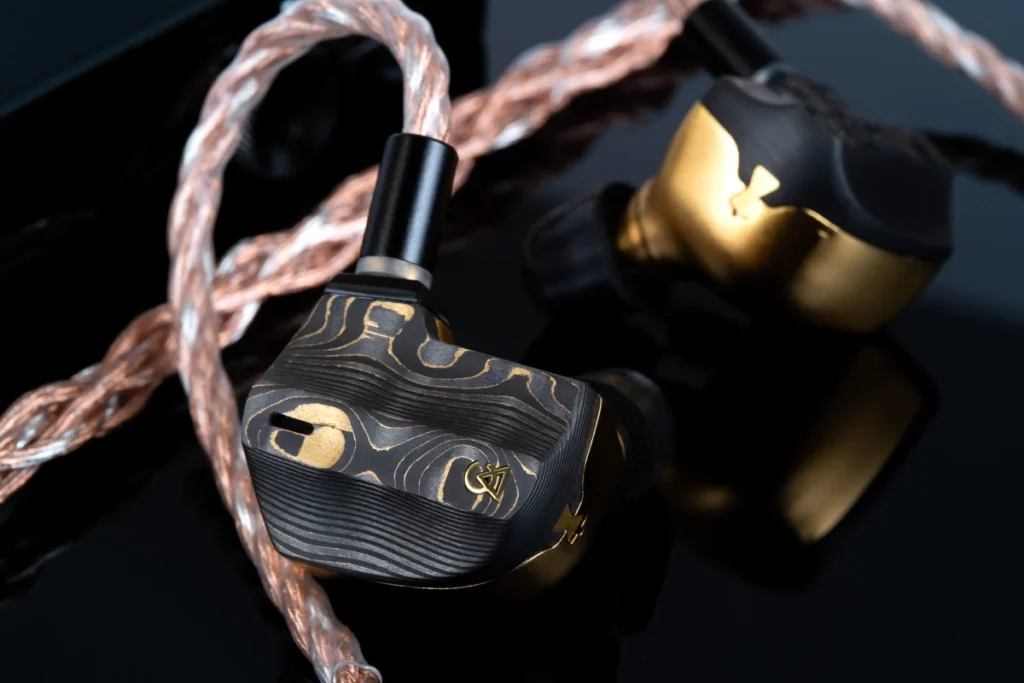
Portland-based boutique manufacturer Campfire Audio has officially announced the launch of the Chimera, a new flagship in-ear monitor (IEM) that represents the pinnacle of the company’s decade-long evolution in acoustic engineering. Priced at $7,500, the Chimera is positioned as a "summit-fi" statement piece, integrating a complex nine-driver array that utilizes four distinct types of driver technology. This release marks a significant departure from the brand’s traditional focus on organic timbre, moving toward a more technically rigorous and physically resonant sound profile. The Chimera is currently in its presale phase, with initial units scheduled to begin shipping to global customers in early June 2026.
The Engineering Philosophy Behind the Chimera
Since its inception in 2015, Campfire Audio has been synonymous with a specific "house sound"—one characterized by spaciousness, layered textures, and a focus on the emotional delivery of music rather than clinical transparency. This philosophy was rooted in the background of its founder, Ken Ball, whose previous venture, ALOaudio (Audio Line Out), specialized in high-end signal chains and bespoke cables. While previous models like the legendary Andromeda prioritized acoustic chamber geometry to create a wide soundstage, the Chimera introduces a new architectural paradigm for the brand.
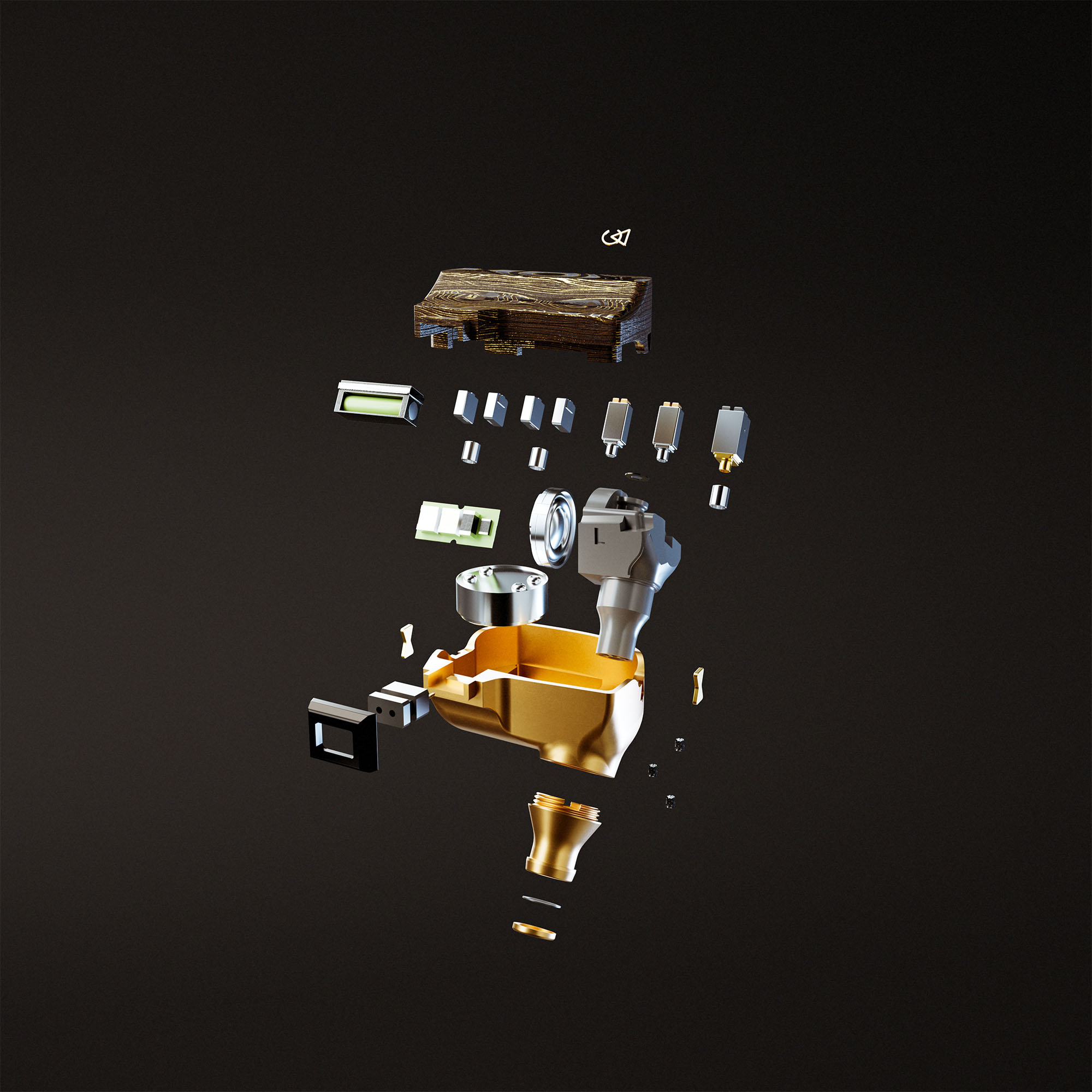
The Chimera is built upon a nine-driver platform designed to provide a comprehensive frequency response from 5Hz to 20kHz. The driver configuration is a "quad-brid" system, meaning it employs four different methods of sound reproduction. At the foundation is an all-new 10mm True-Glass dynamic driver dedicated to the low and low-mid frequencies. This is supplemented by a dual-diaphragm balanced-armature (BA) driver for midrange detail and two high-frequency BA drivers for the upper registers.
To handle the "super-tweeter" range, Campfire Audio has integrated four Sonion electrostatic (EST) drivers. However, the most notable addition to the internal architecture is the 10mm bone-conduction driver embedded directly into the shell. This component is designed to transmit low-frequency resonance through physical vibration against the listener’s ear, adding a tactile dimension to the audio that traditional air-conduction drivers cannot achieve.
Technical Specifications and Material Science
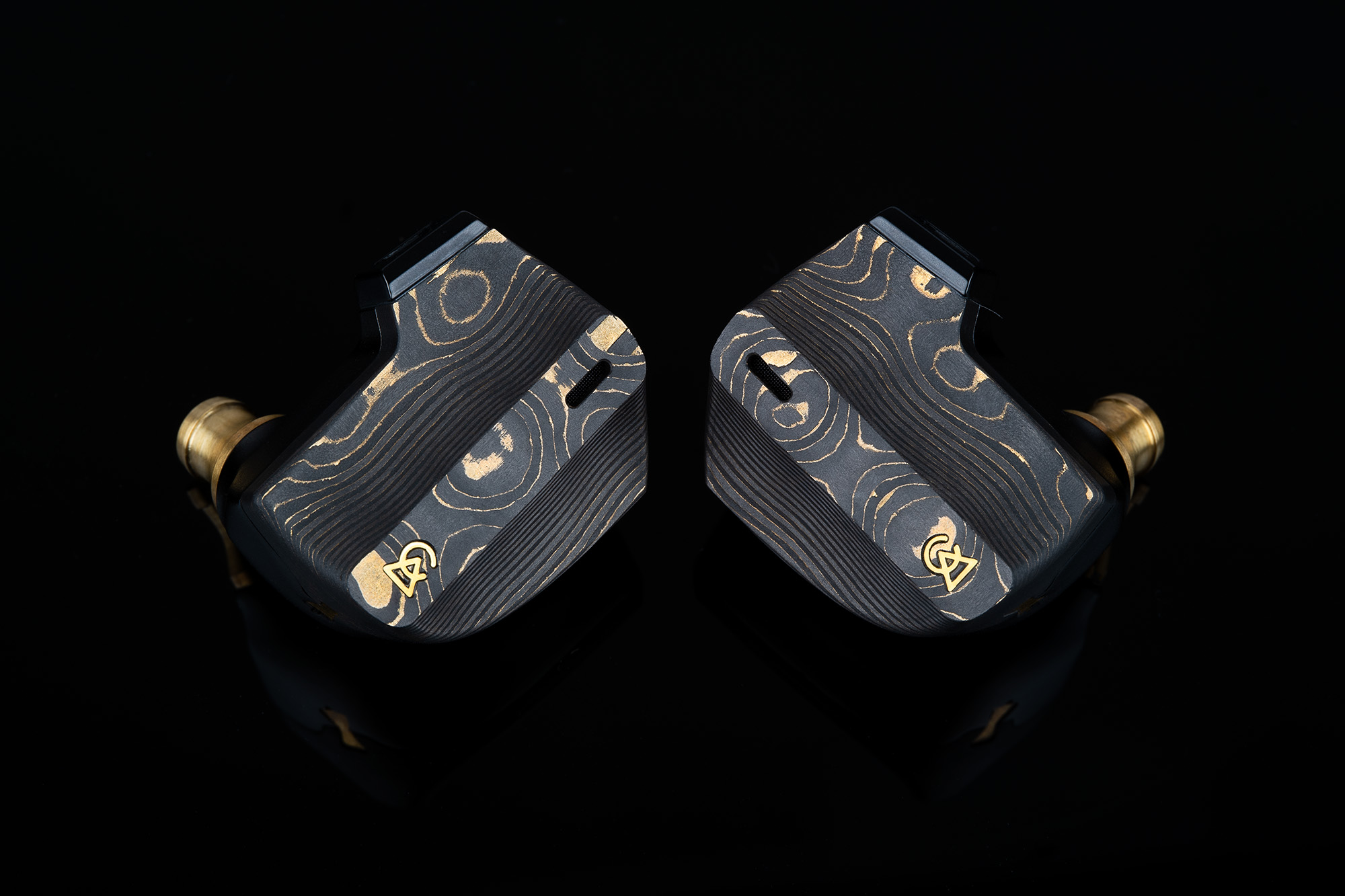
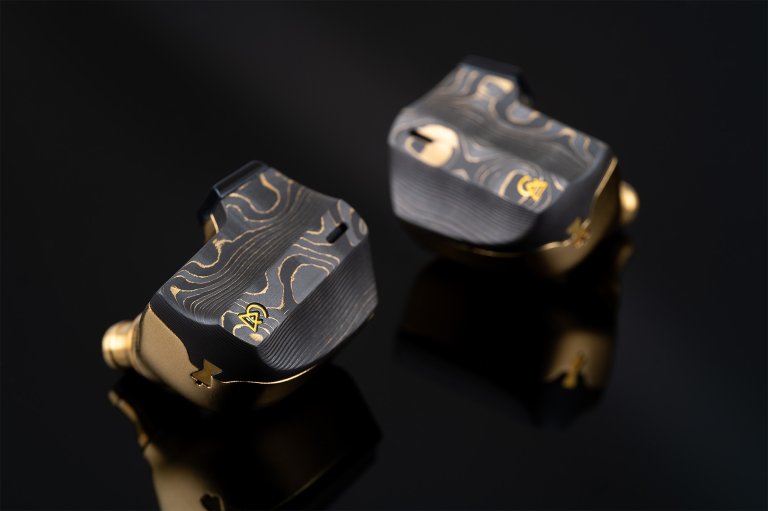
The construction of the Chimera reflects its premium price point, utilizing high-performance materials usually reserved for aerospace or high-end horology. The main body of the IEM is CNC-machined from billet magnesium, a material chosen for its exceptional strength-to-weight ratio and natural dampening properties, which help to minimize unwanted internal vibrations. To ensure longevity and aesthetic appeal, the magnesium shells are finished with a durable Physical Vapor Deposition (PVD) coating.
The faceplates are crafted from a carbon fiber and brass Damascus composite, providing a unique visual pattern for every unit produced. The nozzle is machined from solid brass, a metal often favored in high-end audio for its acoustic properties. Internally, the signal path is managed by a vintage ceramic-film capacitor and a specialized "Master Track" final-stage tuning damper located in the nozzle, which ensures phase coherence and dynamic control across the diverse driver types.
In terms of electrical specifications, the Chimera is surprisingly efficient despite its complexity. It features an impedance of 5.5Ω at 1kHz and a sensitivity of 94dB SPL at 1kHz/14.6 mVrms. These figures suggest that while the IEM can be driven by a variety of portable digital audio players (DAPs) and headphone amplifiers, it will scale significantly with high-quality upstream equipment.
A Chronology of Campfire Audio’s Innovation
The path to the Chimera began in 2015 with the launch of the Lyra and Jupiter models, which established Campfire Audio as a serious contender in the high-end IEM market. However, it was the 2016 introduction of the Andromeda that cemented the company’s reputation. The Andromeda’s five-BA configuration and green-anodized aluminum shell became an industry icon, leading to numerous iterations and limited editions over the following decade.
In the years leading up to the 2026 launch of the Chimera, Campfire Audio experimented with various hybrid designs, such as the Solaris and the Trifecta. Each model pushed the boundaries of driver integration. The Chimera represents the culmination of these experiments, combining the high-voltage requirements of electrostatic drivers with the physical impact of bone conduction. This release coincides with the upcoming 10th anniversary of the Andromeda, signaling a new chapter for the company as it seeks to dominate the ultra-premium segment of the market.
The Signal Chain: ALOaudio Valence-6 Cable
Consistent with Ken Ball’s history in cable manufacturing, the Chimera includes a premium accessory package centered around the ALOaudio Valence-6 cable. This cable features a blend of high-purity copper and silver-plated copper conductors, terminated with a 4.4mm balanced plug. The cable was developed specifically to provide maximum synergy with the Chimera’s quad-hybrid internal wiring, ensuring that the signal remains uncolored and highly resolved from the source to the drivers.
Additional accessories included with the $7,500 purchase are:
- A handmade black leather zipper case.
- A "Breezy Bag" two-pocket mesh carrying pouch.
- An extensive selection of ear tips (silicone and foam) to ensure an optimal seal.
- Custom-designed fasteners and cleaning tools to maintain the machined vents and nozzles.
Early Impressions and Market Context
While the Chimera is only now entering the global market, early prototypes were showcased at high-end audio events, including CanJam Singapore. Industry experts and audiophiles who experienced the device reported a "gently U-shaped" sound signature. This profile typically emphasizes the sub-bass and upper-treble regions while maintaining a clear, albeit slightly recessed, midrange.
Early feedback suggests that the integration of the bone-conduction driver provides a "weighty" and "visceral" low-end presence that does not bleed into the higher frequencies. The use of four electrostatic super-tweeters reportedly results in a level of treble extension and "air" that surpasses previous Campfire Audio models, making the Chimera particularly adept at reproducing the nuances of live recordings and complex orchestral arrangements.
The $7,500 price tag places the Chimera in a rarefied category of personal audio equipment, competing with flagship offerings from brands like Meze Audio, Sennheiser, and Focal. In the broader context of the high-fidelity market, there has been a growing trend toward "luxury audio," where consumers are willing to pay a premium for hand-assembled products that combine advanced materials science with bespoke acoustic tuning.
Strategic Implications for the Audio Industry
The launch of the Chimera serves as a bellwether for the future of the IEM industry. By successfully integrating four different driver technologies into a single shell, Campfire Audio has demonstrated that the technical limitations of miniature audio devices are continuing to recede. The use of bone conduction, in particular, is an area of active interest for many manufacturers, as it offers a solution to the "closed-in" feeling often associated with in-ear monitors.
Furthermore, the Chimera’s release highlights the importance of the "boutique" manufacturing model. Unlike mass-produced consumer electronics, each Chimera unit is hand-assembled in Portland, Oregon. This allows for tighter quality control and the ability to use materials—like CNC-machined magnesium and Damascus brass—that are difficult to scale in a traditional factory environment.
For Campfire Audio, the Chimera is more than just a product; it is a demonstration of technical capability. As the brand moves toward its second decade, the Chimera sets a high bar for future developments. While the price point makes it inaccessible to the average consumer, the technologies developed for this flagship model are likely to trickle down into more affordable products in the coming years, potentially redefining what listeners can expect from portable audio at all price tiers.
As the June 2026 shipping date approaches, the audio community remains focused on how the Chimera will perform in long-term testing. If the early impressions hold true, the Chimera may not only be a milestone for Campfire Audio but a defining moment for the high-end audio industry at large, proving that even in a digital-first world, there is a profound demand for the physical and technical excellence of analog sound reproduction.