



The teaching profession, often lauded for its dedication and impact, presents a unique set of challenges that can disproportionately affect neurodivergent educators. As conversations surrounding neurodiversity gain traction, a critical spotlight is being cast on how current educational systems, largely designed for neurotypical individuals, may inadvertently create barriers for a significant portion of their workforce. Recognizing and actively supporting neurodivergent teachers – individuals with conditions such as ADHD, autism, dyslexia, and other forms of cognitive diversity – is not merely an act of inclusion but a strategic imperative that promises to enrich school communities, enhance pedagogical approaches, and foster more empathetic learning environments for all students.
The demanding nature of teaching, from intricate lesson planning and curriculum development to managing student support programs, grading an incessant flow of assignments, and navigating complex social dynamics, relies heavily on robust executive functioning skills. For many educators, particularly those with undiagnosed or unsupported neurodivergent profiles, these daily requirements can feel less like a calling and more like an ongoing struggle against an invisible current. Anecdotal accounts, increasingly supported by emerging research, highlight how tasks that appear routine to some can necessitate extraordinary effort, constant juggling, and frantic improvisation for others. This often leads to significant personal strain, burnout, and a pervasive sense of inadequacy, even among highly competent and passionate professionals.
The Unseen Burden: Executive Functioning and the Education System
Executive functions, encompassing skills like planning, organization, time management, working memory, and impulse control, are foundational to effective teaching. A teacher’s day is a masterclass in multitasking and rapid cognitive transitions: shifting from instructing a large group to providing individual feedback, responding to unforeseen classroom disruptions, preparing for parent conferences, and adhering to strict administrative deadlines. For neurodivergent individuals, whose brains process information and regulate attention differently, these demands can be profoundly taxing.

Recent studies suggest that up to 15-20% of the global population exhibits some form of neurodivergence. While specific statistics for the teaching profession are still emerging, it is reasonable to infer that a substantial number of educators identify as neurodivergent. The inherent structure of school environments, characterized by constant sensory input (bells, chatter, bright lights), frequent interruptions, and a premium on sequential, linear task completion, can exacerbate executive functioning challenges. This can manifest as difficulty prioritizing, missing deadlines, disorganization, or struggling with the emotional regulation required to maintain composure throughout a demanding school day. Such struggles are rarely due to a lack of effort or dedication but rather a mismatch between cognitive processing styles and environmental expectations.
The "Lost Generation" and Evolving Understanding of Neurodiversity
A significant aspect of the current discourse revolves around what has been termed the "lost generation" of neurodivergent adults, particularly those in their 30s, 40s, and 50s. These individuals grew up in an era when neurodiversity was scarcely understood, and diagnostic criteria were far narrower and often gender-biased. In the 1980s and 90s, ADHD was primarily associated with hyperactive boys, and autism was largely defined by more severe presentations, often overlooking girls, high achievers, or those who developed sophisticated "masking" strategies to conform to neurotypical expectations.
Consequently, many educators are only now, later in life, realizing their own neurodivergent profiles. This awareness often stems from their children receiving diagnoses, or through the increased visibility and nuanced discussions about neurodiversity across social media and educational platforms. For these individuals, this belated recognition brings a complex mix of emotions: immense relief in finally having a framework to understand lifelong patterns of overwhelm, inconsistency, and burnout, coupled with grief for decades spent in self-blame, battling unexplained difficulties, and enduring unnecessary exhaustion. The irony is stark: these educators were trained to identify and support neurodivergent traits in their students, yet lacked the language and self-awareness to recognize them within themselves. This reinterpretation of their personal and professional narratives can be profoundly liberating yet also destabilizing, altering their perception of their work, their students, and the systems they navigate daily.
Beyond Deficit: The Invaluable Strengths of Neurodivergent Educators
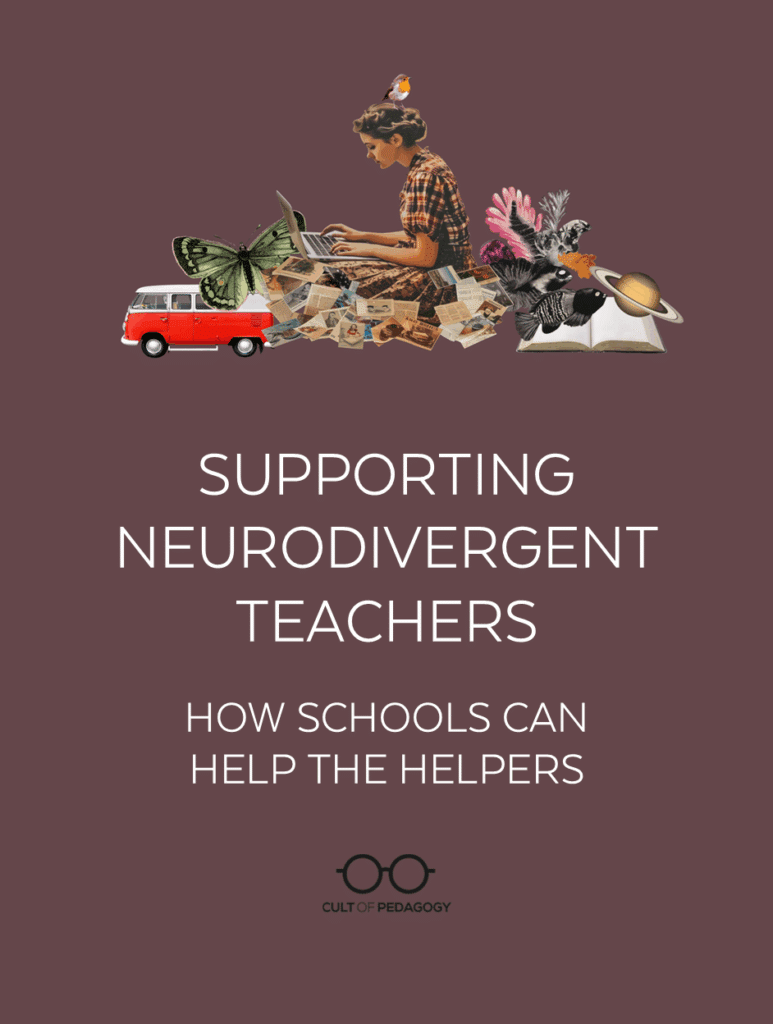
Despite the systemic challenges, neurodivergent teachers frequently bring extraordinary strengths to the classroom, often stemming directly from their unique cognitive profiles. When viewed not as deficits but as variations in thinking and processing, these traits reveal themselves as powerful assets:
- Innovative Pedagogies: Neurodivergent thinkers often approach problems from unconventional angles, leading to highly creative and adaptive teaching methods. Their divergent thinking can spark novel lesson designs, engaging activities, and alternative assessment strategies that cater to a broader range of learning styles.
- Deep Empathy and Understanding: Having personally navigated educational systems that were not designed for them, neurodivergent educators often possess a profound sense of empathy for students who struggle, especially those with diverse learning needs. This lived experience fosters a unique ability to connect with and advocate for marginalized learners, creating truly inclusive classrooms.
- Authenticity and Role Modeling: When supported, neurodivergent teachers can model authenticity, self-awareness, and creative problem-solving. By openly demonstrating strategies they use to manage their own cognitive differences (e.g., using visual schedules, taking sensory breaks), they normalize these practices, showing students that there isn’t one "right" way to learn or be.
- Specialized Knowledge and Hyperfocus: Many neurodivergent individuals exhibit intense focus or hyperfocus on areas of interest. In teaching, this can translate into deep subject matter expertise, meticulous curriculum design, or dedicated pursuit of specific pedagogical innovations. Their attention to detail or ability to spot patterns others miss can be invaluable.
- Strong Sense of Justice and Fairness: Often driven by personal experiences of misunderstanding or inequity, neurodivergent educators frequently demonstrate a strong commitment to fairness, social justice, and advocating for equitable opportunities for all students.
These strengths are not peripheral; they are central to fostering dynamic, inclusive, and effective learning environments. When schools create conditions where these traits can flourish rather than be suppressed through masking and exhaustion, the entire educational community benefits.
Systemic Misfit: When School Structures Create Barriers
While neurodivergent educators bring unique value, they operate within structures that can easily deplete their energy and confidence. Traditional school environments often present significant barriers:
- Sensory Overload: Classrooms and hallways can be highly stimulating environments. Fluorescent lighting, constant noise, unexpected sounds, strong scents, and visual clutter can be overwhelming for those with sensory sensitivities, leading to fatigue and reduced cognitive capacity.
- Rigid Routines and Transitions: The school day is typically structured with frequent, rapid transitions between activities, subjects, and social interactions. For neurodivergent individuals who thrive on predictability and require more time to switch cognitive gears, this constant shifting can be exhausting and disruptive to focus.
- Administrative Demands and Bureaucracy: The volume of paperwork, data collection, standardized reporting, and compliance-driven tasks often places a heavy burden on executive functions. These tasks, while necessary, can become insurmountable without adequate organizational support or flexible deadlines.
- Social and Communication Expectations: Navigating staff meetings, impromptu conversations, parent interactions, and school politics requires complex social cognition and sustained attention. For autistic teachers or those with social communication differences, these interactions can be highly draining.
- Lack of Flexible Accommodations: Despite legal frameworks like the Americans with Disabilities Act (ADA), stigma often prevents teachers from disclosing their neurodivergence or requesting reasonable accommodations. Schools may lack established protocols or a culture of flexibility to support diverse working styles.
This paradox highlights a fundamental challenge: schools often espouse values of diversity and individualized learning, yet their operational frameworks frequently fail to extend the same understanding to their own staff.
Empowering Strategies for Neurodivergent Teachers
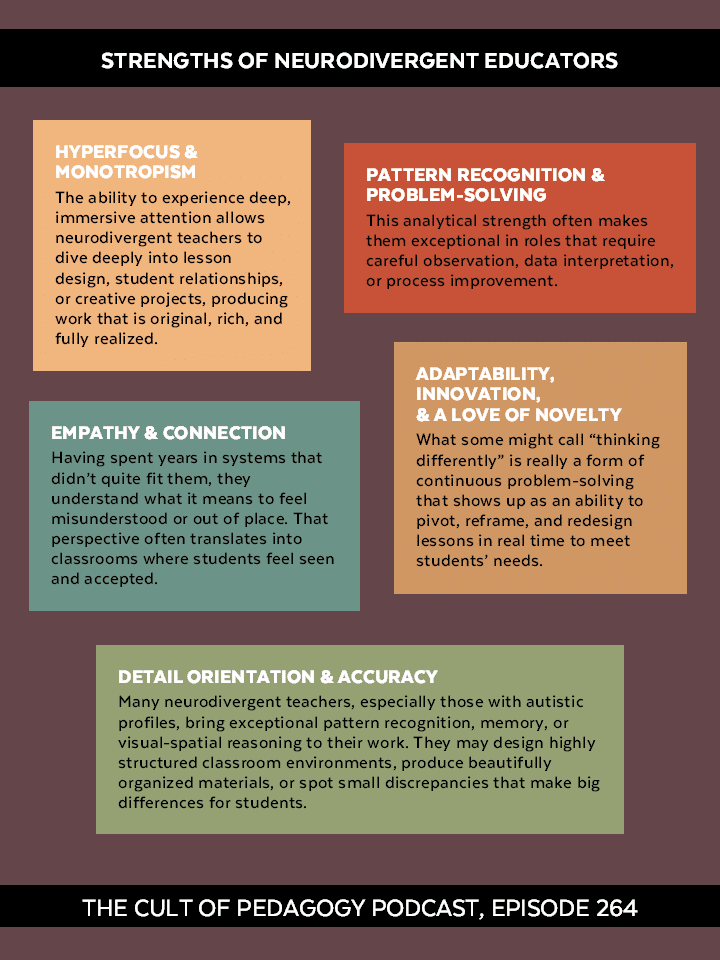
While systemic change is paramount, individual neurodivergent educators can adopt practical strategies to manage their energy, optimize their work, and foster sustainability:
- Externalize Executive Functioning: Offload mental tasks onto trusted external systems. Utilize digital calendars, reminder apps, visual task boards, checklists, and voice memos to capture ideas and manage schedules. Automation tools like IFTTT can streamline routine digital tasks, freeing up cognitive load.
- Batch and Bundle Tasks: Minimize cognitive "gear-shifting" by grouping similar tasks. Dedicate specific blocks of time for grading, lesson planning, or responding to emails. This allows for deeper focus and reduces the mental energy expended on transitioning between different types of work.
- Utilize Body Doubling: The presence of another person working nearby can enhance focus and accountability. Collaborate with a colleague during planning periods or use virtual co-working sessions for tasks like grading or report writing.
- Cultivate Sensory-Friendly Routines: Implement small environmental adjustments. Use noise-reducing headphones or soft background music, adjust lighting (e.g., lamps instead of harsh overhead fluorescents), and incorporate short movement breaks or grounding exercises throughout the day. Creating a personal "reset ritual" can help manage transitions and regulate energy.
- Energy Mapping and Rhythm Awareness: Track personal energy and focus levels throughout the day or week. Align cognitively demanding tasks with natural high-energy windows, reserving lower-focus periods for administrative or less intensive work. This proactive approach helps prevent burnout.
- Leverage Novelty Strategically: For many neurodivergent brains, novelty boosts motivation. Introduce small variations into routines, experiment with new lesson formats, or try different digital tools. The key is to use novelty as a controlled stimulant, not a distraction, returning to established structures for grounding.
- Reframe and Practice Self-Compassion: Shift perspective from self-blame to understanding. View challenges (disorganization, fatigue) as signals that current strategies are not meeting needs, rather than personal failures. Embrace self-compassion to foster experimentation without shame, recognizing that professionalism does not equate to perfection.
These strategies are about working differently, not harder, to reduce friction, preserve energy, and allow innate strengths to shine.
Cultivating Inclusive Environments: The Role of Schools and Administrators
For lasting change, schools and administrators must actively cultivate environments that support and value neurodivergent educators. This is about equitable access and creating conditions where every teacher can thrive:
- Promote Awareness and Professional Development: Invest in training for all staff and leadership on neurodiversity, challenging misconceptions, and highlighting the strengths neurodivergent individuals bring. This fosters a culture of understanding and reduces stigma.
- Offer Flexible Work Arrangements: Explore adaptable schedules, flexible meeting structures, and options for remote work for certain tasks. Provide quiet spaces for focused work or sensory breaks.
- Provide Practical Accommodations and Support: Ensure HR departments are knowledgeable about neurodiversity and the ADA. Offer access to organizational tools, assistive technologies, or dedicated administrative support for tasks that pose significant executive functioning challenges. Establish confidential pathways for disclosure and accommodation requests.
- Modify Physical Environments: Where possible, address sensory challenges in staff rooms and classrooms. Offer options for lighting, reduce unnecessary noise, and ensure access to sensory-friendly resources.
- Foster a Culture of Psychological Safety: Leadership must model openness, empathy, and a commitment to well-being. This encourages teachers to be authentic about their needs without fear of judgment or professional repercussions.
- Mentorship and Peer Support Networks: Create opportunities for neurodivergent teachers to connect, share strategies, and find solidarity. Mentorship programs can provide invaluable guidance and support.
Broader Implications: A Win for All Learners and Leaders
When schools intentionally support neurodivergent educators, the benefits extend far beyond the individual teachers. It creates a ripple effect that strengthens the entire educational ecosystem. Teachers who feel safe and supported are better equipped to model acceptance and understanding for their students. Classrooms become spaces where difference is not just tolerated but understood as an integral part of human variation and learning. Students witness adults utilizing diverse strategies for success, realizing that tools like visual schedules or sensory breaks are strengths, not signs of weakness.
Furthermore, a culture that embraces neurodiversity contributes significantly to teacher retention, addressing the critical issue of burnout in the profession. By designing for flexibility, clarity, and belonging, schools cultivate environments where educators can sustain their careers, bring their best selves to the classroom, and continue to innovate. This ultimately leads to more vibrant, resilient, and effective school communities that are better equipped to serve the diverse needs of all students. The ongoing dialogue around neurodiversity in education marks a pivotal moment, urging a shift from individual adaptation to systemic transformation, ensuring that every teacher and student can truly belong and flourish.