


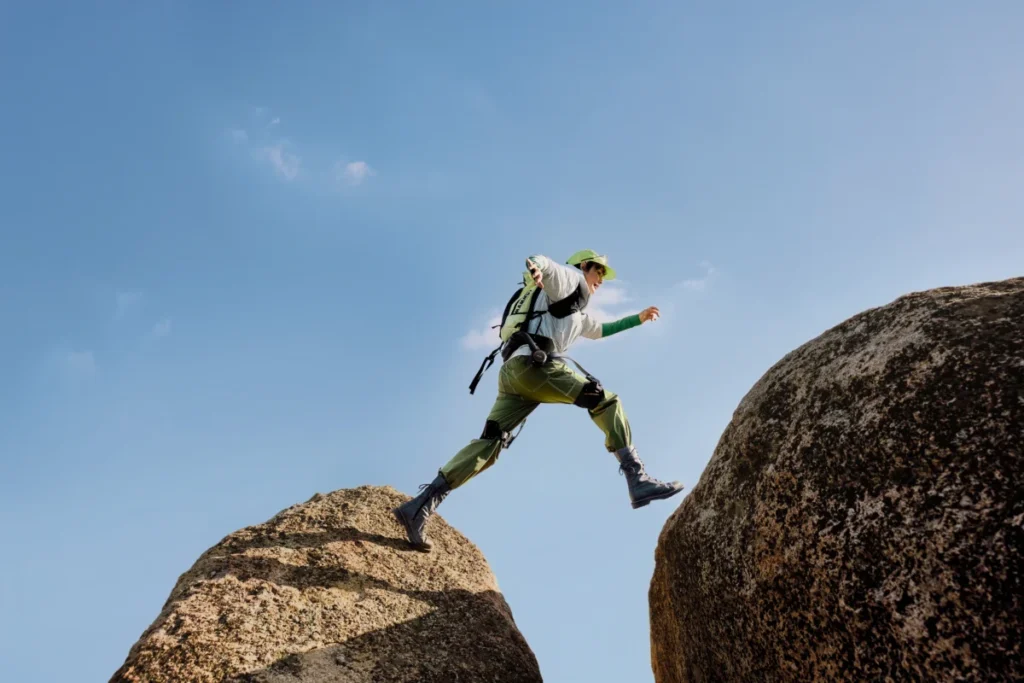
The landscape of outdoor recreation and adaptive mobility underwent a significant evaluation recently as Hypershell, a robotics technology firm, conducted extensive field trials of its X Ultra S hiking exoskeleton at the Grand Canyon. The event, which brought together technical observers and journalists, served as a rigorous assessment of how wearable robotics can mitigate physical strain, manage chronic physiological limitations, and extend the range of human exploration in challenging environments. Weighing under five pounds and constructed from high-performance materials, the Hypershell X Ultra S represents a burgeoning category of consumer-grade "bionic" hardware designed to bridge the gap between industrial robotics and everyday recreational use.
Technical Specifications and Engineering Architecture
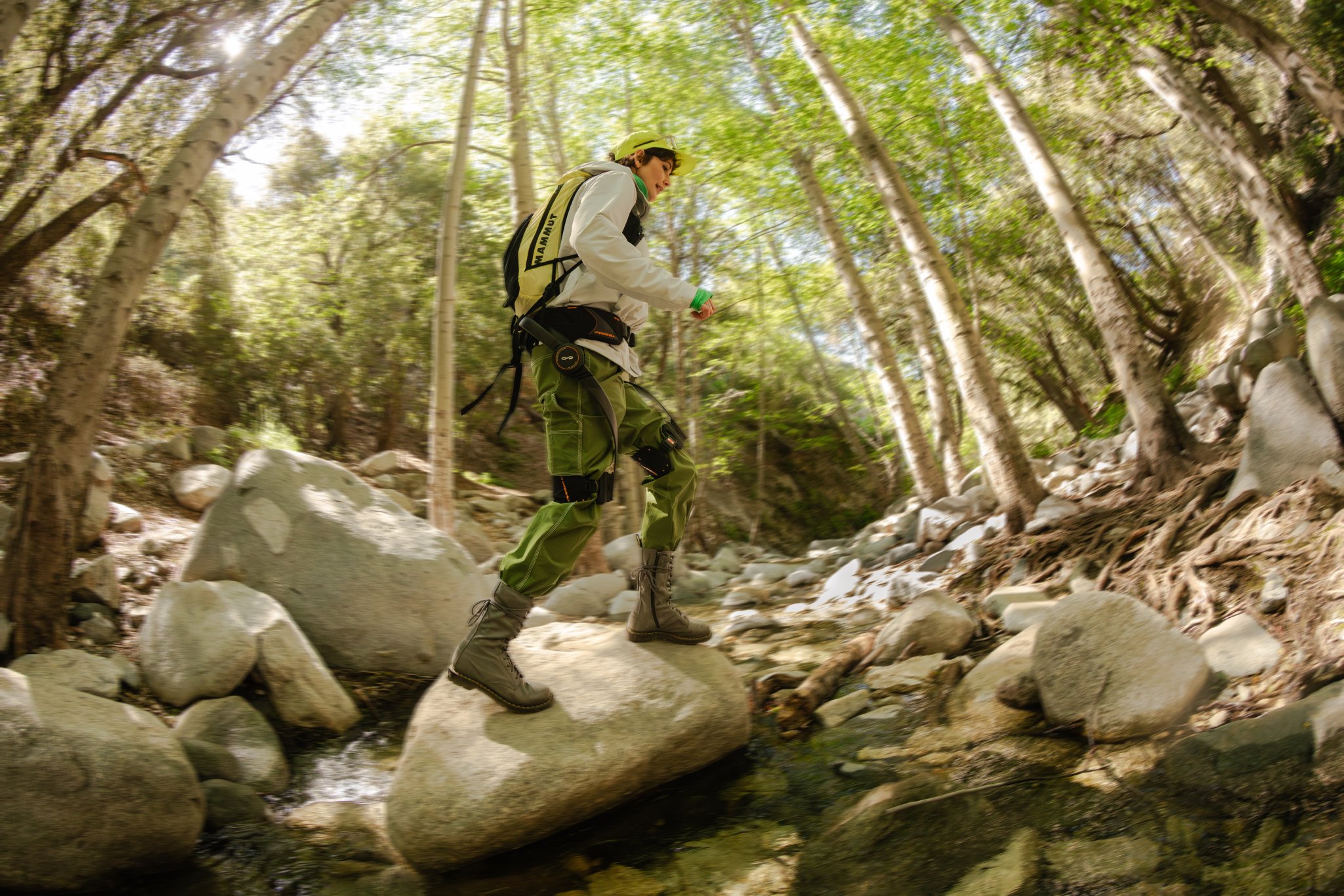
The Hypershell X Ultra S is engineered with a focus on power-to-weight ratio, a critical metric for wearable devices intended for long-duration use. The unit weighs approximately 4.7 pounds, a feat achieved through the extensive use of titanium alloy and carbon fiber. This lightweight chassis houses the M-One Ultra motor, a power plant capable of delivering 1,000 watts of assistance. Unlike industrial exoskeletons designed for heavy lifting, the X Ultra S is optimized for "ambulatory assistance," specifically targeting the mechanics of the human stride during walking, hiking, and climbing.
Central to the device’s functionality is the "HyperIntuition" AI motion-control system. This software layer is designed to interpret the wearer’s movements in real-time, predicting the necessary torque and assistance levels based on the terrain. The system is programmed with 12 distinct terrain modes, including specialized algorithms for ascending and descending stairs, navigating uphill and downhill slopes, and traversing unstable surfaces such as gravel, snow, and sand dunes. By integrating sensors that monitor gait and pace, the AI seeks to provide a seamless transition between different movement patterns without the need for manual adjustment.
The device is powered by a high-density battery rated for 30 kilometers (approximately 18.6 miles) of continuous use. During the Grand Canyon trials, this capacity was tested against the Bright Angel Trail, a demanding route that involves significant elevation changes. Technical data indicated that the battery life was sufficient to cover a full day of rigorous trekking, with residual power remaining for standard movement.
Physiological Impact and Field Performance Data
The primary objective of the Grand Canyon trials was to quantify the cardiac and metabolic benefits of the exoskeleton. Participants monitored their physiological responses using heart rate sensors across multiple modes of operation: Transparent (no assistance), Eco (moderate assistance), and Hyper (maximum assistance).
In controlled climbs on identical sections of the canyon trail, the data revealed a substantial reduction in cardiovascular strain. One specific trial saw a participant’s heart rate peak at 158 beats per minute (BPM) during an unassisted climb. When repeating the same climb with the exoskeleton in Eco mode, the peak heart rate dropped to 126 BPM. In Hyper mode, the peak further decreased to 118 BPM.
The implications of this data extend beyond mere comfort. For individuals with conditions such as Postural Orthostatic Tachycardia Syndrome (POTS), where heart rates can spike dangerously during moderate exertion, the exoskeleton acted as a physiological stabilizer. Field observations noted that walking at a steady 2-mile-per-hour pace resulted in an average heart rate of 96 BPM with assistance, compared to 128 BPM without it. This 25% reduction in heart rate suggests that the device can effectively shift a user’s exertion level from high-intensity cardiovascular work to a sustainable aerobic state.
Furthermore, the exoskeleton demonstrated a significant impact on muscle fatigue and joint stability. Participants with hypermobility conditions, such as Ehlers-Danlos Syndrome (EDS), reported that the device assisted in gait alignment. The motors provided a corrective force that kept the legs moving in a centered plane, potentially reducing the risk of joint subluxation or dislocation. While the device is not marketed as a medical stabilizer or a balance aid, its ability to take over a portion of the "lifting" work in the stride reduced the metabolic cost of the hike, leaving users with more energy at the conclusion of the trek.
Operating Modes and User Interface
The Hypershell X Ultra S is managed via a companion mobile application and physical buttons located on the hip unit. The interface offers four primary operational modes:
- Eco Mode: Provides baseline assistance with a customizable strength slider, suitable for long-distance endurance.
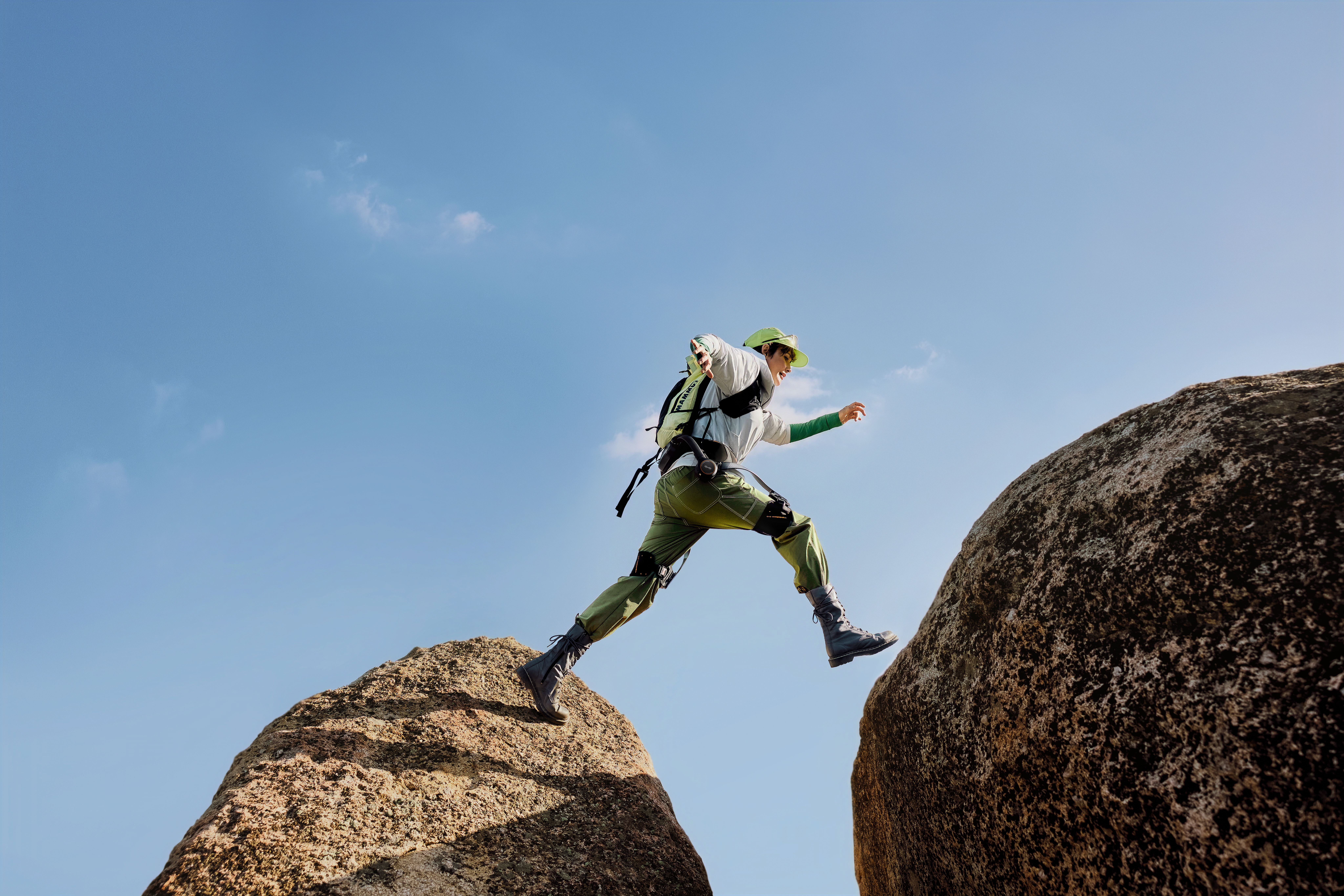
- Hyper Mode: Maximizes motor output for steep inclines or heavy loads.
- Transparent Mode: Disengages the motors, allowing the user to move naturally while wearing the hardware, with minimal resistance.
- Fitness Mode: Reverses the motor’s function to provide resistance, effectively turning the exoskeleton into a mobile gym. This mode is designed for strength training or to provide proprioceptive feedback—helping users better sense the position and movement of their limbs.
During field testing, the physical button sequences for mode switching were noted to have a learning curve, leading most testers to rely on the smartphone app for rapid adjustments. The "Fitness Mode" emerged as an unexpected utility for users with sensory or neurological feedback issues, as the constant low-level resistance provided a steady stream of information to the brain regarding leg position.
Ergonomics and Wearability
The design of the X Ultra S utilizes a hip-mounted configuration with a three-zone lumbar pad. While the construction was praised for preventing chafing over long durations, the trials highlighted the importance of proper fitment. The device is designed to sit above the navel to optimize the leverage of the mechanical "legs." However, fluctuations in body shape—common in users with gastrointestinal issues or those undergoing long-term physical exertion—can cause the belt to shift.
Hypershell has addressed these anatomical variations by offering optional shoulder straps. For users with narrower hips or those carrying additional gear, these straps are considered essential to maintain the correct geometry of the device. The system features adjustable points at both the hip and the knee, allowing it to accommodate a wide range of heights and builds, though the fixed position of the belt remains a critical factor in its efficacy.
Chronology of Development and Market Context
The journey of the Hypershell X series began as a high-concept project on crowdfunding platforms, where it garnered significant interest from the outdoor community and tech enthusiasts. The transition from a Kickstarter prototype to the refined Ultra S model involved several iterations of motor miniaturization and AI refinement.
The Grand Canyon event marks a pivotal moment in the timeline of wearable robotics, shifting the narrative from "sci-fi concept" to "field-ready tool." Historically, exoskeletons have been divided into two categories: heavy, expensive medical units for rehabilitation (costing upwards of $50,000) and industrial units designed for factory floors. Hypershell is positioning itself in a third, emerging category: the consumer outdoor segment.

This market is driven by several demographic trends. An aging "Baby Boomer" population remains active but faces declining joint health and muscle mass. Additionally, the rise of adaptive athletics has created a demand for technology that allows individuals with chronic illnesses or physical limitations to access terrain that would otherwise be off-limits.
Broader Implications and Future Outlook
The success of the Hypershell X Ultra S in a high-stress environment like the Grand Canyon suggests a future where "augmented hiking" becomes a standard subset of the outdoor industry. National parks and trail systems may eventually see an influx of users who rely on these devices to manage the physical demands of the wilderness.
From a conservation and safety perspective, the reduction in physical fatigue could lead to a decrease in search-and-rescue incidents involving exhausted or dehydrated hikers. By lowering the "barrier to entry" for strenuous trails, the technology democratizes access to nature. However, it also raises questions regarding trail etiquette and the definition of "wilderness experience" in an age of bionic enhancement.
Industry analysts suggest that the next phase of development for Hypershell and its competitors will involve further integration of biometric sensors, allowing the exoskeleton to adjust not just to the terrain, but to the user’s fatigue levels and heart rate automatically. As material science continues to evolve, even lighter and more powerful versions are expected to emerge.
The verdict from the Grand Canyon trials is clear: the Hypershell X Ultra S is a functional, measurable tool that fundamentally alters the metabolic cost of human movement. For the adaptive athlete, the aging hiker, or the long-distance trekker, it offers a glimpse into a future where physical limitations are no longer the final word on where a person can go. This win for assistive technology paves the way for a more inclusive and accessible outdoor world, ensuring that the beauty of the natural landscape can be experienced by bodies of all capabilities.