


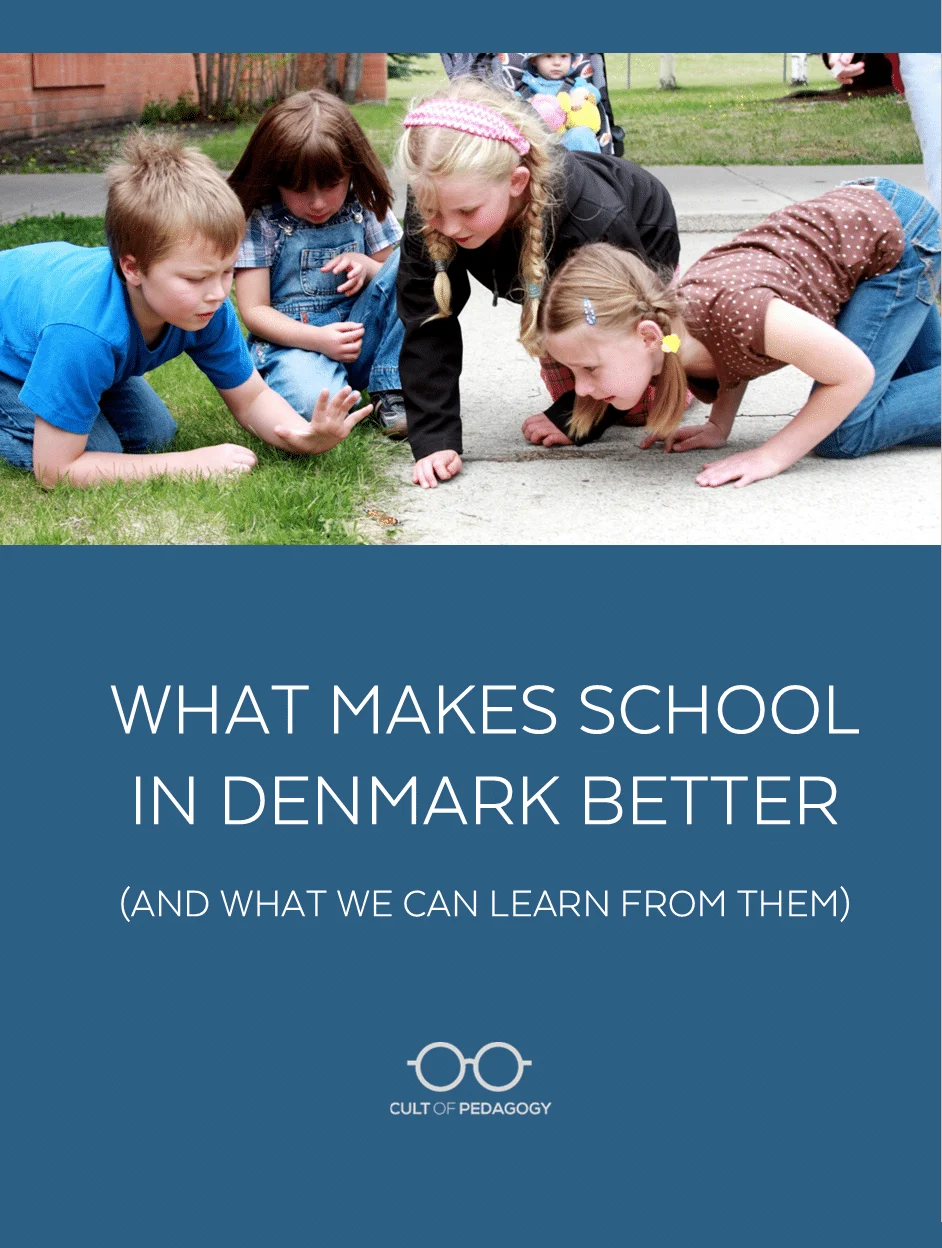
A recent interview with educator Pernille Ripp, a former U.S. teacher now working in her native Denmark, sheds light on stark differences in educational philosophies, suggesting that American schools could significantly improve by adopting a "less is more" approach. Ripp’s insights, garnered from over a decade of experience across both systems, highlight how trust, autonomy, and reduced pressure could transform the experiences of both teachers and students in the United States, fostering a more humane and enriching learning environment. The discussion, presented by Cult of Pedagogy, outlines practical "subtractions" that wouldn’t necessarily require increased funding but rather a fundamental shift in expectations and priorities.
The American Educational Landscape: A System Under Strain
The U.S. education system frequently grapples with challenges such as high teacher burnout, stringent curriculum mandates, and a perceived lack of professional autonomy. Recent data from the National Center for Education Statistics (NCES) indicates that teacher turnover remains a significant concern, with many educators citing workload, lack of administrative support, and insufficient influence over educational decisions as primary reasons for leaving the profession. Teachers in the U.S. often report working well beyond a standard 40-hour week, with a considerable portion of their time dedicated to administrative tasks, compliance with pacing guides, and standardized test preparation, rather than direct instructional planning or student engagement. This environment often leads to a "scripted" approach to teaching, where teachers are seen more as implementers of pre-designed programs than as skilled professionals capable of tailoring education to their students’ unique needs.
This backdrop of mounting pressure and diminishing autonomy for educators sets the stage for Ripp’s comparison. Her journey from the U.S. to Denmark several years ago provided her with a unique lens through which to observe and articulate the systemic differences. Prior to her move, Ripp had already established herself as a prominent voice in literacy and learning, advocating for student-centered practices through her blog and books, including "Passionate Learners." Her previous appearance on the Cult of Pedagogy podcast, "How to Stop Killing the Love of Reading," underscored her commitment to fostering genuine engagement over rote learning. These experiences informed her observations as she transitioned to the Danish system, where she encountered a remarkably different operational paradigm.
The Danish Model: A Philosophy Rooted in Trust and Professionalism
In Denmark, Ripp observes an educational system built upon a foundation of deep professional trust in teachers. This contrasts sharply with the often-prescriptive nature of U.S. education. Danish teachers are largely unburdened by detailed pacing guides or extensive checklists. Instead, they operate with broad, age-based learning objectives, empowered to determine the most effective pedagogical approaches for their students. The national government recently streamlined its educational goals, reducing them from hundreds to approximately ten, a move reflecting a systemic commitment to teacher autonomy and focused learning. This decentralization of decision-making extends to the school level, allowing individual institutions to adopt curricula best suited to their student populations. Ripp emphasizes, "The system assumes that I know what I’m talking about and that the experience that I have with my students is one that is valid and also valuable."
This philosophy of trust permeates every aspect of the teaching profession. Unlike the U.S., where teachers often face extensive bureaucratic hurdles for even minor deviations from routine, Danish educators are given significant freedom. Ripp recounts being able to take her students outside without needing explicit permission or planning a class trip to her home for an afternoon of informal learning without filling out a single form. This "trust until lost" model empowers teachers, fostering a sense of ownership and professionalism that can be a powerful antidote to burnout. Administrators actively seek to lighten teachers’ loads, as evidenced by Ripp’s experience during a busy period: her principal’s immediate response was to inquire, "What can we remove from your plate?" This proactive approach to teacher well-being underscores a fundamental respect for educators’ time and capacity.

Professional work conditions further distinguish the Danish system. Teachers typically adhere to a 40-hour work week, with approximately half of that time dedicated to direct student instruction. The remaining hours are allocated to dedicated preparation time, often in a separate, quiet office space. This physical separation and protected time allow teachers to focus on planning without interruptions, reducing the pressure to constantly maintain and decorate "their" classroom. Furthermore, the substitute teacher system in Denmark offers a stark contrast. When a teacher is ill, a simple call before 7 a.m. suffices; no elaborate sub plans are required. Schools employ permanent substitute teachers who are familiar with the students and the school culture, arriving with their own activity ideas, ensuring continuity and relieving sick teachers of additional burdens. This system allows teachers to truly rest and recover, promoting overall health and reducing presenteeism.
Nurturing Students: Autonomy, Play, and Holistic Development
The Danish educational philosophy extends its trust and developmental approach to students as well. Children are granted significant autonomy from an early age, expected to manage their own belongings, make choices about seating, and navigate their learning environment. Ripp’s personal anecdote about her daughter, who, upon moving to Denmark in third grade, was surprised by her teacher’s expectation that she pack her own lunch, illustrates this fundamental difference. In the U.S., school systems often micromanage student movements and decisions, whereas Danish schools provide clear expectations and then trust students to operate within them, viewing missteps as teachable moments rather than failures requiring stricter controls. "We are constantly asking children in Denmark to take responsibility in ways that we don’t do in America," Ripp states.
The design of the Danish school day prioritizes student well-being and natural development. Movement, outdoor time, and unstructured play are considered essential, not supplemental. Students go outside daily, regardless of weather, and "risky play" is actively encouraged within safe boundaries. Ripp describes witnessing children wrestling in the schoolyard and her current instinct being to inquire, "Are you having fun?" rather than intervene immediately. Her school even designates "snowball-fight zones," allowing for robust physical play while setting clear expectations. This approach acknowledges children’s inherent need for physical activity and exploration, contributing to better self-regulation and social skills. Play, crucially, does not require an "educational justification"; when Ripp took her class to her home for cake and trampoline time, her principal’s reaction was simply, "Oh, that’s so fun!"—a far cry from the demand for learning objectives often heard in U.S. schools.
Homework, particularly in elementary grades, is minimal and purposeful in Denmark. When assigned, it is specific and manageable, and parents are known to politely push back against excessive or non-essential assignments, advocating for evenings to remain family time. This reflects a cultural understanding that childhood extends beyond the school day and that unstructured time at home is vital for developmental growth. This contrasts with the often-heavy homework loads in many U.S. schools, which can contribute to student stress and parental frustration, sometimes without clear evidence of academic benefit. Studies on homework efficacy, such as those by Duke University’s Harris Cooper, suggest that while some homework can be beneficial in moderation, excessive amounts, especially for younger students, can be counterproductive, leading to burnout and disengagement.
Student voice is intrinsically woven into the fabric of Danish schooling, rather than being an "extra" curriculum item. Schools dedicate a regular "class hour" for community building, self-regulation, and conflict resolution. This time allows students to navigate real-world social dynamics, discuss how choices affect others, and learn to function effectively within a group. This approach cultivates social-emotional learning organically, viewing it as integral to the "curriculum" of community. "Schools are for community and not for individualism in Denmark. You’re expected to be able to function within a community," Ripp explains, highlighting a collective mindset that prioritizes social cohesion.
Finally, academic rigor in Denmark exists without the pervasive pressure often found in U.S. classrooms. Grades do not begin until seventh grade, and formal reading instruction typically commences in first grade (equivalent to second grade in the U.S.). Entering kindergarten without knowing all letters is considered normal. This patient approach acknowledges varying developmental timelines, allowing children to learn at their own pace without premature labeling or high-stakes assessments. Ripp recounts observing children she initially worried about in first grade blossoming into fluent readers by third grade. The philosophy embraces "fewer things done better," allowing teachers the flexibility to slow down, go deeper into topics, and prioritize engagement over strict adherence to a schedule, even if it means running a couple of weeks "behind" a unit plan.
Bridging the Divide: Implementing Danish Principles in U.S. Schools
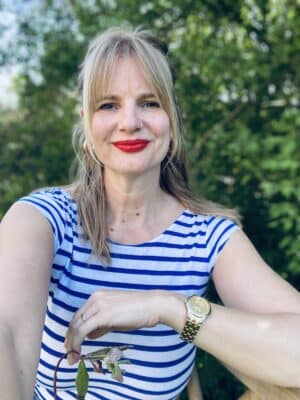
Ripp and the interviewer underscore that many of these "subtractions" from the U.S. educational burden do not necessitate significant financial investment but rather a re-evaluation of current practices and expectations. For administrators in the U.S., fostering a culture of trust begins with explicit communication and a critical examination of existing policies. Loosening restrictions on field trips, simplifying sign-out procedures, and empowering teachers to adapt mandated curricula as a starting point rather than a rigid script could be initial steps. The suggestion to protect prep time—making it truly undisturbed—and rethinking the substitute teacher system by employing a pool of familiar, permanent subs who do not require detailed lesson plans could dramatically reduce teacher stress and improve continuity.
For students, empowering them with more decision-making, even in small ways, can foster responsibility. Shifting the mindset from controlling every movement to using poor choices as instructional moments can cultivate autonomy. Increasing outdoor time, allowing for longer recesses, and tolerating a degree of "risky play" (within safe parameters) are changes that schools can pilot without district mandates. Rethinking homework policies, particularly in elementary grades, by asking "Why does this homework exist, and what would actually be lost if I didn’t assign it?" can lead to more intentional and less burdensome assignments. Integrating dedicated "class meeting" or community time, separate from academic objectives, can foster social-emotional development organically.
Ripp’s most salient advice for U.S. teachers operating within the current system is to grant themselves grace. "I would give myself grace in good enough," she advises. This involves purposefully slowing down, critically examining the curriculum, and being willing to "cut things out, even kill the darlings." By empowering students with choice in their learning pathways and forgiving oneself for doing less, teachers can reclaim energy and focus on what truly matters. This self-directed approach, while challenging within a system often characterized by external pressures, is presented as a vital step toward personal and professional sustainability.
Implications for Educational Reform and the Path Forward
The comparison between the U.S. and Danish educational systems, as articulated by Pernille Ripp, offers profound implications for educational reform. It challenges the prevailing American paradigm that often equates more mandates, more tests, and more control with better outcomes. Instead, the Danish model suggests that genuine improvement may lie in strategic reduction: less micromanagement, less unnecessary bureaucracy, less academic pressure, and less homework, leading to more trust, more autonomy, more play, and more community.
While systemic changes in the U.S. are complex, involving diverse stakeholders from federal policymakers to local school boards, parents, and teachers’ unions, Ripp’s insights provide a roadmap for incremental, school-level transformations. The belief that "any system created by people can also be changed by people" serves as an empowering call to action. By adopting elements of the Danish "less is more" philosophy, U.S. schools could potentially mitigate teacher burnout, enhance student well-being, and cultivate a more engaging and effective learning environment, ultimately fostering a generation of more passionate, resilient, and well-rounded learners. The conversation prompts a crucial question for American education: What if the key to doing better is simply doing less of what isn’t working?