

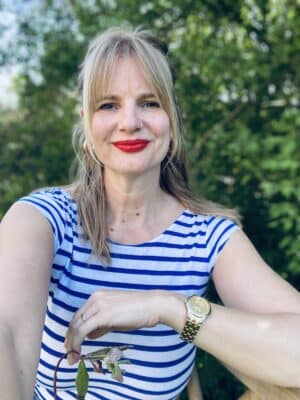
Drawing on a decade of experience as an educator in both the United States and her native Denmark, literacy and learning expert Pernille Ripp highlights profound structural and philosophical differences between the two countries’ educational systems, offering a compelling blueprint for how American schools might foster more humane and enriching environments for both teachers and students. Ripp’s insights, shared in a recent interview, challenge the prevailing U.S. model, suggesting that often, "doing less" rather than "adding more" could unlock significant improvements in educational outcomes and overall well-being. This comparative analysis arrives at a crucial juncture for American education, grappling with issues ranging from teacher burnout and student disengagement to persistent achievement gaps and curriculum debates.
The Context: Challenges in American Education
The U.S. education system, while diverse and innovative in many respects, frequently faces criticism for its high-pressure environment, often characterized by standardized testing, prescriptive curricula, and an increasing workload for teachers. According to a 2023 survey by the National Education Association, 55% of educators are considering leaving the profession earlier than planned, citing burnout and inadequate support as primary factors. This attrition rate is exacerbated by a perceived lack of professional autonomy, with many teachers feeling constrained by top-down mandates that limit their ability to adapt instruction to student needs. For students, the system often emphasizes academic achievement at the expense of holistic development, leading to elevated stress levels, diminished opportunities for unstructured play, and a curriculum that sometimes feels disconnected from real-world application. These systemic pressures make comparisons with alternative models, particularly those from high-performing nations, increasingly relevant.
Pernille Ripp, known for her advocacy for passionate learning and literacy through her blog and books like Passionate Learners, provides a unique perspective. Having recently relocated from the U.S. to Denmark, her direct experience teaching within both frameworks offers an invaluable side-by-side comparison, moving beyond abstract policy discussions to practical, day-to-day realities. Her previous work, including a podcast interview titled "How to Stop Killing the Love of Reading," already demonstrated her commitment to fostering genuine engagement in learning, a theme that resonates strongly with her observations of Danish pedagogy.
Empowering Educators: Trust as the Cornerstone
One of the most striking distinctions Ripp identifies in Denmark is the fundamental assumption of teacher competence and professionalism. Unlike the U.S., where educators often navigate hundreds of detailed educational goals, strict pacing guides, and scripted curricula, Danish teachers operate within a framework of broad, age-based objectives. The national government recently streamlined its educational goals from hundreds to approximately ten, empowering local schools and individual teachers to determine the most effective path to achieve these aims. This autonomy extends to curriculum decisions, allowing schools to tailor programs to their specific student populations without lengthy committee approvals.
"The system assumes that I know what I’m talking about and that the experience that I have with my students is one that is valid and also valuable," Ripp explains, underscoring a stark contrast to the U.S. environment where mandates frequently communicate a lack of trust in educators’ professional judgment. This trust manifests in tangible ways, such as the freedom to take students on spontaneous outings—a walk in the park or even a train ride to a teacher’s home for an informal learning experience—without bureaucratic hurdles like extensive permission slips or pre-approval processes. In Denmark, trust is the default; it is "mine to lose rather than mine to gain."
For U.S. schools, replicating this level of trust may seem daunting given existing accountability structures. However, Ripp suggests practical steps: administrators can explicitly communicate trust, regularly and verbally, to counteract the implicit message of control sent by new mandates. Critically, schools can re-evaluate existing policies—field trip requirements, sign-out procedures, permission processes—and identify areas where restrictions can be loosened. By framing existing curricula as starting points rather than rigid scripts and actively soliciting teacher input on modifications, schools can begin to foster a culture where professional judgment is valued and cultivated. This shift requires not necessarily more funding or new programs, but a fundamental adjustment in expectations and a willingness to cede control.
Redefining Professional Work Conditions
The Danish system also distinguishes itself through professional work conditions that prioritize teacher well-being and efficiency. Ripp reports a standard 40-hour work week, with approximately half of that time spent in direct instruction with students. This contrasts sharply with reports from U.S. educators, many of whom routinely work 50-60 hours per week, often extending into evenings and weekends. In Denmark, dedicated prep time is sacrosanct: teachers have separate office spaces, often with clear "do not disturb" norms, after students have left for the day. This physical separation also reduces the pressure on teachers to spend personal time and money decorating their classrooms, as the space is viewed more as a functional teaching area rather than "their" personal domain.
Another significant difference lies in the approach to teacher absenteeism. When a Danish teacher is sick, a simple phone call before 7 a.m. suffices; no elaborate sub plans are required. This efficiency is facilitated by the widespread use of permanent substitute teachers attached to each school building. These substitutes are familiar with the students, the school culture, and often come prepared with their own engaging activities, ensuring continuity without burdening the absent teacher. "It allows me to be sick. And it allows me to actually stay in bed," Ripp emphasizes, highlighting the profound impact on a teacher’s ability to recover fully and return to work refreshed.
In the U.S., addressing teacher workload and sub shortages is a critical challenge. School leaders can protect prep time by minimizing interruptions, such as coverage requests or intercom announcements. Restructuring the school day to allow for longer, consolidated prep blocks instead of fragmented 30-minute windows could also enhance efficiency. The concept of a dedicated pool of permanent or recurring substitutes, trained and familiar with the school, offers a compelling alternative to the often chaotic scramble for daily subs and the expectation for sick teachers to meticulously plan for their absence. This would represent a significant cultural shift but could dramatically reduce teacher stress and improve instructional continuity.
Cultivating Student Autonomy and Well-being
The Danish approach to education extends its philosophy of trust and well-being directly to students, fostering autonomy and a balanced learning experience from an early age.
Autonomy as a Developmental Right: Danish students are entrusted with responsibility early, from simple tasks like packing their own backpacks and managing materials to making choices about where to sit. Ripp recounts her own daughter’s experience, moving to Denmark in third grade, where her teacher was surprised she didn’t know how to pack her lunch—a basic skill often circumvented in U.S. schools where materials are heavily supplied and routines are rigidly scripted. Rather than micro-managing every movement, Danish schools provide clear expectations and trust students to operate within them, viewing missteps as teachable moments rather than systemic failures. This approach aligns with broader research suggesting that fostering early independence contributes to greater self-efficacy and problem-solving skills in children.
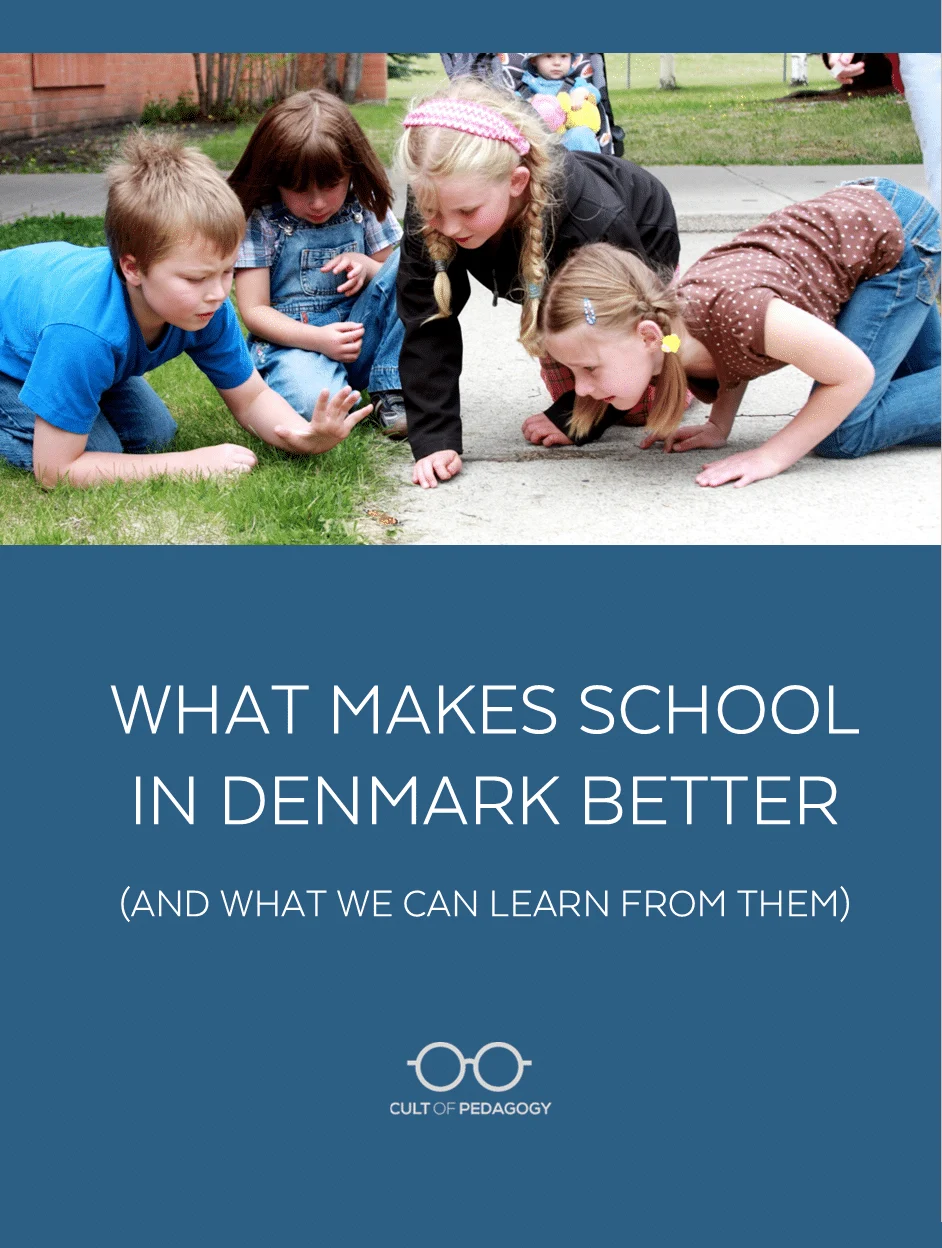
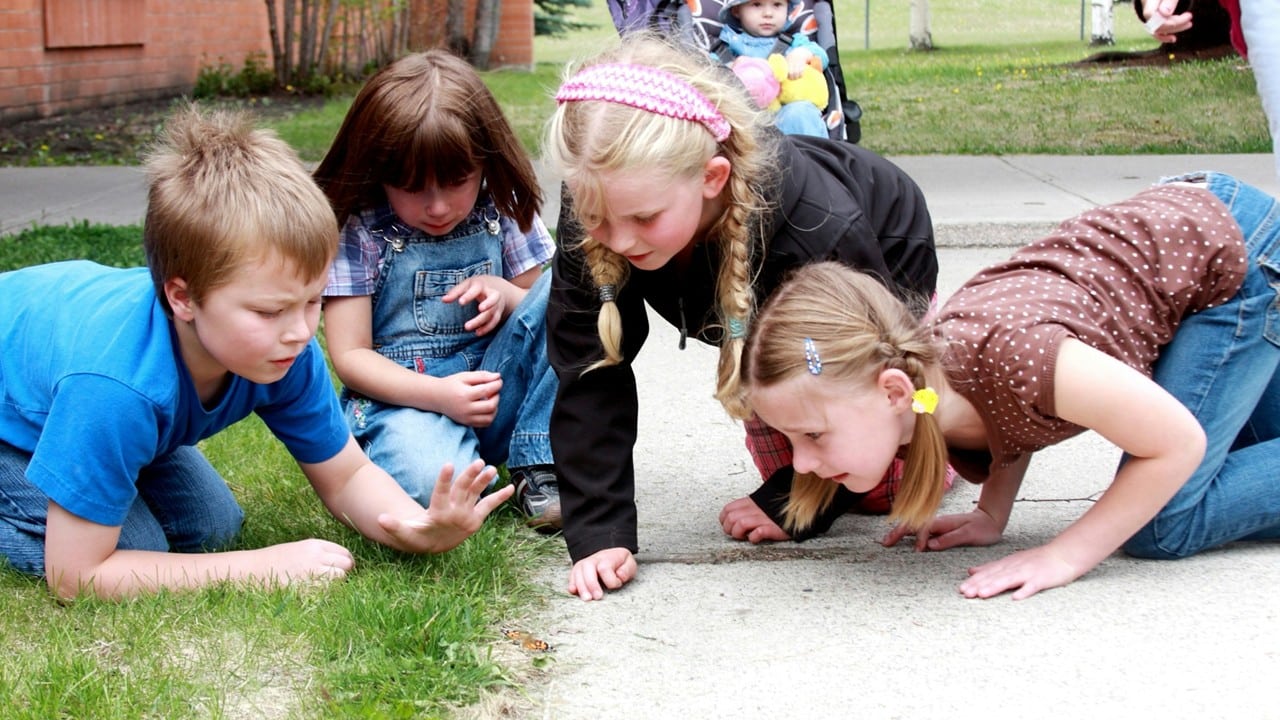
Design for Regulation, Not Control: The Danish school day is intentionally structured to support student regulation through ample movement, outdoor time, and unstructured play. Students go outside daily, regardless of weather, and "risky play"—like wrestling or climbing—is not only tolerated but encouraged within safe boundaries. Ripp describes designated "snowball-fight zones" where children can engage in boisterous play with the understanding of potential impacts, contrasting sharply with the often hyper-vigilant and highly structured play environments in many U.S. schools. Play is valued for its inherent developmental benefits, not solely for its academic justification. A principal’s reaction to a teacher taking students for cake and trampoline time at her home was "Oh, that’s so fun!"—not "What’s the learning objective?" This perspective recognizes the crucial role of play in cognitive, social, and emotional development, a concept supported by organizations like the American Academy of Pediatrics, which advocates for increased unstructured play time.
For U.S. schools, integrating more unstructured movement and outdoor time could involve longer recess periods, incorporating movement breaks that are not screen-based, and re-evaluating playground rules to allow for more physical, imaginative play. These changes often do not require significant financial investment but rather a shift in mindset regarding student behavior and the value of non-academic activities.
Less Homework, More Family Time: Homework in Danish elementary schools is minimal and purposeful. Ripp recalls a parent politely pushing back when she assigned books for a research project, stating, "I would like you to focus on what you’re doing in school—we’ve got the evenings covered." This cultural norm emphasizes that evenings are for family time, play, and other developmental activities, trusting that learning extends beyond formal assignments. This contrasts with the often heavy homework loads in the U.S., which can contribute to family stress and limit opportunities for extracurriculars or simple downtime. Research on homework effectiveness, particularly in elementary grades, often suggests diminishing returns for excessive assignments, reinforcing the Danish model’s pragmatic approach.
U.S. schools can critically evaluate the purpose of every homework assignment. Asking "Why does this homework exist, and what would actually be lost if I didn’t assign it?" can lead to significant reductions, protecting valuable family time and reducing student stress.
Student Voice as Integral, Not Extra: Rather than adding separate Social-Emotional Learning (SEL) lessons, Danish schools integrate student voice and community building through a regular "class hour." This dedicated time allows students to discuss real conflicts, navigate social situations, and learn how their choices affect others within a communal context. This practice inherently fosters self-regulation and a sense of collective responsibility. "Schools are for community and not for individualism in Denmark. You’re expected to be able to function within a community," Ripp states, highlighting a core philosophical difference.
U.S. schools can carve out regular class meeting times, untethered from specific curriculum objectives, to allow students space to discuss their experiences and collaborate on improving their school environment. Treating these discussions as core curriculum, rather than an "extra," can cultivate vital social-emotional skills organically.
Academic Rigor Without Relentless Pressure: Despite these seemingly relaxed approaches, Danish schools maintain high academic expectations without the intense, high-stakes pressure prevalent in many U.S. classrooms. Grades, for instance, typically don’t begin until seventh grade. Formal reading instruction often starts later, around the equivalent of second grade in the U.S., and entering kindergarten without knowing all letters is considered normal. Ripp has observed students she initially worried about in first grade blossoming into fluent readers by third grade, underscoring the belief in varied developmental timelines. The philosophy prioritizes "fewer things done better," allowing teachers the flexibility to slow down and delve deeper into topics when student engagement is high, rather than rigidly adhering to a schedule.
For U.S. educators, this translates into permission to "slow down on purpose." Even without explicit administrative permission, teachers can choose to go deeper on fewer topics, deliberately cutting elements from their curriculum. Ripp advises, "Pretend that you’ve been placed on just 80 percent time instead of full time… What would you have to cut from your schedule in order to only teach 80 percent? And then go back and do that. Cut that out." This strategy offers a pathway to reducing workload, fostering deeper learning, and recovering personal energy.
Implications for U.S. Education: A Path Forward
The Danish model, as articulated by Pernille Ripp, offers a compelling vision for educational reform that emphasizes trust, autonomy, well-being, and community. While cultural contexts differ, the underlying principles are transferable. The proposed changes are largely about subtraction—removing unnecessary mandates, reducing excessive homework, loosening restrictive policies—rather than adding new programs or requiring substantial financial investment. This makes them potentially more achievable, even at the individual school or classroom level.
Implementing these shifts would require a significant cultural change, moving away from a deficit-based model that often seeks to control and standardize, towards an asset-based model that trusts professional expertise and fosters intrinsic motivation. It would mean a re-evaluation of what truly constitutes "rigor" and "accountability," prioritizing deep learning and holistic development over superficial coverage and test scores. By empowering teachers and entrusting students with greater responsibility, U.S. schools could cultivate environments where educators thrive, and students develop into self-regulated, engaged, and compassionate learners.
Advice for U.S. Teachers: Embracing Grace and Purposeful Reduction
For individual teachers in the U.S. who may not have the authority to enact systemic changes, Ripp’s advice centers on personal agency and self-preservation. "I think my biggest thing is that I would give myself grace in good enough," she asserts. She encourages educators to purposefully slow down, critically examine their curriculum, and "cut things out, even kill the darlings." Involving students in discussions about what they find most meaningful can also guide these decisions. Ultimately, Ripp advises teachers to "forgive myself for doing less. That’s where I would start." This philosophy not only benefits the teacher’s well-being but can paradoxically lead to more impactful, student-centered learning experiences by allowing for greater depth and engagement.
Pernille Ripp’s insights from Denmark offer more than just a critique of the U.S. system; they provide a hopeful, actionable roadmap. By embracing the principles of trust, autonomy, and a focus on well-being, American educators and policymakers can begin to cultivate schools that are not only effective but also humane, sustainable, and truly enriching for every member of the learning community.