


The integration of entrepreneurial education into K-12 curricula is rapidly evolving, shifting from niche programs to a fundamental component of preparing students for a dynamic future. This approach aims to equip young learners with the skills, mindset, and practical experience necessary to not only succeed in the modern workforce but also to become creators of new opportunities. From hands-on business creation in high school incubators to foundational concepts introduced in elementary social studies, educational institutions are increasingly recognizing the value of fostering an entrepreneurial spirit from an early age.
A Holistic Approach to Entrepreneurial Learning
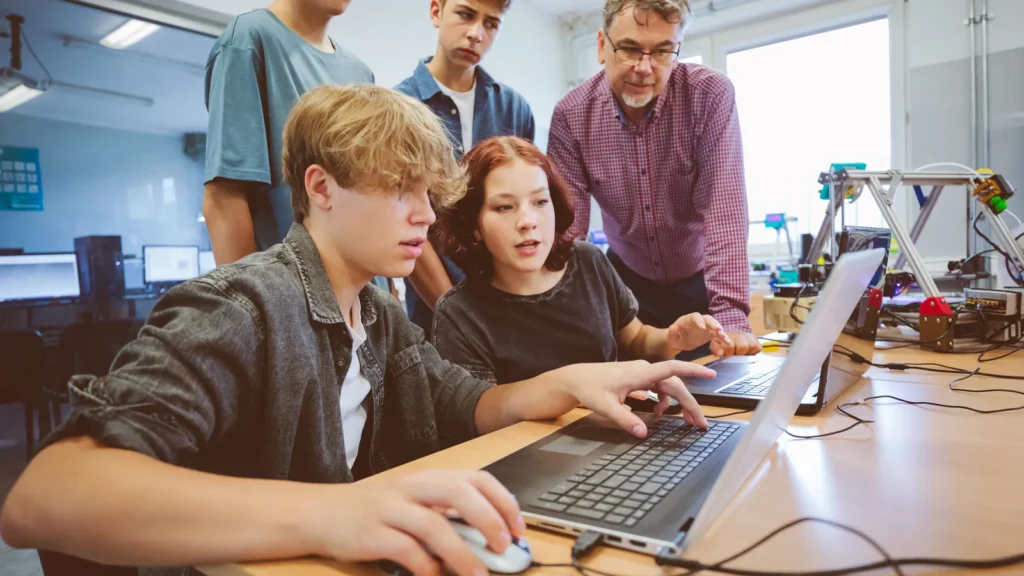
At Webster Groves High School, an innovative program called "Thrive" exemplifies this shift. This program goes beyond theoretical concepts, immersing students in the realities of starting and running actual businesses. "My students start real businesses, pay real taxes and earn real money," stated Siebe, a key figure in the program’s implementation. This practical application is reinforced through weekly meetings with industry mentors, site visits to established local businesses, and regular guest appearances by professionals such as certified public accountants. These interactions provide students with invaluable insights into the operational challenges and strategic decisions faced by entrepreneurs.
One tangible outcome of the Thrive program this year was the launch of a business focused on an organic spray designed to deodorize sports equipment. This venture was developed in partnership with a local organic soap company, further integrating the students’ learning with real-world industry collaborations. The development process itself became a powerful learning tool. "Oh my gosh, we’re using chemistry, we’re using measurements," students reportedly exclaimed, highlighting the immediate relevance of their academic subjects when applied to a tangible product. The process demanded that students research the necessary preservatives to ensure the spray’s safety and efficacy, preventing mold growth or toxicity. This hands-on application of scientific principles directly engaged the chemistry department, with students actively seeking out their chemistry teacher for guidance.
This anecdote underscores a critical benefit of entrepreneurial education: it provides a practical context that solidifies academic learning. Students who might have struggled to retain information from traditional classroom settings found that applying scientific knowledge to a real business need made the concepts stick. Siebe noted that students often realized they had already encountered the necessary information in class but hadn’t fully grasped its significance until they had a direct application for it. Consequently, teachers actively encourage students to participate in Thrive, recognizing its role in helping students forge meaningful connections between their academic studies and real-world applications.
A Graded Curriculum for Entrepreneurial Acumen
The commitment to cultivating entrepreneurial skills in Webster Groves is not confined to the high school level. The district has implemented a comprehensive, multi-grade strategy. Entrepreneurial education begins as early as third grade, integrated into the social studies curriculum. This foundational introduction likely focuses on basic concepts of trade, needs versus wants, and the roles of individuals in an economy.
Following this initial exposure, students in grades 4-6 have access to after-school programming specifically designed to build upon these early concepts. This extracurricular engagement allows for more in-depth exploration and hands-on activities outside the constraints of the regular school day. The progression continues into seventh and eighth grades with a dedicated course titled "Junior Thrive." This program serves as a crucial bridge, preparing students for the more intensive incubator environment they will encounter in high school. Junior Thrive likely introduces students to business planning, market research, and basic financial literacy, laying the groundwork for their future entrepreneurial endeavors.
Innovating Math and Science Education Through Entrepreneurship
The integration of entrepreneurship into core subjects is a key strategy for enhancing engagement and relevance. In ninth grade, Webster Groves offers an alternative algebra class called "Amped." This course reimagines the teaching of algebraic concepts by applying them directly to the challenges of running a business. This approach is particularly beneficial for students who are highly creative or who have Attention-Deficit/Hyperactivity Disorder (ADHD). Siebe observed that these students often disengage in traditional math classes because they struggle to see the practical utility of the concepts being taught. The Amped program aims to rectify this by demonstrating how algebraic principles are essential for tasks such as inventory management, profit and loss calculations, and pricing strategies.
The impact of such integrated learning extends to STEM education as well. VentureLab, an organization dedicated to fostering innovation and entrepreneurship, has been collaborating with the Scobee Education Center at San Antonio College in Texas. This partnership focuses on training teachers across grades 1-8 in science-related entrepreneurship. While VentureLab’s primary focus has historically been on elementary and middle school students, its reach is expanding.
Bridging the Gap to High School and Beyond
VentureLab recently organized a 1.5-day social impact challenge at Trinity University in San Antonio, specifically targeting high school students. This intensive event guided participants through the complete entrepreneurial journey, from the initial ideation phase to product development and the crucial skill of pitching their ideas to potential investors or stakeholders. The challenge culminated in a showcase where students presented their innovations to a panel of judges, with prizes awarded to outstanding projects. This type of event not only provides practical experience but also fosters a sense of accomplishment and encourages further pursuit of entrepreneurial ambitions.
The challenge of embedding entrepreneurial content into the existing school day is significant, as educators are often pressed to cover core curricula that are heavily influenced by standardized testing and other academic benchmarks. Recognizing this constraint, VentureLab has strategically shifted approximately 80% of its efforts towards after-school programs. This allows for more flexibility and creative integration of entrepreneurial concepts without directly competing with mandated academic time.
Empowering Educators to Foster Entrepreneurship
VentureLab’s approach to teacher training is also innovative. "We’re taking educators through the entrepreneurial mindset themselves," Glangchai, a representative from VentureLab, explained. This internal development equips teachers with the confidence and understanding needed to effectively guide their students. VentureLab provides educators with kits containing specific topics and activities that can be seamlessly integrated into existing classroom lessons. The goal is to simplify the process for teachers, enabling them to "overlay entrepreneurship into the topic they’re teaching."
The synergy between scientific inquiry and entrepreneurial thinking is a cornerstone of this approach. Glangchai draws a compelling parallel: "In science class, the scientific method examines how a process or natural phenomena is working. In the entrepreneurial setting, the question becomes, ‘How can we make this product for a person?’" This re-framing of scientific principles from observation to application resonates strongly with educators, making the integration of entrepreneurship feel less like an add-on and more like an extension of existing pedagogical frameworks.
A critical factor underpinning all of VentureLab’s initiatives is their alignment with industry needs. Glangchai emphasizes the importance of understanding "What does industry think is most important for their careers and skill sets for the future?" By focusing on skills that are in demand by the modern workforce, such as problem-solving, critical thinking, creativity, and adaptability, VentureLab ensures that its entrepreneurial education programs are not only engaging but also highly relevant and beneficial for students’ future career prospects. This forward-thinking approach to education is essential for preparing a generation of students who can not only adapt to change but actively drive it.
Broader Implications and Future Outlook
The widespread adoption of entrepreneurial education signals a paradigm shift in how we view the purpose of schooling. Beyond imparting knowledge, educational institutions are increasingly focused on developing essential life skills and fostering a proactive, solution-oriented mindset. The success of programs like Thrive and the efforts of organizations like VentureLab suggest that this trend is likely to continue and expand.
As more schools embrace entrepreneurship, we can anticipate several positive outcomes. Firstly, students will likely demonstrate increased engagement in their learning as they see the direct application of academic concepts to real-world challenges. This can lead to improved academic performance and a deeper understanding of subjects. Secondly, a generation of students with enhanced critical thinking, problem-solving, and creativity skills will emerge, better equipped to tackle complex global issues and contribute to economic growth.
Furthermore, the emphasis on social impact challenges within entrepreneurial education encourages students to think about how business can be a force for good, addressing societal needs and contributing to sustainable development. This integration of social responsibility into entrepreneurial endeavors is a crucial aspect of preparing future leaders.
The collaboration between educational institutions, community organizations, and industry professionals is also a vital component of this evolving landscape. These partnerships create a rich ecosystem of support, providing students with access to mentorship, resources, and real-world experiences that are invaluable for their development. As these programs mature and evidence of their long-term impact becomes more apparent, it is probable that entrepreneurial education will become an even more integral part of the K-12 educational experience across the nation, shaping a future where innovation and self-reliance are cornerstones of success.