



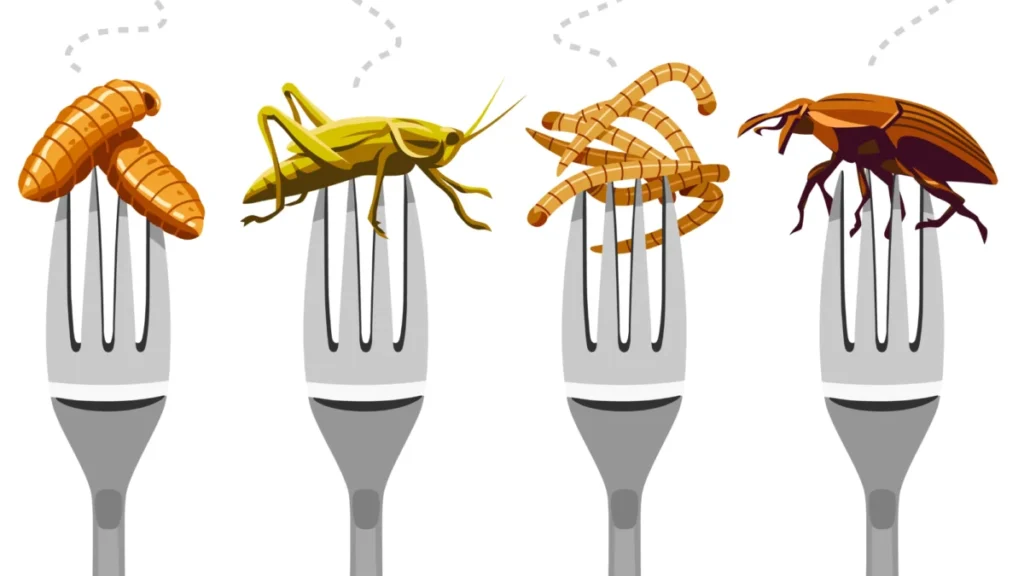
In a landmark investigation into the future of sustainable nutrition, researchers have discovered that consumers may be far more receptive to insect-based foods than previously assumed, even preferring them over traditional snacks when subjected to blind and informed taste tests. The study, recently published in the Journal of Neuroscience, Psychology, and Economics, utilized advanced physiological monitoring to bypass the self-reporting biases often found in consumer surveys. While Western societies have long maintained a cultural aversion to entomophagy—the practice of eating insects—this new evidence suggests that the "ick factor" may be a superficial barrier that evaporates upon actual consumption. As the global population hurtles toward an estimated 9.7 billion by 2050, the findings provide a critical data point for food scientists and policymakers seeking to address the looming protein gap through sustainable, low-impact alternatives.
Methodology and Physiological Monitoring
The research, conducted at the University of Beira Interior in Portugal, involved a cohort of 38 adults aged 18 to 55. A key criterion for participation was that none of the subjects had ever tasted insect-based products, ensuring the results reflected a true "first-contact" scenario with novel food sources. The study was meticulously designed to measure both conscious opinions and subconscious physical reactions. Participants first completed a comprehensive survey to gauge their existing knowledge, prejudices, and expectations regarding insect-based foods. This was followed by a controlled tasting session where subjects were given an insect-based protein bar and a standard cereal bar.
To look beyond the participants’ verbal feedback, the research team employed electrocardiography (ECG) to monitor heart rate variability and electroencephalography (EEG) to track brainwave activity. This neurological approach allowed researchers to measure "arousal" and "engagement"—physiological markers that indicate how the brain and body are truly responding to a stimulus, regardless of what the person might say. The study also incorporated a blind-test element: while some participants were correctly informed about the ingredients of the bars, others were told that the insect-based bar was a conventional cereal bar.
The Physiological Response: Arousal and Engagement
The data gathered from the EEG and ECG monitors revealed a striking pattern. Contrary to the expectation that eating insects would trigger a "disgust" response characterized by withdrawal or negative physiological stress, the participants showed significantly higher levels of engagement and attentiveness while consuming the insect protein bar. Heart activity increased during the tasting, which the researchers interpreted as a sign of heightened arousal and sensory focus.
Remarkably, these physiological spikes occurred even in participants who were unaware they were eating insects. This suggests that the sensory profile of the insect bar—its texture, flavor, and nutritional density—elicited a stronger positive biological response than the traditional cereal bar. The brain’s engagement suggests that the novelty and complexity of the insect-based protein were intellectually and sensorially stimulating rather than repulsive.
Overcoming the Psychological Barrier
The most significant finding of the study was the discrepancy between pre-test surveys and post-test preferences. Before the experiment, many participants expressed skepticism, doubt, and even mild anxiety about the prospect of eating bugs. However, when asked to rank their preference after the tasting, the majority of the group chose the insect protein bar over the cereal bar.
Lead author Andreia Ferreira, a PhD candidate at the University of Beira Interior, noted that the results were "very surprising" and contradicted much of the existing literature which suggests that Western consumers are inherently resistant to novel foods. The study indicates that the primary barrier to the adoption of insect protein is not the taste or the physical experience of eating it, but rather the preconceived notions held by the consumer before the food ever reaches their mouth. Once the "tasting threshold" is crossed, the physiological and sensory benefits of the product appear to outweigh cultural taboos.
The Nutritional and Environmental Context
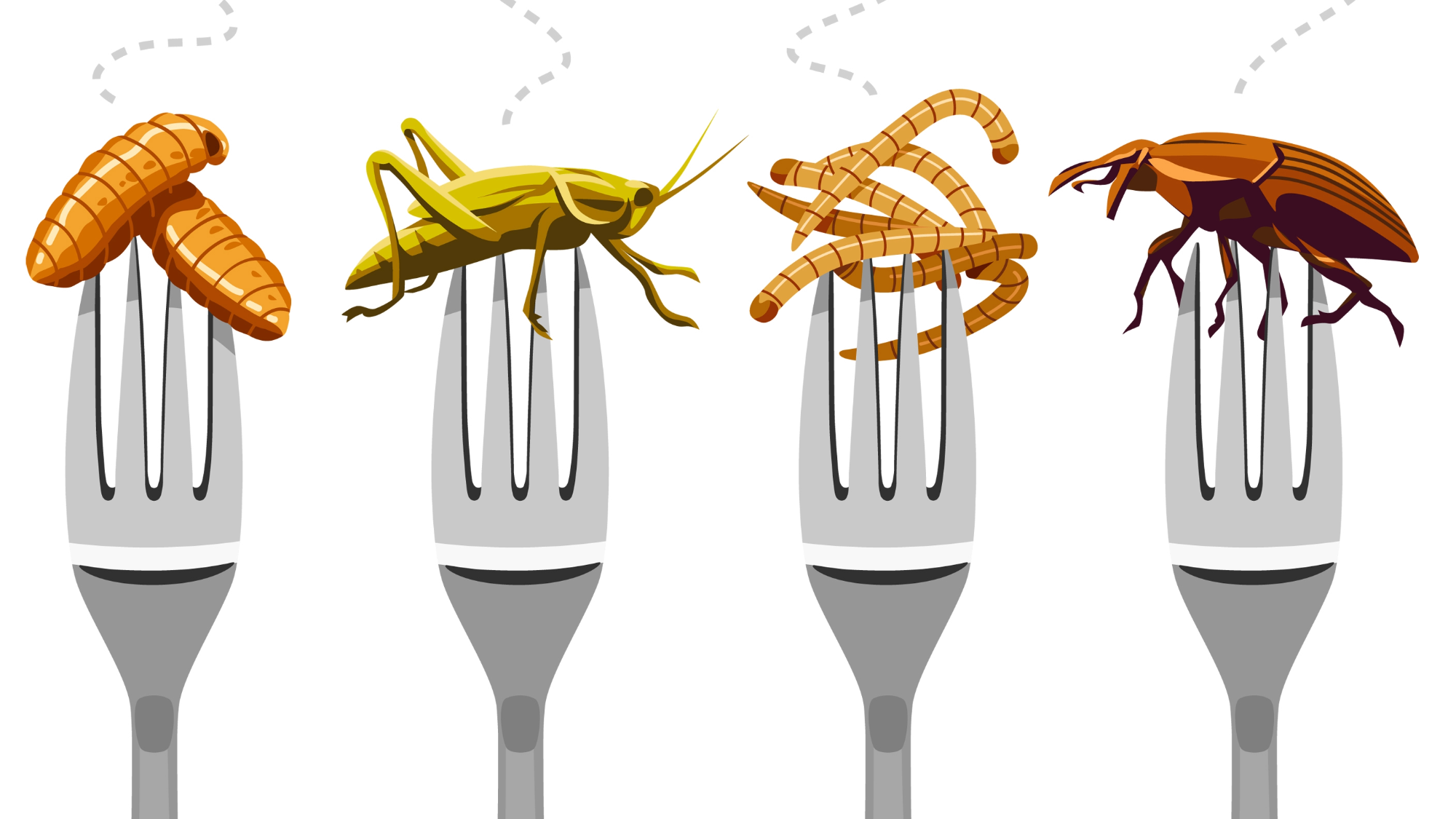
The shift toward insect protein is driven by a stark reality: traditional livestock farming is increasingly unsustainable. According to data from the Food and Agriculture Organization (FAO) of the United Nations, livestock is responsible for approximately 14.5% of global greenhouse gas emissions. In contrast, insects like crickets and mealworms require a fraction of the resources to produce the same amount of protein.
- Water Usage: Producing one kilogram of beef requires roughly 15,000 liters of water. In comparison, one kilogram of cricket protein requires less than one liter.
- Feed Efficiency: Crickets are roughly 12 times more efficient than cattle at converting feed into edible meat. They require significantly less land and can be raised on organic side-streams (food waste), contributing to a circular economy.
- Nutritional Density: Insect protein is often "complete," containing all nine essential amino acids. Crickets, for example, are approximately 65-70% protein by dry weight, compared to 20-30% for beef. They are also rich in B12, iron, and prebiotic fiber (chitin), which is not found in traditional animal proteins.
A Timeline of Entomophagy in the West
The integration of insects into the Western diet has followed a slow but accelerating trajectory over the last decade:
- 2013: The FAO publishes "Edible Insects: Future Prospects for Food and Feed Security," a seminal report that brought the benefits of insect consumption to the global mainstream.
- 2014-2016: The first wave of North American startups, such as Exo and Chapul, launch cricket-based energy bars, primarily targeting the "paleo" and fitness communities.
- 2021: The European Food Safety Authority (EFSA) concludes that dried yellow mealworms are safe for human consumption, marking a major regulatory milestone in the European Union.
- 2022-2023: Major retailers in the UK and Europe begin stocking insect-based snacks and flour on a limited basis.
- 2024: The University of Beira Interior study provides the first neurological evidence that consumers may actually prefer the taste and experience of insect protein over conventional snacks.
Broader Implications and Market Analysis
The global edible insect market is projected to reach a valuation of nearly $10 billion by 2030, growing at a compound annual growth rate (CAGR) of over 20%. This growth is being fueled by an increasing "flexitarian" population—consumers who are looking to reduce their meat intake for environmental or health reasons but are not ready to commit to a fully vegan diet.
The findings of the Portuguese study have profound implications for how these products should be marketed. Currently, many companies attempt to "hide" the insects by grinding them into fine powders or incorporating them into familiar formats like pasta or chips. However, the study’s data on heightened arousal and engagement suggests that the unique sensory experience of insect protein could be a selling point rather than a drawback.
"The results highlight the need for improved communication about insect-based food and its advantages," the researchers stated. They argued that because consumers become more accepting after a single positive tasting experience, the focus of the industry should shift from "stealth" integration to "experiential" marketing. Educational campaigns that emphasize the high protein quality and the "clean" nature of the production process could help bridge the gap between skepticism and first-time trial.
Challenges and Future Research
Despite the optimistic findings, challenges remain. The sample size of 38 participants is relatively small, and the study was conducted within a specific cultural context in Portugal. Researchers acknowledge that larger, cross-cultural studies are necessary to determine if these physiological reactions hold true across different demographics and regions. Furthermore, the cost of insect protein remains higher than that of soy or whey protein due to the lack of large-scale industrial infrastructure, though this is expected to change as the industry scales.
There is also the matter of allergenicity. Insects are arthropods, meaning individuals with shellfish allergies may have similar allergic reactions to crickets or mealworms. Clear labeling and consumer education will be paramount as these products move from niche health stores to mainstream supermarket shelves.
Conclusion: A New Frontier in Food Science
The study from the University of Beira Interior serves as a powerful reminder that human preferences are not static. By using neurological and physiological data, the researchers have shown that our bodies may be ready for the "protein transition" even if our cultural biases lag behind. The fact that participants not only tolerated but preferred the insect protein bar suggests that the future of food might be found in the very things we have spent centuries trying to keep out of our kitchens. As the world seeks to balance the demands of a growing population with the health of the planet, the humble insect may finally take its place as a staple of the modern diet.