



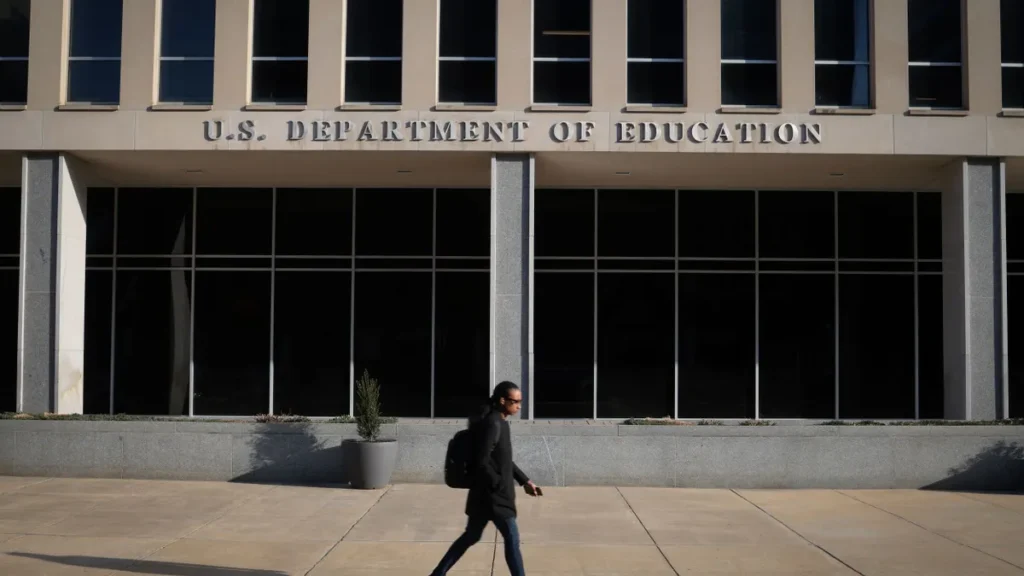
The U.S. Department of Education announced on June 16, 2026, a significant restructuring of key special education and civil rights enforcement activities, transferring certain responsibilities to other federal agencies. This strategic realignment, detailed in new interagency agreements, aims to dismantle bureaucratic hurdles and enhance the efficiency and effectiveness of service delivery to students and families. The most-clicked story of the week highlights this pivotal development, underscoring its broad implications for the education landscape.
The primary focus of this initiative involves the transfer of specific programs administered by the Office of Special Education and Rehabilitative Services (OSERS) to the U.S. Department of Health and Human Services (HHS). Concurrently, a portion of the investigative and enforcement duties previously handled by the Office for Civil Rights (OCR) will now fall under the purview of the U.S. Department of Justice (DOJ). Officials at the Department of Education have articulated that these moves are designed to foster greater collaboration between agencies, leverage specialized expertise, and ultimately provide a more cohesive and responsive support system for individuals with disabilities and those protected under civil rights laws.
Background and Rationale for the Reorganization
The decision to undertake this reorganization stems from a prolonged period of evaluation concerning the operational efficiency and accessibility of federal education programs. For years, stakeholders have voiced concerns about the complexity of navigating federal agencies and the potential for duplicated efforts or gaps in service provision. The current administrative structure, while historically established, has been increasingly scrutinized for its potential to create layers of bureaucracy that can slow down processes and create barriers for the very individuals these programs are intended to serve.
OSERS, established to ensure that all children with disabilities have the opportunity to receive a high-quality education, oversees a broad range of programs authorized by the Individuals with Disabilities Education Act (IDEA). These include grants for state and local education agencies, research initiatives, and technical assistance centers. The transfer of certain OSERS functions to HHS, an agency with extensive experience in health and human services, is intended to create synergies with programs that address the comprehensive needs of individuals with disabilities, including health, rehabilitation, and social support services. This integration aims to provide a more holistic approach to supporting students from early childhood through adulthood.
Similarly, the Office for Civil Rights (OCR) plays a crucial role in enforcing federal civil rights laws that prohibit discrimination in education on the basis of race, color, national origin, sex, disability, and age. Its responsibilities include investigating complaints and resolving violations through compliance agreements and, in some cases, legal action. By transferring some of OCR’s enforcement activities to the Department of Justice, the Education Department seeks to benefit from the DOJ’s broader legal authority and established investigative frameworks, particularly in areas that may intersect with broader civil rights enforcement across various sectors. This collaboration is expected to strengthen the government’s ability to address systemic discrimination and ensure equitable access to educational opportunities.
Timeline of the Transition
While the announcement was made on June 16, 2026, the implementation of these interagency agreements will be a phased process. The official press release from the Department of Education indicated that the transitions would begin immediately, with full operational integration expected over the next 12 to 18 months.
- June 16, 2026: The U.S. Department of Education formally announces the new interagency agreements and the transfer of specific responsibilities.
- July 2026 – December 2026: Initial phases of transition planning and coordination between the Department of Education, HHS, and DOJ. This period will involve detailed mapping of program responsibilities, identification of key personnel, and the development of operational protocols.
- January 2027 – June 2027: Phased transfer of specific program operations and case management responsibilities. This will likely involve joint training sessions for staff in all involved agencies and the establishment of new communication channels.
- July 2027 onwards: Full operational integration is anticipated, with ongoing monitoring and evaluation to ensure the effectiveness of the new structure. The Department of Education will maintain oversight of overarching federal special education and civil rights policy, even as specific enforcement and programmatic functions are managed by partner agencies.
Supporting Data and Previous Initiatives
This move is not an isolated event but rather a continuation of broader federal efforts to improve interagency collaboration and streamline government operations. Previous administrations have also explored ways to consolidate or coordinate services to enhance efficiency. For instance, initiatives under the Obama administration aimed to improve coordination between the Department of Education and the Social Security Administration to better support young adults with disabilities transitioning out of school.
The need for such alignments is often underscored by statistics that highlight the challenges faced by vulnerable student populations. According to recent data, approximately 14% of all public school students in the United States receive special education services, representing a significant demographic that relies on federal programs for support. Furthermore, civil rights complaints filed with the Department of Education continue to highlight persistent issues of inequity in educational access and treatment across various demographic groups.

Official Statements and Reactions
Secretary of Education Miguel Cardona, in a statement accompanying the announcement, emphasized the department’s commitment to serving all students. "Our goal is simple: to ensure every child receives the high-quality education they deserve, free from discrimination and supported by efficient, effective federal programs," Cardona stated. "By partnering with HHS and DOJ, we are not diminishing our commitment to special education and civil rights; we are strengthening it. We are leveraging the unique strengths of each agency to create a more seamless and responsive system for students, families, and educators."
A spokesperson for the Department of Health and Human Services echoed this sentiment, noting the natural alignment of some special education support services with HHS’s existing health and human services mandates. "This collaboration will allow us to provide more comprehensive support to individuals with disabilities throughout their lives, from early intervention to adult services," the HHS spokesperson commented.
The Department of Justice, through its Assistant Attorney General for Civil Rights, also expressed readiness to collaborate. "The Department of Justice is committed to upholding civil rights for all Americans," the statement read. "We look forward to working closely with the Department of Education to ensure robust enforcement of anti-discrimination laws in our nation’s schools."
While the primary focus of the announcement was on the transfers, the Department of Education also provided a "Number of the Week" feature, illustrating another instance of impactful educational initiatives. Prince George’s County Public Schools in Maryland is renovating 48 school libraries between July 2025 and August 2026. This ambitious project, benefiting approximately 26,000 students and 12,000 educators, was facilitated through partnerships with nonprofits and philanthropic organizations. This highlights a trend of community and private sector involvement in enhancing educational infrastructure, a model that could potentially complement federal efforts.
Broader Impact and Implications

The long-term implications of this reorganization are multifaceted. On one hand, proponents anticipate a more streamlined experience for families seeking support or reporting discrimination. By consolidating certain functions, the federal government aims to reduce the likelihood of individuals falling through the cracks or facing redundant application processes. The integration of special education services with HHS could also lead to more holistic support for students with complex needs, addressing not only their educational requirements but also their health and social-emotional well-being.
However, potential challenges include ensuring smooth transitions of staff and resources, maintaining consistent enforcement standards across different agencies, and effectively communicating the changes to the public. There will likely be a period of adjustment as staff in all three departments adapt to new roles and responsibilities. Ensuring that federal mandates are interpreted and enforced uniformly will be critical.
Furthermore, this move could signal a broader trend towards greater interagency collaboration within the federal government, as agencies seek to optimize their resources and impact. The success of these agreements will likely be measured by tangible improvements in service delivery, reduction in complaint resolution times, and increased satisfaction among the populations served by these critical federal programs. The Department of Education has committed to regular public reporting on the progress of these transitions, ensuring transparency and accountability. The coming months will be crucial in observing how these structural changes translate into improved outcomes for students and families nationwide.