
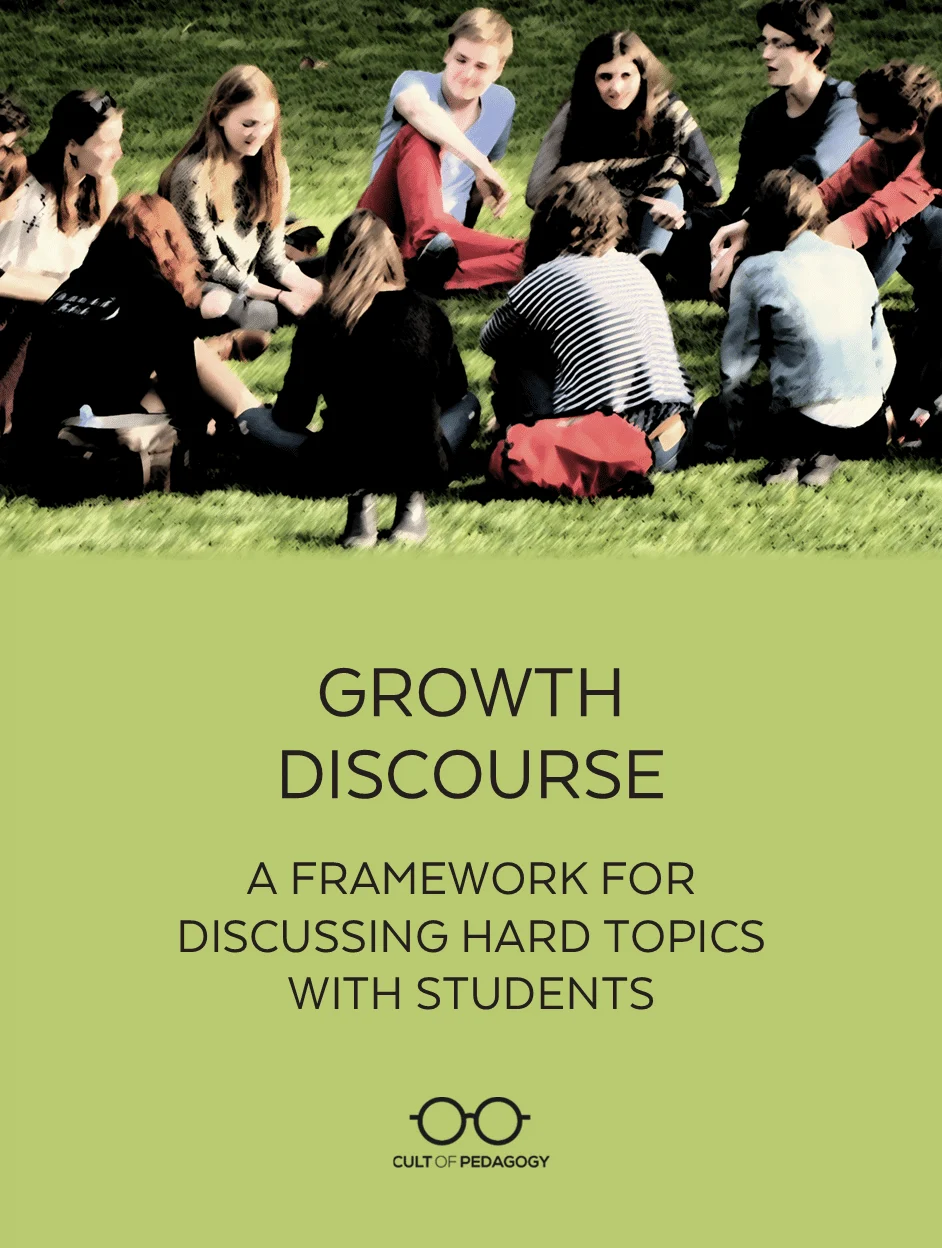
In an era increasingly characterized by entrenched divisions and fraught communication, the capacity for productive dialogue has become an indispensable skill, particularly for the next generation of leaders. The simple act of holding a differing opinion, once a cornerstone of intellectual exchange, has morphed into a societal minefield, frequently leading to emotional outbursts, fractured relationships, and a pervasive sense of disunity. This concerning trend has prompted educators and thought leaders to seek innovative solutions, and one promising approach emerging from the School for Ethics and Global Leadership (SEGL) is its "growth discourse" framework. This model, championed by SEGL founder and Head of School Noah Bopp, offers a structured method for high school students to navigate complex, emotionally charged topics with honesty, courage, and a commitment to personal and collective growth.
The Urgent Need for Productive Dialogue in a Polarized World
The challenges to civil discourse are stark and pervasive. Recent studies and surveys consistently highlight a growing chasm in public opinion, fueled by social media echo chambers, partisan news consumption, and a general erosion of trust in institutions. For instance, data from organizations like the Pew Research Center frequently illustrate increasing political polarization, with fewer Americans holding moderate views and greater animosity toward those with opposing perspectives. This societal climate inevitably trickles down into educational environments, presenting significant hurdles for teachers attempting to foster open discussion on critical global issues, social justice, or even historical events. Many educators report hesitancy among students to voice opinions for fear of backlash, misinterpretation, or social ostracization, effectively stifling the very intellectual curiosity and critical thinking that education aims to cultivate.
The traditional concept of "civil discourse," while valuable, often falls short in addressing the deep-seated emotional and identity-based aspects of contemporary disagreements. As Bopp articulates in a recent interview with the Cult of Pedagogy, civil discourse sometimes implies merely "being nice to each other," which can inadvertently sidestep the core issues or suppress genuine engagement. What is needed, he argues, is a framework that actively challenges participants to grow, even when uncomfortable, and to engage with viewpoints that might fundamentally diverge from their own. This is where growth discourse distinguishes itself, shifting the focus from mere politeness to profound personal and intellectual development.
SEGL: A Pioneer in Ethical Leadership Education
The School for Ethics and Global Leadership (SEGL), founded by Noah Bopp in 2009, was established with a clear mission: to convene and mentor high school juniors from across the United States who possess diverse values, viewpoints, experiences, and identities. This semester-long residential program is meticulously designed to immerse students in a curriculum emphasizing ethical thinking skills, leadership development, and international affairs. The ultimate goal is to equip these young individuals to become agents of positive change in a complex world. From its inception, SEGL recognized that achieving this mission required more than just academic rigor; it demanded a foundational approach to dialogue that could transform potential conflict into opportunities for profound learning.
The development of growth discourse at SEGL was not an overnight process but rather an organic evolution stemming from the school’s commitment to tackling challenging subjects head-on. The framework emerged from a deep understanding of the psychological and social dynamics at play when individuals with differing beliefs attempt to communicate. Recognizing the "heavy role our emotions and vulnerability play," SEGL’s approach was crafted to acknowledge these factors while simultaneously prioritizing the courage and honesty necessary to advance difficult conversations. The framework’s simplicity and straightforwardness also make it highly adaptable, suggesting its potential for replication in various educational settings beyond SEGL’s specialized program.
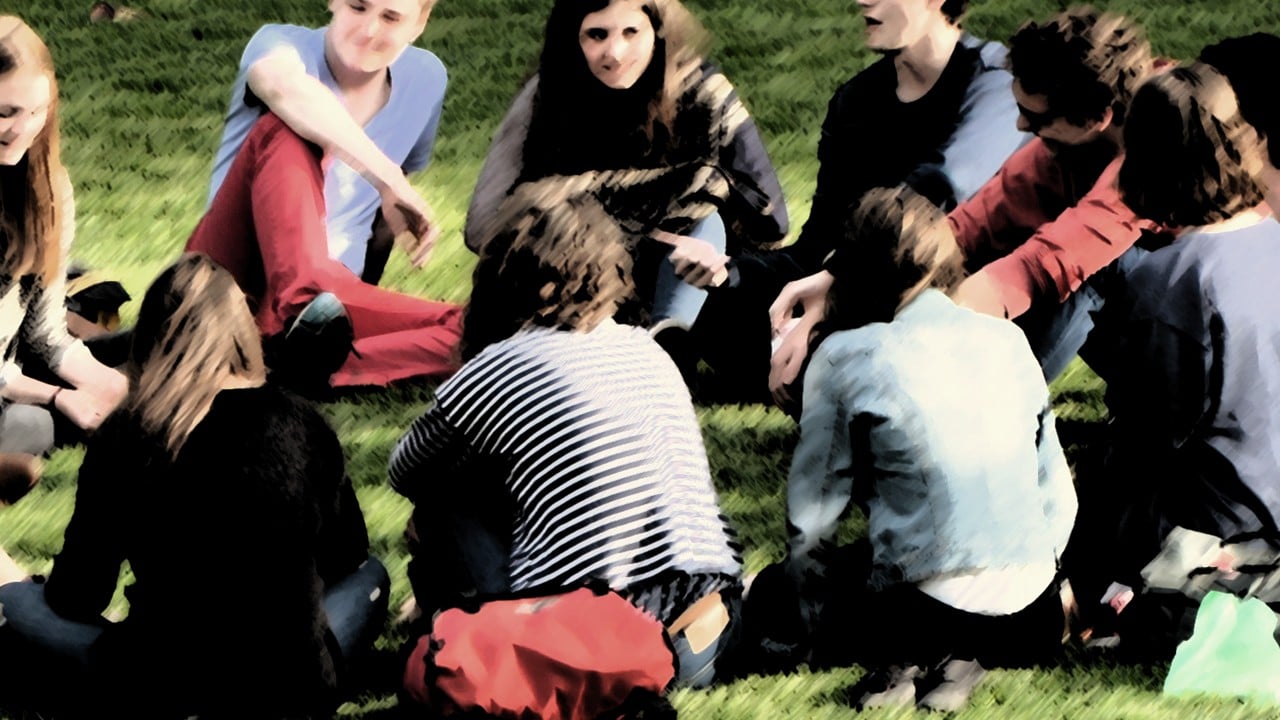
Growth Discourse: A Philosophy Beyond Neutrality
A critical aspect of SEGL’s growth discourse is its nuanced stance on neutrality. Bopp clarifies, "SEGL is nonpartisan. SEGL is not neutral." This distinction is paramount. While the school does not endorse a particular political party or ideology, it firmly rejects "bothsidesism" – the practice of presenting demonstrably false or harmful viewpoints as equally valid as evidence-based ones. For example, Bopp states that SEGL would not entertain a debate on the reality of the Holocaust or climate change, as these are settled by overwhelming historical and scientific consensus.
Instead, the framework is applied to topics where "reasonable, educated people are disagreeing." In such instances, SEGL equips students with critical thinking skills to evaluate arguments rigorously. The emphasis is on teaching how to think, not what to think. This pedagogical approach is designed to inoculate students against manipulation by demagogues, who exploit emotional appeals and logical fallacies. By fostering independent critical thought, SEGL aims to cultivate individuals who can discern truth, weigh evidence, and form their own informed judgments, rather than passively accepting pre-packaged ideologies. This intellectual rigor is a cornerstone of responsible leadership and active citizenship.
The Foundational Principles of Growth Discourse
The growth discourse model is built upon several core principles designed to create an environment where challenging conversations can flourish without devolving into hostility or unproductive gridlock.
-
Begin with Belonging: Before any student can engage authentically in a difficult conversation, they must first feel secure and valued within the community. SEGL achieves this by explicitly stating the importance of belonging, integrating it into their discourse guidelines, and conducting activities that encourage students to share their personal identities and histories. This intentional fostering of an inclusive environment is reinforced by ensuring a diverse student body and faculty, representing a wide spectrum of backgrounds and viewpoints. Bopp explains that a homogeneous group struggles with complex topics like immigration policy because similar views lead to exclusion. A diverse environment, where all voices are shown to belong, reduces apprehension and encourages open expression.
-
Value Intent and Impact: Conversations about sensitive issues often involve a delicate balance between a speaker’s intentions and the actual impact of their words. The growth discourse model insists that both are crucial. Dismissing the harm caused by one’s words with a simple "that wasn’t my intent" is insufficient; it necessitates reflection on the impact regardless of intention. Conversely, assigning malicious motives to a speaker solely based on one’s emotional reaction, without curiosity or reflection, is equally problematic. This principle encourages empathy, self-awareness, and a commitment to understanding both sides of the communication dynamic. It moves participants beyond a blame game towards constructive dialogue about how to communicate more effectively and compassionately.
-
Avoid Echo Chambers: Human nature often draws individuals towards those who share similar beliefs and identities, leading to the formation of "echo chambers." While these spaces can provide comfort and validation, exclusive reliance on them can severely limit intellectual and personal growth. SEGL’s growth discourse encourages students to step out of these comfort zones. The goal of seeking out like-minded individuals is not to disengage from broader discourse but to strategize how to re-engage with different perspectives. This principle actively promotes intellectual humility and the understanding that true growth often comes from encountering and grappling with unfamiliar or challenging ideas.

The STAR Model for Critical Engagement
Complementing these foundational principles, SEGL integrates a critical thinking model known as STAR, adapted from Harvard’s Project Zero Thinking Routines. This structured approach guides students through a process of deep understanding before making judgments, ensuring that conclusions are well-reasoned and actions are deliberate.
-
SEE: This initial phase emphasizes comprehensive observation and information gathering. Students are encouraged to "see something as fully as you can before you decide what to think about it." Key questions in this stage include: "What can I see? What can I understand before I judge? What do the experts say? What voices are missing from this conversation? How can we find those voices?" This stage demands intellectual humility and a commitment to gathering all pertinent information, including diverse perspectives and expert analyses, before forming an opinion.
-
THINK: After thoroughly seeing and understanding the situation, students move to the "think" phase, where they form their own informed judgments. This involves synthesizing the gathered information and deciding: "What do I think about this situation? Is it good? Is it bad? Is it right? Is it wrong?" This is where critical analysis comes into play, applying ethical frameworks and logical reasoning to arrive at a considered opinion.
-
ACT: This is a significant addition by SEGL to the Project Zero framework, reflecting the school’s emphasis on leadership. Once a judgment is formed, leaders must decide on a course of action. "As leaders, we have to decide what to do, how to act," Bopp explains. This could involve making a vote, taking a stand on a moral dilemma, or choosing between honesty and loyalty. This stage instills a sense of responsibility, linking thought directly to tangible engagement with the world.
-
REFLECT: The final stage involves a critical evaluation of the action taken. "We want to reflect on what we just did. Did we like it? Did we not like it? What was the response that we got? What might we do next time?" The beauty of this model lies in its cyclical nature: the insights gained from reflection feed back into the "SEE" phase, informing future approaches to similar situations and fostering continuous learning and adaptation.
Practical Implementation for Educators
For teachers interested in implementing growth discourse in their own classrooms, Noah Bopp offers three actionable recommendations, emphasizing accessibility and a gradual approach:

-
Start Small: Educators don’t need to tackle the most contentious national issues immediately. Begin with less emotionally charged topics or classroom-specific dilemmas to build foundational skills and trust. This could involve discussing a character’s ethical choices in a novel, a historical event’s multiple interpretations, or even a hypothetical school policy. Gradually, as students become more comfortable with the framework and each other, the complexity of the topics can increase.
-
Be Transparent About Intentions: Clearly communicate the purpose of growth discourse to students. Explain that the goal is not to debate for the sake of winning, but to learn, understand, and grow through diverse perspectives. Explicitly outline the guidelines, such as valuing both intent and impact, and the steps of the STAR model. This transparency builds trust and sets clear expectations for engagement.
-
Embrace Vulnerability: Teachers must model the behavior they wish to see. This means being willing to admit when they don’t have all the answers, when they’ve made a mistake, or when their own perspectives have been challenged and shifted. A teacher’s vulnerability creates a safe space for students to be vulnerable themselves, fostering a genuine spirit of inquiry and open-mindedness. This leadership by example is crucial for cultivating an environment of psychological safety where authentic growth discourse can thrive.
The Optimistic Outlook: Education as an Unveiling of Goodness
Despite the current climate of division, Noah Bopp remains profoundly optimistic about humanity’s capacity to navigate these challenges. He invokes Plato’s assertion from The Republic: "Education is not about putting sight into blind eyes." Bopp interprets this to mean that the "power to learn is already present in the soul of the learner." The role of the effective educator, therefore, is not to implant knowledge or dictate thought, but to "give the learner places to look and questions to ask."
By presenting students with the complex challenges facing the world today ("places to look") and providing them with timeless ethical questions that transcend culture, time, and language ("questions to ask"), Bopp believes that "the goodness that is already present in the learner will be uncovered." This fundamental belief in the inherent goodness of every human being, though perhaps perceived by some as naive, serves as a powerful guiding principle for educators at SEGL and offers a hopeful vision for fostering understanding and collaboration in an increasingly fragmented world. It underscores the profound impact that thoughtful, intentional educational frameworks like growth discourse can have on shaping future leaders and citizens committed to positive change.
The growth discourse framework, as practiced and refined at SEGL, represents a vital pedagogical innovation for the 21st century. It provides a robust, ethical, and practical pathway for educators to address the urgent need for productive dialogue, equipping students not just with critical thinking skills, but with the courage, empathy, and integrity required to bridge divides and build a more cohesive society. For educators seeking to implement this transformative approach, SEGL faculty are available for support through their website or direct email to Noah Bopp. This commitment to sharing their methodology underscores the broader implications of growth discourse: its potential to cultivate a generation capable of thoughtful engagement, ethical leadership, and genuine human connection.