


The modern corporate environment is built upon a foundation of perceived efficiencies, many of which are rooted more in managerial tradition and cost-cutting measures than in psychological or physiological reality. As organizations globally strive to optimize output in an increasingly competitive landscape, a significant disconnect has emerged between popular "productivity hacks" and the empirical data provided by cognitive scientists and organizational psychologists. For decades, the pursuit of maximum output has led to the adoption of three specific practices: the promotion of multitasking, the implementation of open-plan offices, and the reliance on group brainstorming sessions. However, a rigorous analysis of longitudinal studies and experimental data suggests that these three pillars of the modern workplace may actually be detrimental to the very goals they aim to achieve.
The Cognitive Cost of Multitasking
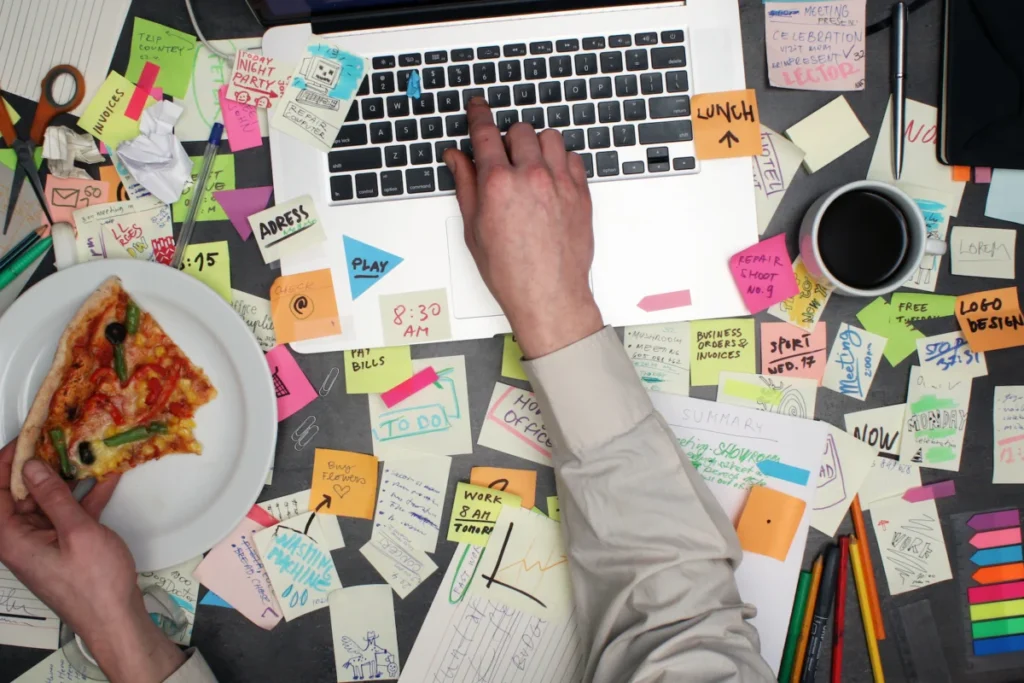
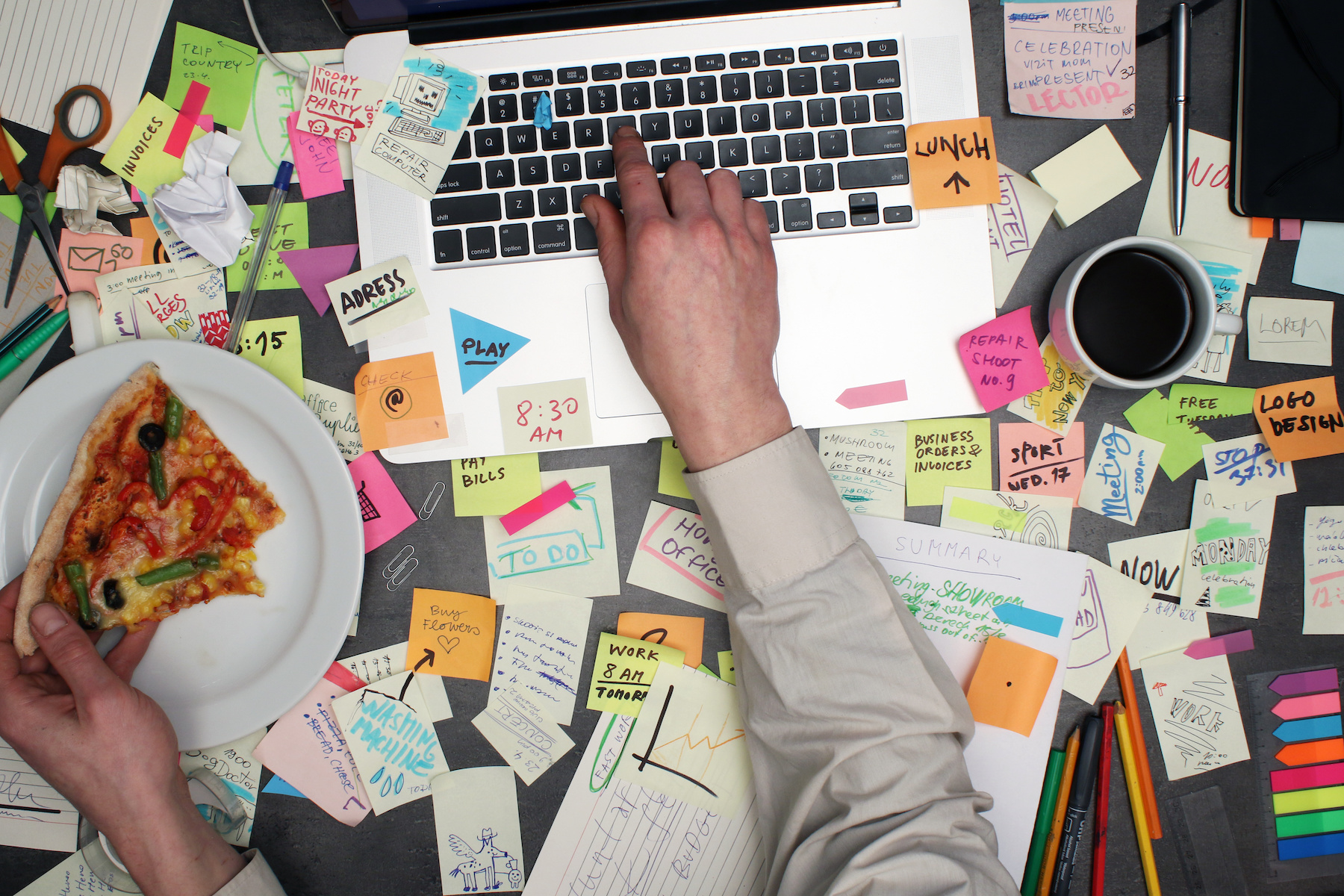
For years, the ability to "multitask" was championed as a vital skill for the high-performing professional. The image of an employee managing a conference call while responding to emails and updating a spreadsheet became the archetype of efficiency. Yet, neurological research consistently demonstrates that the human brain is not architecturally designed for simultaneous high-level processing. Instead of performing multiple tasks at once, the brain engages in "context switching," rapidly oscillating between different cognitive demands.
According to the American Psychological Association (APA), this switching process incurs a "switch cost." Even if these costs are measured in mere tenths of a second, they accumulate rapidly. Research indicates that multitasking can reduce a person’s productivity by as much as 40%. A seminal 2001 study published in the Journal of Experimental Psychology by researchers at the Federal Aviation Administration (FAA) and the University of Michigan highlighted this phenomenon. The study tested subjects on varying tasks, ranging from visual pattern classification to complex mathematical equations. The findings were definitive: as the complexity of the tasks increased, the time lost to switching grew exponentially. Furthermore, switching between a familiar task and a novel one proved even more taxing on the subjects’ executive functions.
The long-term effects of chronic multitasking are equally concerning. A 2009 study from Stanford University, published in the Proceedings of the National Academy of Sciences, examined "heavy media multitaskers"—individuals who regularly consume multiple streams of information simultaneously. The researchers found that these individuals were actually worse at task-switching than their "light multitasker" counterparts. The heavy multitaskers were more easily distracted by irrelevant information and struggled to filter out "noise" from their environment. This suggests that rather than training the brain to be more efficient, chronic multitasking may actually degrade the cognitive ability to focus and prioritize.
The Open Office Paradox and Social Withdrawal
Perhaps no workplace trend has been as widely adopted—and as deeply resented—as the open-plan office. Originally popularized by Silicon Valley tech giants in the early 2000s, the design was marketed as a way to "break down silos," encourage spontaneous collaboration, and foster a more egalitarian company culture. By removing physical barriers like walls and cubicles, management hoped to create a "collision" of ideas.

However, the data suggests that these "collisions" rarely result in productive collaboration. A landmark 2018 study published in Philosophical Transactions of the Royal Society by Harvard researchers utilized wearable sensor badges to track the interactions of employees transitioning from a traditional office to an open-plan layout. The results were counterintuitive: face-to-face interactions did not increase; they plummeted by approximately 70%. Simultaneously, the use of electronic communication, such as email and instant messaging, surged.
This phenomenon is often referred to as the "Fourth Wall" effect. In an environment where everyone is visible, employees often feel a heightened sense of surveillance and a lack of psychological safety. To compensate, they "socially withdraw," using headphones or intense gazes at their screens to signal unavailability. The open office, designed to foster connection, instead creates a sterile environment of digital isolation.
Beyond the social implications, the physical impact of open offices on worker health and focus is significant. A 2021 review by the University of Adelaide found that open-plan designs are consistently associated with negative health outcomes, increased stress levels, and lower overall job satisfaction. The primary culprit is noise pollution. In a traditional office, the ambient noise level is manageable; in an open office, the "cocktail party effect"—where the brain struggles to filter out multiple competing conversations—leads to cognitive fatigue. While management may see significant real estate savings by packing more employees into a smaller square footage, these gains are often offset by the intangible costs of burnout, absenteeism, and diminished output.
The Brainstorming Bottleneck: Why Groups Fail to Innovate
The concept of "brainstorming" was introduced by advertising executive Alex Osborn in the 1940s. He posited that a group of people could generate more and better ideas by following a set of rules: deferring judgment, aiming for quantity over quality, and building on the ideas of others. This method became the gold standard for creative problem-solving in corporate boardrooms worldwide.
However, scientific scrutiny of group brainstorming began as early as the 1950s, and the results have been consistently underwhelming. A 1958 paper in Administrative Science Quarterly revealed that individuals working alone produced a higher number of unique and high-quality ideas than groups of four people working together. This finding has been replicated in various formats over the decades, including a 1987 study from the University of Tübingen in Germany, which confirmed that "nominal groups" (individuals working separately and then pooling their ideas) significantly outperformed "interacting groups."
Psychologists point to several reasons for this "productivity loss" in brainstorming groups:
- Production Blocking: In a group, only one person can speak at a time. While one person is talking, others may forget their ideas or lose interest in contributing.
- Evaluation Apprehension: Despite the "no judgment" rule, participants often fear being judged by their peers or superiors, leading to self-censorship.
- Social Loafing: In a group setting, some individuals may feel less personal responsibility for the outcome and contribute less effort than they would if working solo.
The transition to digital work has not solved this issue. A 2022 study published in Nature by researchers at Columbia and Stanford Universities compared in-person brainstorming to video-conferencing sessions. The study found that virtual interaction comes with a distinct cognitive cost. Because video calls require participants to focus intensely on a screen, their visual field is narrowed, which in turn narrows their "cognitive focus." This inhibits the expansive, divergent thinking required for creative idea generation. While video calls are effective for coordination and execution, they appear to be a barrier to genuine innovation.
A Chronology of Workplace Trends vs. Scientific Discovery
The evolution of these productivity myths follows a distinct timeline, often driven by economic pressures rather than human-centric design:
- 1940s-1950s: The rise of "Scientific Management" and the introduction of Osborn’s brainstorming. Early studies already began to question group efficiency.
- 1960s: The "Action Office" (the precursor to the cubicle) was designed to give workers autonomy and privacy.
- 1980s-1990s: The "Cubicle Farm" became the corporate standard, initially intended for privacy but eventually used to maximize density.
- 2000s: The "Open Office" revolution began in the tech sector, driven by the desire for "agile" environments.
- 2010s: Multitasking reached its peak with the proliferation of smartphones and Slack, despite mounting evidence of "switch costs."
- 2020s: The COVID-19 pandemic forced a shift to remote work, highlighting the inefficiencies of virtual brainstorming while simultaneously proving that many workers are more productive when given the privacy of a home office.
Management Implications and the Path Forward
The persistence of these myths in the face of contradictory evidence suggests a systemic issue in corporate management. Open offices and group brainstorming sessions are often retained because they are easier to manage and quantify from a budgetary perspective. It is simpler to lease a large, open floor plan than to build individual offices. It is easier to schedule a one-hour brainstorming meeting than to allow employees three days of "deep work" to solve a problem individually.
However, the data suggests that a paradigm shift is necessary for organizations that prioritize actual innovation over the appearance of activity. To foster true productivity, experts suggest:
- Prioritizing Deep Work: Encouraging "monotasking" by designating blocks of time for focused, uninterrupted work.
- Hybrid Office Design: Moving away from entirely open plans toward "activity-based" offices that provide private pods for focus and communal areas for social interaction.
- Nominal Group Techniques: Replacing traditional brainstorming with "brainwriting," where individuals generate ideas in silence before sharing them with the group to be refined.
The broader implications for the global economy are significant. As we move further into a knowledge-based economy, the "cognitive bandwidth" of employees becomes an organization’s most valuable asset. Continuing to subject that asset to the friction of multitasking, the stress of open offices, and the inefficiency of group-think is not just a management error; it is a fundamental economic waste. As the research continues to mount, the companies that thrive will likely be those that align their workplace practices with the biological realities of the human brain rather than the convenient myths of the past.