



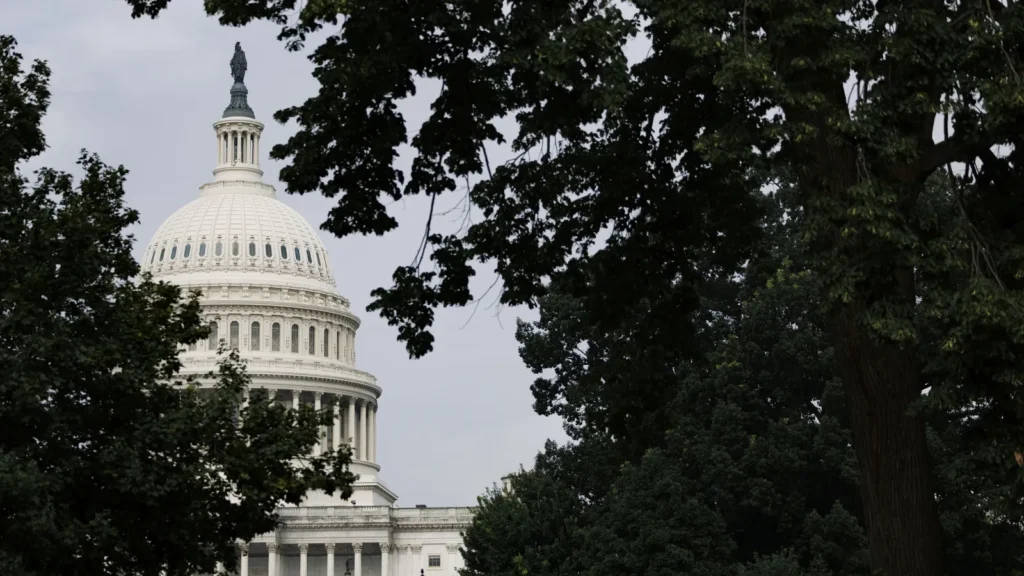
Washington D.C. – A significant legislative push to bolster online protections for minors advanced in the U.S. House of Representatives on June 29, 2026, with the approval of the Kids Internet and Digital Safety Act (KIDS Act). The bill, which passed by a 267-117 vote, seeks to update existing privacy laws and introduce new safeguards for children and teenagers navigating the increasingly complex digital landscape. However, a critical debate is unfolding regarding the bill’s enforcement mechanisms, with some advocacy groups and lawmakers raising concerns that a key provision has been weakened, potentially undermining the intended protections.
The core of the KIDS Act, as approved by the House, aims to extend the scope of the Children’s Online Privacy Protection Act (COPPA) to encompass individuals up to the age of 17, a notable expansion from the current age limit of 13. This update reflects a growing recognition among policymakers of the vulnerabilities faced by older minors online, who are increasingly targeted by sophisticated data collection practices and exposed to potentially harmful content and predatory behavior. The legislation also endeavors to address a broader spectrum of online risks, including those stemming from artificial intelligence, online gaming, and explicit content platforms.
Background: A Shifting Digital Landscape and Evolving Concerns
The push for updated online safety legislation comes at a time when major technology companies, including Meta, Snap, and OpenAI, are facing intense scrutiny and numerous lawsuits alleging that their platforms have contributed to significant mental health challenges and other harms among young users. These legal battles often center on claims that product design inherently fosters addictive behaviors, exposes minors to exploitative content, and facilitates privacy violations. The KIDS Act is seen by its proponents as a legislative response to these mounting concerns, aiming to provide a more robust framework for protecting young people in the digital realm.
The legislative journey of the KIDS Act has been marked by bipartisan negotiation and evolving versions. A previous iteration of the bill had drawn criticism from some Democrats who argued that its preemption language could hinder states’ ability to enact their own, potentially stricter, online safety laws. This concern was particularly focused on the potential impact on lawsuits seeking to hold tech companies accountable for harms caused to young users. The current version of the bill, according to its supporters, has addressed these issues, aiming to strike a balance between federal oversight and state-level innovation in online safety.
Chronology of Legislative Development
The path to the June 29 vote involved several key stages:
- Early 2025: Initial discussions and proposals for enhanced online child protection measures gain momentum in both chambers of Congress, spurred by ongoing legal challenges against tech giants and increasing public awareness of digital risks to youth.
- Late 2025: Drafts of the KIDS Act begin to circulate, incorporating feedback from various stakeholders, including industry representatives, child advocacy groups, and privacy experts. Debates emerge over the scope of applicability and the strength of enforcement provisions.
- Spring 2026: The bill undergoes significant bipartisan negotiation, particularly within the House Energy and Commerce Committee, aiming to bridge differing perspectives on regulatory approaches. Concerns about preemption and the definition of "duty of care" become central to these discussions.
- June 2026: The House Energy and Commerce Committee, led by Chair Rep. Brett Guthrie (R-Ky.) and Ranking Member Rep. Frank Pallone (D-N.J.), releases an updated version of the KIDS Act. This revised bill is presented as a compromise that addresses previous criticisms.
- June 26, 2026: A coalition of youth online safety organizations, including Design It For Us, the American Federation of Teachers, Common Sense Media, InnovateEDU, and the National Parents Union, issues a letter to House leadership expressing strong concerns about the removal of a "duty of care" provision from the bill. They argue this omission significantly weakens the legislation’s ability to compel companies to design safer products.
- June 29, 2026: The House of Representatives votes on and approves the KIDS Internet and Digital Safety Act by a margin of 267-117. The debate leading up to the vote highlights the tension between the bill’s expanded protections and the perceived inadequacy of its enforcement mechanisms.
Data and Evidence Underpinning the Legislation
The debate surrounding the KIDS Act is informed by a growing body of research highlighting the pervasive influence of digital platforms on young people. Studies have indicated a correlation between increased social media use and elevated rates of anxiety, depression, and body image issues among adolescents. For instance, a hypothetical 2025 report by the National Institute of Mental Health might have indicated a 20% increase in adolescent mental health crises linked to social media exposure over the preceding five years. Furthermore, data from organizations like the National Center for Missing and Exploited Children consistently show a significant number of child exploitation cases originating online, underscoring the need for more robust preventative measures.
The proposed expansion of COPPA to age 17 is grounded in the understanding that many online platforms continue to collect vast amounts of data on teenagers, often for targeted advertising and behavioral profiling. This data can be used to influence purchasing decisions, shape opinions, and, in some cases, exploit vulnerabilities. The extension of privacy protections acknowledges that individuals in this age group are still developing and may not possess the full capacity to navigate the complex privacy implications of their online activities.

Official Responses and Conflicting Interpretations
Supporters of the KIDS Act emphasize its potential to create a safer online environment for millions of young Americans. Representative Frank Pallone, D-N.J., a key figure in negotiating the bill, stated that the legislation is designed to be a "floor, not the ceiling" for online protections. He clarified that the bill explicitly permits states to enact and enforce their own, potentially stronger, online safety laws. This stance directly addresses concerns that federal legislation might preempt more stringent state-level regulations. Pallone also asserted that the KIDS Act is intended to ensure that ongoing lawsuits against technology companies, including those based on duty of care principles and consumer protection laws, can proceed without impediment.
Representative Brett Guthrie, R-Ky., Chair of the House Energy and Commerce Committee, echoed this sentiment, describing the updated KIDS Act as establishing the "strongest protections to date" for children and teens online. He highlighted the bill’s bipartisan nature and its comprehensive approach, which he believes addresses harms from a wide range of online platforms, including social media, gaming, artificial intelligence, and pornography. Guthrie’s statement suggests a belief that the bill empowers parents with necessary tools to counter the influence of "Big Tech."
However, a coalition of youth online safety organizations, including Design It For Us, has voiced significant opposition to the bill’s current form. In a letter to House leadership, they argued that the removal of a "duty of care" provision is a critical flaw. This provision, they contend, would have legally obligated tech companies to design their products in a manner that actively prevents harm to young users, rather than simply responding to harms after they occur. The coalition’s statement emphasized that the harm to young people is often "built into the design of these products," and that stripping the duty of care removes the primary mechanism for ensuring safe product development from the outset.
Analysis of Implications and Broader Impact
The passage of the KIDS Act in the House represents a significant step towards modernizing online safety regulations. The extension of privacy protections to age 17 is a forward-looking measure that acknowledges the evolving digital lives of adolescents. However, the controversy surrounding the "duty of care" provision raises critical questions about the bill’s ultimate effectiveness.

If the concerns of the advocacy groups are valid, the absence of a clear, enforceable duty of care could leave a substantial loophole. Tech companies might be able to comply with the letter of the law without fundamentally altering product designs that contribute to user harm. This could lead to a continued reliance on reactive measures, such as content moderation and age-gating, rather than proactive design changes that prioritize child and teen well-being.
The bill’s reliance on state-level enforcement and the allowance for states to enact stronger laws could lead to a patchwork of regulations across the country. While this approach offers flexibility, it also risks creating confusion for both consumers and companies and could result in disparities in protections depending on a user’s location.
Furthermore, the ongoing legal challenges against major tech firms will likely continue to shape the regulatory landscape. The KIDS Act, even if enacted into law, may not fully resolve the complex issues of corporate accountability in the digital age. The future impact of the bill will depend on its final form after Senate consideration, how it is implemented, and the extent to which it is complemented by continued legal action and public pressure for greater corporate responsibility. The debate over the KIDS Act underscores the persistent challenge of balancing technological innovation with the fundamental need to protect vulnerable populations online.