



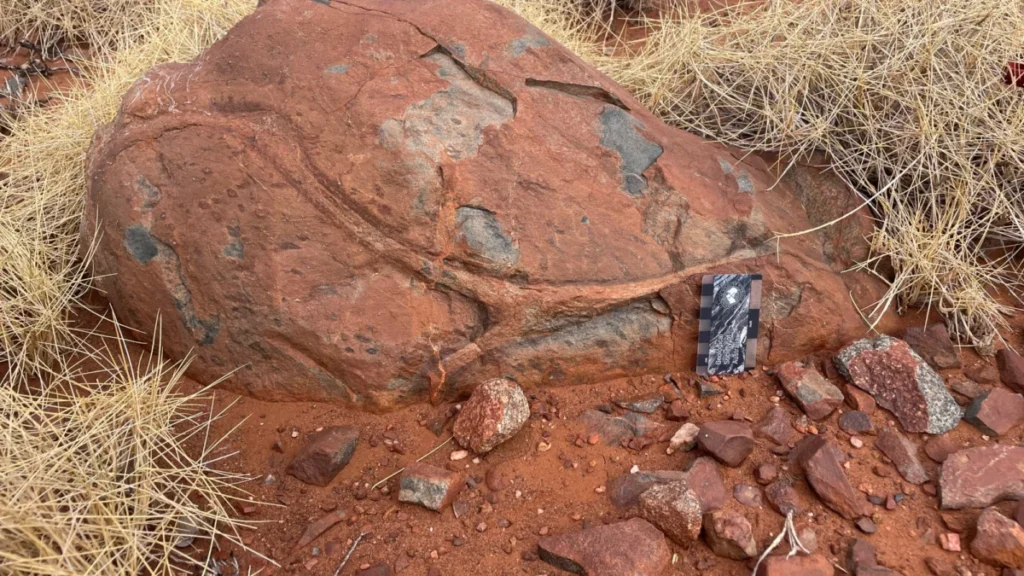
The geological history of Earth is a narrative written in stone, yet many of its earliest chapters remain shrouded in mystery due to the relentless recycling of the planet’s crust. However, a groundbreaking study published in the journal Nature Communications has unveiled significant clues locked within three-billion-year-old volcanic rocks from the Pilbara Craton in Western Australia. These findings suggest that a primitive form of water recycling was already shaping the Earth’s interior and driving volcanic activity during the Archean Eon, long before the modern system of plate tectonics was fully established. The research, led by Dr. Eric Vandenburg and a team of geochemists from Adelaide University, provides a new framework for understanding how the early Earth transitioned from a molten mass into a geologically active world capable of supporting life.
The Pilbara Craton: A Window into the Deep Past
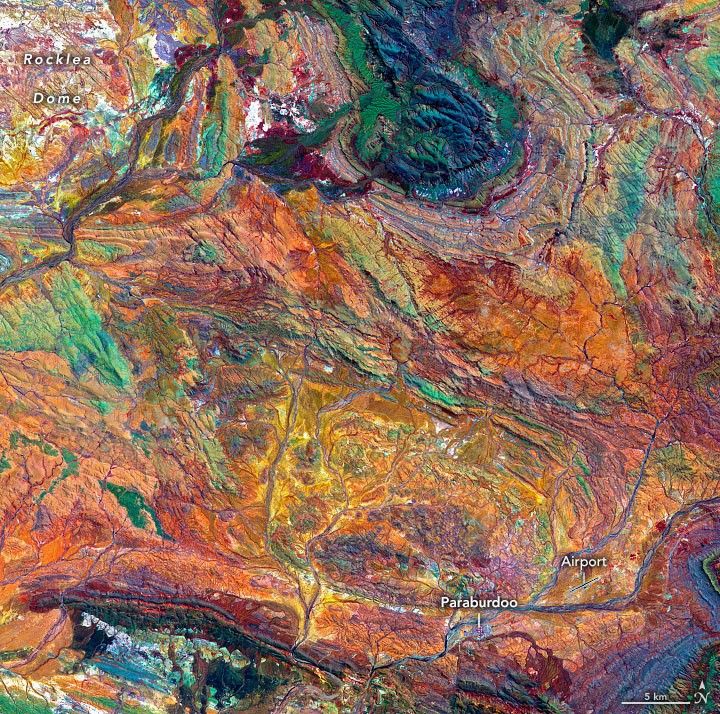
To understand the significance of the discovery, one must first look at the setting. The Pilbara Craton is one of the few places on Earth where the crust has remained stable and largely unchanged for billions of years. While most of the Earth’s ancient surface has been destroyed by erosion or swallowed by subduction zones, the Pilbara serves as a geological time capsule. The rocks studied by the Adelaide University team, specifically those within the Whundo Group, date back to between 3.6 billion and 2.8 billion years ago.
During this period, known as the Archean Eon, the Earth was a vastly different place. The atmosphere lacked oxygen, the sun was significantly dimmer, and the planet’s internal heat was much higher than it is today. Despite these alien conditions, the chemical fingerprints preserved in these iron-rich volcanic rocks indicate that surface water was already making a journey deep into the Earth’s interior. This movement of water is a critical component of the "Earth system," as it influences the melting point of rocks, the explosiveness of volcanoes, and the eventual formation of stable continents.
Challenging the Plate Tectonics Paradigm
In the modern era, the recycling of water and crust is driven by plate tectonics. This process involves the movement of massive lithospheric plates that glide over the more fluid mantle. At subduction zones—such as the "Ring of Fire" encircling the Pacific Ocean—one plate is forced beneath another, carrying ocean water and sediment down into the mantle. This water acts as a flux, lowering the melting temperature of the surrounding rock and creating the magma that feeds powerful volcanic arcs.
However, a long-standing debate in geology concerns when this process began. Many scientists argue that the early Earth was simply too hot for modern subduction to occur. The crust would have been too buoyant and soft to sink in the rigid, slab-like fashion seen today. Dr. Eric Vandenburg notes that because the early Earth was so hot, the plates could not behave in the way they do now, leaving a gap in our understanding of how surface water could have reached the mantle more than three billion years ago.
The Discovery of Dripduction
The research team proposes a novel mechanism to explain their findings: "dripduction." This process suggests that instead of large plates sliding under one another, the early Earth experienced localized, sporadic collapses of the crust. In this model, dense, water-rich sections of the cool outer crust would become heavy enough to sag and eventually "drip" into the hotter mantle below.
As these segments of the crust descended, they carried surface water with them. Once they reached the intense heat and pressure of the mantle, the water was released, triggering the melting of the surrounding mantle rock. This created magmas that were chemically distinct—enriched by the water they carried—which then rose back to the surface to form volcanoes. This "dripduction" cycle represents a primitive precursor to modern plate tectonics, showing that the Earth was already finding ways to recycle its essential ingredients even before it had the mechanical strength to support full-scale plate movements.
Geochemical Evidence: Varioles and Pillow Lavas
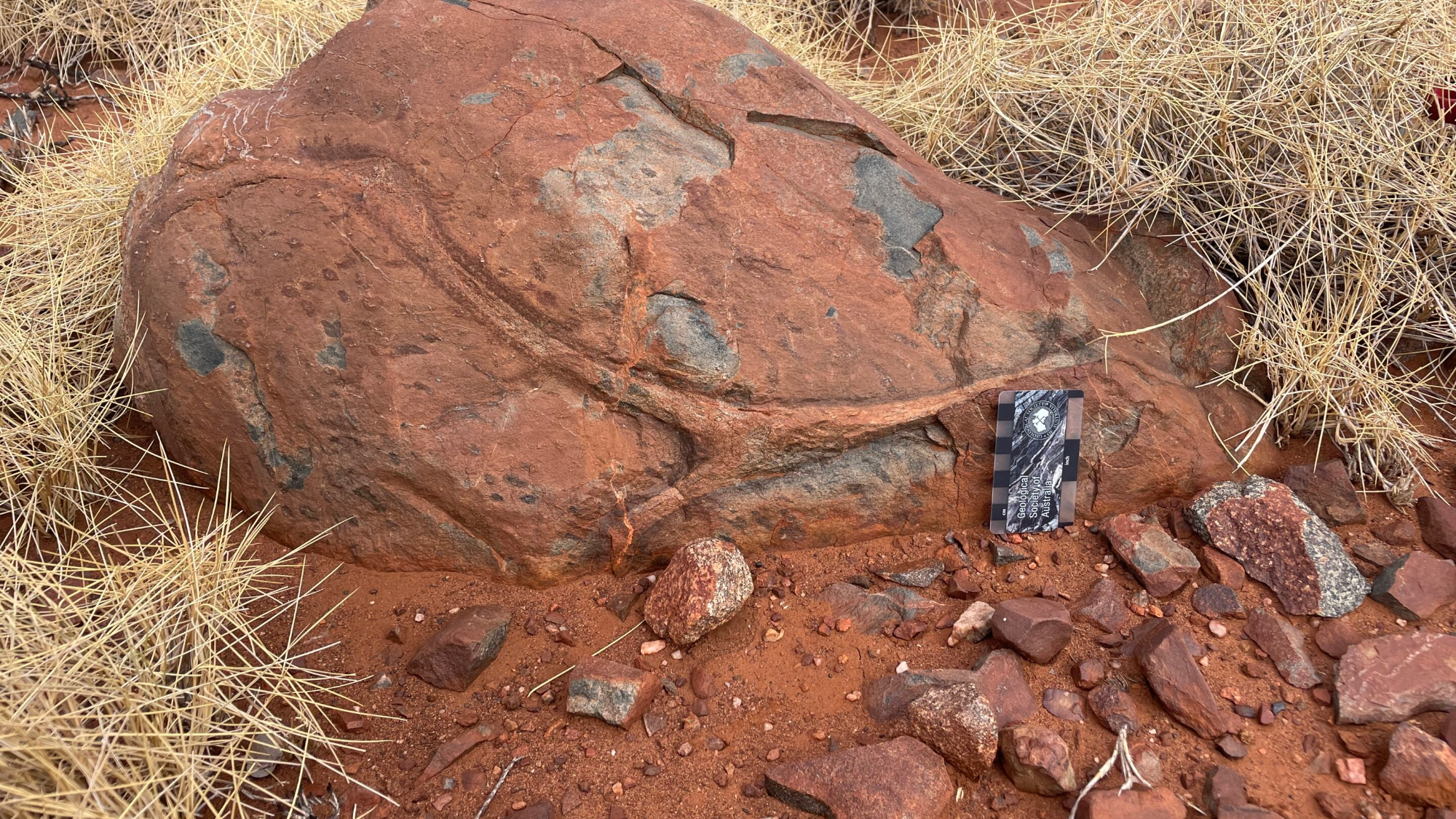
The evidence for this process is found in the physical and chemical structure of the Pilbara rocks. The researchers highlighted the presence of "variolitic pillow lavas." Pillow lavas are bulbous rock structures that form when magma erupts underwater, cooling rapidly. The "varioles" mentioned in the study are small, light-colored spheres or spots within the darker volcanic rock. These features are known to form specifically in water-rich lavas.
By analyzing the isotopic composition and trace elements within these rocks, the team was able to reconstruct the volcanic events of 3.1 billion years ago. The data showed a clear signature of water-driven melting. The presence of these varioles in the Whundo Group rocks serves as a "smoking gun," indicating that the magma that formed these rocks had interacted significantly with water deep underground before erupting onto the ancient seafloor.
Chronology of Earth’s Early Evolution
The timeline of Earth’s development is often divided into major milestones, and the findings from the Pilbara Craton add a vital data point to this chronology:
- 4.5 Billion Years Ago: Earth forms as a molten protoplanet.
- 4.4 Billion Years Ago: The first crust begins to solidify, and liquid water appears on the surface.
- 4.0 to 2.5 Billion Years Ago (The Archean Eon): The planet is characterized by high internal heat and the formation of the first cratons.
- 3.1 Billion Years Ago: The period identified in the study where "dripduction" was actively moving water into the mantle, facilitating the growth of early volcanic arcs.
- 2.5 Billion Years Ago to Present: The Earth cools sufficiently for modern, sustained plate tectonics to become the dominant geological driver.
This chronology suggests that the transition from a stagnant, hot planet to a dynamic, tectonic one was not a single event but a gradual evolution involving intermediate processes like dripduction.
Broader Implications for Life and Planetary Science
The discovery that water was being recycled three billion years ago has profound implications for the origin of life. Water recycling is not just a geological curiosity; it is a fundamental requirement for a habitable planet. The movement of water into the mantle helps regulate the planet’s temperature by influencing the carbon cycle and volcanic outgassing. Furthermore, the chemical reactions that occur when water, heat, and rock interact in the deep crust are thought to produce the complex molecules necessary for the emergence of life.
The research also provides a template for studying other planets. For instance, Venus is often described as Earth’s "evil twin" because it is similar in size but lacks plate tectonics and has a surface temperature hot enough to melt lead. Some scientists believe that Venus may currently be undergoing a form of dripduction or "stagnant lid" tectonics. Understanding how Earth moved past this phase could help astronomers determine which exoplanets are likely to develop the stable, long-term environments required for life.
Scientific Analysis of the Findings
The study’s results suggest that the Earth’s surface and interior have been "connected" much longer than previously assumed. The traditional view of the Archean Earth was one of a "stagnant lid," where the crust sat like a motionless shell over the mantle. The Adelaide University study shatters this image, replacing it with a picture of a dynamic, albeit "leaky," planet.
Geologists now have to reconsider the rate at which the Earth’s continents formed. If dripduction was as effective at creating magma as the study suggests, it could mean that the seeds of the continents—the granitic cores of the cratons—were sown much earlier and more rapidly than modern models account for. The water introduced into the mantle via dripduction would have lowered the viscosity of the mantle, potentially accelerating the cooling of the planet and paving the way for the eventually more efficient system of plate tectonics.
Conclusion and Future Research
The work of Dr. Vandenburg and his colleagues opens new avenues for exploration in the Pilbara and other ancient geological sites, such as the Barberton Greenstone Belt in South Africa. Future research will likely focus on whether this dripduction process was a global phenomenon or localized to specific regions like the Pilbara.
As geologists continue to refine their techniques for reading the chemical signatures of ancient rocks, the story of Earth’s infancy becomes clearer. While the Earth three billion years ago was a world of boiling seas, volcanic fire, and an unbreathable atmosphere, it was already a planet in motion. By recycling its water and churning its crust, the young Earth was building the foundations for the stable, life-sustaining world we inhabit today. The "black spots" in the rocks of Western Australia, once overlooked, are now recognized as milestones in the four-billion-year journey of our planet.