


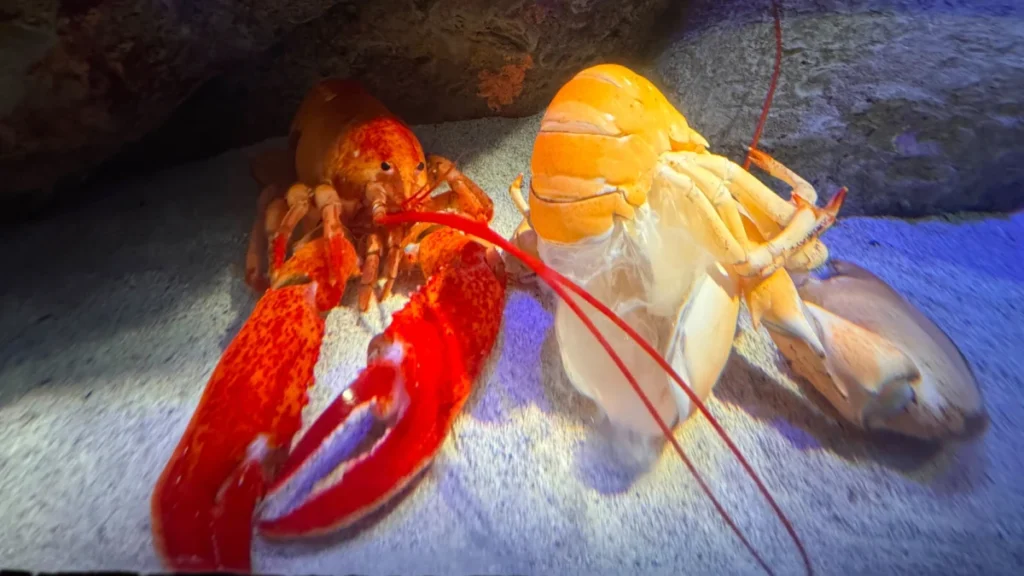
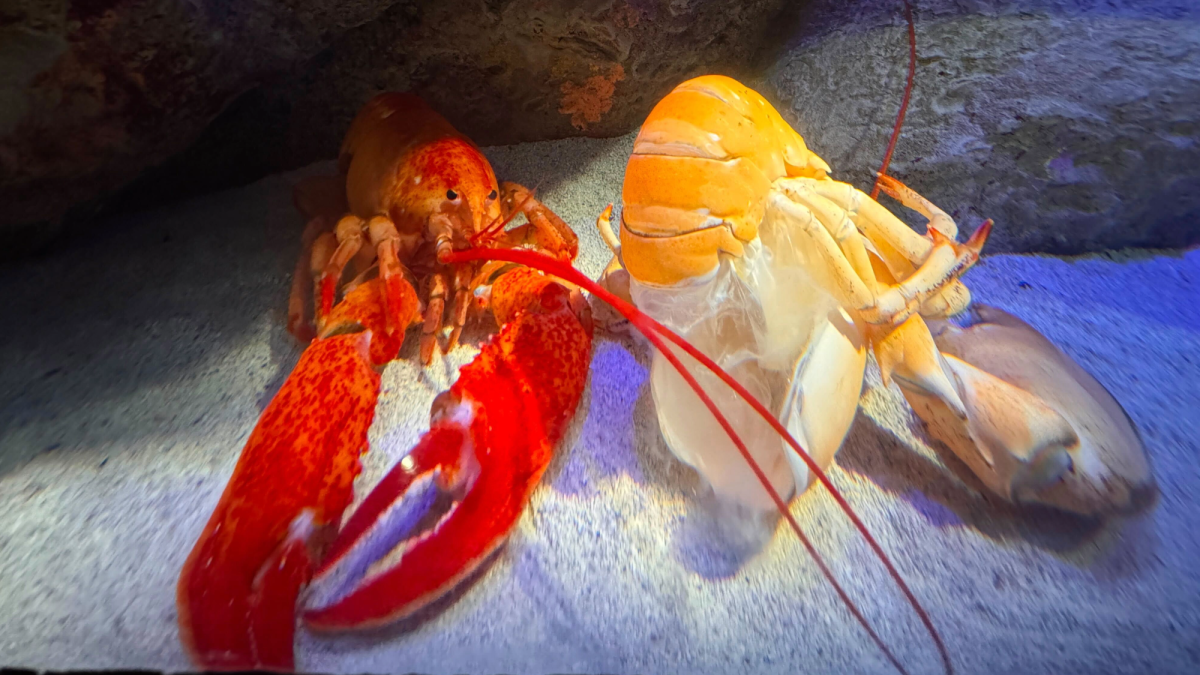
In a rare display of crustacean biology, an exceptionally colored American lobster named Luigi recently completed a successful molting process at the New York Aquarium in Brooklyn. Luigi, characterized by a vibrant orange hue that occurs in only one in approximately 30 million specimens, shed his rigid exoskeleton in full view of the facility’s staff and visitors. This event provides a unique window into the life cycle of the American lobster (Homarus americanus) and highlights the complex physiological mechanisms required for these marine animals to grow and survive in both captive and wild environments.
The discovery of the molt occurred during the early morning rounds at the aquarium’s "Spineless" exhibit. William Hana, the Director of Animal Programs at the New York Aquarium, noted that while the actual shedding of the shell is a private affair usually conducted under the cover of darkness, the results were immediately evident. According to Hana, keeper staff found the discarded exoskeleton—a perfect translucent replica of Luigi’s former self—resting at the bottom of the habitat. Following the molt, Luigi emerged with a strikingly bright, fresh coloration, a hallmark of a newly formed shell that has not yet been subjected to the wear and tear of the environment.
The Physiological Complexity of the Molting Process
Molting, scientifically known as ecdysis, is the most critical and vulnerable period in a lobster’s life. Because lobsters possess a rigid exoskeleton made of chitin and calcium carbonate, they cannot grow in a continuous fashion like mammals. Instead, they must periodically cast off their restrictive outer shells to allow their soft tissues to expand. This process is governed by a complex interplay of hormones, primarily ecdysone, which signals the body to begin the transition.
In the weeks leading up to the molt, a lobster begins to reabsorb calcium from its existing shell, weakening the structure and preparing a new, paper-thin layer underneath. To facilitate the actual "breakout," the lobster must take in significant quantities of seawater. This intake increases the internal pressure of the body, causing the old shell to swell and eventually crack along a specific seam between the carapace and the tail.
The physical act of exiting the shell is an arduous feat of dexterity. The lobster must slowly back out of the old casing, pulling its legs, antennae, and even the linings of its digestive tract through the narrow openings. This process is often compared to a human removing a foot from a tight-fitting shoe without using their hands. Once free, the lobster is extremely soft and fragile, often described as having the consistency of a jelly-like substance. During this "soft-shell" phase, the lobster continues to pump in water to stretch the new shell to a larger size before it begins the hardening process, which can take several weeks to complete.
The Genetic Anomaly of the Orange Lobster
While molting is a standard biological necessity for all crustaceans, Luigi’s specific appearance makes his growth cycle a subject of intense scientific interest. The typical American lobster is a mottled mix of dark blue, green, and brown pigments. This coloration is the result of a combination of different pigment molecules, primarily a carotenoid called astaxanthin.
In a standard lobster, astaxanthin molecules wrap around specific proteins known as crustacyanin. This chemical bonding alters the way light reflects off the shell, creating the dark, camouflaged tones that help lobsters hide from predators like cod and seals on the ocean floor. However, genetic mutations can disrupt this process. In the case of orange lobsters like Luigi, the lack of certain proteins prevents the pigments from bonding correctly, leaving the natural orange-red color of the astaxanthin exposed.
The statistical rarity of these color variations is staggering. While the "one in 30 million" figure for orange lobsters is widely cited by marine biologists, it is only one of several possible mutations. Blue lobsters, which occur in approximately one in two million individuals, lack the red and yellow pigments, leaving only the blue-tinted crustacyanin. Even rarer are "split-colored" lobsters—half one color and half another—which occur in one in 50 million cases, and albino or "ghost" lobsters, which appear in only one in 100 million.
Captive Care and the Importance of Post-Molt Nutrition
For a lobster in the wild, the period following a molt is fraught with danger. Without a hard shell, they are defenseless against predators and even other lobsters, which are known to be opportunistic cannibals. Luigi, however, benefits from the controlled environment of the New York Aquarium. Residing in a protected habitat with consistent water temperatures and no natural predators, he can devote his metabolic energy entirely to recovery and growth.
One of the most fascinating aspects of lobster behavior observed by the aquarium staff is the consumption of the discarded shell. "Lobsters frequently consume their shed exoskeleton after molting," Hana explained. This is not a matter of hunger, but of biological necessity. The old shell contains a wealth of calcium and essential minerals that the lobster’s body needs to accelerate the hardening of the new exoskeleton. By recycling these nutrients, the lobster ensures that its primary defense mechanism returns to full strength as quickly as possible. To support this natural behavior, aquarium keepers typically leave the molt in the tank for several days, allowing the animal to graze on its own former casing.
In a captive setting, lobsters often grow faster and molt more frequently than their wild counterparts. This is due to the lack of "environmental stress." In the North Atlantic, lobsters must spend significant energy foraging for food and navigating fluctuating seasonal temperatures. In an aquarium, the steady supply of high-quality nutrients allows for a more efficient growth cycle. Young lobsters may molt as many as 25 times in their first five years of life, while mature adults typically settle into a rhythm of one molt per year or even once every two years as their growth slows.

Broader Implications for Marine Science and Industry
The study of lobster molting is not merely a matter of curiosity for aquarium visitors; it has significant implications for the global seafood industry and environmental science. The American lobster fishery is one of the most valuable in North America, particularly in Maine and Atlantic Canada. The timing of the "molt" determines the market for "soft-shell" versus "hard-shell" lobsters. Soft-shell lobsters are often considered sweeter in flavor but contain less meat and are too fragile to be shipped long distances, whereas hard-shell lobsters are the industry standard for international export.
Furthermore, marine biologists are closely monitoring how climate change and ocean acidification affect the molting cycles of crustaceans. As the oceans absorb more carbon dioxide, the pH of the water drops, making it more difficult for marine life to find the calcium carbonate necessary to build strong shells. Additionally, warming waters in the Gulf of Maine have been linked to an increase in "shell disease," a bacterial infection that eats away at a lobster’s exoskeleton, often proving fatal during the molting process when the animal is most vulnerable.
Observations of healthy molts in specimens like Luigi provide researchers with baseline data on how these animals thrive under optimal conditions. The New York Aquarium, managed by the Wildlife Conservation Society (WCS), utilizes these displays to educate the public on the importance of ocean conservation and the incredible biodiversity found just off the coast of the New York bight.
A Symbol of Marine Biodiversity in Brooklyn
Luigi’s presence at the New York Aquarium serves as a powerful educational tool. Located on the Coney Island boardwalk, the aquarium has been a staple of New York City’s scientific community since its opening in 1896. By showcasing rare individuals like Luigi—and his neighbor, a rare blue lobster—the institution fosters a deeper connection between urban residents and the marine ecosystems that exist beneath the waves.
The successful molt of an orange lobster is a reminder of the hidden complexities of the natural world. While Luigi may look like he has already been "cooked" due to his bright orange shell, he is very much alive and continuing to grow. As he settles into his new, slightly larger exoskeleton, he remains a testament to the resilience of marine life and the fascinating genetic diversity that continues to surprise scientists and the public alike. For now, Luigi will continue his quiet life in Brooklyn, one shell at a time, contributing to our understanding of the spineless wonders of the deep.