


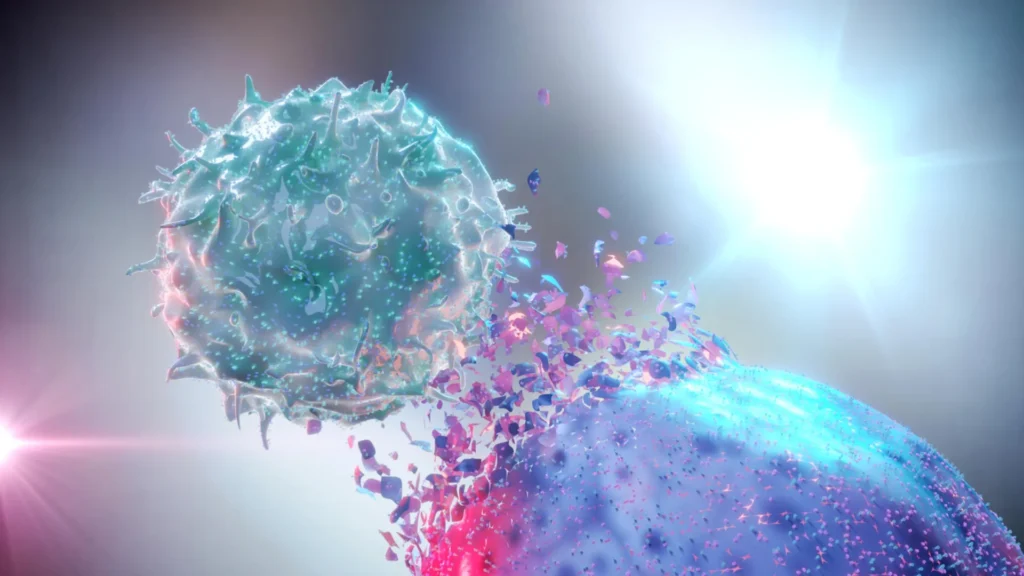
Natural killer (NK) cells stand as formidable sentinels within the intricate architecture of the human immune system. These specialized lymphocytes are critical for the early detection and elimination of threats, including invading microbes, foreign materials, and cells that have become damaged or infected, thereby curtailing their capacity to proliferate and cause widespread harm. NK cells exhibit a dynamic presence, circulating throughout the bloodstream (circulatory system) or establishing residence within specific tissues and organs, poised to respond to immunological challenges. A significant decline in the numbers of these vital immune defenders can compromise the immune system’s efficacy, substantially elevating an individual’s susceptibility to illness and various health complications.
The global prevalence of anxiety disorders and insomnia has surged in recent decades, particularly among younger demographics, prompting increased scrutiny from the scientific community regarding their pervasive impact on physiological health. Both conditions are well-documented for their disruptive influence on healthy immune activity. Recognizing the growing public health concern and the potential immunological ramifications, a team of researchers in Saudi Arabia embarked on an investigation to meticulously explore the relationship between these common mental health and sleep disturbances and NK cell levels in a cohort of young female students. Their pivotal findings, which illuminate a concerning immunological vulnerability, were subsequently published in the esteemed journal Frontiers in Immunology.
The Global Burden of Mental Health and Sleep Disturbances
The backdrop to this research is a landscape increasingly defined by elevated psychological stress and sleep deficits. According to the World Health Organization (WHO), anxiety disorders are the most common mental disorders worldwide, affecting millions. Similarly, insomnia, characterized by difficulty falling or staying asleep, is a pervasive issue, with estimates suggesting that a significant portion of the adult population experiences symptoms at some point in their lives. These conditions are not merely isolated psychological phenomena; a growing body of evidence underscores their profound physiological consequences, including disruptions to the endocrine system, cardiovascular health, and, critically, immune function.
The specific focus on young female students in the Saudi Arabian study is particularly pertinent. Adolescence and early adulthood are periods marked by significant developmental transitions, academic pressures, and social adjustments, all of which can contribute to heightened stress levels. Furthermore, epidemiological data frequently indicate that women, especially young women, report higher rates of anxiety and sleep disturbances compared to their male counterparts. This demographic, often navigating demanding academic schedules and future uncertainties, represents a population potentially at increased immunological risk, making targeted research imperative.
Methodology and Participant Profiles: Unveiling the Immune Connection
The comprehensive study involved 60 female students, aged between 17 and 23 years, all voluntary participants from educational institutions in Saudi Arabia. To gather robust data, each participant underwent a multi-faceted assessment protocol. This included the completion of three distinct questionnaires: one designed to capture sociodemographic information, and two others specifically tailored to screen for symptoms associated with anxiety and insomnia. Crucially, reports of anxiety and sleep disturbance were self-described, a common and accepted method in psychological research, though acknowledged as a potential limitation.
The self-reported data painted a stark picture of the participants’ mental health and sleep profiles. Approximately 53 percent of the students indicated experiencing sleep difficulties consistent with the diagnostic criteria for insomnia. Even more striking, a substantial 75 percent reported symptoms indicative of anxiety. Within this anxious subgroup, the severity varied, with approximately 17 percent categorized as experiencing moderate anxiety and 13 percent reporting severe anxiety symptoms, highlighting a significant spectrum of psychological distress within the cohort.
Beyond the psychological assessments, the researchers collected peripheral blood samples from each participant. These samples were subjected to sophisticated laboratory analysis to accurately measure and characterize different types of NK cells. NK cells are broadly categorized into two primary subgroups based on their surface marker expression and functional roles:
- CD16+CD56dim cells: This subgroup constitutes the majority of NK cells found in the peripheral blood (circulatory system). They are highly cytotoxic, meaning their primary function is to directly identify and destroy target cells, such as those infected with viruses or transformed by cancer.
- CD16+CD56high cells: While less abundant in the peripheral circulation, these cells are notable for their robust cytokine production. Cytokines are proteins that act as chemical messengers, playing a crucial role in regulating immune responses and orchestrating interactions between different immune cells. Both CD16+CD56dim and CD16+CD56high cells are considered integral components of the circulatory NK cell pool.
"Our investigation revealed a clear correlation between psychological distress and immune cell populations," stated Dr. Renad Alhamawi, first author of the study and an assistant professor of immunology and immunotherapy at Taibah University. "Specifically, we found that in students exhibiting symptoms consistent with insomnia, there was a discernible decline in both the absolute count and percentage of total NK cells, as well as their specific sub-populations. Conversely, students reporting general anxiety symptoms demonstrated a lower percentage and number of circulatory NK cells and their sub-populations when compared to their symptom-free peers." This direct observation underscores a critical immunological consequence of these widespread psychological conditions.
Dissecting the Immune Response: Specific NK Cell Findings
The detailed analysis of the blood samples yielded compelling results that meticulously linked self-reported psychological states to tangible changes in immune cell profiles. Students who reported symptoms of anxiety exhibited both a lower percentage and a reduced absolute number of total circulatory NK cells, including their vital subtypes (CD16+CD56dim and CD16+CD56high), when directly compared to students who reported no anxiety symptoms. This quantitative reduction suggests a systemic impact on the availability of these critical immune defenders.
Furthermore, the study illuminated the critical role of anxiety severity. The immunological impact was not uniform across all levels of anxiety. Students categorized with moderate or severe anxiety symptoms displayed a notably and statistically significant reduction in the percentage of circulatory NK cells. In contrast, those experiencing minimal or mild anxiety symptoms showed only a marginal decrease, which was not statistically significant. This finding is crucial as it suggests a dose-response relationship, where higher levels of psychological distress lead to more pronounced immunological compromise.
A particularly insightful finding emerged from the interplay between insomnia and anxiety. Among the students who reported symptoms of insomnia, higher anxiety scores were independently associated with a lower proportion of total peripheral NK cells. This suggests a potential synergistic effect, where the co-occurrence of anxiety and insomnia may exacerbate the negative impact on NK cell populations, further weakening immune surveillance. The precise mechanisms underpinning this interaction warrant further investigation, but the implication is clear: managing both conditions concurrently may be essential for preserving robust immune function.
Broader Implications for Health: From Infections to Chronic Disease
The ramifications of a decline in NK cell numbers and activity extend far beyond a theoretical immunological observation. A compromised NK cell defense directly translates to weakened immune performance, significantly elevating an individual’s susceptibility to a spectrum of adverse health outcomes. This includes, but is not limited to, an increased likelihood of developing various infectious diseases, as the body’s primary line of defense against viral and bacterial invaders is diminished.
Beyond acute infections, the long-term implications are particularly concerning. NK cells play a crucial role in immune surveillance against cancer; their ability to identify and destroy nascent tumor cells is a vital mechanism in preventing oncogenesis. A reduction in NK cell efficacy could therefore increase the risk of certain cancers. Moreover, emerging research increasingly links chronic inflammation and immune dysregulation to the development and exacerbation of mental health conditions such as depression. This suggests a vicious cycle where psychological distress impairs immunity, which in turn might feedback to worsen mental health.
"Understanding how these psychological stressors—anxiety and insomnia—influence the distribution and activity of crucial immune cells, especially peripheral NK cells, may provide invaluable insights into the underlying mechanisms driving chronic inflammation and potentially even tumorigenesis," Dr. Alhamawi elaborated. "This knowledge is fundamental for developing targeted interventions that not only address mental health but also bolster immunological resilience." The study thus provides a vital piece of the puzzle in understanding the complex interconnections between the brain and the immune system.
Acknowledging Limitations and Charting Future Research
While the findings are compelling and offer significant insights, the researchers meticulously highlighted certain limitations inherent to the study design. A primary limitation was the exclusive inclusion of young female participants. While this demographic was specifically chosen due to the disproportionately increasing rates of anxiety and sleep problems observed within this group, this narrow focus inherently restricts the generalizability of the results to other populations. The physiological and immunological responses to stress can vary significantly across different age groups, sexes, and ethnic backgrounds.
The research team underscored the critical need for future studies that encompass a broader range of ages, sexes, and diverse geographic regions. Such expanded investigations are essential to construct a more complete and universally applicable understanding of how anxiety and insomnia influence NK cell levels and, crucially, their functional capabilities. Longitudinal studies, which track participants over extended periods, would also provide invaluable insights into the dynamic interplay between chronic psychological stress, immune changes, and long-term health outcomes. Furthermore, incorporating objective measures of sleep quality (e.g., polysomnography) and anxiety (e.g., clinical interviews) alongside self-report measures could strengthen the methodological rigor of future research.
Proactive Strategies: Lifestyle and Public Health Interventions
The implications of this study extend beyond academic interest, offering practical guidance for public health and individual well-being. Previous research consistently highlights the profound impact of lifestyle factors on immune health, including NK cell function. Adopting healthy habits, such as engaging in consistent physical activity, implementing effective stress reduction techniques, and maintaining a balanced, nutrient-rich diet, has been shown to positively influence NK cell levels and enhance their performance. These lifestyle interventions are not merely supplementary but represent foundational pillars for robust immune defense.
However, the insidious nature of anxiety and insomnia often interferes with an individual’s ability to consistently implement these healthy behaviors. Chronic psychological stress and sleep deprivation can disrupt normal biological processes throughout the body, including critical immune responses. This disruption can contribute to a state of chronic low-grade inflammation, a known precursor to various chronic and inflammatory diseases. "Such impacts ultimately compromise overall health and quality of life," Dr. Alhamawi concluded, emphasizing the cascading negative effects that can ripple through an individual’s physical and mental well-being.
A Call for Integrated Care and Broader Awareness
The Saudi Arabian study serves as a poignant reminder of the intricate and inseparable link between mental and physical health. It underscores the urgent need for integrated healthcare approaches that do not compartmentalize the mind and body but rather recognize their profound interdependence. Public health campaigns aimed at increasing awareness of the immunological consequences of unmanaged anxiety and insomnia, particularly among vulnerable populations like young adults, are crucial. Educational initiatives promoting stress management techniques, healthy sleep hygiene, and the benefits of regular physical activity and balanced nutrition could empower individuals to proactively safeguard their immune systems.
Furthermore, healthcare providers, including general practitioners, mental health specialists, and school health services, should be equipped to screen for anxiety and insomnia and to offer appropriate referrals or interventions. Recognizing that psychological stressors can manifest as physiological vulnerabilities, clinicians can adopt a more holistic perspective in patient care. By addressing mental health and sleep disturbances not just as isolated psychological issues but as significant contributors to immune dysregulation, society can move towards a more comprehensive model of health and well-being, protecting the foundational immune defenses critical for a healthy life. This study contributes significantly to the growing body of evidence advocating for a paradigm shift in how mental and physical health are perceived and managed.