


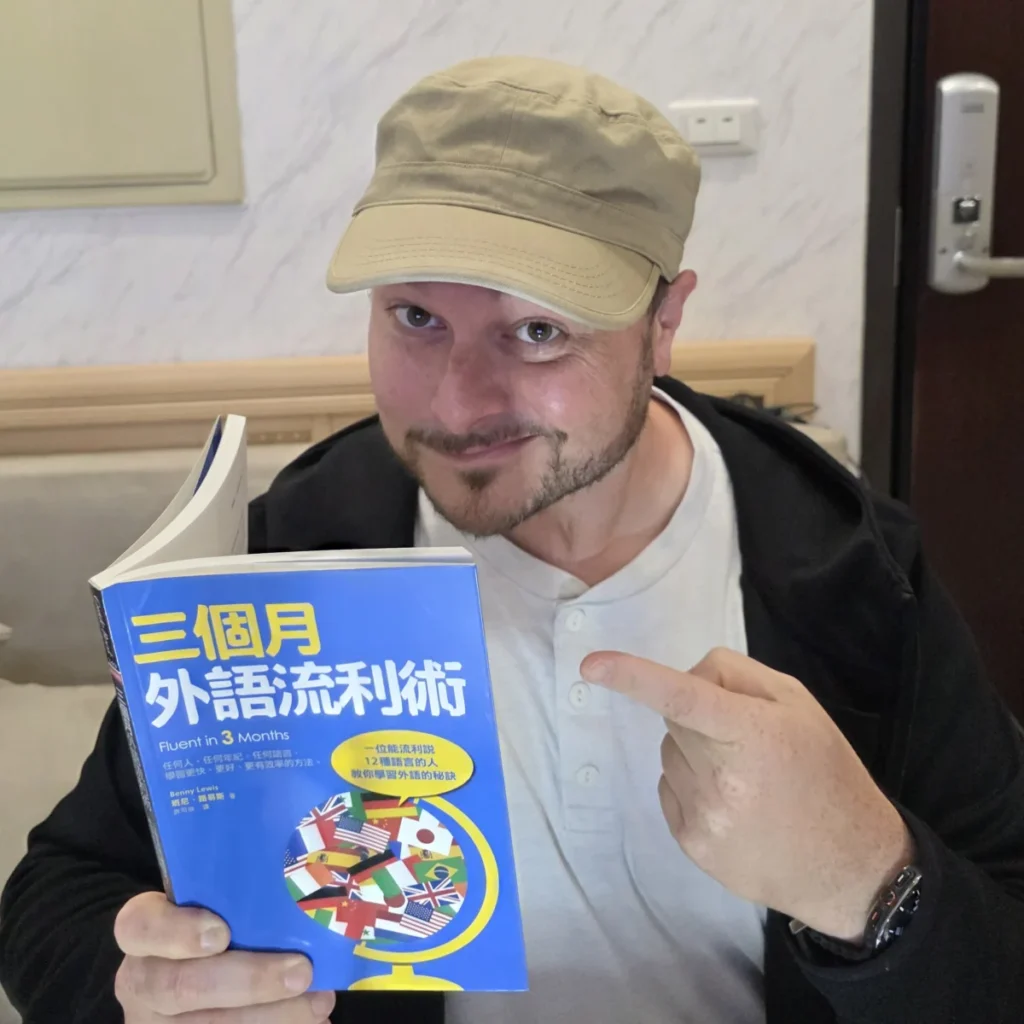
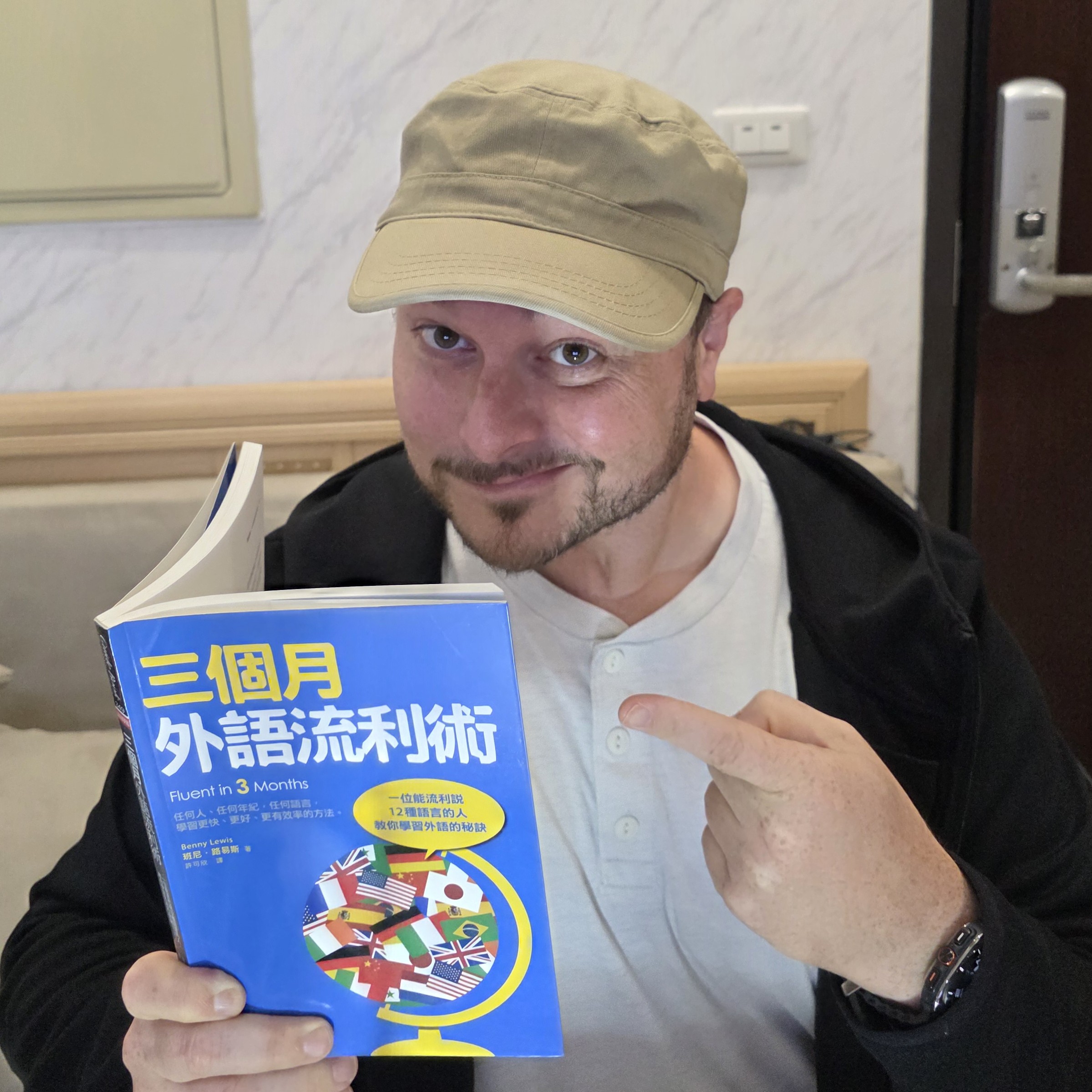
Benny Lewis, the Irish polyglot and founder of the globally recognized language-learning platform Fluent in 3 Months, has officially returned to Taipei, Taiwan, to re-engage in an intensive Mandarin Chinese immersion project. This return marks a significant milestone in Lewis’s linguistic career, occurring fourteen years after his initial 2012 "Mandarin Mission," which became one of the most documented and debated language projects in the early 2010s digital era. The current initiative is not merely a personal refresher course but represents a broader strategic shift for his educational platform, which is moving away from search-engine-optimized (SEO) instructional content toward a model centered on human-centric narrative and experiential travel.
Historical Context: The 2012 Mandarin Mission and Subsequent Evolution
In 2012, Lewis embarked on a highly publicized three-month intensive study in Taipei, followed by two months of travel through mainland China. The project concluded with an independent evaluation of his proficiency, which was assessed at a B1 level (lower intermediate) for spoken Mandarin. While the project achieved its goals of enabling independent travel and social integration—including learning Kung Fu in a rural fishing village and conducting interviews with television presenters—it was also met with significant debate within the linguistics community regarding the feasibility of "fluency" in such a short timeframe for Category IV languages.
Mandarin Chinese is classified by the U.S. Foreign Service Institute (FSI) as a "Category IV" or "super-hard" language for native English speakers, typically requiring approximately 2,200 class hours to reach professional working proficiency. Lewis’s 2012 results highlighted the distinction between academic mastery and "communicative "fluency," a cornerstone of his "speak from day one" philosophy.
In the decade following that initial mission, Lewis’s engagement with Mandarin remained sporadic. Outside of a brief intensive period during the co-authoring of the Language Hacking Mandarin coursebook, his proficiency declined through disuse. This phenomenon, often referred to in linguistics as "language attrition," is a common challenge for polyglots managing multiple languages. Lewis’s return to Taipei is a calculated effort to move Mandarin from his "temporary" repertoire into his "permanent" maintenance languages, which include Spanish, French, German, and Italian.
Chronology of the 2024 Re-Immersion Project
The decision to return to Taiwan was catalyzed by Lewis’s travels through Malaysia in early 2024. While navigating the multicultural landscapes of Southeast Asia, he engaged extensively with the Chinese diaspora and tourists from mainland China. These interactions served as a linguistic "re-awakening," prompting a shift in focus from his studies of the Malay language back to Mandarin.
Lewis arrived in Taipei in the first quarter of 2024, establishing a rigorous daily routine designed to bridge the gap between his previous B1 level and his current "rusty" state. The chronology of his daily operations reflects a multi-modal approach to adult language acquisition:
- Morning Theoretical Study: Lewis utilizes a grammar-focused curriculum that specifically addresses the nuances of Taiwanese Mandarin. Unlike standard Mainland textbooks, these materials incorporate traditional characters (used in Taiwan and Hong Kong) alongside simplified characters, while acknowledging regional vocabulary differences.
- Physical and Mental Conditioning: A significant component of his current routine involves physical health, with Lewis reporting a 25kg (55lb) weight loss since the pandemic. He incorporates ninety-minute daily runs, a practice he correlates with improved cognitive function and discipline required for language study.
- Spaced Repetition Systems (SRS): A technical highlight of the project involved the recovery of 14-year-old digital flashcard decks from Anki. Lewis successfully migrated data from obsolete file formats to modern software, allowing him to review the specific vocabulary he acquired during his 2012 in-person lessons.
- Instructional Support: Lewis utilizes the Preply platform for regular one-on-one sessions with multiple tutors to ensure exposure to different speaking styles. He also leverages generative AI conversation tools as a supplementary, cost-effective method for practicing dialogue.
- Evening Social Integration: The project concludes each day with attendance at local social events and language exchanges found through platforms like Meetup.com, supplemented by auditory immersion via the ChineseClass101 podcast during transit.
Linguistic Landscape: Taipei as a Learning Environment
Taipei remains a premier destination for Mandarin learners due to its high density of language schools, such as the Mandarin Training Center (MTC) at National Taiwan Normal University, and its unique linguistic environment. While English proficiency is relatively high in international business districts like Xinyi, Lewis notes that daily life—including postal services, local dining, and hospitality—frequently demands exclusive use of Mandarin.
The linguistic challenge is compounded by the distinction between "Standard Mandarin" (Putonghua) and "Taiwanese Mandarin" (Guoyu). While mutually intelligible, they differ in phonology (notably the absence of the "erhua" rhotic accent common in Beijing) and lexicon. Lewis’s focus on Taiwanese Mandarin reflects a commitment to local integration and an acknowledgment of the cultural specificities of the island.
Data and Technical Analysis: The Impact of AI on Educational Content
A significant portion of Lewis’s announcement addresses a fundamental shift in the business model of Fluent in 3 Months. For over a decade, the site relied on a team of writers producing SEO-driven articles to answer specific linguistic queries (e.g., "how to conjugate French verbs"). However, the rise of generative AI and Google’s "Search Generative Experience" (SGE) has fundamentally disrupted this traffic model.
Data from digital marketing analysts suggests that informational queries are increasingly being answered by AI-generated snippets directly on search result pages, leading to a "zero-click" environment. This has resulted in a decline in traffic for independent educational blogs that rely on ad revenue or course sales.
In response, Lewis is pivoting the platform’s editorial strategy. He has announced a return to "human-centric" blogging, focusing on personal narratives, travelogues, and subjective experiences that cannot be replicated by AI models. This "Deep Travel" project involves exploring beyond the urban hub of Taipei to the various provinces of Taiwan, mirroring his previous large-scale expeditions through every state in Brazil and the 48 contiguous U.S. states.

Broader Implications for the Language Learning Industry
Lewis’s move signals a potential trend in the "EdTech" and creator economy sectors. As AI becomes a commodity for basic information retrieval, the value of "influencer" educators may shift toward:
- Authenticity and Accountability: Real-time documentation of the "struggle" of learning, providing a psychological blueprint that AI cannot offer.
- Curated Immersion: Moving beyond apps to emphasize the importance of physical presence in a target culture.
- Technological Synthesis: The use of AI not as a replacement for human tutors, but as a "bridge" to help learners reach a level where they can interact with native speakers more effectively.
The industry has seen a surge in AI-driven language apps like TalkPal and Langotalk, which offer 24/7 conversation practice. However, Lewis’s experience in Taipei suggests that the "noisy environment" of real-world social events remains a hurdle that digital tools have yet to solve. His struggle to join group conversations in loud venues highlights the "cocktail party effect"—the ability to focus on a single talker in a noisy room—which remains a high-level auditory processing skill for language learners.
Future Outlook: The Taiwan Deep Travel Project
As Lewis transitions from the "refresh" phase of his Mandarin studies into the "Deep Travel" phase, he intends to document his journey across the island’s diverse geography, from the rugged east coast of Hualien to the industrial south of Kaohsiung. This project aims to showcase Taiwan’s cultural depth while serving as a live demonstration of how intermediate language skills can unlock experiences inaccessible to the monolingual tourist.
The project also serves as a manifesto for the future of independent digital publishing. By rejecting "AI slop"—a term used to describe low-quality, AI-generated filler content—Lewis is betting on a "return to roots" strategy. This approach prioritizes the "actual humans in the world" narrative, suggesting that in an era of automated information, personal experience remains the ultimate premium content.
Conclusion
Benny Lewis’s return to Taipei is more than a personal linguistic goal; it is a case study in the resilience of human-centered education in the age of automation. By documenting his daily routines, technical hurdles, and the nuances of Taiwanese culture, Lewis continues to influence the methodology of modern language acquisition. His upcoming exploration of provincial Taiwan will likely provide a definitive look at the state of Mandarin immersion in 2024, offering a roadmap for learners navigating the intersection of traditional study and modern technology.