


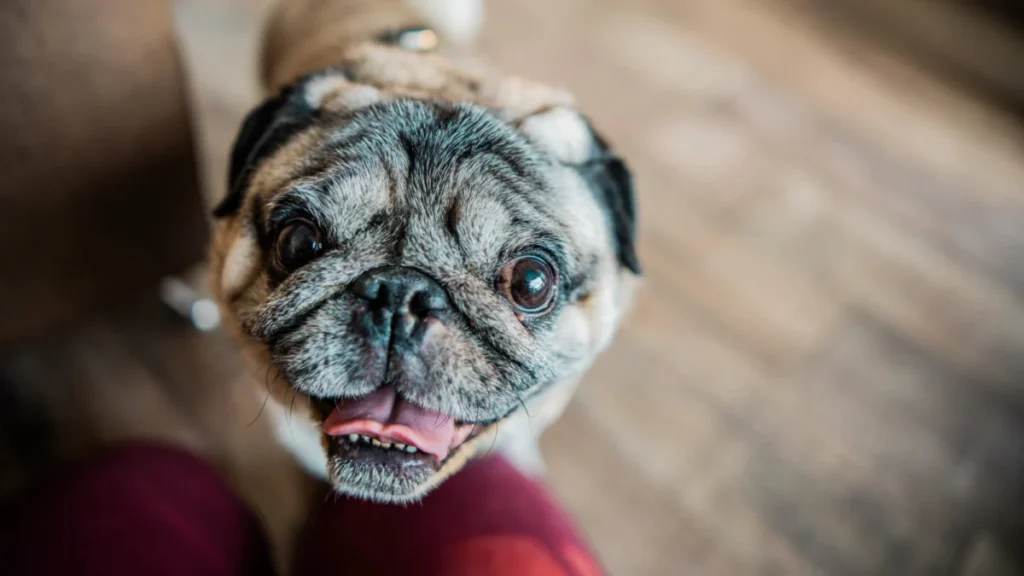
In a landmark development for veterinary medicine, researchers from the Royal Melbourne Institute of Technology (RMIT) in Australia, in collaboration with the biotechnology firm Snoretox, have unveiled a novel injectable treatment designed to alleviate the debilitating respiratory issues common in brachycephalic, or "flat-faced," dog breeds. The treatment, known as Snoretox-1, utilizes a highly specialized modification of the tetanus toxin to enhance muscle tone in the upper airway, potentially offering a non-invasive alternative to the risky surgeries that have long been the only recourse for affected animals.
For over 15 years, the scientific team has investigated the underlying physiological failures associated with Brachycephalic Obstructive Airway Syndrome (BOAS). This chronic condition is the direct result of centuries of selective breeding aimed at achieving specific aesthetic traits—namely the shortened muzzles and flattened faces seen in Pugs, French Bulldogs, and English Bulldogs. However, these physical characteristics come at a severe biological cost, as the soft tissues of the throat often exceed the space provided by the shortened skull, leading to significant airway resistance and oxygen deprivation.
The Science of Snoretox-1: A Neuromuscular Approach
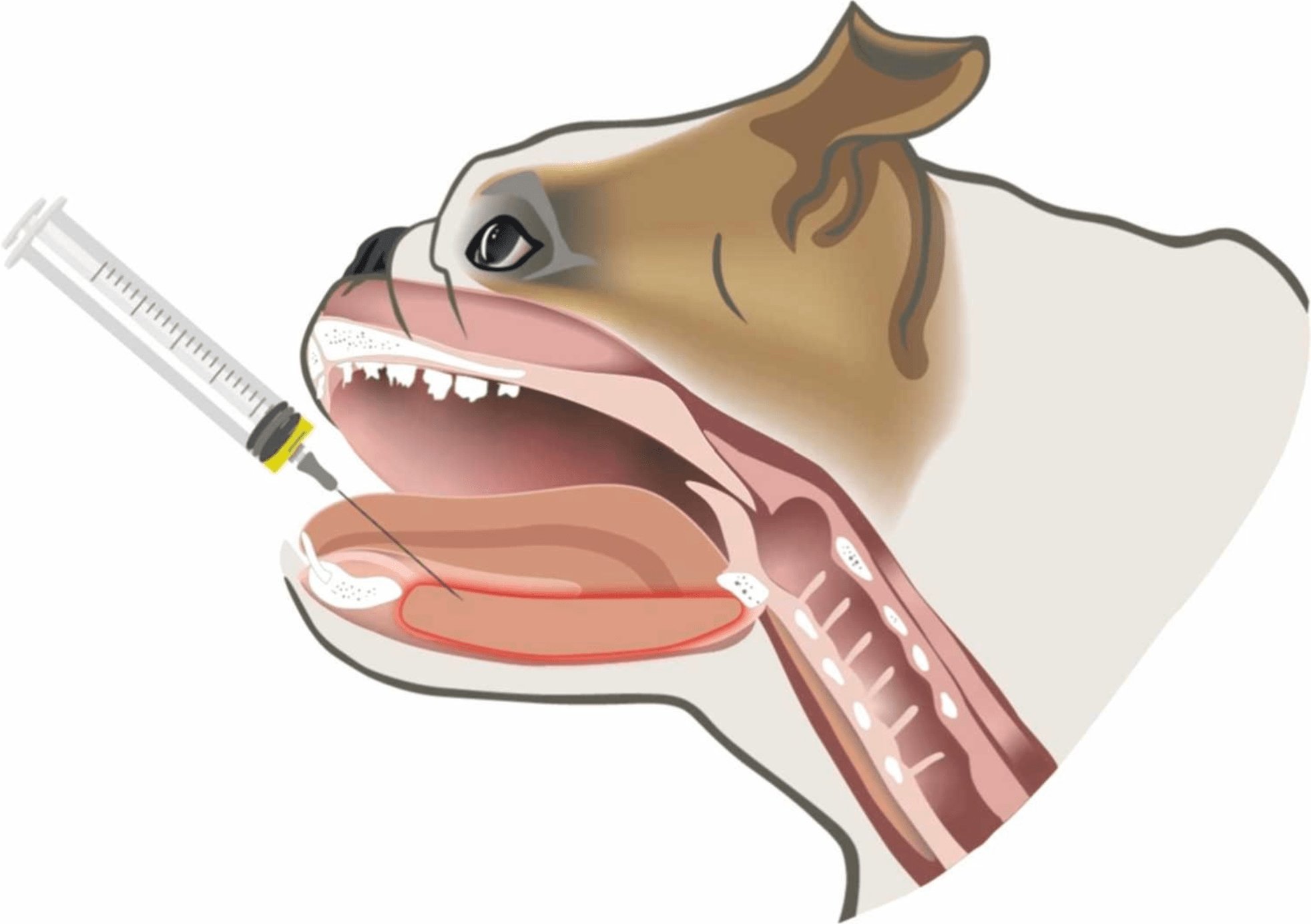
The mechanism behind Snoretox-1 represents a sophisticated application of toxinology. While tetanus is traditionally known as a dangerous pathogen that causes muscle rigidity, the researchers have harnessed a modified version of the toxin to achieve a therapeutic effect. When injected directly into the geniohyoid muscle—located inside the mouth above the throat—the treatment works to selectively increase muscle tone.
By strengthening this specific muscle group, the treatment helps to physically hold the airway open during respiration. This is particularly crucial during sleep or physical exertion, when the muscles of the throat naturally relax and, in brachycephalic breeds, often collapse. Unlike traditional sedatives or anti-inflammatory medications that merely manage symptoms, Snoretox-1 targets the functional weakness of the upper airway anatomy.
Professor Calum Drummond, RMIT Deputy Vice-Chancellor of Research and Innovation, emphasized the transformative potential of the project. "This project is focused on making a real difference to animals, with the potential for broader impact in the future," Drummond stated. The research, recently published in The Veterinary Journal, suggests that this neuromuscular intervention could eventually be adapted to treat other conditions characterized by weak muscle tone in both domestic animals and potentially other species.
The Biological Cost of Selective Breeding
The emergence of BOAS is widely regarded by the veterinary community as an animal welfare crisis. A study published in the journal PLOS One in early 2024 underscored the scale of the problem, finding that nearly 90 percent of the flat-faced dogs surveyed exhibited some degree of respiratory difficulty. Perhaps more alarming was the finding that 54 percent of these dogs fell into the "clinically significant" category, meaning their breathing issues actively impaired their quality of life.
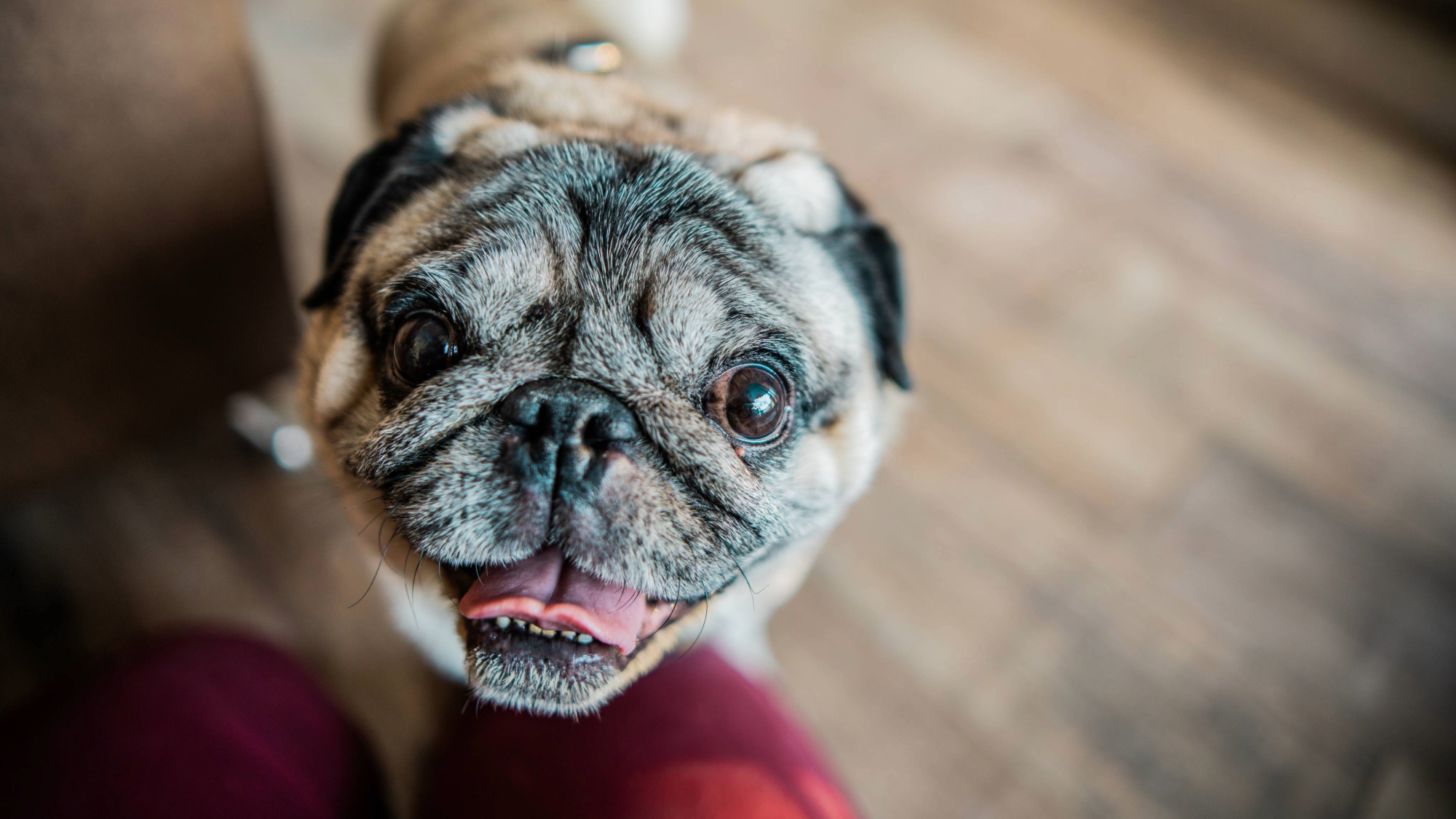
The anatomical abnormalities associated with BOAS include stenotic nares (pinched nostrils), an elongated soft palate that hangs down into the airway, and a hypoplastic trachea (an abnormally narrow windpipe). These factors force the dog to work significantly harder to pull air into the lungs, leading to secondary issues such as heart strain, chronic inflammation, and heat intolerance. Because dogs rely on panting to regulate their body temperature, those with BOAS are at a much higher risk of heatstroke, even in moderate climates.
Furthermore, the chronic lack of oxygen and the physical strain of breathing contribute to a significantly reduced lifespan. Recent data from the Royal Veterinary College and other institutions indicate that flat-faced breeds often live several years less than their longer-nosed counterparts. For example, while the average canine lifespan may range from 10 to 13 years, some heavily brachycephalic breeds have median lifespans as low as 4.5 to 7 years.
A Chronology of Research and Development
The journey toward Snoretox-1 began over a decade and a half ago, driven by the increasing popularity of brachycephalic breeds and a concurrent rise in veterinary presentations of BOAS.
- 2009–2015: Initial research phases focused on identifying the specific muscle groups responsible for airway collapse in bulldogs and pugs. Scientists utilized advanced imaging and electromyography to map the upper airway.
- 2016–2020: Snoretox began experimenting with modified toxins. The challenge was to find a balance where the toxin could increase muscle tone without causing the harmful, uncontrollable spasms associated with clinical tetanus.
- 2021–2023: Pre-clinical trials were conducted to ensure the safety of the injectable. Researchers focused on the geniohyoid muscle as the optimal site for delivery due to its accessibility and its role in stabilizing the larynx.
- 2024: The results of clinical tests involving six bulldogs were finalized. Each dog underwent a series of "walk tests" to measure exercise tolerance. Prior to treatment, the dogs struggled to complete even brief periods of activity. Post-injection, all six subjects showed marked improvement, completing the walks with significantly less respiratory distress.
Limitations of Current Surgical Interventions
Until the development of Snoretox-1, the primary treatment for severe BOAS was surgery, such as a staphylectomy (shortening the soft palate) or rhinoplasty (widening the nostrils). While these procedures can be life-saving, they are not without substantial risk.
Research published in the Journal of the American Veterinary Medical Association indicates that dogs undergoing BOAS surgery face a mortality rate of approximately 2.6 to 3 percent. The risks are compounded by the fact that these dogs are difficult to intubate and stabilize under anesthesia due to their compromised airways. Furthermore, surgery is expensive, often costing thousands of dollars, making it inaccessible for many pet owners.
Even when surgery is successful, the results can be subjective. Veterinary surgeons have historically relied on owner observations to determine the success of a procedure. To address this, tools like the "FitBark" collar were developed to provide objective data on sleep patterns and activity levels, revealing that many dogs still suffer from sleep apnea even after surgical intervention. Snoretox-1 offers a potential pharmacological bridge that could provide relief without the trauma of the operating table.
International Legal Landscape and Breed Bans
The severity of the BOAS crisis has prompted legislative action in several European nations. In 2022, a landmark ruling in Norway effectively banned the breeding of British Bulldogs and Cavalier King Charles Spaniels, citing that the breeds’ physical traits violated the country’s Animal Welfare Act. The court ruled that the suffering inherent in the breeds’ anatomy made continued breeding unethical.
The Netherlands has implemented similar restrictions, moving toward a system where only dogs with a certain muzzle length are permitted for breeding. These legal pressures have put the global veterinary and breeding communities on notice, sparking a debate between those who wish to preserve breed standards and those who advocate for "breeding for health" over aesthetics.
The introduction of a treatment like Snoretox-1 may provide a middle ground, offering a way to improve the quality of life for the millions of flat-faced dogs already in existence while the long-term work of diversifying the gene pool and lengthening muzzles continues.
Broader Impact and Future Implications
While the immediate focus of Snoretox-1 is the bulldog and pug population, the implications for the technology are far-reaching. The ability to safely modulate muscle tone via localized toxin injections could have applications in treating other veterinary conditions, such as laryngeal paralysis in older Large-breed dogs or certain types of dysphagia (swallowing difficulties).
The research team at RMIT and Snoretox are currently looking toward larger-scale clinical trials. These future studies will be essential in determining the longevity of the treatment—specifically, how often the injections must be repeated to maintain airway stability. Additionally, the team aims to investigate the efficacy of the drug across a broader spectrum of breeds, including Shih Tzus, Boston Terriers, and Boxers, all of which are susceptible to varying degrees of BOAS.
As of late 2024, the treatment remains in the investigational phase, and a specific timeline for commercial availability has not yet been established. Regulatory hurdles, including approval from the FDA in the United States and similar bodies in Europe and Australia, will require rigorous data on long-term safety and side effects.
However, the preliminary success of the six-bulldog study offers a glimmer of hope for a future where "cuteness" does not have to be synonymous with "breathlessness." For owners of these affectionate and popular breeds, the prospect of a simple injection providing the ability for their pets to run, play, and sleep without gasping for air represents a major leap forward in compassionate veterinary care.