


The recent launch of Professor Cal Newport’s MasterClass course, "Rebuild Your Focus & Reclaim Your Time," has not only provided a new avenue for his influential productivity philosophies but has also inadvertently ignited a significant discussion on the evolving landscape of online video production. Newport, a renowned author and computer science professor at Georgetown University, observed that his experience filming with MasterClass revealed a profound shift in how professional-grade content is being produced and consumed, pointing towards a future dominated by specialized "micro-streamers" that blend top-tier production with highly focused audience engagement. This phenomenon suggests a crucial convergence of independent creativity and legacy production standards, poised to reshape the digital media economy.
Cal Newport’s MasterClass: A New Chapter in Productivity Guidance
Last fall, Cal Newport, widely recognized for his groundbreaking books Deep Work and Slow Productivity, embarked on a venture with MasterClass to distill his insights into a comprehensive video course. Launched last week, the program aims to equip individuals with strategies to combat digital distraction and cultivate meaningful focus in an increasingly fragmented world. The curriculum primarily draws from the principles of Slow Productivity, advocating for a deliberate and thoughtful approach to work that prioritizes quality over frantic activity, while also integrating elements from Deep Work, which champions intense, distraction-free concentration on cognitively demanding tasks. The course, accessible at masterclass.com/calnewport, is positioned as a deep dive into the intersection of technology and personal effectiveness, a theme central to Newport’s ongoing work and popular newsletter.
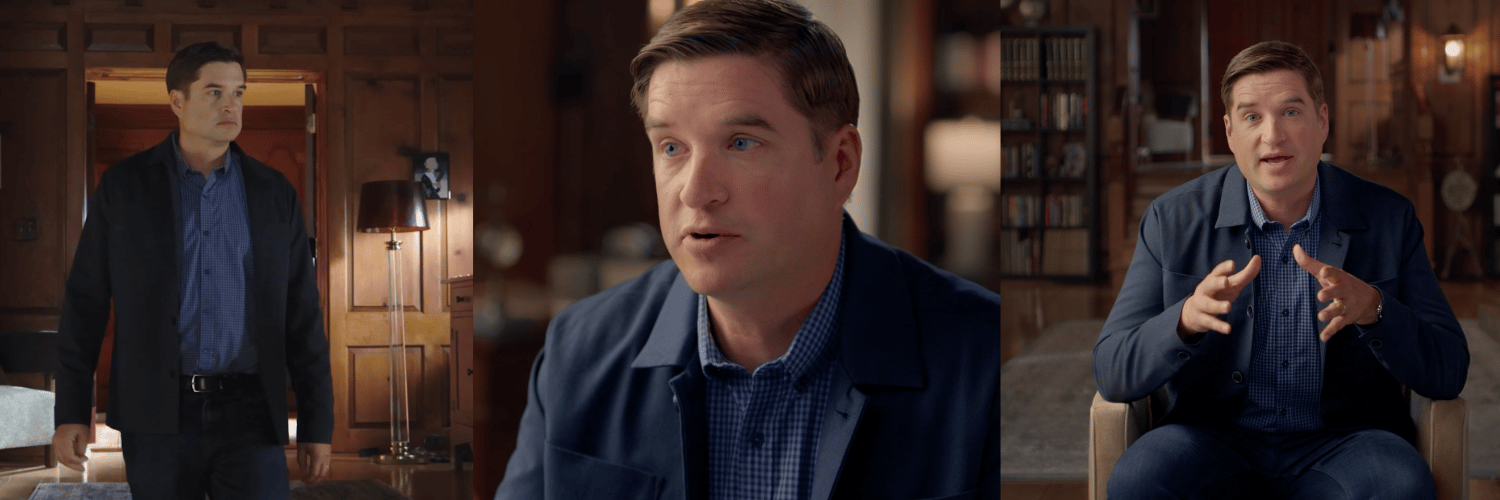
For Newport, the MasterClass project represented more than just an opportunity to disseminate his ideas. It offered a firsthand encounter with a production environment that far exceeded his previous experiences in digital media. Having been a guest on numerous prominent video podcasts—including those hosted by Mel Robbins, Andrew Huberman, and Rich Roll—as well as appearances on traditional morning shows and cable news programs, Newport was accustomed to high-quality setups. These shows typically feature well-designed sets, sophisticated lighting, and multi-camera configurations, often employing three cameras to capture diverse angles and maintain visual dynamism. However, the MasterClass production, according to Newport, operated on an entirely different plane, akin to a feature film or a premium dramatic series.
The Unparalleled Production Standards of MasterClass
MasterClass distinguishes itself through an uncompromising commitment to cinematic production values, setting a benchmark for online educational content. The scale and professionalism of the production team involved in Newport’s course underscore this dedication. Unlike typical independent video productions, even those with significant budgets, MasterClass employs a full-fledged, high-end television-quality crew. This ensemble includes a dedicated director, meticulously overseeing the artistic and technical aspects; a seasoned cinematographer, responsible for the visual aesthetic and camera operation; and multiple camera operators, each distinct from specialized focus pullers who ensure crisp imagery. Complementing this core team are gaffers, who manage lighting, and grips, who handle rigging and camera support, all bolstered by a cadre of production assistants ensuring seamless operations. Newport vividly recounted the experience, noting that his make-up artist had recently worked on a major production like Sinners, highlighting the caliber of talent MasterClass attracts.
This level of investment in production quality is not merely cosmetic; it is integral to MasterClass’s brand identity and business model. Since its inception in 2015, MasterClass has carved out a unique niche by offering courses taught by world-renowned experts across various fields, from culinary arts with Gordon Ramsay to filmmaking with Martin Scorsese, and writing with Margaret Atwood. The platform’s success is predicated on delivering an immersive, high-gloss educational experience that mirrors premium broadcast television or cinematic content. This strategy aims to elevate online learning beyond traditional lecture formats, transforming it into an engaging, aspirational, and visually stunning journey. The company has secured significant venture capital funding, reportedly over $460 million, allowing it to maintain these lavish production standards and attract top-tier talent. As of late 2022, MasterClass boasted millions of subscribers, demonstrating a robust market for its premium content model.
The Enduring "Quality Gap" in Visual Media
Newport’s experience underscored a critical observation: a persistent, non-trivial quality gap still exists between "independent" video, typically associated with platforms like YouTube, and "legacy" video, produced for streaming services such as Netflix or traditional linear television. While high-end YouTube creators have made remarkable strides in elevating their production quality, often investing in professional equipment and skilled teams, they generally operate within different budgetary and structural constraints compared to major studios or platforms like MasterClass. The distinction, though narrowing, remains palpable in terms of lighting, sound design, cinematography, and overall post-production polish.
This quality gap holds significant economic implications. Consumers historically assign different values to content based on its perceived production quality. We are accustomed to paying for subscriptions to platforms like Netflix, HBO Max, or Disney+ because their content consistently meets or exceeds the aesthetic standards of traditional television and film. Conversely, content on ad-supported, general-use platforms like YouTube, while often highly engaging and informative, has traditionally been viewed as "free" or lower-tier, despite the immense talent and effort often involved. This perception has historically limited the monetization potential for independent creators, often forcing them to rely on advertising revenue, sponsorships, or direct fan support models that can be less stable or predictable than subscription-based services. The willingness of audiences to pay for MasterClass content, despite its online delivery, directly correlates with its ability to close this perceived quality gap and deliver a broadcast-level viewing experience.
The Emergence of "Micro-Streamers" and the Fading Divide
The fascinating development, as Newport highlights, is that this quality gap is rapidly diminishing, and innovative models are emerging to capitalize on this convergence. MasterClass itself is a prime example: it is not funded by a traditional streaming service or television studio, yet it achieves production values indistinguishable from them. This trend extends beyond educational platforms, signaling a broader transformation in the independent media landscape.
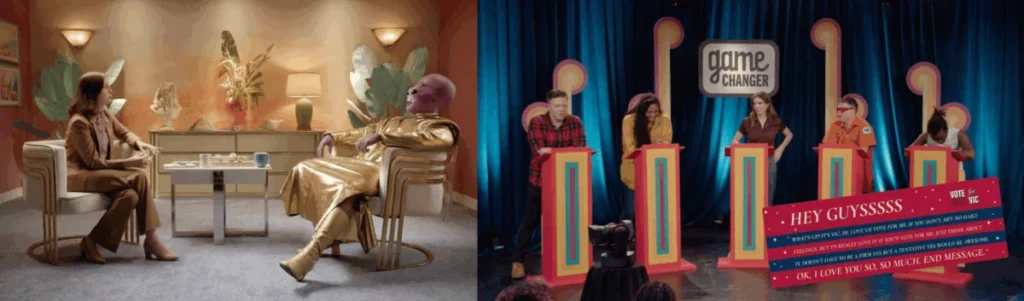
A compelling illustration of this future is Dropout TV, a subscription-based comedy streaming service. Stylized as :Dropout online, this platform costs $6.99 per month and offers a slate of original, unscripted shows produced with a quality level that easily rivals unscripted content found on major streaming platforms like Netflix (e.g., Is it Cake? or Nailed It!). What makes Dropout TV particularly noteworthy is its origin and operational model. Unlike Netflix, which operates with multi-billion-dollar production budgets and substantial venture capital backing, Dropout TV grew out of CollegeHumor.com, a popular humor website from the early 2000s.
Dropout TV: A Blueprint for Niche Subscription Success
CollegeHumor initially leveraged the rise of YouTube to expand its reach, producing vast amounts of content for the platform. However, the inherent frustrations of an ad-supported model—including algorithmic whims, fluctuating advertising revenues, and a lack of direct control over audience engagement—eventually prompted a strategic pivot. The company launched its own subscription application, giving birth to Dropout TV. This move allowed them to cultivate a direct relationship with their audience, ensuring revenue stability and creative freedom, while delivering content at a professional quality that resonated deeply with their loyal fanbase.
Today, Dropout TV stands as a resounding success, boasting over a million paying subscribers. Its journey from a web humor site to a thriving micro-streamer provides a powerful case study for independent creators. It demonstrates that a focused audience, coupled with a commitment to high production standards, can sustain a viable subscription model outside the behemoth ecosystems of YouTube or major studios. The platform’s success is a testament to the fact that viewers are willing to pay for content that aligns with their specific interests, provided the quality justifies the cost.
Broader Implications for the Creator Economy and Digital Media
The phenomenon of "micro-streamers," characterized by legacy-quality programming and a focused audience, represents a significant evolution in the creator economy. This trend is fueled by several converging factors:
- Technological Accessibility: The cost of high-quality production equipment has plummeted over the past decade. Professional-grade cameras, lighting kits, audio recording devices, and sophisticated editing software are now within reach of independent creators and smaller production companies. This democratization of tools enables smaller teams to achieve broadcast-level aesthetics without requiring multi-million dollar investments.
- Growth of the Creator Economy: Millions of individuals are building livelihoods around content creation. As this economy matures, creators are increasingly seeking more sustainable and controllable monetization strategies beyond advertising. Subscription models offer predictable revenue streams and foster stronger community ties.
- Audience Fragmentation and Niche Interests: The internet has fragmented audiences, allowing for the emergence of highly specialized communities around virtually any interest. These niche audiences are often passionate and willing to financially support creators who cater directly to their specific tastes, rather than relying on broad, general-interest platforms.
- Desire for Authenticity and Direct Connection: Micro-streamers often maintain a closer, more authentic connection with their audience compared to corporate-backed platforms. This direct relationship builds loyalty and trust, making subscribers more invested in the success of the creator.
The Future Landscape: Challenges and Opportunities
As it becomes increasingly feasible for independent creators to produce high-end video content, more will undoubtedly depart from mass-aggregation platforms like YouTube. They will instead opt to offer targeted, subscription-based competition to the major streaming players, fundamentally altering the content distribution ecosystem. This shift presents both opportunities and challenges:
- Opportunities for Creators: Greater creative control, direct audience engagement, more stable and predictable revenue, and the ability to build a robust independent media business.
- Opportunities for Consumers: Access to a wider array of specialized, high-quality content tailored to specific interests, fostering deeper engagement and potentially higher satisfaction than generalist platforms.
- Challenges: The market for micro-streamers could become saturated, leading to increased competition for subscriber attention. Discoverability remains a hurdle; while major platforms benefit from immense marketing budgets and established distribution channels, independent services must invest heavily in community building and organic growth. Furthermore, managing the technical infrastructure and customer service for a subscription platform requires significant operational expertise and investment.
The vision of a "Deep Life TV app" coexisting alongside giants like Disney+ on smart TVs, as playfully mused by Cal Newport, might not be as far-fetched as it once seemed. This future implies a landscape where the distinction between "independent" and "legacy" media dissolves, replaced by a spectrum of content defined by quality, niche appeal, and direct audience relationships.
In conclusion, Cal Newport’s journey with MasterClass has not only delivered valuable insights into productivity but has also served as a compelling case study for the profound shifts underway in digital media. The convergence of accessible high-quality production, a burgeoning creator economy, and an audience hungry for niche content is propelling the rise of "micro-streamers." These platforms, exemplified by the success of Dropout TV, are demonstrating that independent creators can build thriving, subscription-based media empires by marrying professional-grade execution with deeply focused content, charting a dynamic new course for online video that promises greater diversity, quality, and creator autonomy.