




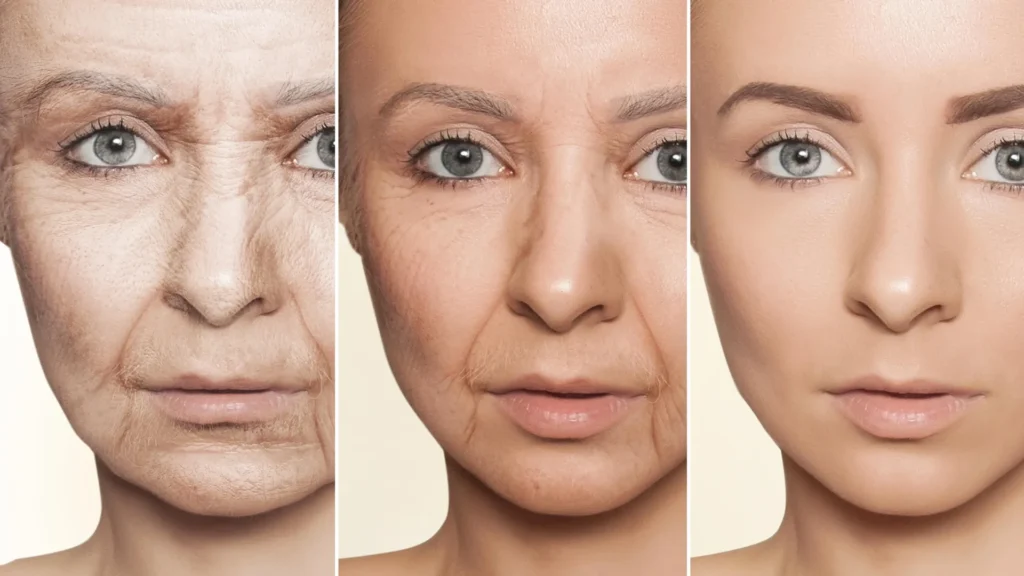
The inexorable progression of biological aging has long been characterized by the gradual decline of physical and cognitive vitality. From the visible onset of gray hair and dermal thinning to the more insidious erosion of memory and executive function, these changes have historically been viewed as an inevitable consequence of the passage of time. However, a landmark study conducted by an international consortium of researchers from Xi’an Jiaotong-Liverpool University, Stanford University, Shanghai Jiao Tong University, and the University of Chinese Academy of Sciences has introduced a transformative hypothesis: that specific dietary interventions may possess the capacity to mitigate, or perhaps even reverse, the physiological hallmarks of aging.
A Marine Solution to a Cellular Problem
At the center of this research is a compound known as plasmalogen, a specialized class of lipids essential to the integrity of cell membranes. These molecules are naturally abundant in the human body, particularly within the lipid-rich environments of the brain, heart, and immune system. As the human life cycle progresses, the natural synthesis of plasmalogens tends to diminish. This reduction is not merely a bystander effect of aging; it has been clinically correlated with the pathogenesis of severe neurodegenerative conditions, including Alzheimer’s disease and Parkinson’s disease.
The researchers turned their attention to the Ascidiacea—commonly referred to as sea squirts. These marine organisms, staples of traditional diets in Japan (known as hoya) and Korea (known as meongge), serve as a potent biological source of plasmalogens. By isolating these lipids and incorporating them into the diets of aged laboratory mice, the scientific team sought to determine whether systemic supplementation could reverse the markers of neurological and physical senescence.
Chronology of the Experimental Investigation
The study was structured to provide a comprehensive look at both behavioral and physiological outcomes over a defined period. Following a baseline assessment of the aged mice, the researchers introduced the plasmalogen-rich supplement into their diet. The evaluation period spanned several weeks, during which the researchers utilized the Morris water maze—a gold-standard behavioral test—to measure cognitive plasticity and spatial memory.
In this controlled environment, mice were tasked with locating a submerged platform within a water-filled tank. Younger, non-aged mice typically navigate to this hidden platform with increasing speed over several trials, demonstrating healthy neural retention. Initially, the aged mice displayed the expected cognitive decline, characterized by significantly longer latencies to locate the target. However, following five days of dietary intervention with plasmalogens, the treated cohort exhibited a marked improvement in performance, closing the gap between their results and those of their younger counterparts.
Supporting Data and Synaptic Restoration
Beyond behavioral observations, the researchers conducted post-mortem neurological analyses to uncover the mechanism behind this cognitive recovery. The histological examination revealed that the brains of the supplemented mice possessed a higher density of synapses compared to the untreated control group.
Synapses—the microscopic junctions that facilitate electrochemical communication between neurons—are the bedrock of neural plasticity. The research indicated that the plasmalogen supplement not only preserved existing synaptic integrity but appeared to promote the formation of new connections. Furthermore, the study documented a significant reduction in neuroinflammation. Chronic, low-grade inflammation in the brain, often termed "inflammaging," is a known driver of neuronal death and synaptic failure. By modulating the immune response within the central nervous system, the plasmalogens appeared to create a more hospitable environment for neural regeneration.
Expert Perspectives and Theoretical Mechanisms
Professor Lei Fu, the corresponding author of the study, emphasized the clinical significance of these findings, suggesting that the implications extend beyond mere maintenance of current health. "Our research suggests that plasmalogens may not just stop cognitive decline, but may reverse cognitive impairments in the aging brain," Fu noted. The physical manifestations of this recovery were equally striking; the researchers observed that aged mice fed the supplement grew thicker, glossier, and darker hair, pointing to a systemic, rather than localized, biological effect.
Regarding the underlying mechanics, the research team proposed a tripartite theory for how plasmalogens function:
- Neuroregeneration: The compounds appear to upregulate the expression of neurotrophic factors—molecules that support the growth, survival, and differentiation of neurons and synapses.
- Structural Fluidity: By incorporating themselves into cell membranes, plasmalogens likely increase the fluidity and flexibility of synaptic structures, thereby enhancing the efficiency of neurotransmission.
- The Gut-Brain Axis: Emerging evidence from the study suggests that plasmalogens may modulate the composition of the gut microbiome. Given the established bidirectional communication between the gut and the brain, the researchers theorize that a healthier gut ecosystem, fostered by these lipids, plays a critical role in mitigating neurodegenerative pathways.
Broader Implications for Geriatric Medicine
The potential for dietary intervention in treating age-related cognitive decline represents a significant shift in geriatric research. For decades, the focus has largely been on pharmacological agents designed to target specific proteins or receptors, often with limited efficacy and significant side effects. The prospect of utilizing a natural lipid, found in commonly consumed marine life, offers a potentially safer and more accessible pathway for therapeutic development.
However, the scientific community remains appropriately cautious. While the data from the murine model are compelling, the jump from rodent research to human clinical application is fraught with biological complexity. Human brains possess vastly more complex neural architecture, and the metabolic processing of lipids in humans differs from that of mice. Future research must address critical variables, including optimal dosage, long-term safety profiles, and the efficacy of oral delivery systems in bypassing digestive breakdown to reach the blood-brain barrier.
The Path Forward: Clinical Trials and Future Research
The research consortium is now looking toward the next phase of development. If human trials can validate the results seen in the laboratory, the implications for public health could be transformative. With an aging global population and a rising incidence of neurodegenerative diseases, the demand for accessible, cost-effective interventions has never been higher.
Professor Fu’s personal commitment to the supplement underscores a burgeoning confidence in the field, though he and his colleagues emphasize that such practices should not precede rigorous clinical validation. The scientific community is expected to focus future efforts on longitudinal studies to determine if plasmalogen supplementation can effectively delay the onset of conditions like Alzheimer’s in high-risk populations.
Ultimately, this study highlights an often-overlooked area of nutritional science: the role of specific structural lipids in maintaining systemic health. By viewing aging not as a monolithic decline, but as a series of cellular and chemical processes that can be influenced, researchers are opening new doors in the field of regenerative medicine. While a "fountain of youth" remains the stuff of mythology, the humble sea squirt may provide the scientific roadmap to a healthier, more resilient aging process. As the study continues to undergo peer scrutiny and replication, the global health community will be watching closely to see if these marine-derived molecules can truly translate into a viable medical breakthrough for human longevity.







