


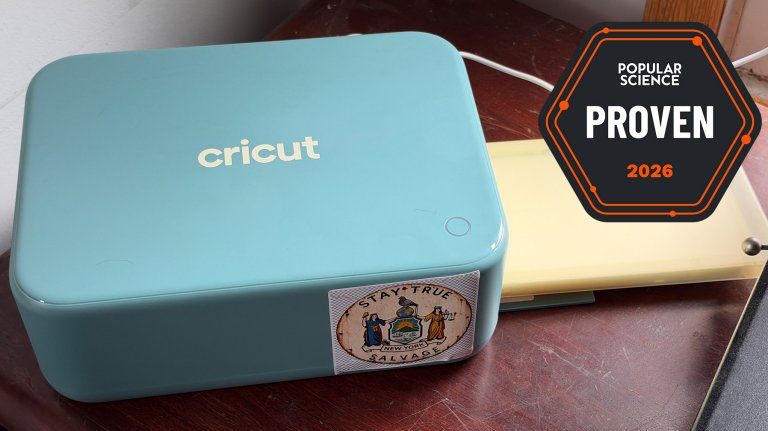
The desktop crafting and personalization market has experienced a significant evolution with the introduction of the Cricut StickerPix Print + Cut, a compact device designed to bridge the gap between digital graphic design and physical sticker production. Traditionally, creators seeking to manufacture custom-shaped stickers required a multi-step process involving standalone inkjet printers, specialized laminate sheets, and precision cutting plotters like the standard Cricut Maker or Explore machines. By integrating dye-sublimation printing technology with an automated, high-precision contour cutting blade into a single footprint measuring just 8 by 11.3 by 4.1 inches and weighing 6.6 pounds, Cricut has streamlined the workflow for hobbyists, small-business owners, and casual creators alike.
Chronology and Market Context
Cricut’s trajectory in the consumer hardware space has been defined by its dominance in computer-controlled cutting machines. Founded decades ago as a scrapbooking aid, the brand evolved into an ecosystem encompassing vinyl cutters, heat presses, and mug presses. However, the production of full-color, custom-cut stickers remained a cumbersome procedure requiring users to calibrate registration marks and manually align printer outputs with cutting mats.
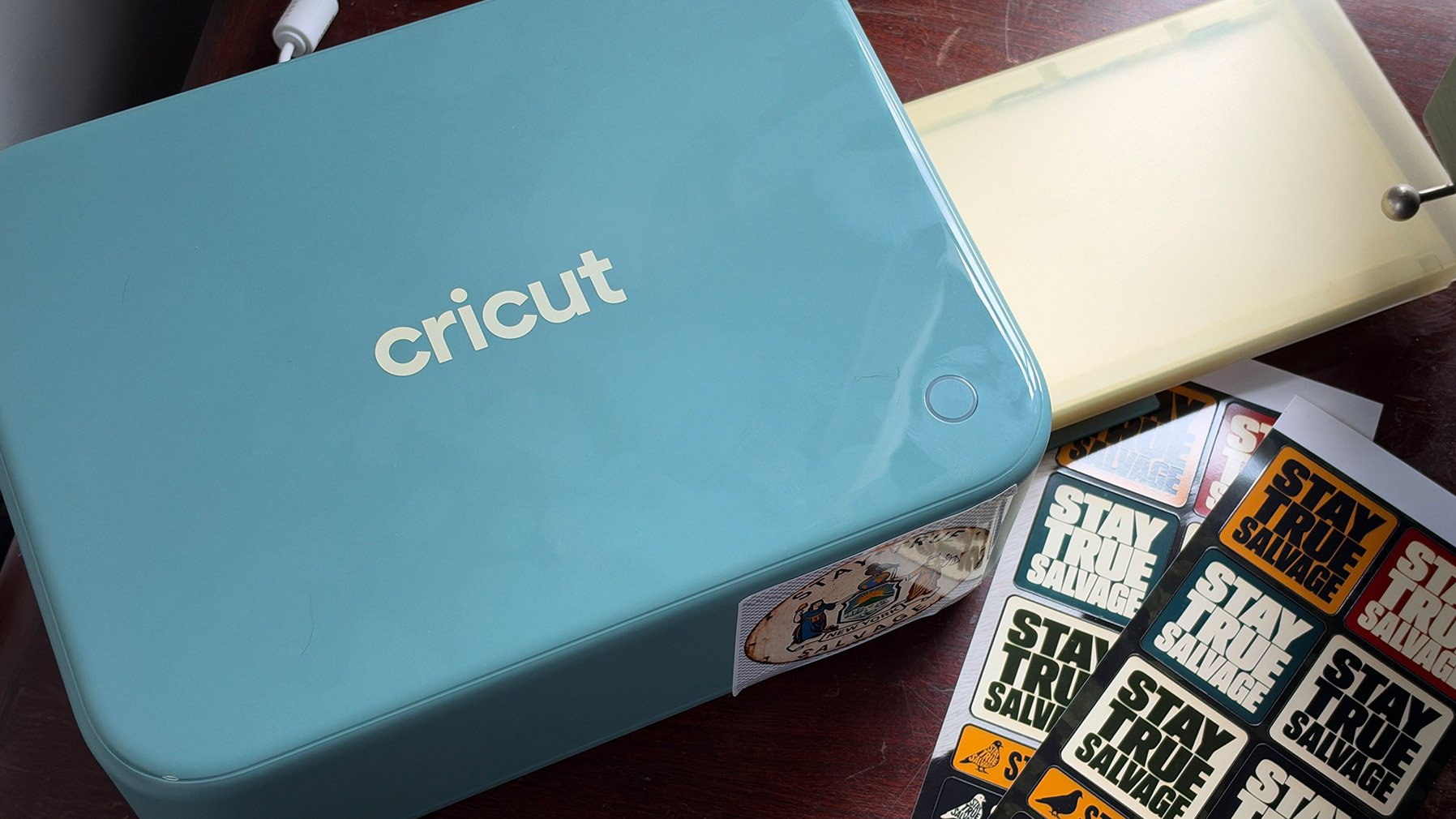
The launch of the StickerPix lineup addresses this friction point directly. The product family splits into two distinct models: the entry-level StickerPix Print, priced at $169, which relies on pre-cut sticker sheets and fixed geometries, and the flagship StickerPix Print + Cut, commanding a higher price point by incorporating an integrated cutting mechanism capable of tracing unique vector outlines. This hardware debut aligns with a broader consumer electronics trend favoring all-in-one desktop peripherals that minimize clutter while maximizing creative autonomy. Industry analysts note that the rise of micro-entrepreneurship—such as independent creators selling merchandise on Etsy, at craft fairs, or through direct-to-consumer channels—has fueled demand for professional-grade fabrication tools sized for home offices.
Design, Engineering, and Hardware Specifications
From an industrial design perspective, the StickerPix Print + Cut is tailored for modern workspace ergonomics. Its physical footprint allows it to reside permanently on a desk without imposing on daily tasks, aided by a retractable paper tray that stows neatly when not in active deployment. Operationally, the device requires approximately six inches of clearance on either side to accommodate the linear motion of the media during the printing and cutting cycle.
The physical interface is intentionally minimalist, featuring a single control button that underscores Cricut’s reliance on its proprietary software ecosystem, Design Space. Setup metrics indicate a low barrier to entry, with out-of-the-box configuration averaging under ten minutes. Users drop in a proprietary dye-sublimation ink cartridge, establish a Bluetooth connection, load the media tray, and interface through software compatible with iOS, Android, macOS, and Windows operating systems.
While the device offers flexibility across multiple computing platforms, desktop operation remains favored among power users due to advanced precision controls over scaling, DPI optimization, and vector alignment. Furthermore, the software incorporates optional generative artificial intelligence tools, permitting users to draft conceptual assets natively. While optional for traditional creators who prefer importing custom graphics—such as brand logos, personal photography, or original vector illustrations—the inclusion of AI design utilities reflects the broader technological integration occurring across consumer-facing creative hardware.
Printing Mechanics and Material Limitations
The print engine utilizes dye-sublimation technology, wherein solid color pigments transition directly into a gas under heat, infusing the receiver layer of the specialty paper. As media shuttles back and forth through the feed rollers, successive color passes construct a continuous-tone image. This mechanism yields high color fidelity, sharp gradients, and smooth photographic transitions, provided the source files maintain high resolution.
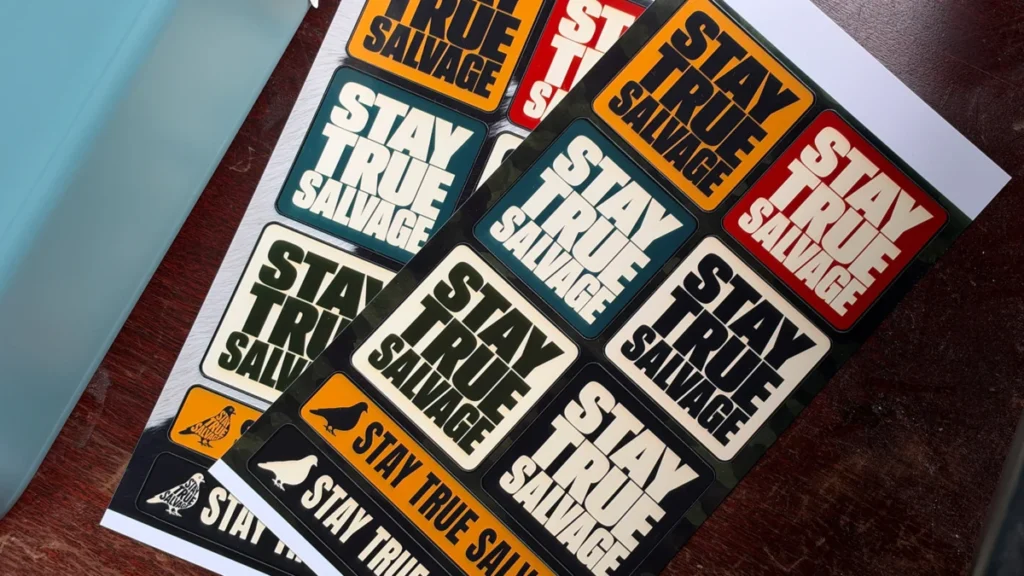
Following the thermal printing phase, the internal cutting assembly engages. True to Cricut’s engineering heritage, the blade executes a precise "kiss-cut," slicing through the printable vinyl sticker layer while leaving the backing paper intact. This allows individual stickers to be easily extracted from the sheet. Performance tests demonstrate that the machine accurately tracks complex geometric paths, successfully navigating fine details such as intricate typography or narrow structural elements without tearing the substrate.
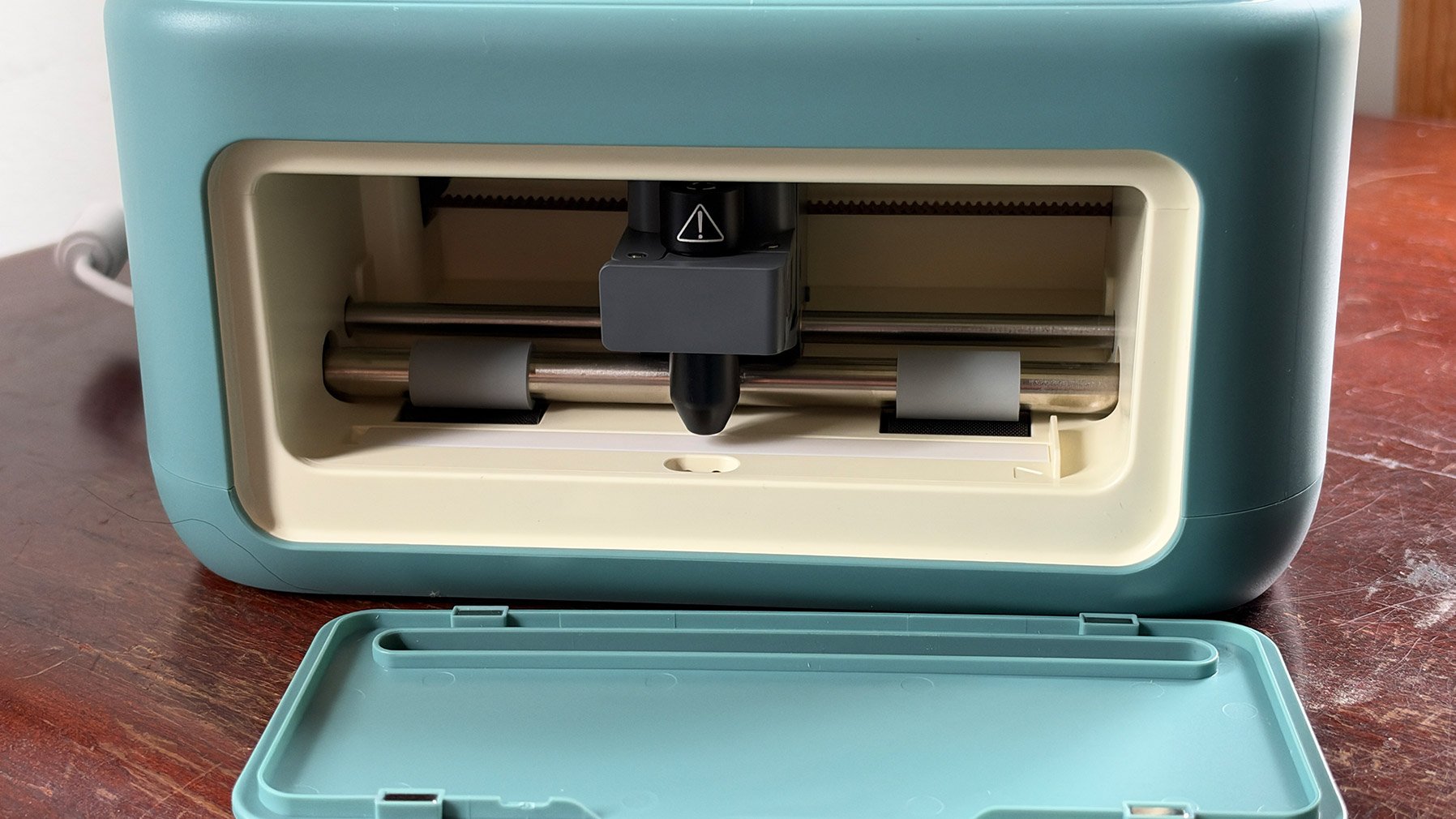
A notable operational constraint, however, is Cricut’s closed-ecosystem consumable model. The StickerPix series operates exclusively with proprietary material bundles. Each replacement package couples a specific dye-sublimation ink ribbon with a matching count of media sheets, ensuring that ink and paper deplete synchronously. The Essential bundle, which retails for approximately $25, yields a per-sheet cost of roughly 70 cents when accounting for both the print media and the associated ink transfer.
Current media offerings are restricted to white glossy sticker sheets and standard photo paper, leaving a gap for specialized finishes such as matte, holographic, metallic, or transparent substrates. Market observers and consumer advocacy groups frequently scrutinize closed-consumable hardware models for limiting user choice and increasing long-term operational expenses, though manufacturers defend these configurations as necessary to ensure strict calibration, color accuracy, and mechanical reliability.
Durability and Real-World Performance
Adhesion and material resilience represent critical parameters for consumer evaluation. The factory-applied adhesive backing is engineered for smooth, flat, and non-porous surfaces, securing reliably to plastics, metals, and glass. Application to textured surfaces, such as patterned mobile device cases, requires manual burnishing to eliminate microscopic air pockets and secure the edges.
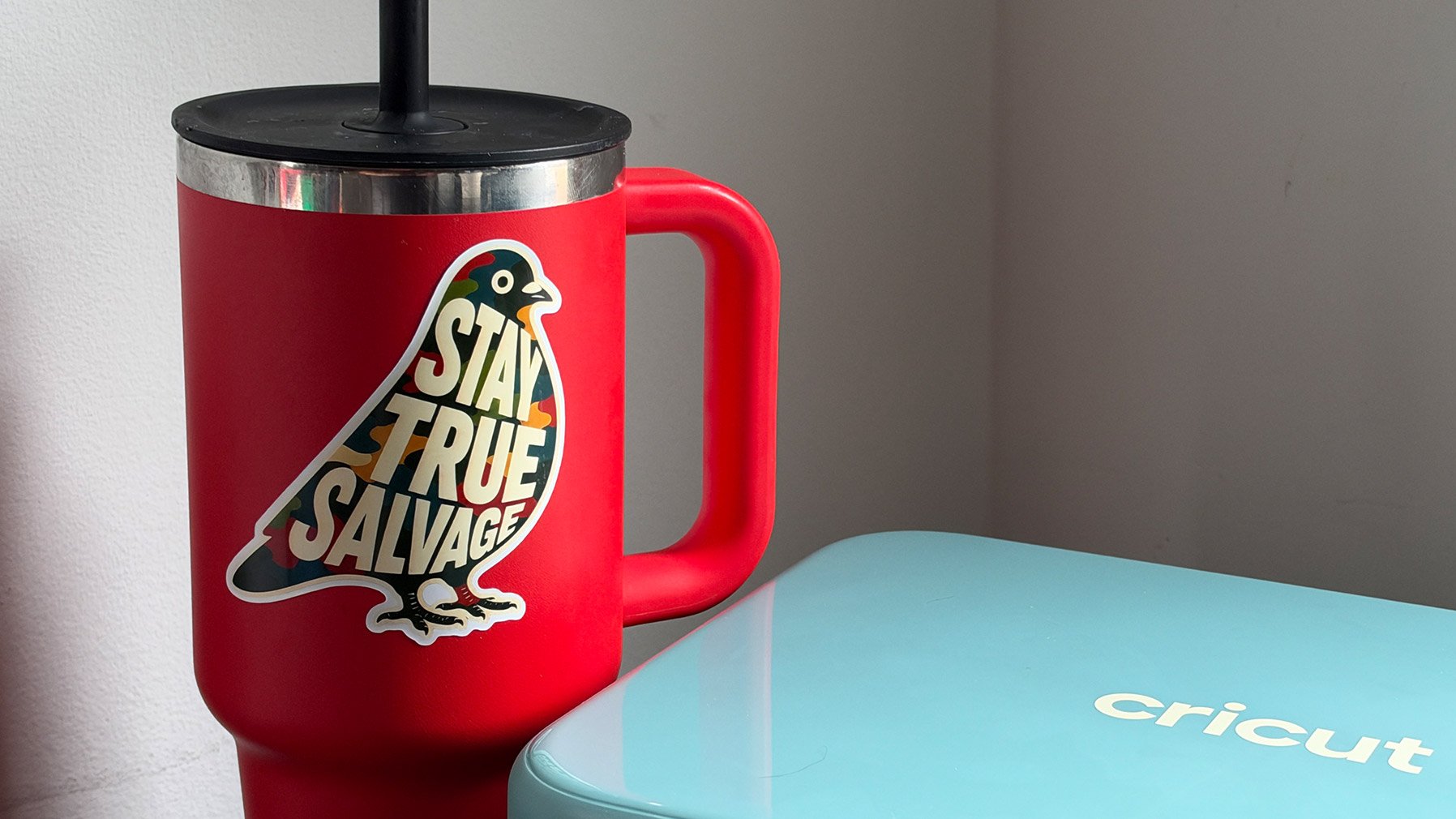
Regarding environmental durability, Cricut rates the output as water-, scratch-, and fade-resistant. Empirical stress tests—including accidental exposure to industrial dishwasher cycles—reveal that the dye-sublimation print layer maintains color integrity and structural cohesion under thermal and aqueous stress, far exceeding the longevity typically associated with standard desktop inkjet stickers lacking laminate protection. Conversely, removal of aged stickers can occasionally leave minor adhesive residue on certain substrates, a standard characteristic of acrylic-based pressure-sensitive adhesives.
Broader Industry Implications and Market Position
The introduction of the StickerPix Print + Cut highlights a shift toward vertical integration in the personal fabrication sector. By consolidating thermal printing and contour cutting into a single desktop appliance, Cricut has eliminated the historical technical hurdles that deterred casual hobbyists from producing custom merchandise.
The device occupies a distinct market tier between commercial-grade wide-format print-and-cut systems—which require thousands of dollars in capital investment and substantial floor space—and basic home photo printers that lack cutting capabilities. For independent designers, small business operators, and educational institutions, the machine offers an efficient prototyping medium.
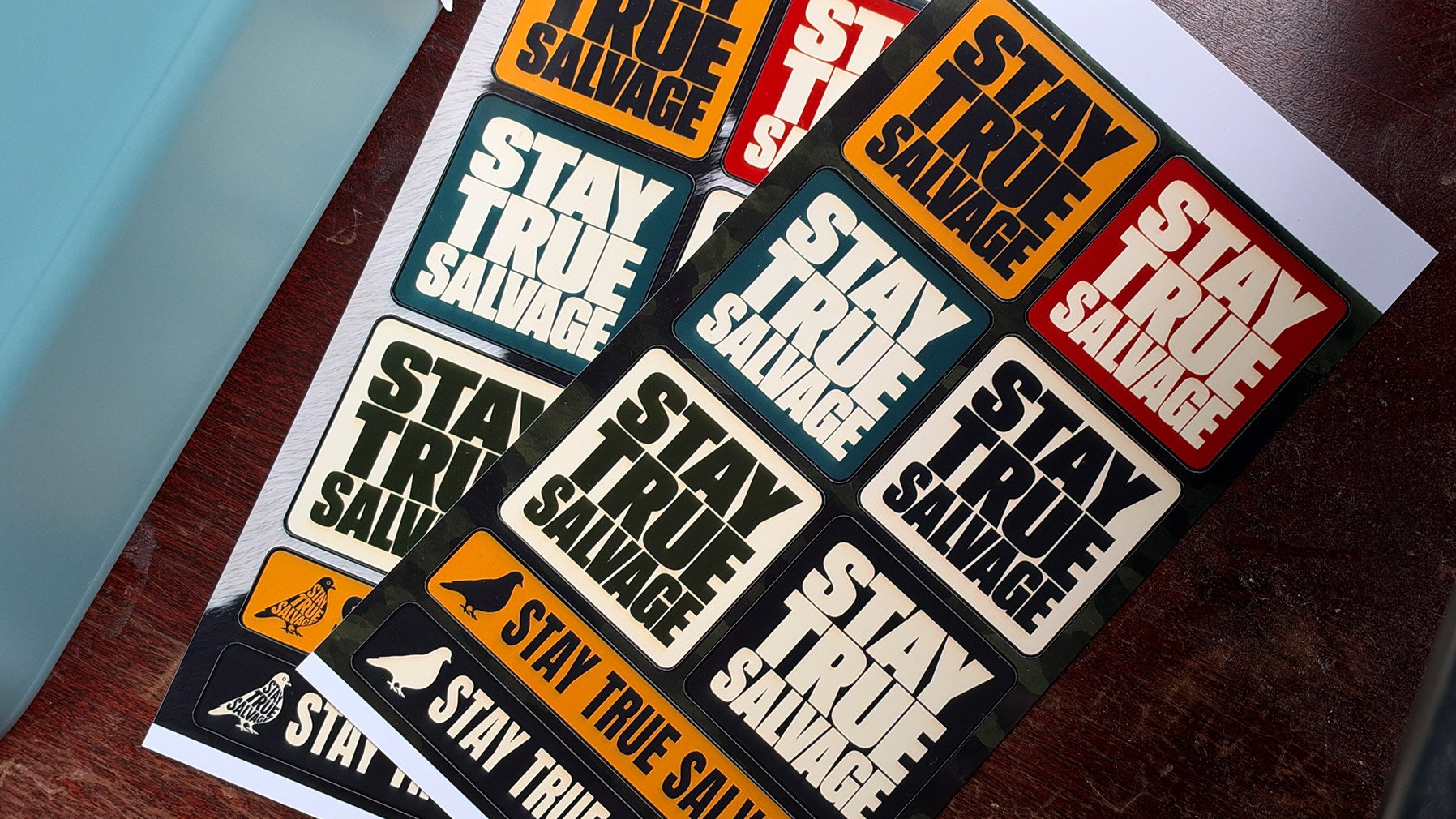
As consumer demand for personalized goods continues to expand, the success of the StickerPix ecosystem will likely depend on Cricut’s willingness to diversify its consumable material catalog and expand third-party software integration. For now, the hardware delivers on its core promise: rapid, high-fidelity, custom-shaped sticker production executed directly from a desktop workspace with minimal technical friction.