



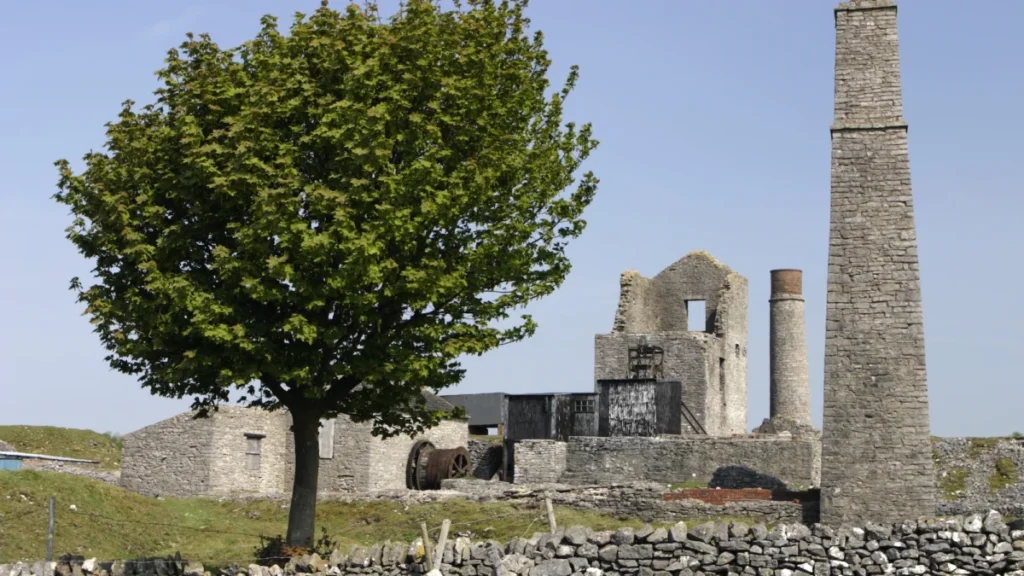
Archaeological excavations and advanced biochemical analyses of medieval human remains have finally resolved a long-standing historical debate, pinpointing the exact emergence of large-scale lead production in post-Roman Europe. By examining dental enamel extracted from ancient burial sites across the Peak District in central England, researchers have established that industrial-scale mining and smelting resumed vigorously during the mid-7th century. Published today in the academic journal Antiquity, the new study sheds light on a dark chapter of technological progress, revealing that the toxic human and environmental costs of medieval manufacturing were severe, persistent, and deeply unequal across social strata.
The Historical Arc of Lead and the Archaeological Puzzle
Humanity’s association with lead spans millennia, with traces of environmental contamination linked to early human activities dating back two million years. As a soft, malleable, and easily smelted metal, lead became a foundational pillar of human technological evolution. From prehistoric innovations to the complex plumbing networks of the Roman Empire and the mechanical advancements of the Industrial Revolution, civilizations relied heavily on the heavy metal. However, its profound neurotoxic properties—now known to cause irreversible developmental, neurological, and reproductive damage—have drastically curtailed its modern applications.
Despite its historical ubiquity, reconstructing the timeline of early medieval metal production has long frustrated archaeologists. Between the 16th and 19th centuries, successive generations of manufacturers heavily recycled and re-smelted lead waste originating from Roman and medieval sites. This continuous loop of industrial recycling effectively erased the chemical signatures and provenance of the original material, destroying traditional avenues of archaeological inquiry.
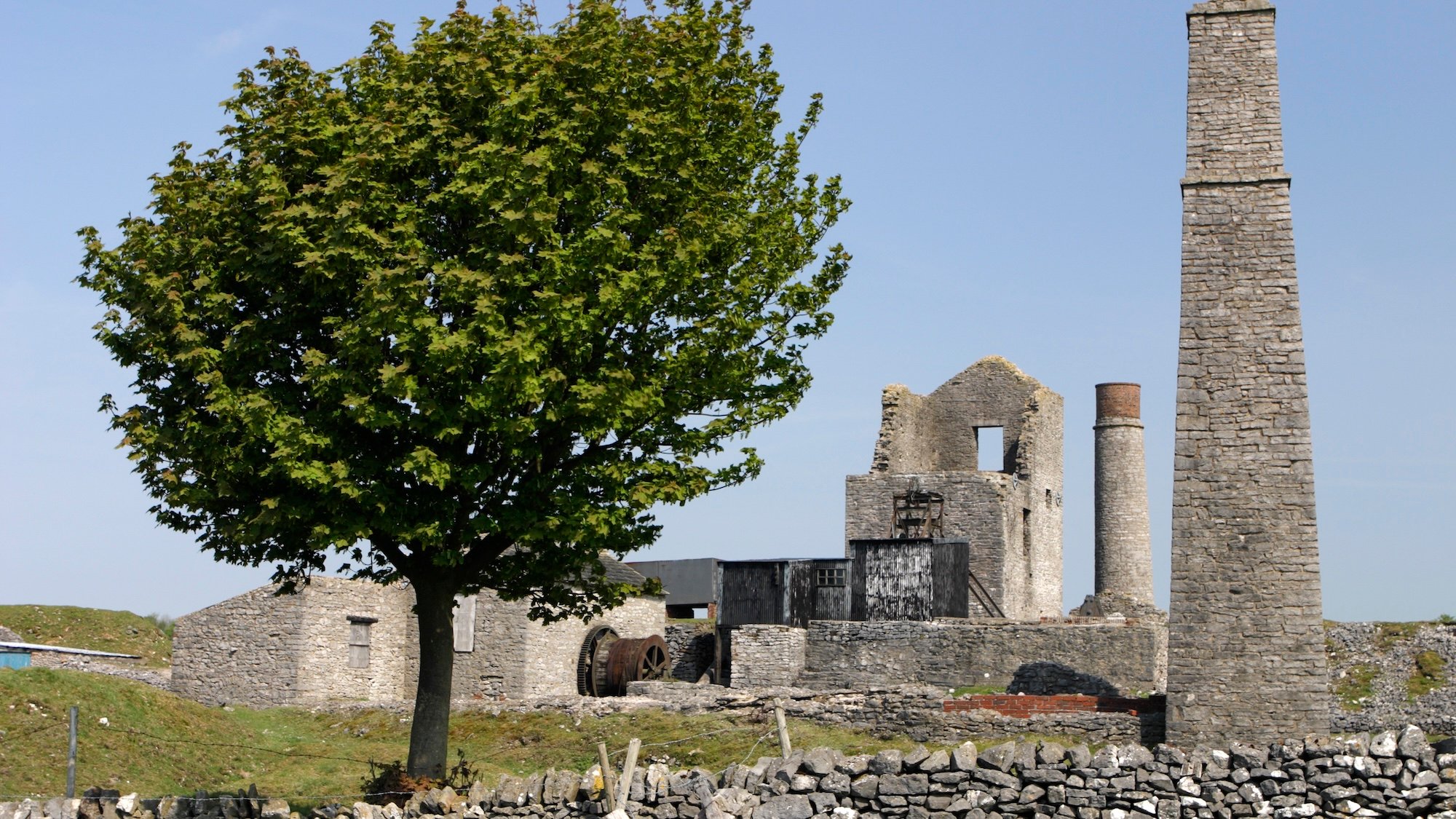
To bypass this historical roadblock, a multidisciplinary team led by researchers from the University of Nottingham, the University of Sheffield, and other academic institutions turned away from artifacts and focused instead on the local population. The Derbyshire Peak District, historically recognized as one of Europe’s most prolific repositories of lead ore during the Middle Ages, provided an ideal laboratory for this biological approach.
Decodifying Dental Enamel: A Timeline of Exposure
The breakthrough relies on the unique physiological properties of human teeth. Unlike bone, which undergoes continuous cellular remodeling throughout an individual’s lifetime, dental enamel forms permanently during childhood. Once the protective outer layer hardens, it locks in a permanent chemical record of environmental exposure absorbed from food, water, and ambient air during the formative years.
Researchers analyzed teeth recovered from skeletons interred across three distinct Peak District cemeteries, spanning a chronology from 650 to 1500 CE. The results were startling. By the mid-7th century, lead concentrations discovered in the enamel of local children rivaled—and in some cases exceeded—the exposure levels recorded among children raised in densely populated, heavily industrialized cities during the peak of the 18th- and 19th-century Industrial Revolution.
As the regional industry expanded, so did its toxic footprint. By the mid-8th century, environmental contamination had breached surrounding settlements, most notably Castleton. Chemical profiling indicated that lead exposure intensified steadily over subsequent centuries, peaking dramatically during the late 12th and early 13th centuries. This biological timeline aligns perfectly with independent historical records and ice-core data tracking medieval European atmospheric pollution.
"The team is delighted to have finally confirmed definitively the date by which the early medieval lead industry was established in the Peak District through evidence provided by the people themselves," stated Dr. Christopher Loveluck of the University of Nottingham, a co-author of the study.
Social Disparities and Gendered Vulnerabilities
While toxic exposure was a universal hazard across the Peak District, the study uncovered stark socioeconomic disparities in how the burden was distributed. Grave goods recovered from higher-status burials—such as weapons and luxury items—frequently contained lower lead concentrations compared to possessions found in the simple graves of poorer residents.
Archaeologists interpret this disparity as an indicator of product quality and domestic environment. Wealthier households undoubtedly owned items containing lead, but the craftsmanship of these goods minimized direct contact or leaching. Conversely, working-class families whose livelihoods depended on manual labor in local mines, ore-washing floors, and primitive smelting hearths lived in chronically contaminated domestic spaces, routinely exposing their offspring to hazardous particulate matter.
Perhaps the most poignant and alarming revelation of the study centers on gendered mortality rates. Chemical analysis of three young women, aged between 17 and 25 years old at the time of death, revealed exceptionally high concentrations of lead in their tooth enamel. While a significant proportion of male workers survived into middle or old age despite occupational exposure, young women in these communities faced disproportionately high mortality rates during early adulthood.
"Our results indicate that in these mining communities, girls and boys alike were raised in dangerously polluted home environments," noted Dr. Anna Bloxam, co-director of the Castleton excavation and study co-author. "This exposure may well have contributed to higher rates of premature death among women of child-bearing age, whose biological vulnerability to heavy metal toxicity is exceptionally high."
Broader Implications and Modern Parallels
The findings from Derbyshire offer a sobering reminder of the hidden human costs woven into the fabric of technological advancement. The pursuit of economic growth and material extraction throughout history has consistently exacted a heavy toll on vulnerable populations, frequently bypassing the ruling classes who stood to gain the most from industrial output.
Although modern environmental regulations, occupational safety standards, and public health initiatives have drastically reduced lead exposure in the developed world, the underlying dynamics of environmental degradation and socio-economic vulnerability remain enduring global challenges. Issues surrounding industrial pollution, marginalization of labor forces, and the unequal distribution of environmental hazards continue to spark urgent debates in contemporary public health and policy circles.
"This study has enabled us, for the first time, to look more deeply into the profound impact lead production had on individuals and the communities they lived in," reflected Colin Merrony, a historian at the University of Sheffield and co-author of the research.
By allowing the silent voices of medieval children and laborers to speak through their very bones, this landmark study bridges the gap between macro-scale historical trends and the intimate, biological realities of those who built the medieval world—revealing a society built upon foundations as fragile as they were toxic.